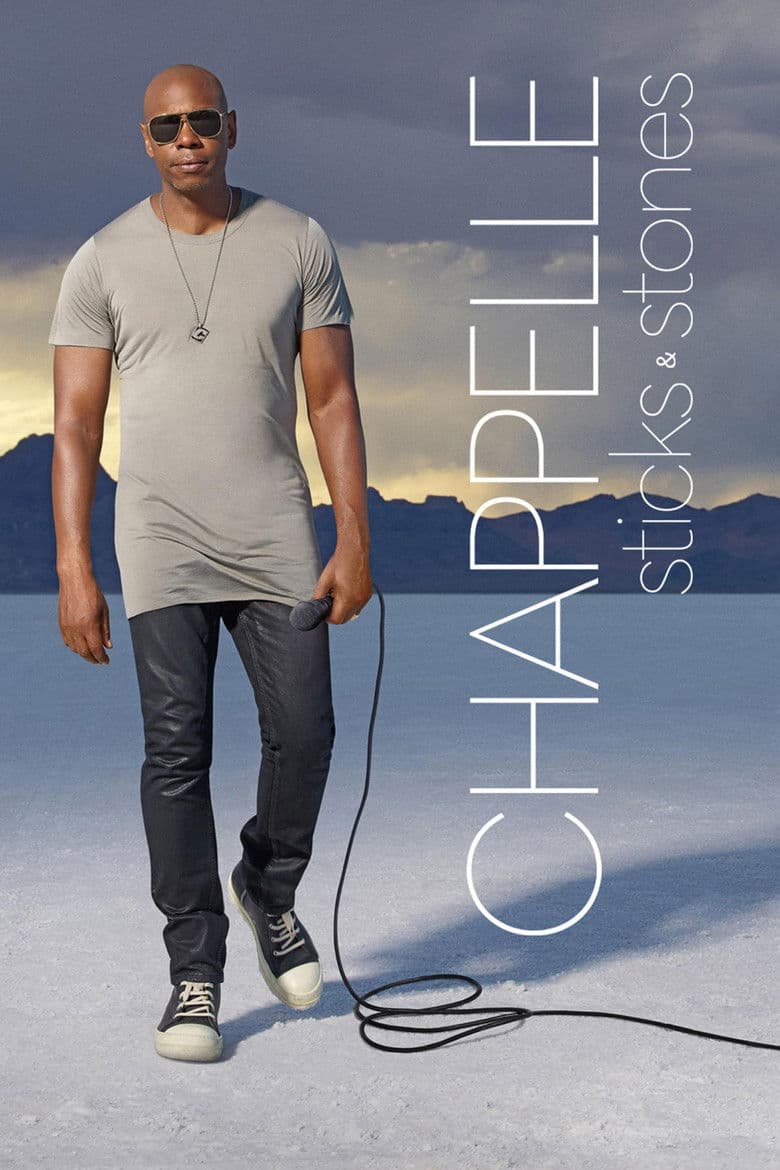
Dave Chappelle stands alone before a live crowd in an Atlanta theater. He moves from gun ownership and opioid addiction to celebrity scandals and public shame. His main conflict is with a culture that he says treats words, jokes, and old mistakes as reasons to punish people. The tone is loud, dark, rude, and openly defiant.
The special gives repeated attention to trans identity, LGBTQ labels, women’s sports, the #MeToo movement, and abortion laws. Chappelle also talks about race, drug policy, gun control, and claims of abuse involving famous performers. He uses these subjects to question political correctness, online call-out mobs, and the idea that public anger always leads to justice. The material is identity-focused and political, but it mostly rejects activist and DEI ideas instead of supporting them. These topics shape a large part of the hour, while the rest stays focused on dark jokes about fame, fear, sex, and death.
Community feedback
Was our 38% Woke rating accurate?
Breakdown
These are the editorial factors and ratings behind our score for Dave Chappelle: Sticks & Stones.
Woke representation / casting
Not present. The special presents Chappelle as the only main performer. It does not build a cast around diversity or identity signaling.
0%
Woke political dialogue
The special spends noticeable time on trans identity, the WNBA, the #MeToo movement, abortion laws, and political correctness. Chappelle presents these as spoken political and gender topics, not as background details. He uses them to challenge activist and progressive claims rather than to promote DEI. The material is clear and recurring, but it does not become a policy speech.
28%
Identity-driven story themes
The special returns to identity topics and public fights throughout the hour. Chappelle jokes about trans people, LGBTQ labels, women’s sports, #MeToo, and Kevin Hart’s old homophobic jokes. The routine turns these subjects into a fight over free speech, shame, and changing social rules. These themes matter to the special, even though the message rejects woke activism instead of supporting it.
45%
Western institutional / cultural critique
The special briefly attacks political correctness, online shaming, and the idea that public punishment fixes social problems. Chappelle also questions abortion laws and government responses to guns and opioid addiction. These points criticize current culture and policy, but they do not frame Christianity, family life, men, or Western institutions as oppressive systems. The critique is mostly anti-cancel-culture and classical liberal, so this factor stays low.
16%
Woke character or canon changes
Not relevant. The special is an original stand-up routine, not an adaptation or a story with established characters. It makes no identity-related changes to canon or historical figures.
0%
Anti-woke backlash and complaints
Not present. Right-leaning coverage praised the special as politically incorrect and as a rebuke of cancel culture. The separate X research found praise for its anti-woke stance, not claims that the special itself pushes DEI or identity politics. The reported 2019 backlash came mainly from critics on the left, which does not fit this factor.
0%
Creator track record context
The creative team has a mixed record. Stan Lathan has spent much of his career creating opportunities for Black performers and stories. Rikki Hughes has supported more Black and brown talent, especially black women, behind the camera. Chappelle’s public work centers on free speech and resistance to political correctness, while Sina Sadighi has no clear activist or DEI record. This mix gives the production some representation-focused context, but the title follows Chappelle’s anti-woke style.
30%
Production
Movie · 2023
From his onstage tackle to the slap heard round the world, Dave Chappelle lets loose in this freewheeling and unfiltered stand-up comedy special.
Movie · 2016
A comedy that follows a group of friends as they navigate their way through the freedoms and responsibilities of unsupervised adulthood.
Movie · 2024
Inseparable best friends AJ and Moose decide to run the local pool's snack shack after their plan to sell home-brewed beer goes down the drain.
Movie · 2018
Adam Sandler takes his comical musical musings back out on the road, from comedy clubs to concert halls to one very unsuspecting subway station.
Movie · 2023
A chaotic intervention. An action-packed stay in rehab. After a weird couple of years, John Mulaney comes out swinging in his return to the stage.
Movie · 2022
Exploring every facet of ‘Weird Al’ Yankovic’s life, from his meteoric rise to fame with early hits like ‘Eat It’ and ‘Like a Surgeon’ to his torrid celebrity love affairs and…
Movie · 2018
Vignettes weaving together the stories of six individuals in the old West at the end of the Civil War. Following the tales of a sharp-shooting songster, a wannabe bank robber, two…
Movie · 2016
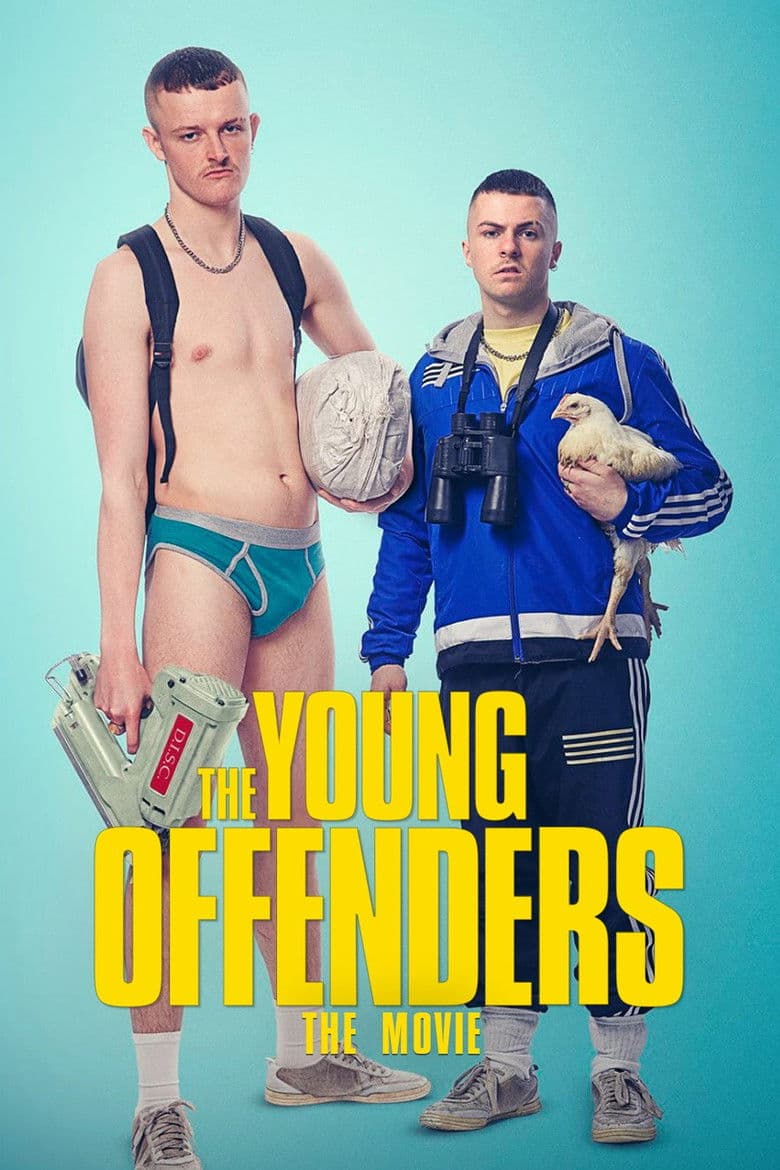
Two teenage boys from inner-city Cork steal bicycles and ride off on a 160km quest to find an unrecovered bale of cocaine worth 7,000,000 euros.
