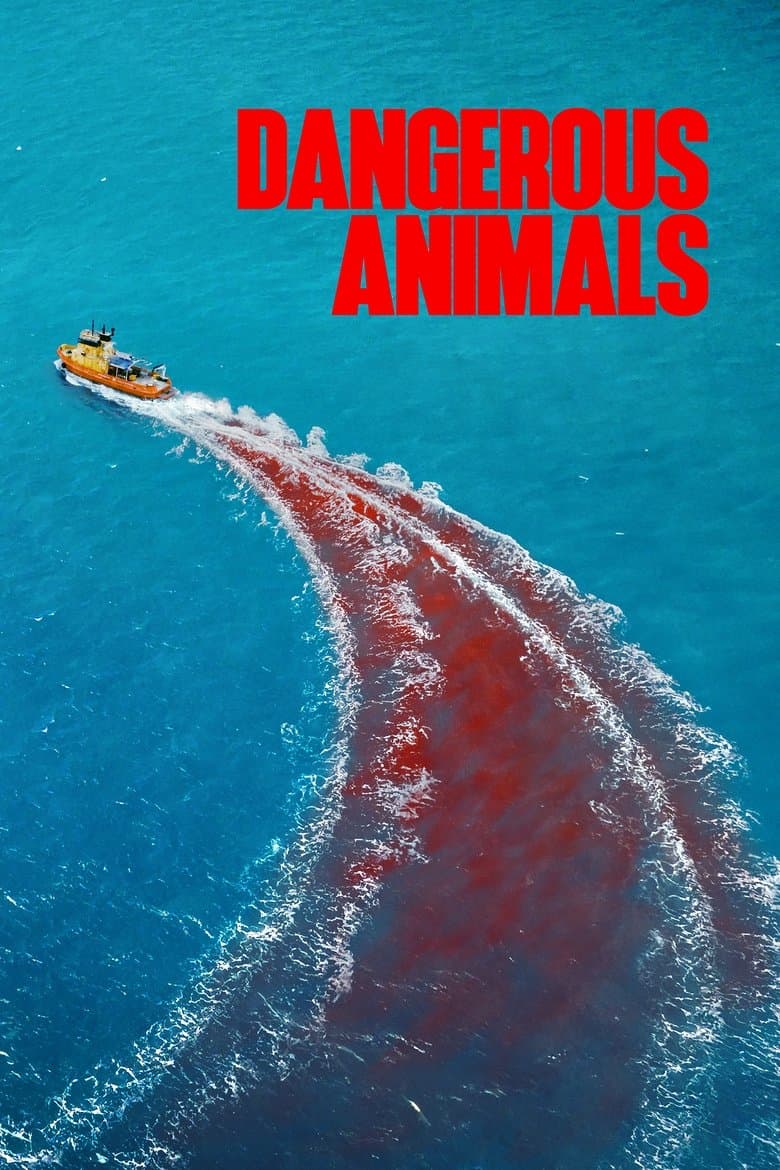
Dangerous Animals is a survival horror movie about an American surfer named Zephyr. While visiting Australia, she is kidnapped by a sadistic boat captain who feeds his victims to sharks. The story emphasizes girl power through a highly capable female lead who must outsmart her captor. Subtle themes of toxic masculinity are present, as the villain is framed as an abusive man seeking control over independent women.
Community feedback
Was our 33% Woke rating accurate?
Breakdown
These are the editorial factors and ratings behind our score for Dangerous Animals.
Woke representation / casting
The film features a standard cast led by Hassie Harrison and Jai Courtney. The characters are largely conventional surfers and tourists. There are no signs of identity signaling, race-swapping, or quota-based representation. The casting remains natural and logical for the Australian coastal setting.
0%
Woke political dialogue
There is little to no modern activist or progressive dialogue in the film. The killer, Tucker, occasionally rants about human destruction of ocean habitats, but this is presented as the rambling of a deranged villain rather than narrative preaching. The dialogue generally remains focused on survival tension.
Production
12%
Identity-driven story themes
The story contains noticeable subtext addressing gender dynamics, framing the female lead's survival struggle as a fight against patriarchal violence and toxic masculinity. While told as a standard survival thriller, the dynamic of an exceptionally capable female lead outsmarting a sadistic male captor while her male counterpart is rendered mostly useless serves a clear feminist theme.
45%
Western institutional / cultural critique
The film critiques traditional gender dynamics by making its antagonist a personification of toxic masculinity and male entitlement. Tucker's violence is framed as a desperate attempt to exert absolute control over independent women. Additionally, traditional domestic lifestyles are subtly rejected, with the nomadic, independent lifestyle of the female protagonist framed as ideal.
30%
Woke character or canon changes
Not relevant. The movie is an original horror thriller screenplay rather than an adaptation of an existing intellectual property, historical event, or public figure. No canon or character changes were made.
0%
Anti-woke backlash and complaints
There has been no notable anti-woke backlash or public complaints regarding the film. Grounded in niche horror communities, the public discussion has focused on its genre elements, Jai Courtney's unhinged performance, and the practical shark effects rather than modern political debates.
0%
Creator track record context
The creative team behind the movie has almost no history of political activism or identity-driven storytelling. Director Sean Byrne and producers Andrew Mason, Chris Ferguson, Mickey Liddell, Pete Shilaimon, and Troy Lum all have exceptionally low individual scores, reflecting careers dedicated to commercial, genre-focused entertainment.
7%
Movie · 2016
A struggling painter is possessed by satanic forces after he and his young family move into their dream home in rural Texas.
Movie · 2024
After raising an unnervingly talented spider in secret, 12-year-old Charlotte must face the truth about her pet and fight for her family's survival.
Movie · 2025
Four years after defeating The Grabber, Finney Blake is struggling with life after captivity. When his younger sister Gwen begins receiving calls in her dreams from the Black…
Movie · 2024
A group of criminals kidnap a teenage ballet dancer, the daughter of a notorious gang leader, in order to obtain a ransom of $50 million, but over time, they discover that she is…
Movie · 2024
When an American family is invited to spend the weekend at the idyllic country estate of a charming British family they befriended on vacation, what begins as a dream holiday soon…
Movie · 2025
When Polly receives a mysterious box, it comes with one rule: place inside something she needs, something she hates, and something she loves.
Movie · 2024
In 1980s Hollywood, adult film star and aspiring actress Maxine Minx finally gets her big break. But as a mysterious killer stalks the starlets of Hollywood, a trail of blood…
Movie · 2016
An evening of drunken prank calls becomes a nightmare for a pair of teenagers when a mysterious stranger turns their own game against them.
