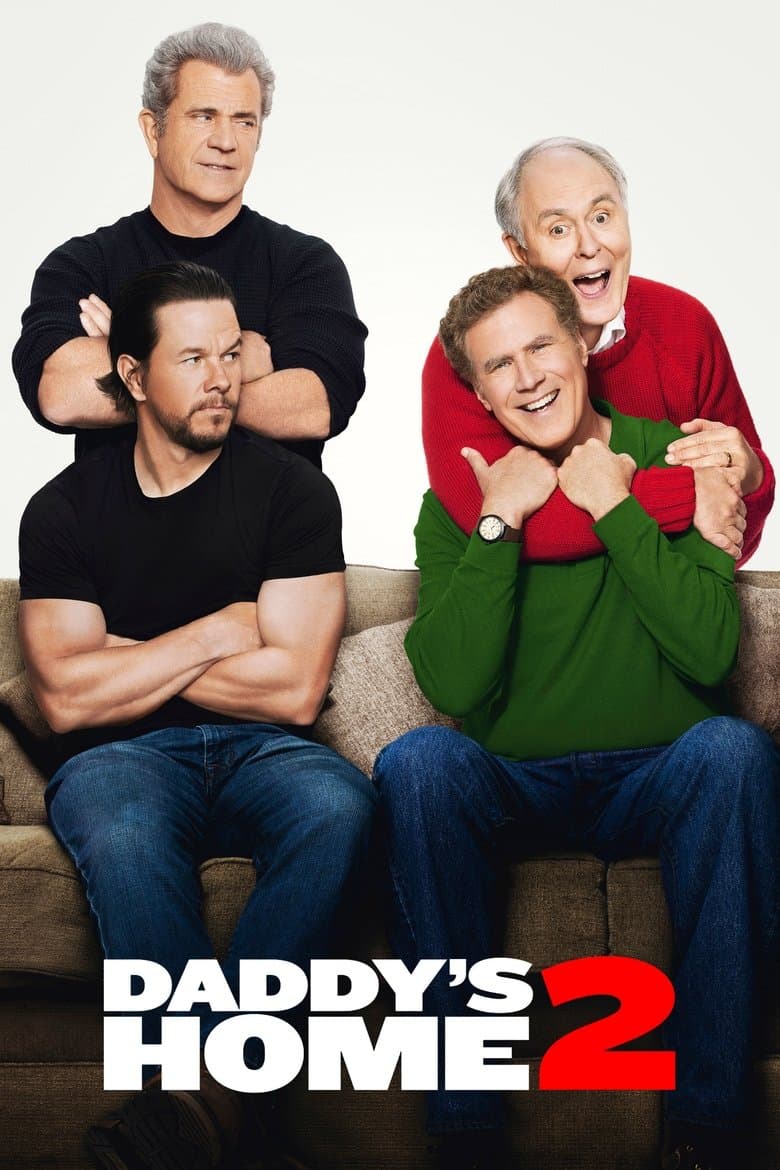
Daddy's Home 2 is a Christmas buddy comedy sequel about co-dads Brad and Dusty. They try to share a peaceful holiday with their kids after becoming a blended family. Then they host their own fathers, soft and huggy Don and macho Kurt, and the group ends up at a ski cabin resort. Clashes grow from different parenting styles and family friction across generations. The main story is about fathers, sons, and holiday chaos, not about race, sexuality, or big political systems.
What viewers can notice that leans progressive stays light and sits inside the jokes. Soft dad warmth and open affection are treated as the healthier path, while Kurt's old school macho pressure is framed as the problem that disrupts the peace. That contrast is mild cultural messaging about traditional manhood, not a hard attack on churches, markets, or the West as a whole. There is also a short mistletoe gag where a boy stands smiling in line to kiss preteen Dylan. That beat is a crude sight gag rather than a full queer plot, but it is the main clear LGBTQ moment on screen. Overall the film is co-parenting slapstick first, with only small progressive touches rather than a heavy agenda.
Community feedback
Was our 24% Woke rating accurate?
Breakdown
These are the editorial factors and ratings behind our score for Daddy's Home 2.
Woke representation / casting
The lead cast is mostly standard white male comedy stars, not a one-of-each diversity lineup. A short mistletoe gag puts a smiling boy in line to kiss preteen Dylan, which is the main queer-coded beat on screen. That joke is brief and crude, not a full queer hero role, but it still raises representation above zero. Other side casting stays glamorous or slapstick rather than identity-first casting.
14%
Woke political dialogue
Kurt makes crude and sexist cracks and mocks soft parenting. The family answers him in normal sitcom pushback. There are no activist speeches about race, privilege, or identity politics. Any politics stay light and easy to miss.
8%
Identity-driven story themes
The spine of the story is blended-family co-parenting, father and son resentment, and holiday peace. Soft versus hard masculinity runs through the plot as buddy-comedy contrast more than identity politics. Progressive co-dad life is treated as wholesome comedy, not a manifesto. The queer beat is a gag, not the theme that drives the movie.
18%
Western institutional / cultural critique
Macho old-school Kurt is framed as the problem who breaks the peace. Warmth, openness, and soft-dad care are shown as the healthier path. That is light cultural messaging about traditional manhood inside a comedy. It is not a broad attack on capitalism, whiteness, colonial guilt, or the church.
28%
Woke character or canon changes
Not relevant. This is an original-IP sequel with no race, gender, or identity swaps of established characters or source material.
0%
Anti-woke backlash and complaints
There was no real campaign claiming this film is DEI propaganda. The big fight was left-side anger over Mel Gibson’s casting, plus some content worries. A few right-leaning digs about soft men or divorce exist, but they are thin and not a major backlash pattern.
3%
Creator track record context
Cached scores put the writers low and the main producers only mildly liberal. Casting and script-supervision credits sit in the mid-teens without identity-advocacy records. The creative slate fits a mainstream studio family comedy, not an activist project for this title.
12%
Production
Movie · 2022
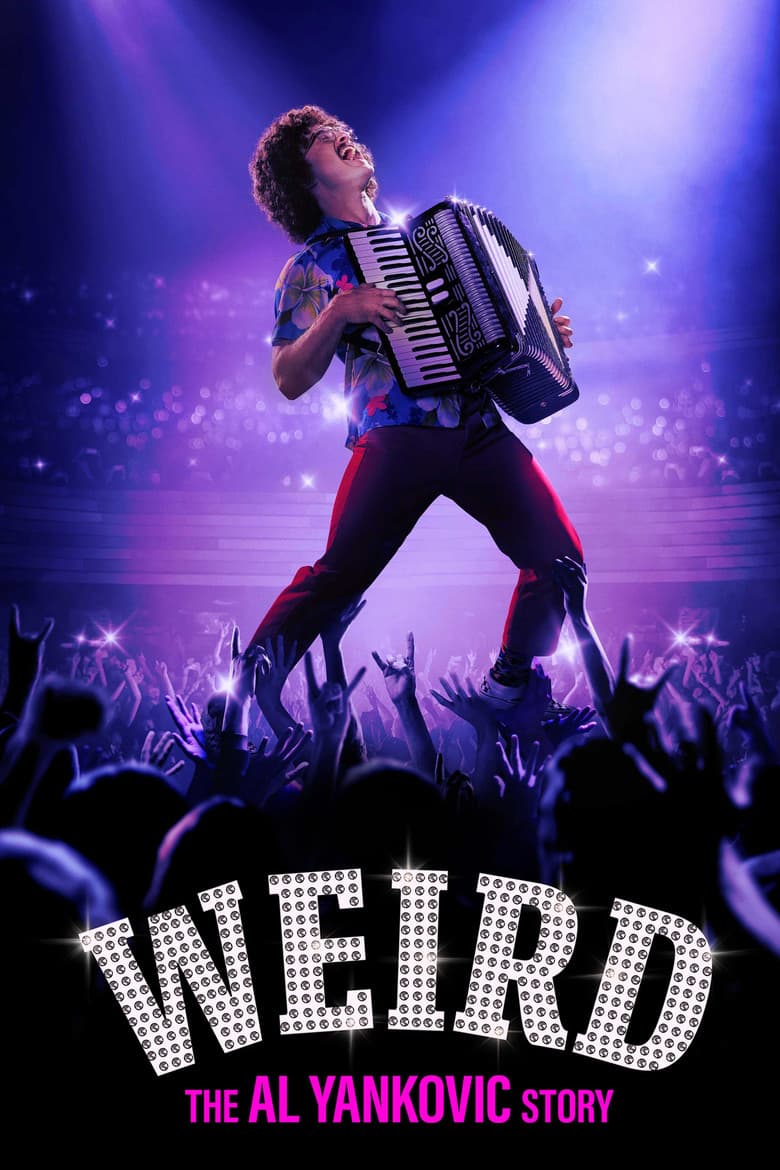
Exploring every facet of ‘Weird Al’ Yankovic’s life, from his meteoric rise to fame with early hits like ‘Eat It’ and ‘Like a Surgeon’ to his torrid celebrity love affairs and…
Movie · 2016
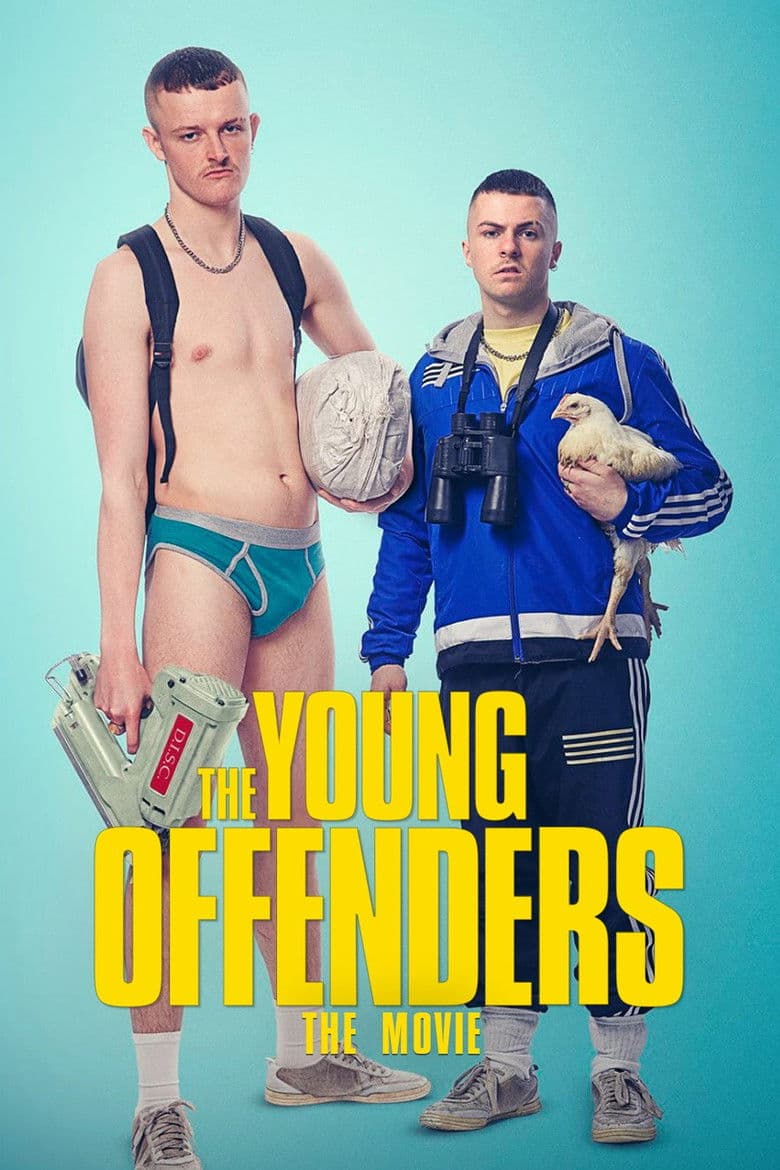
Two teenage boys from inner-city Cork steal bicycles and ride off on a 160km quest to find an unrecovered bale of cocaine worth 7,000,000 euros.
Movie · 2016
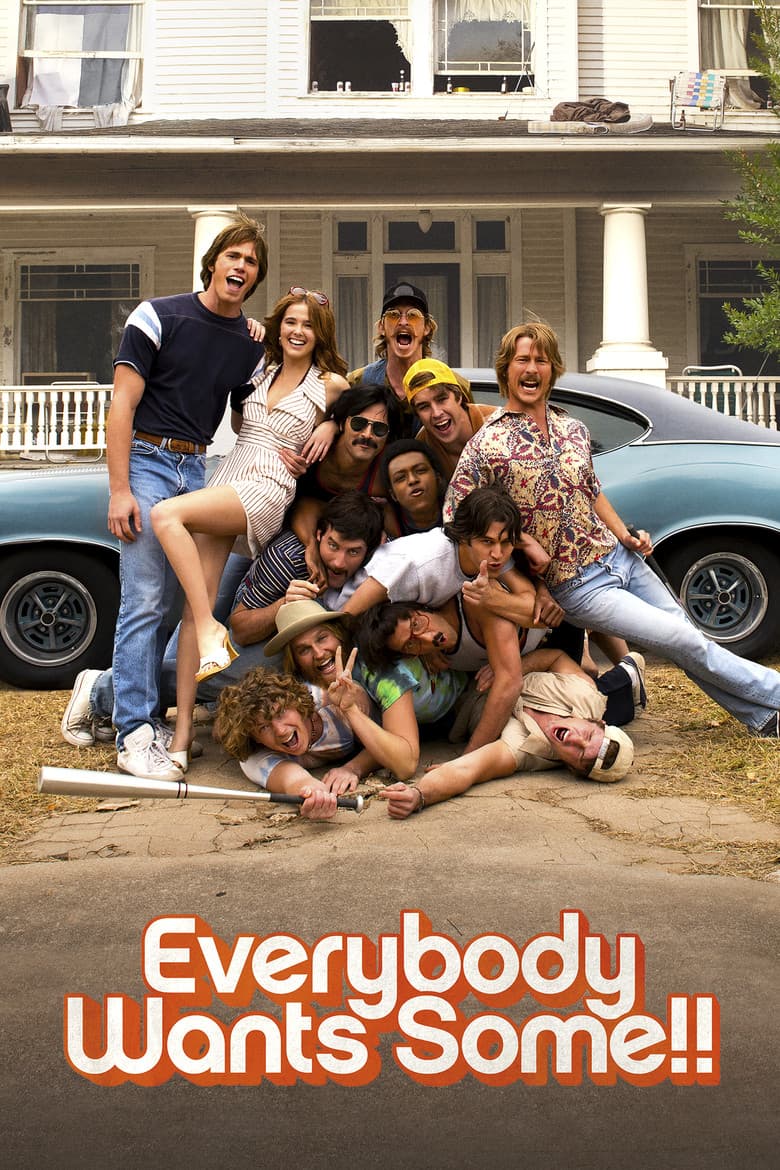
A comedy that follows a group of friends as they navigate their way through the freedoms and responsibilities of unsupervised adulthood.
Movie · 2024
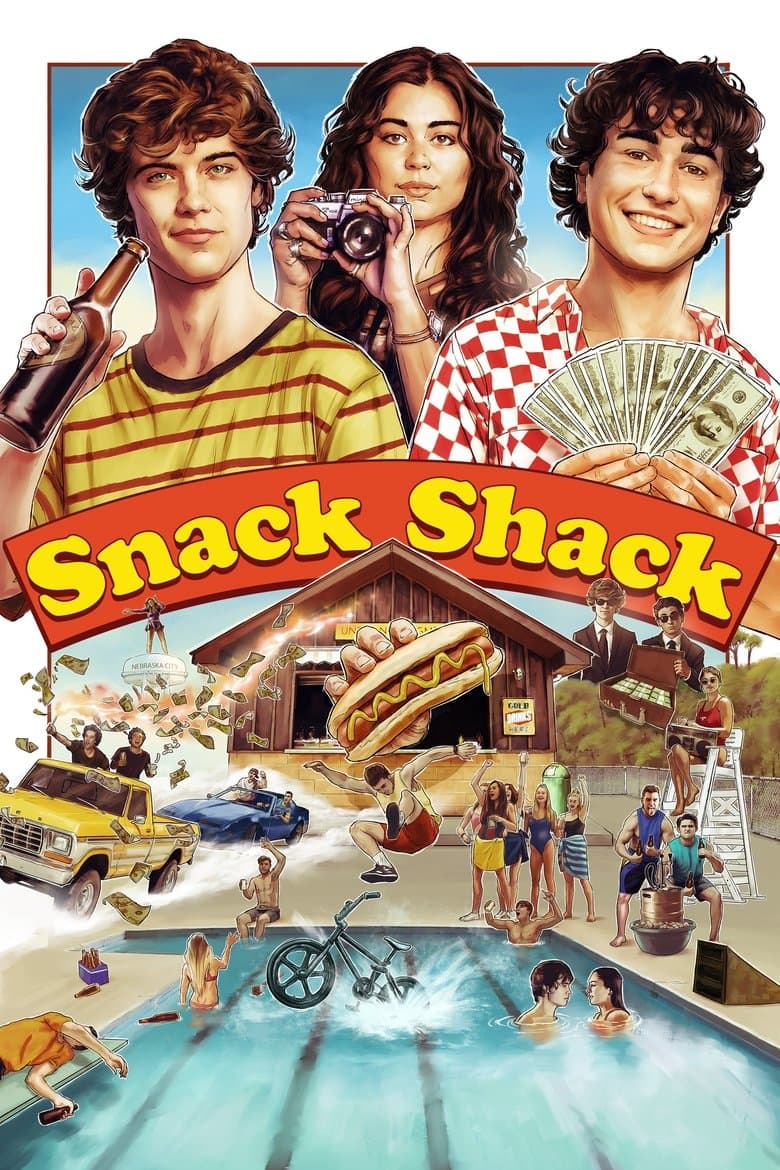
Inseparable best friends AJ and Moose decide to run the local pool's snack shack after their plan to sell home-brewed beer goes down the drain.
Movie · 2022
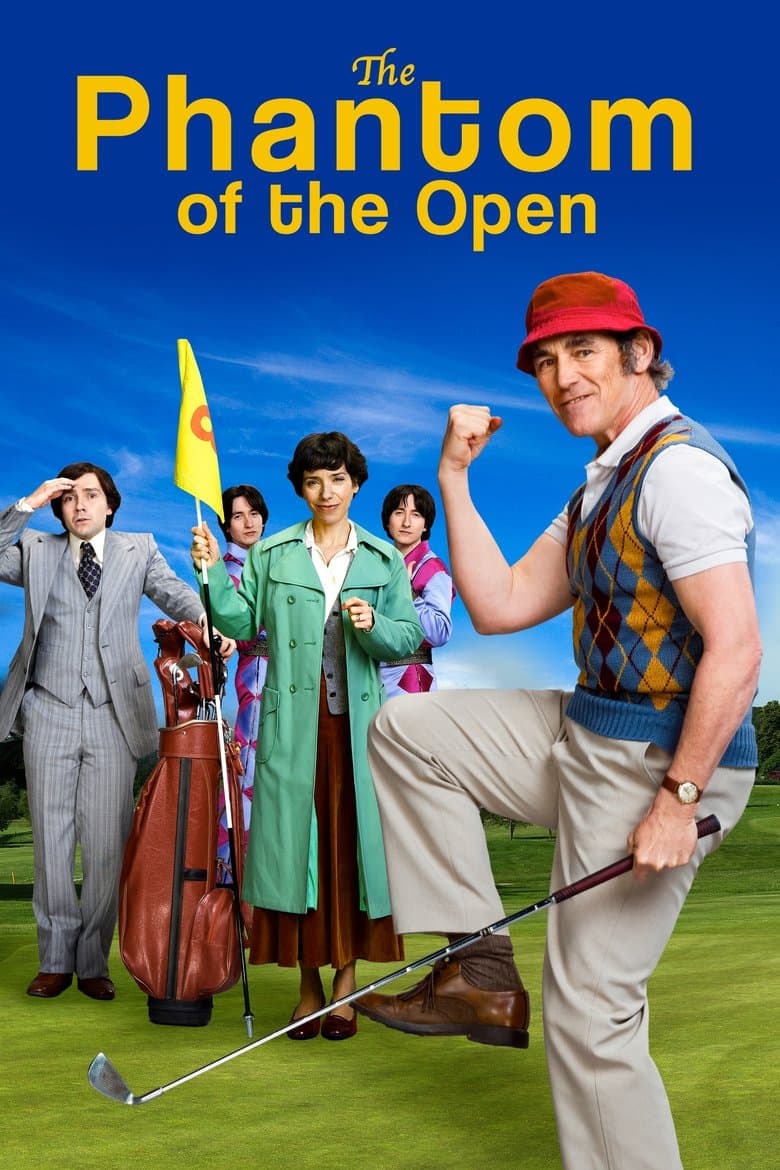
Maurice Flitcroft, a dreamer and unrelenting optimist, managed to gain entry to The British Open Golf Championship qualifying in 1976 and subsequently shot the worst round in Open…
Movie · 2023
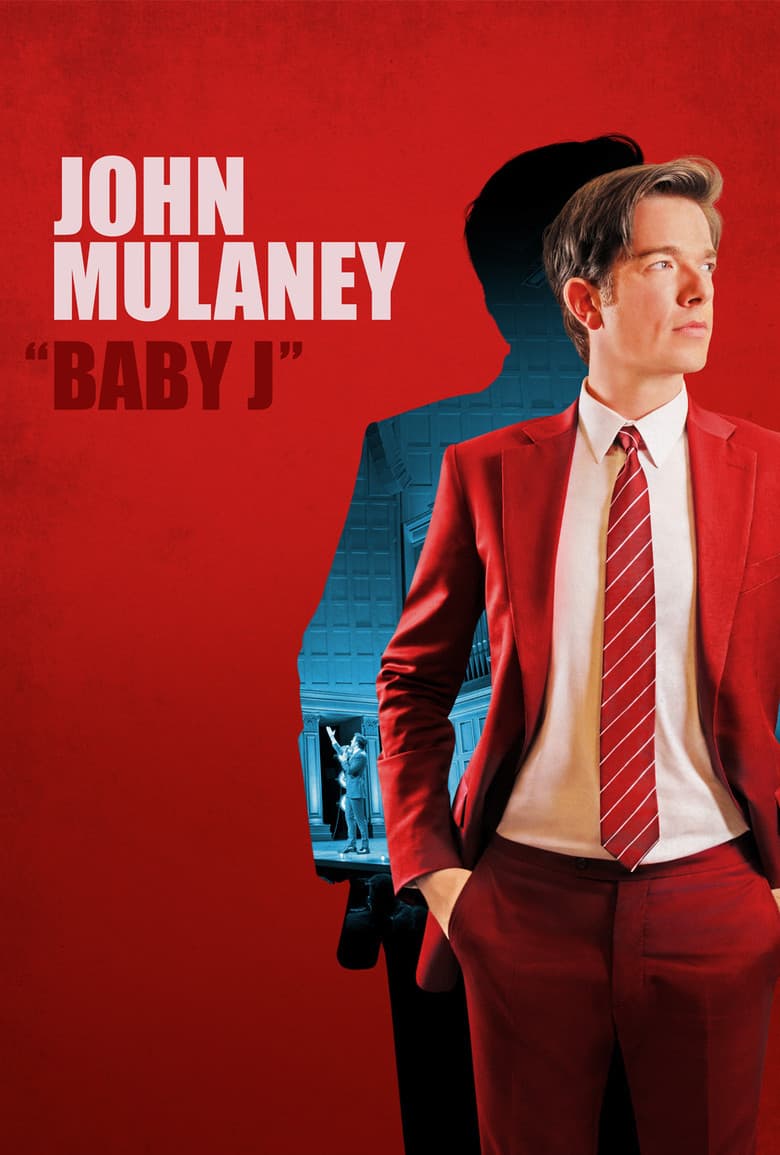
A chaotic intervention. An action-packed stay in rehab. After a weird couple of years, John Mulaney comes out swinging in his return to the stage.
Movie · 2023
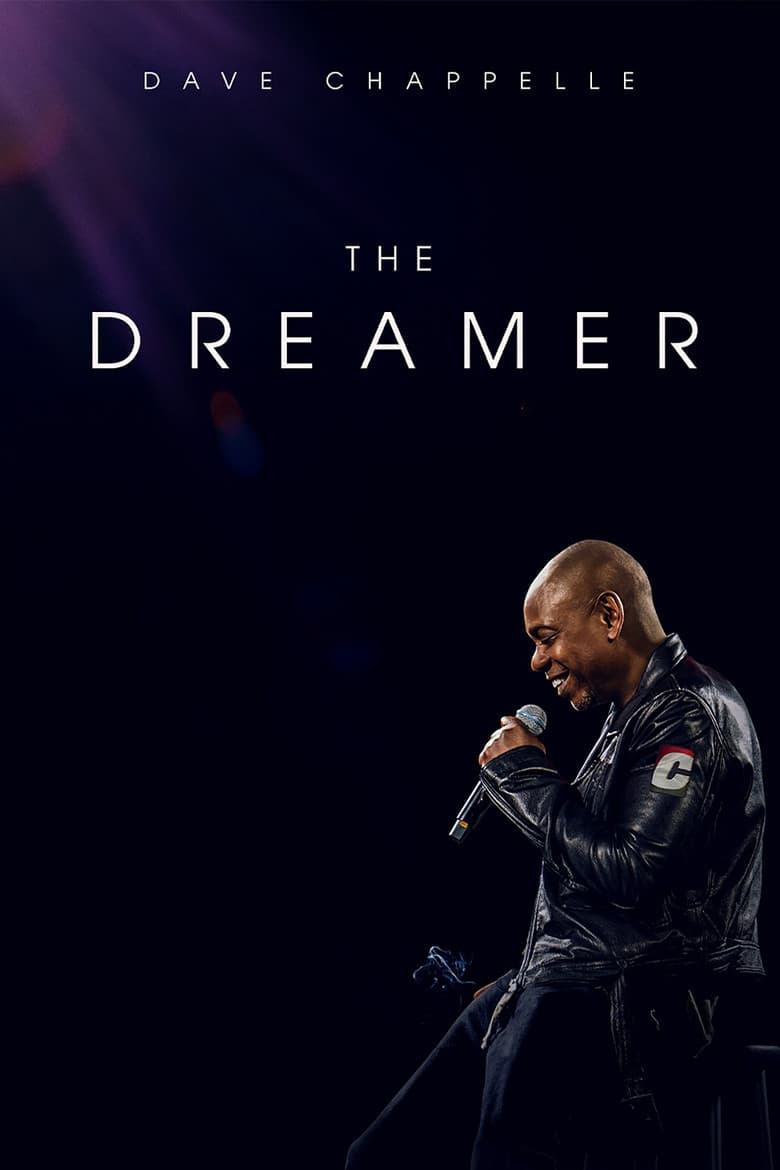
From his onstage tackle to the slap heard round the world, Dave Chappelle lets loose in this freewheeling and unfiltered stand-up comedy special.
Movie · 2018
Titu is going to marry a perfect woman named Sweety. Titu's best-friend Sonu doubts Sweety's character and tries to break the marriage while Sweety tries to do opposite and which…
