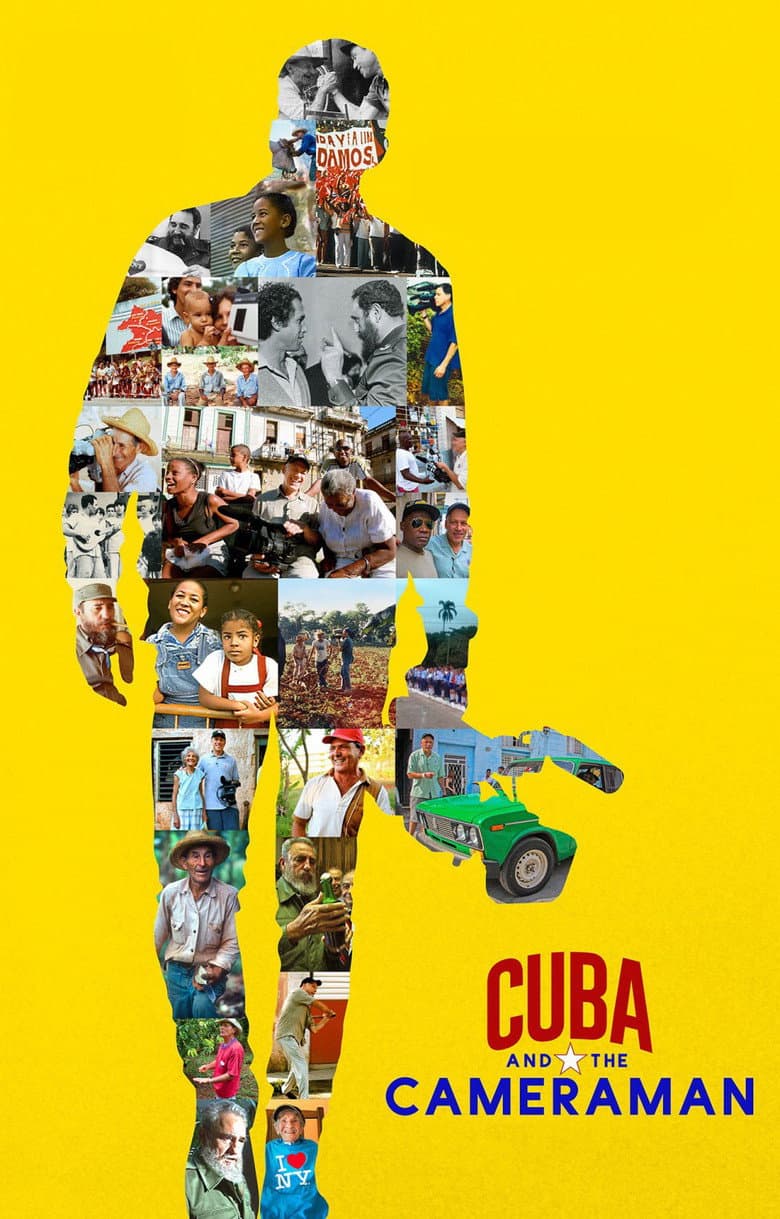
Jon Alpert is an American cameraman who keeps returning to Cuba from the 1970s through 2016. He follows Fidel Castro and three Cuban families as the island moves from early hope to shortages, fear, migration, and small private businesses. The families live through farm work, crowded homes, black-market trade, and state control. The tone is warm and personal, but it also shows hunger, broken services, arrests, and people who want to leave.
The main woke-related element is a clear socialist and anti-U.S. blockade viewpoint. Alpert presents free health care, free education, and housing as early successes of the Revolution, then asks viewers to compare those promises with American failures. The film gives Fidel Castro long, friendly interviews and keeps showing his humor and human side while showing the damage of his rule. The story is about political history and class, not race, gender, or queer identity, so its strongest concern is left-wing political framing rather than modern identity politics.
Community feedback
Was our 44% Woke rating accurate?
Breakdown
These are the editorial factors and ratings behind our score for Cuba and the Cameraman.
Woke representation / casting
Not present. The film follows real Cuban people and Fidel Castro instead of using a chosen cast. The subjects fit the setting and are not presented as a diversity message.
0%
Woke political dialogue
Alpert repeatedly presents free health care, free education, and housing as goals he admired. The film blames the U.S. blockade for part of Cuba’s hardship and shows Castro defending socialism. The film also includes lines about a police state, shortages, jail, and people trying to leave. The message is recurring and clear, but it is old-style socialist politics rather than modern identity activism.
42%
Identity-driven story themes
The film centers poor farmers, working people, and city residents hurt by shortages. Alpert treats public health, education, and housing as social goals. The story also shows the same system causing hardship, black-market work, prison, and migration. These class and welfare themes are noticeable, but race, sex, and queer identity do not drive the story.
14%
Western institutional / cultural critique
The film opens with Alpert’s complaints about New York hospitals, schools, and low-paid workers. The narrator contrasts those problems with Cuba’s early social programs and says the U.S. tried to weaken the island. The film later jokes that capitalism turned trained engineers into market sellers. This is a recurring anti-capitalist and anti-U.S. frame, but it is tied to Cold War history rather than current identity politics or attacks on family, faith, or gender.
36%
Woke character or canon changes
Not relevant. The film documents real people and historical events. It does not change a character’s race, sex, sexuality, or role.
0%
Anti-woke backlash and complaints
One audience reviewer calls the film an insult to people who fled Cuba and says Alpert praises Castro. A Cuban exile commentary calls the film dishonest because its warm view of Castro remains while the film shows Cuba’s failures. The supplied X pass found no anti-woke reaction. The backlash is limited and mainly anti-communist rather than focused on modern identity politics.
24%
Creator track record context
Jon Alpert’s past work centers poverty, war, state power, and community activism. Matthew O’Neill’s work often centers overlooked people, race, inequality, and social justice. The other listed producers have less direct public evidence of identity activism. The group creates a clear progressive and humanitarian backdrop, but not a strong modern DEI or queer focus.
37%
Production

Movie · 2017
While investigating the furtive world of illegal doping in sports, director Bryan Fogel connects with renegade Russian scientist Dr.

Movie · 2016
With never-before seen home video, this film recounts the paranoid downward spiral of John E. du Pont and the murder of Olympic wrestler Dave Schultz.

Movie · 2024
Christopher Reeve portrayed the Man of Steel in four Superman films and played dozens of other roles that displayed his talent and range as an actor, before being injured in a…
Movie · 2021
Bob Ross brought joy to millions as the world's most famous art instructor. But a battle for his business empire cast a shadow over his happy trees.
Movie · 2025
The individual journeys of the four members of the band, as they move through the music scene of the 1960s, playing small clubs throughout Britain and performing some of the…

Movie · 2018
A documentary about World War I with never-before-seen footage to commemorate the centennial of Armistice Day, and the end of the war.

Movie · 2020
With this inventive portrait, director Kirsten Johnson seeks a way to keep her 86-year-old father alive forever.
Movie · 2023
A courageous pastor uses his underground network to rescue and aid North Korean families as they risk their lives to embrace freedom.
