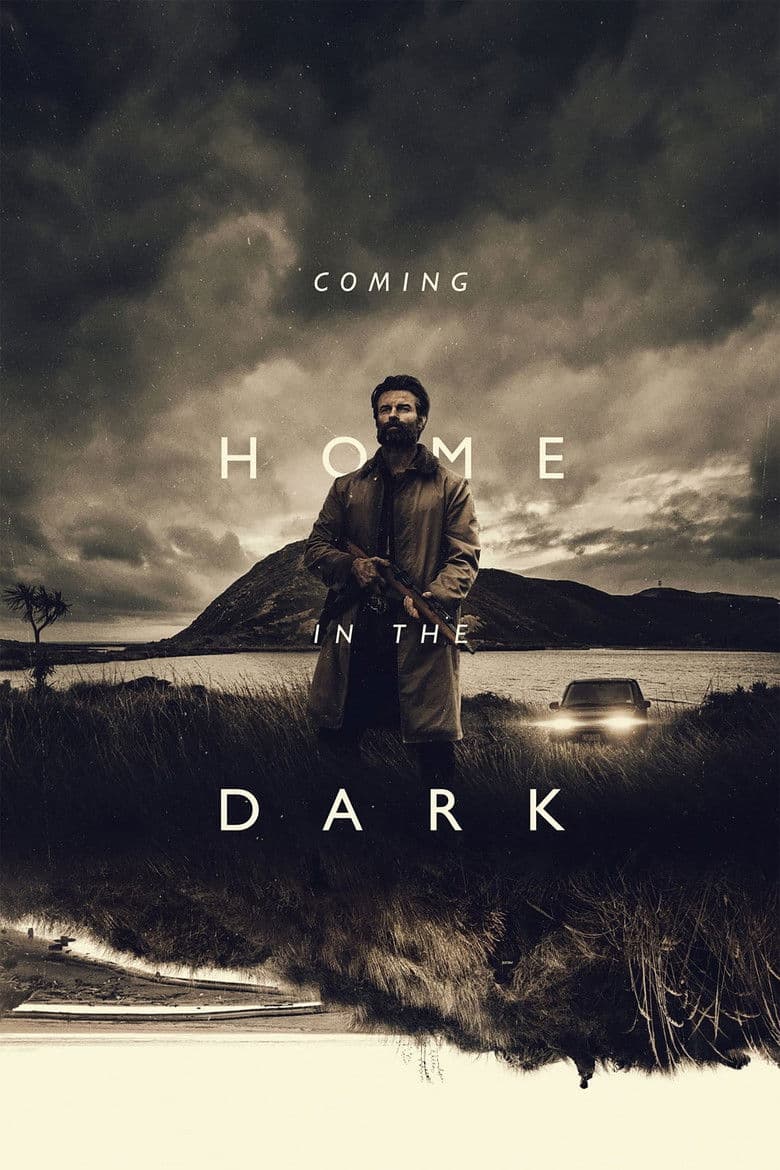
Alan “Hoaggie” Hoaganraad is a high school teacher taking his wife Jill and her two teenage sons on a trip through the lonely New Zealand countryside. Two drifters stop the family at a picnic, kill the boys, and force the parents into a night drive. The drifters know Hoaggie from his time at a boys’ home where children were abused. The film is harsh, tense, and bleak, and it keeps asking whether guilt can be escaped.
The film gives Jill and her sons Māori identities, while a Samoan actor plays one of the main attackers, making identity visible in the family and the violent pair. The story spends much of its time on abuse in state care, adult silence, and the damage that follows when people refuse to act. The film treats those failures as a serious social wrong, but it does not turn them into a long speech about present-day politics. The strongest woke signals come from the casting changes, the focus on Māori representation, and the attack on a state institution, while the main story remains a revenge thriller about guilt, trauma, and moral gray areas.
Community feedback
Was our 53% Woke rating accurate?
Breakdown
These are the editorial factors and ratings behind our score for Coming Home in the Dark.
Woke representation / casting
Jill and her two sons are Māori, while Hoaggie is played by a white actor. Tubs is played by Samoan actor Matthias Luafutu, adding another visible Pacific identity to the main cast. Ashcroft said he wanted audiences to see more Māori women in strong, heroic roles. The setting is modern New Zealand, so the casting is plausible, but the stated representation goal makes the signal more than ordinary background diversity.
43%
Woke political dialogue
A central stretch of dialogue has Mandrake press Hoaggie about the boys’ home and his failure to stop abuse. The film presents silence around child abuse as a serious moral failure. That talk is tied to past abuse and personal guilt rather than modern DEI, gender, or party politics. No activist slogans or identity speeches drive the movie.
22%
Identity-driven story themes
Jill and her two sons are Māori, and the film places their family inside a story about New Zealand state care. The attackers’ lives are tied to abuse at a boys’ home, and the film shows how that harm can shape later violence. The story raises identity and social-justice themes through Māori representation and institutional failure. It still focuses more on revenge, fear, and personal guilt than on present-day identity politics.
30%
Western institutional / cultural critique
The film portrays a state-run boys’ home as a place where adults allowed serious abuse to continue. It links the harm to adults who saw warning signs and did nothing. This is a clear attack on institutional failure, but it is tied to New Zealand’s past and does not attack Christianity, capitalism, family life, or men as a whole. The film’s main target is abuse and cowardice rather than Western culture.
30%
Woke character or canon changes
The original short story was described in coverage as an all-white story. The film changes Jill and her two sons into Māori characters and presents Tubs through a Samoan actor. Ashcroft said he wanted audiences to see more Māori women in strong, heroic roles and tied the choice to the history of state care. These identity changes are prominent, but the film also says the abuse affected children from many backgrounds.
55%
Anti-woke backlash and complaints
Not present. The supplied X pass found no anti-woke reaction, and web searches found no meaningful complaints that the film pushed DEI or identity politics. Public criticism focused on violence, pacing, and the story’s bleak moral questions.
0%
Creator track record context
James Ashcroft’s cached score is 43 because of his Māori theatre leadership and cultural representation work. Catherine Fitzgerald is cached at 50 and Desray Armstrong at 58 because of women’s and Indigenous screen support. Eli Kent and Owen Marshall are each cached at 11, while Mike Minogue is 0, with no strong activist pattern in their cached notes. The group gives this factor a mixed, moderate signal.
31%
Production

Movie · 2018
A thief makes a disturbing discovery in the house where he breaks in. Later, when he returns to the same house with his partner in crime, things are no longer how he expected.
Movie · 2024
Stranded in the open sea after a fatal accident, a young woman and her two friends are rescued by a fishing vessel's captain, unaware that the ship harbors a chilling secret.

Movie · 2016
A group of teens break into a blind man's home thinking they'll get away with the perfect crime. They're wrong.
Movie · 2023
During a stormy night in the Scottish Highlands, two criminal brothers on the run seek refuge in a desolate farmhouse.
Movie · 2018
Failed architect, engineer and vicious murderer Jack narrates the details of some of his most elaborately orchestrated crimes, each of them a towering piece of art that defines…

Movie · 2016
Newlyweds Claire and Ryan have just moved into a new house. Both are hoping Claire’s pregnancy will be the cement needed to hold their already fraying relationship together.
Movie · 2016
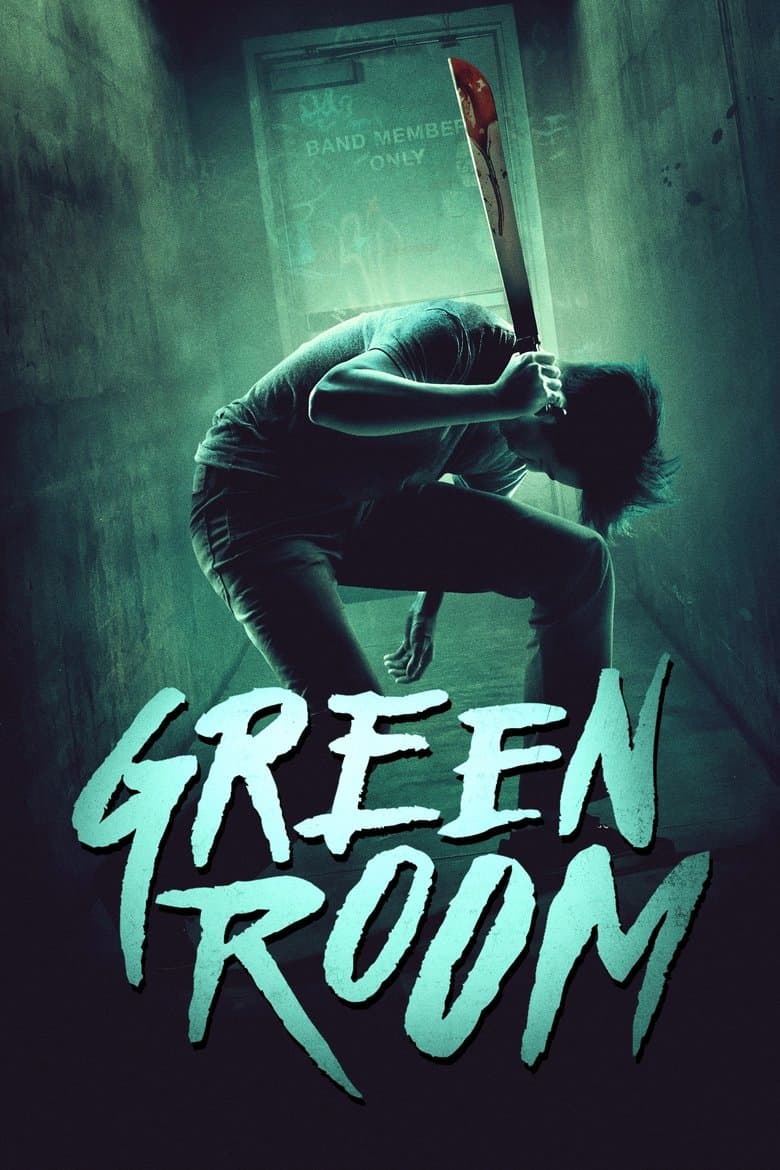
A punk rock band is forced to fight for survival after witnessing an act of violence at a skinhead bar.

Movie · 2019
A serial killer strikes fear in the hearts of residents of Hamburg during the early 1970s.
