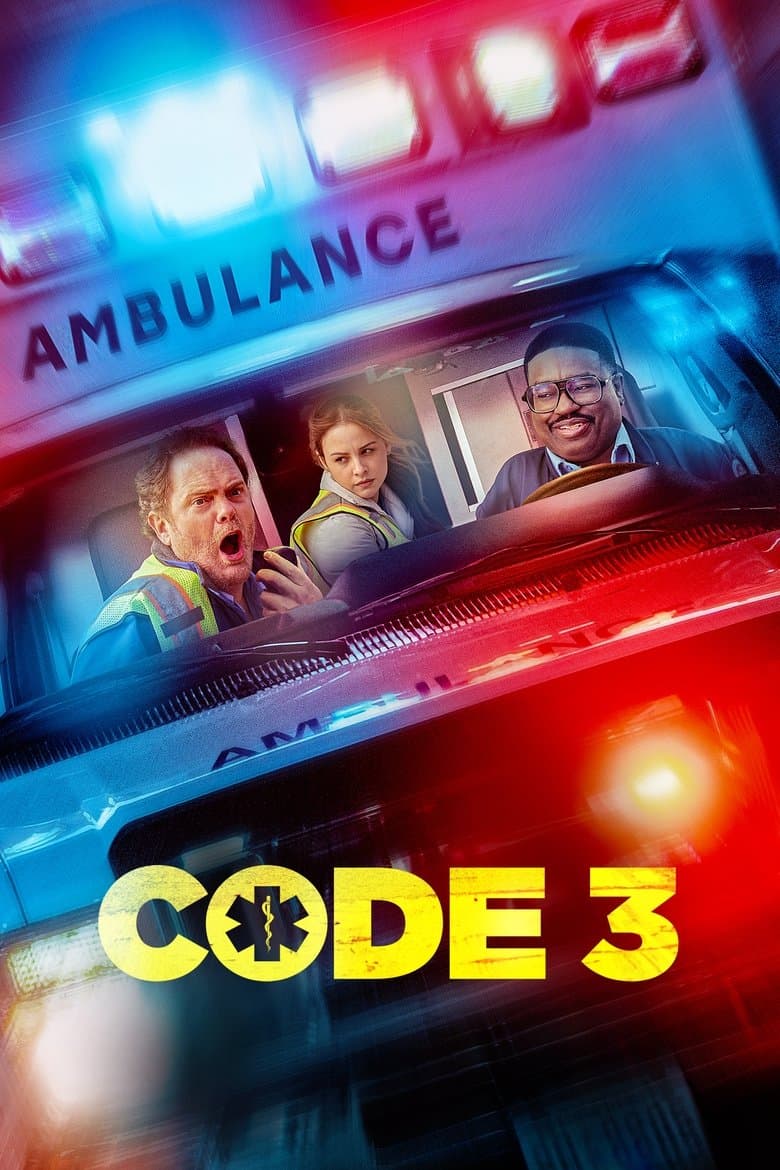
Randy is an 18-year veteran paramedic in Los Angeles who is ready to quit after years of stress and grief. During his final 24-hour shift, he and his partner Mike must train Jessica, an eager new recruit. The calls move from drug overdoses and strange repeat patients to a deadly crash and a tense mental health emergency. The movie mixes harsh medical images, crude jokes, fast action, and serious scenes about burnout.
The film repeatedly shows EMS workers as underpaid and trapped by paperwork, hospital rules, insurance limits, and low public respect. Randy says the health care system is broken, and another scene shows a patient's medicine running out before the month ends. A major call presents a black man in a mental health crisis as being in danger from police who see him as a threat, while the medics try to calm him. These points give the movie a clear but limited modern system and race message, while the main story remains a workplace drama about whether Randy can keep caring.
Community feedback
Was our 44% Woke rating accurate?
Breakdown
These are the editorial factors and ratings behind our score for Code 3.
Woke representation / casting
The central team places a black man, a Latina woman, and a White man in major paramedic roles. A black woman also supervises the EMS unit. The film does not present these choices as a diversity goal, so the visible representation signal remains low.
18%
Woke political dialogue
Randy repeatedly says that the health care system is broken and that paramedics are trapped by paperwork, weak pay, and hospital rules. Mike explains that an insurance limit leaves a mentally ill patient without enough medicine for the month. The film also shows medics warning that police may shoot a black patient during a crisis. These lines create recurring social criticism without turning into party politics.
37%
Identity-driven story themes
The story makes mental illness, medicine access, and race part of one major call. The patient is a black man, and the medics try to protect him from armed officers who read his crisis as a threat. The film treats calm care as better than force. The rest of the story focuses on burnout, grief, and emergency work, so identity politics remains a limited subplot.
30%
Western institutional / cultural critique
The movie repeatedly attacks the modern health care system through hospital paperwork, insurance limits, medical bills, and low EMS pay. Randy connects health care to insurance and money, while his job leaves him mentally and physically worn down. The mental health call also shows police and medical systems working badly together. This critique shapes Randy's burnout and return to the job, but it does not target Christianity, family life, or conservative politics.
46%
Woke character or canon changes
Not relevant. The film is an original story based on a former paramedic's short story. It does not change an established character, canon, or historical figure.
0%
Anti-woke backlash and complaints
Not present. The supplied X pass found no anti-woke posts. Web discussion showed ordinary praise, EMS talk, and a few comments about realism rather than a real backlash.
0%
Creator track record context
Justin Baldoni has recurring public work about masculinity, gender roles, and equality. Lil Rel Howery has supported Black Lives Matter, while Rainn Wilson and Steve Sarowitz have supported climate, civil-rights, or humanitarian causes. The writers have no strong qualifying record in the supplied context. These links add mild context, but they do not control the film's main subject.
24%
Production

Movie · 2018
William has failed to kill himself so many times that he outsources his suicide to aging assassin Leslie. But with the contract signed and death assured within a week (or his…
Movie · 2017
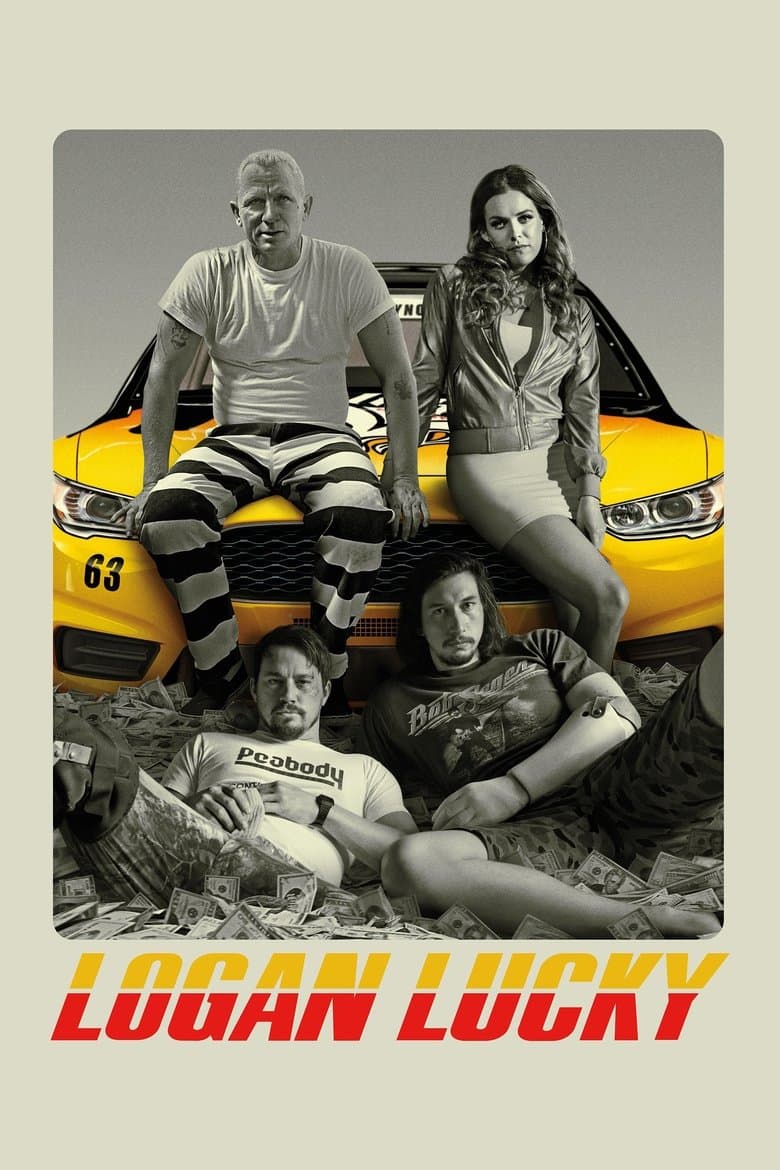
Trying to reverse a family curse, brothers Jimmy and Clyde Logan set out to execute an elaborate robbery during the legendary Coca-Cola 600 race at the Charlotte Motor Speedway.
Movie · 2020
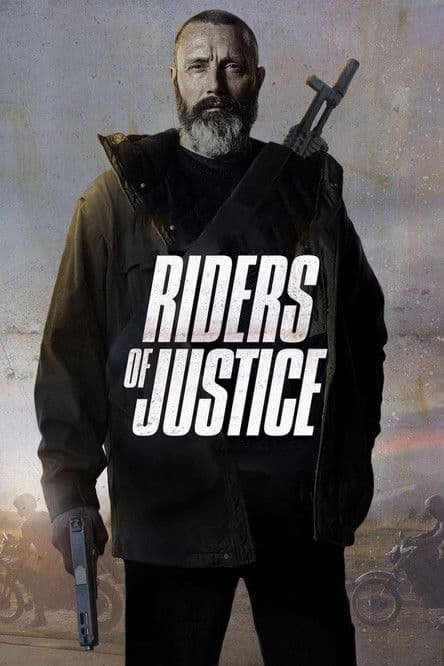
Markus returns home to care for his daughter when his wife dies in a tragic train accident. However, when a survivor of the wreck surfaces and claims foul play, Markus suspects…
Movie · 2025
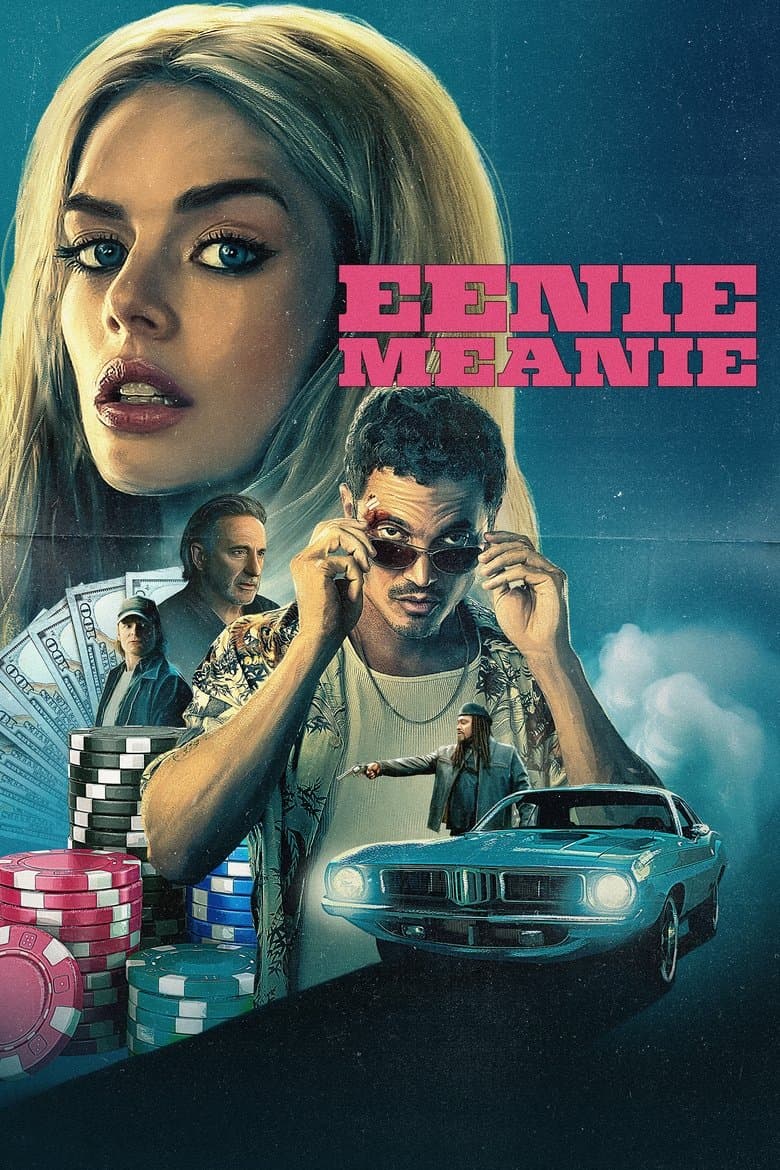
A former teenage getaway driver gets dragged back into her unsavory past when a former employer offers her a chance to save the life of her chronically unreliable ex-boyfriend.
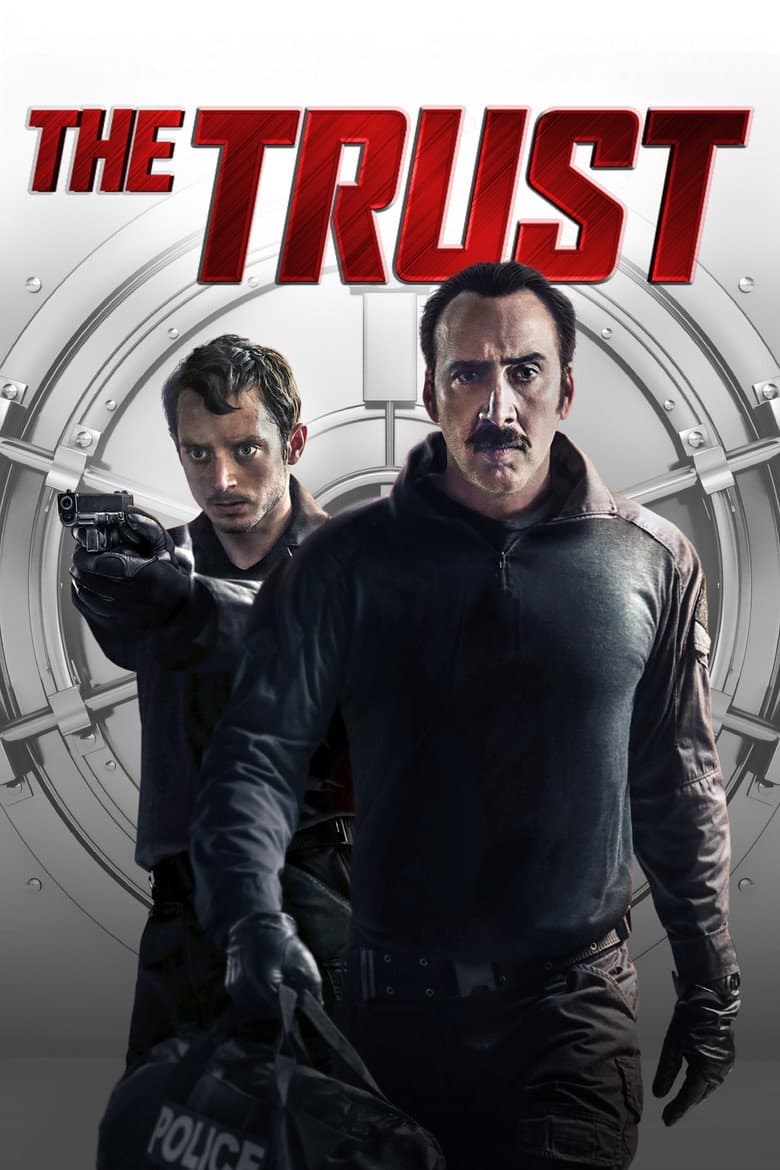
Movie · 2016
A pair of cops investigating a drug invasion stumble upon a mysterious bank vault.
