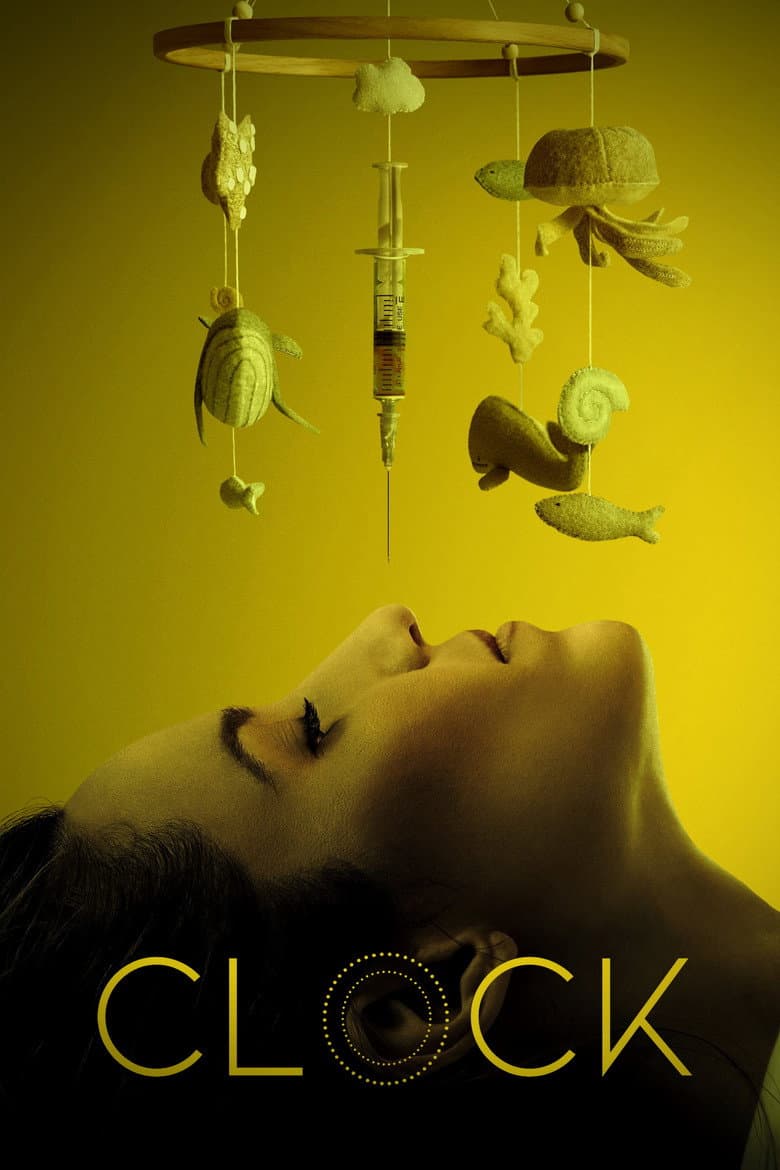
At 37, Ella Patel has a successful design career, a loving husband, and no wish to become a mother. Her pregnant friends, her father, and her husband keep pushing her toward having a child. Ella enters a strange clinic that promises to repair her missing desire with drugs and an implant. The treatment brings harsh body horror, frightening visions, and a slow loss of control.
The whole story treats the demand that every woman should want children as a threat to Ella's freedom and health. Her husband secretly steers her into the clinic, and the story shows his choice as a deep betrayal. Ella's Jewish family history adds pressure to continue her family line, while her mixed marriage and a pregnant black friend with a wife add clear diversity. These themes shape nearly every major conflict, so the message about women's choice is central and easy to notice.
Community feedback
Was our 75% Woke rating accurate?
Breakdown
These are the editorial factors and ratings behind our score for Clock.
Woke representation / casting
Ella is Jewish, and her husband is of Indian heritage, making the lead marriage interracial. Ella's pregnant black friend has a wife. The visible mix covers race, faith, and sexuality in a small cast. Ella's Jewish family history matters to the plot, but the other identity choices make representation easy to notice.
34%
Woke political dialogue
Characters repeatedly tell Ella that a woman should want children and that her family line depends on her. Ella and the clinic discuss her lack of desire as if it is something broken. The story uses these talks to support a woman's right to choose her own life. The movie does not use party names, laws, activist labels, or long political speeches.
28%
Identity-driven story themes
Ella's choice not to become a mother drives the full story. Friends, her father, her husband, and doctors push her to fit a traditional female role. The treatment turns that pressure into body horror and destroys her work, marriage, family, and grip on reality. The story clearly supports a woman's right to reject motherhood, so the identity message is central from start to finish.
82%
Western institutional / cultural critique
The movie treats the common idea that every woman should want children as harmful. Aidan hides his wish for a baby and secretly sends Ella toward a clinic that tries to change her mind. Ella's father uses family duty and Holocaust survival to press her to continue the family line. The story presents family pressure, male control, and medical control of women's choices as forces that ruin her life.
74%
Woke character or canon changes
Not relevant. The film is an original story and does not remake an established character, source, or real person.
0%
Anti-woke backlash and complaints
One Reddit commenter called the movie the “most woke atheist movie” and dismissed it as trash. The comment gave no examples, and another user questioned the atheist label. No wider anti-woke campaign or major right-leaning coverage was found, so the complaint appears isolated.
8%
Creator track record context
Alexis Jacknow's cached profile shows a mild women-centered record and a public call for female directors to support each other. Casting director Brittani Ward openly favors racially diverse casting. Producer Jenna Cavelle has a strong record of helping female, BIPOC, and LGBTQ+ filmmakers. The other listed producers have low to mild cached scores, which keeps the overall context moderate.
34%
Production
Movie · 2024
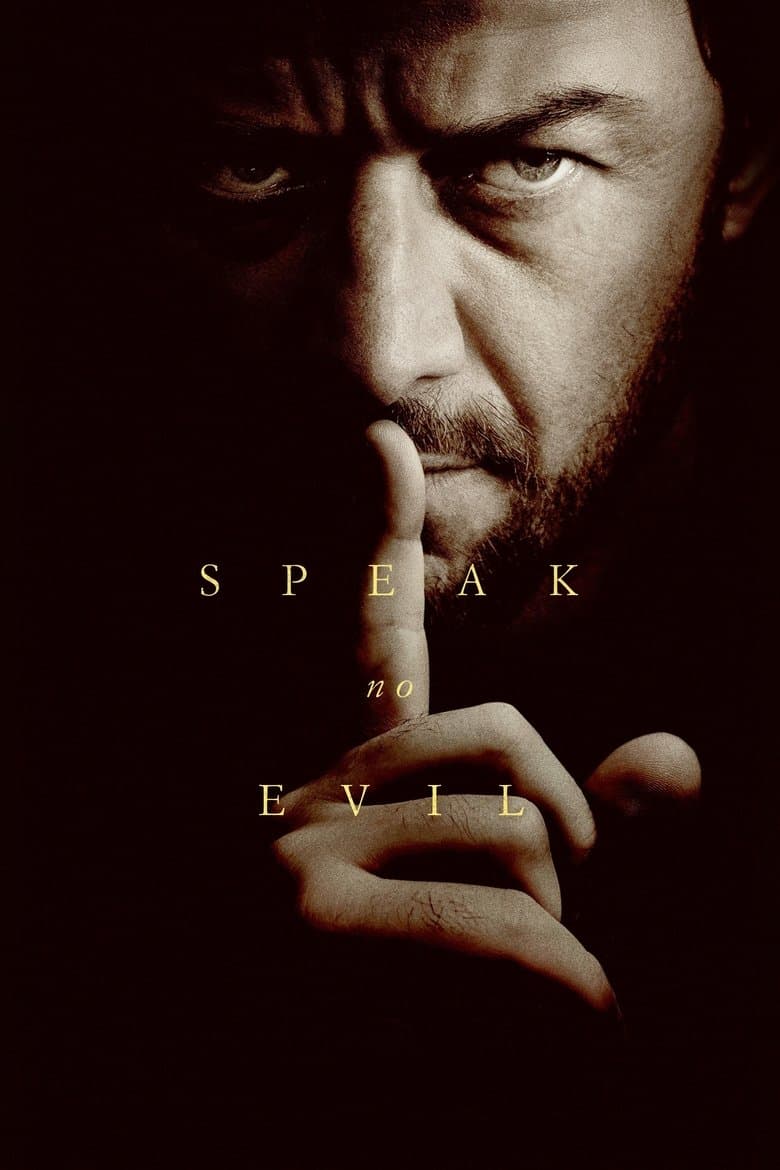
When an American family is invited to spend the weekend at the idyllic country estate of a charming British family they befriended on vacation, what begins as a dream holiday soon…

Movie · 2025
When Polly receives a mysterious box, it comes with one rule: place inside something she needs, something she hates, and something she loves.

Movie · 2024
In 1980s Hollywood, adult film star and aspiring actress Maxine Minx finally gets her big break. But as a mysterious killer stalks the starlets of Hollywood, a trail of blood…

Movie · 2024
A grieving woman in a secluded forest encounters a killer who injects her with a paralytic drug. As her body shuts down, her fight for survival begins.
Movie · 2021
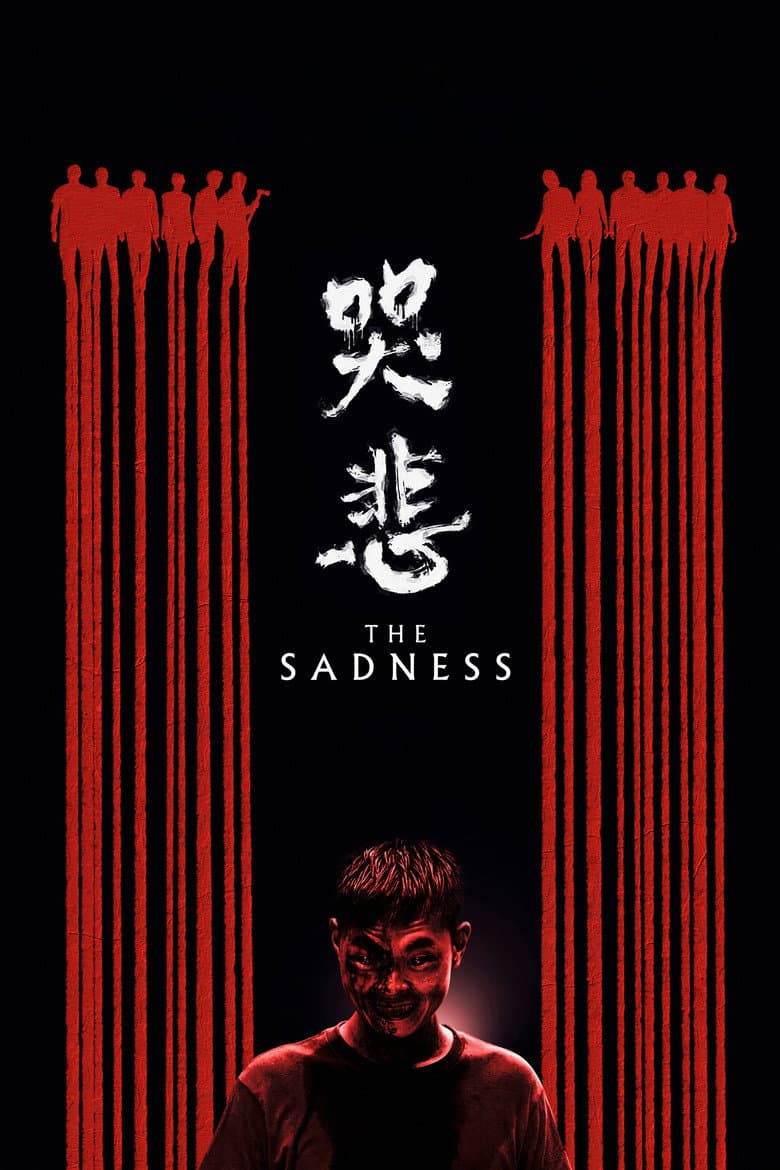
A young couple is pushed to the limits of sanity as they attempt to be reunited amid the chaos of a pandemic outbreak.
Movie · 2024
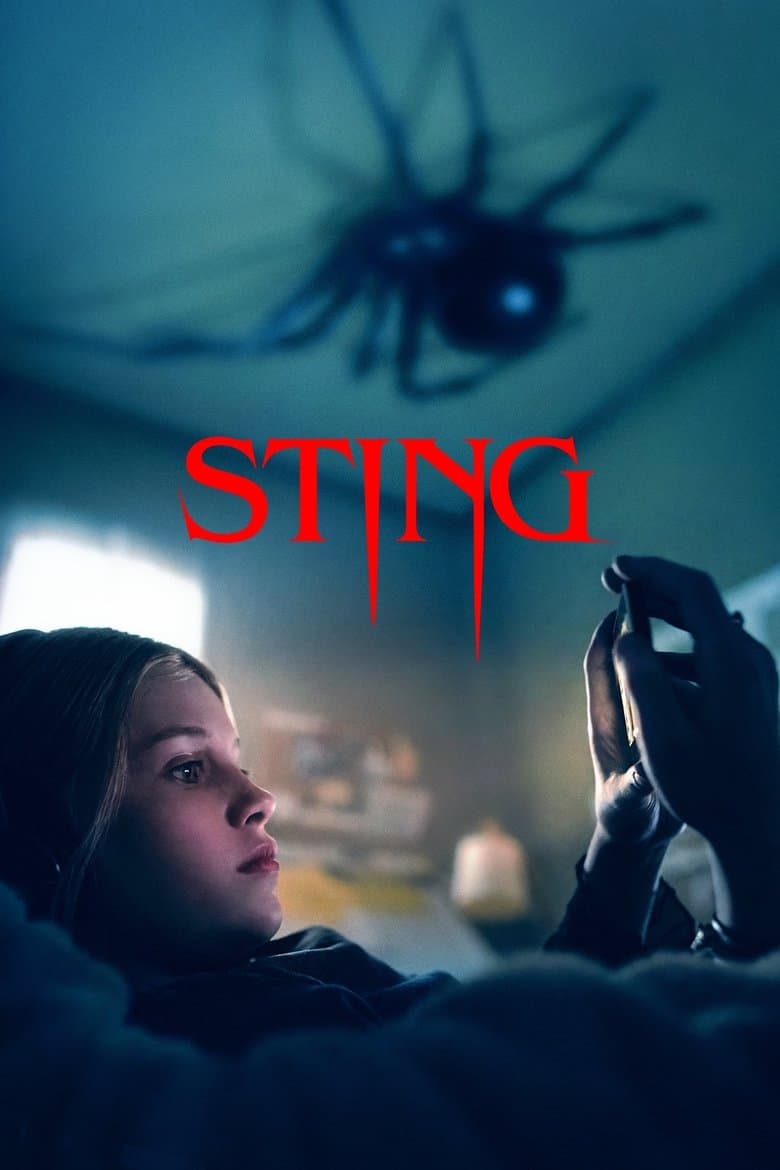
After raising an unnervingly talented spider in secret, 12-year-old Charlotte must face the truth about her pet and fight for her family's survival.
Movie · 2025
Two parents enter a race against time when they receive a distressing late-night phone call from their daughter after she caused a tragic car accident.
Movie · 2019
When a 12-year-old boy goes missing at a local park, a detective investigates the case to help the boy's family find answers.
