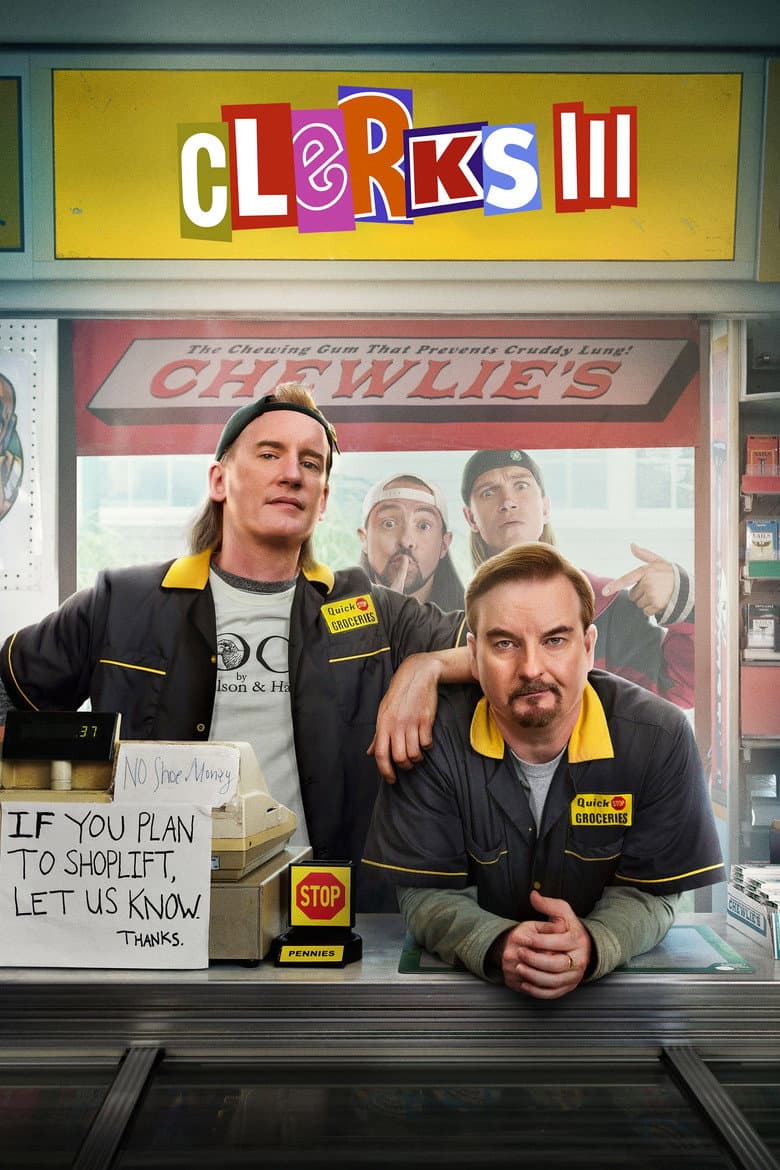
Randal Graves survives a massive heart attack while working at the Quick Stop in New Jersey. He decides that he and his old friend Dante Hicks should make a movie about their years behind the counter. The project brings back Elias, Jay, Silent Bob, and many old customers, but Randal's control causes fights with Dante. The film mixes dirty jokes and pop-culture talk with grief, friendship, aging, and the fear of dying.
The film contains a short religious argument in which Randal calls Jesus "woke" and mentions Alexandria Ocasio-Cortez while joking with Elias. Elias also moves from Christian belief to Satanism after blaming prayer for Randal's heart attack, and the movie keeps using Heaven and Jesus for comedy. These moments make Christianity a target of rough jokes, but they stay inside a personal story about two aging friends. The main emotional story follows Dante as he carries the loss of Becky and their unborn daughter, while Randal learns that making the movie cannot save every part of his past.
Community feedback
Was our 13% Woke rating accurate?
Breakdown
These are the editorial factors and ratings behind our score for Clerks III.
Woke representation / casting
Not present. The returning cast is led by the same friends from the earlier films, with supporting roles that fit the modern New Jersey setting. The film does not present casting as a diversity or empowerment statement.
0%
Woke political dialogue
The film has a short argument where Randal calls Jesus "woke" and names Alexandria Ocasio-Cortez. Randal uses the line to mock Jesus while arguing with Elias about faith and comic-book gods. The joke appears in one early exchange and does not guide the rest of the story.
12%
Identity-driven story themes
Not present. The story centers on aging, friendship, grief, and the wish to leave something behind. Elias's move from Christian belief to Satanism is a religious joke tied to Randal's heart attack, not a modern identity or representation theme.
0%
Western institutional / cultural critique
The film repeatedly uses Christian belief as a target for crude jokes. Randal mocks Jesus, prayer, Heaven, and Elias's Christian Crypto Club, while Elias later calls himself a Satanist. The jokes are brief and personal, and the film does not build a wider attack on family, men, work, or Western institutions.
10%
Woke character or canon changes
Not relevant. The sequel changes Elias's religion and gives Dante a tragic family history, but both changes serve the plot. The film does not recast or rewrite a known character for identity or DEI messaging.
0%
Anti-woke backlash and complaints
Not present. No clear title-specific anti-woke backlash is supported. A few online comments worried that Kevin Smith had become "woke" or asked that the film not be "too woke," but they named no specific scene, casting choice, or story message.
0%
Creator track record context
Kevin Smith has a low recorded woke score of 23/100 and no documented history of political activism or identity-driven public work. The listed producers have recorded scores from 0 to 29 and no strong activist or DEI profile. Title interviews focus on Smith's heart attack, grief, friendship, and moviemaking rather than diversity or social-justice goals.
20%
Production
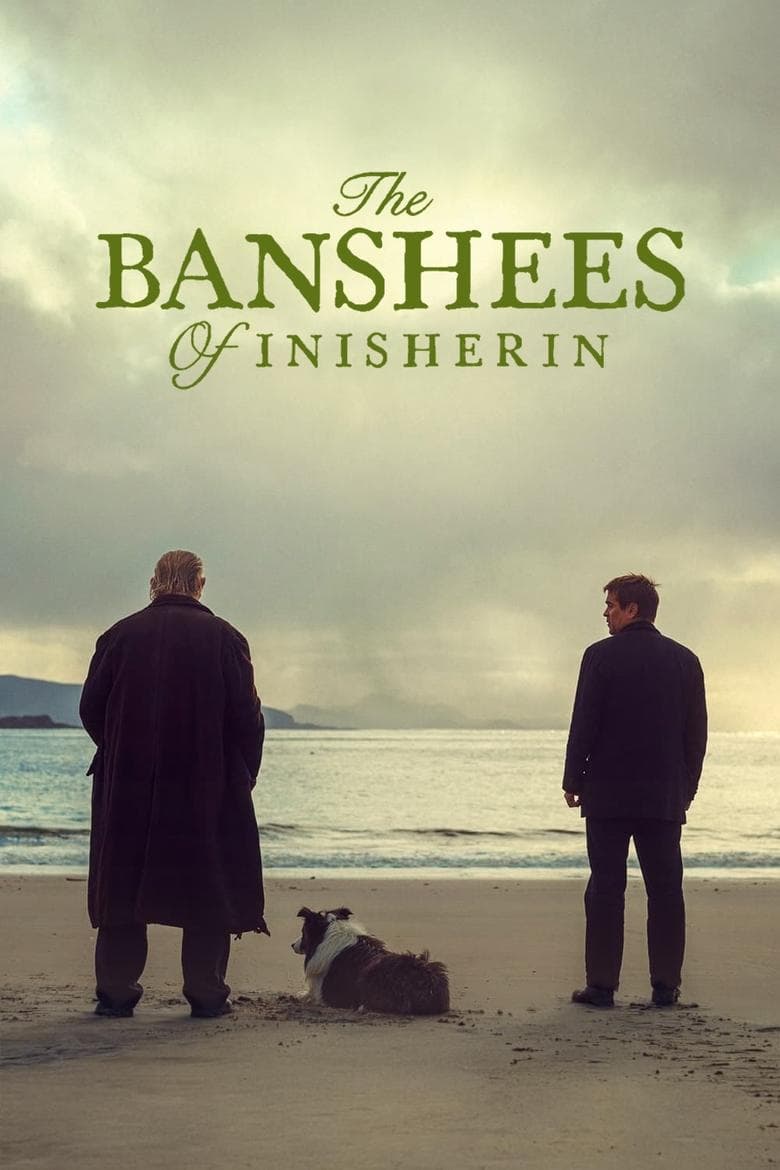
Movie · 2022
Two lifelong friends find themselves at an impasse when one abruptly ends their relationship, with alarming consequences for both of them.
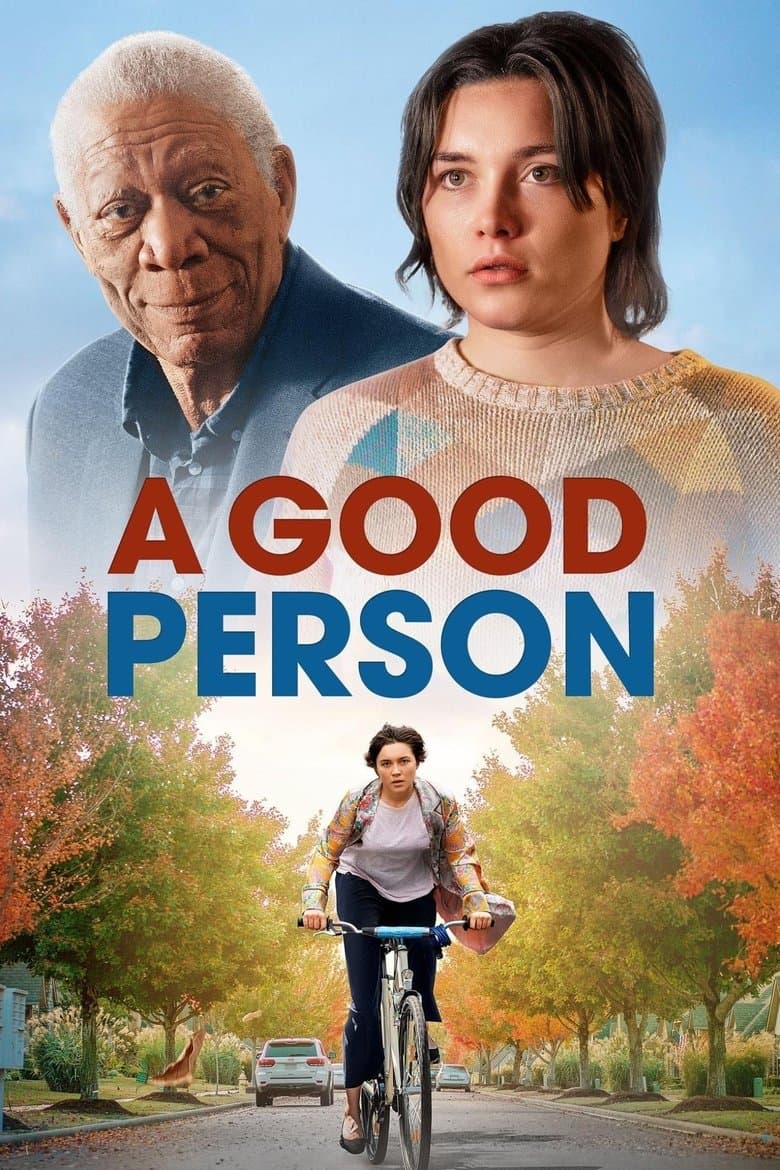
Movie · 2023
Allison's life falls apart following her involvement in a fatal accident. The unlikely relationship she forms with her would-be father-in-law helps her live a life worth living.
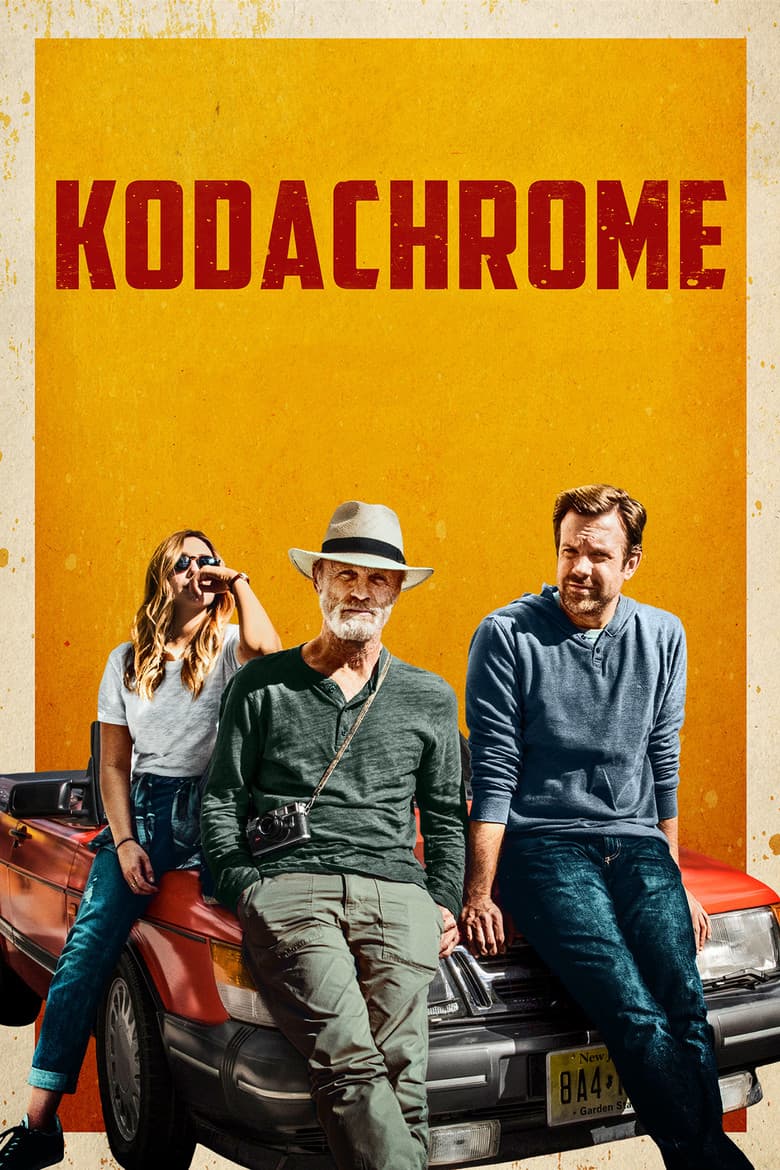
Movie · 2017
Matt Ryder is convinced to drive his estranged and dying father Benjamin Ryder cross country to deliver four old rolls of Kodachrome film to the last lab in the world that can…

Movie · 2019
An unlikely friendship between two neighbors becomes an unexpectedly emotional journey when the younger man is diagnosed with terminal cancer.

Movie · 2023
Single mom Flora is at a loss about what to do with her rebellious teenage son, Max. Her efforts to keep him out of trouble lead to a beat-up acoustic guitar, a washed-up LA…
Movie · 2020
Scott has been a case of arrested development ever since his firefighter father died when he was seven. He's now reached his mid-20s having achieved little, chasing a dream of…

Movie · 2016
An improv group deals with several crises, including the loss of their lease and one member hitting the big time.
Movie · 2017
Brigsby Bear Adventures is a children's TV show produced for an audience of one: James. When the show abruptly ends, James's life changes forever, and he sets out to finish the…
