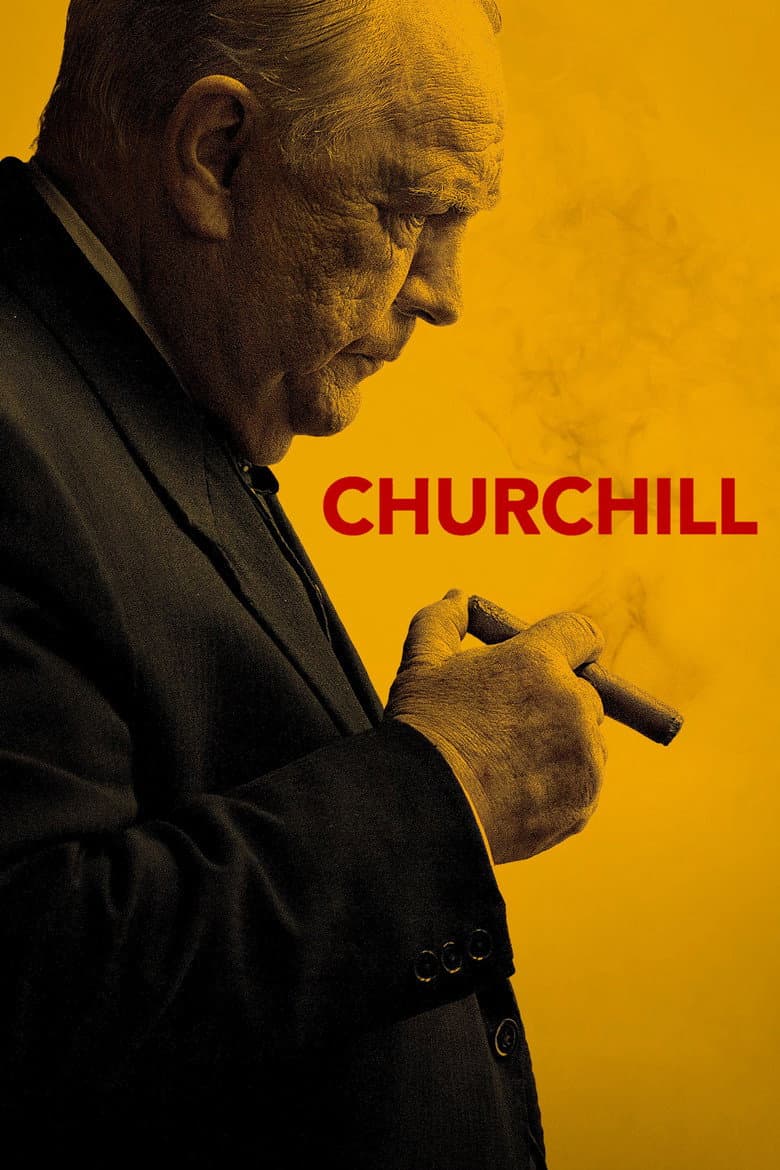
Churchill follows Winston Churchill during the four days before the D-Day landings in June 1944. Allied troops wait on the coast while the tired prime minister argues that the plan could repeat the slaughter of Gallipoli. His fear, depression, pride, and need to control his place in history push him into fights with Eisenhower, Montgomery, and King George VI. The drama stays in offices, homes, and dark rooms, so the tone is tense, troubled, and often severe.
The film presents Churchill as a famous leader who has lost much of his power and cannot trust his own judgment. Clementine Churchill becomes his calm anchor, challenges his anger, and helps him return to his duty. Their marriage becomes a key part of his recovery as the story moves between public duty and private pain. The main themes are the cost of war, the weight of past mistakes, aging, marriage, and the gap between a public hero and a frightened private man.
Community feedback
Was our 4% Woke rating accurate?
Breakdown
These are the editorial factors and ratings behind our score for Churchill.
Woke representation / casting
Not present. The main roles use white actors for British, American, and South African wartime figures in a 1944 setting. Clementine is shown as Churchill’s wife, and Helen is shown as a secretary, without diversity-first or identity-framed casting.
0%
Woke political dialogue
Not present. The dialogue focuses on D-Day, Gallipoli, duty, military plans, and the cost of war. The film does not use modern identity, DEI, gender activist, or current political talking points.
0%
Identity-driven story themes
Not present. The story centers on Churchill’s fear, depression, aging, marriage, and military judgment. Clementine has an important support role, but the film does not make identity politics or representation a main theme.
0%
Western institutional / cultural critique
Not present. The film shows Churchill as proud, bullying, and sometimes wrong because of his age, guilt, and wartime pressure. It does not use his flaws to attack modern family life, Christianity, capitalism, or Western institutions through activist ideas.
0%
Woke character or canon changes
Not relevant. The film changes the timing of Churchill’s doubts about D-Day and adds dramatic scenes around them. Those are historical and plot changes, not race, gender, sexuality, or identity changes.
0%
Anti-woke backlash and complaints
Not present. The separate X research found no anti-woke reaction, and broader searches found no clear DEI or identity-politics complaints. The main complaints attacked historical accuracy, the script, and the quality of the film instead.
0%
Creator track record context
The cached director score is 13, and his profile shows no activist pattern. The writer’s stored score is 30 because her work often studies empire, nationalism, and gender bias, but her record shows no strong DEI or identity-activist profile. The producers and casting director have low stored scores, and the script supervisor has no political record. The creative context therefore adds only a mild signal.
19%
Production
Movie · 2023
British stockbroker Nicholas Winton visits Czechoslovakia in the 1930s and forms plans to assist in the rescue of Jewish children before the onset of World War II, in an operation…

Movie · 2023
Hirayama is content with his life as a toilet cleaner in Tokyo. Outside of his structured routine, he cherishes music on cassette tapes, books, and taking photos of trees.

Movie · 2018
A father and daughter live a perfect but mysterious existence in Forest Park, a beautiful nature reserve near Portland, Oregon, rarely making contact with the world.
Movie · 2024
Inspired by the incredible true story of a hairdresser who single-handedly rallies an entire community to help a widowed father save the life of his critically ill young daughter.
Movie · 2021
The enthralling, against-all-odds story that transfixed the world in 2018: the daring rescue of twelve boys and their coach from deep inside a flooded cave in Northern Thailand.
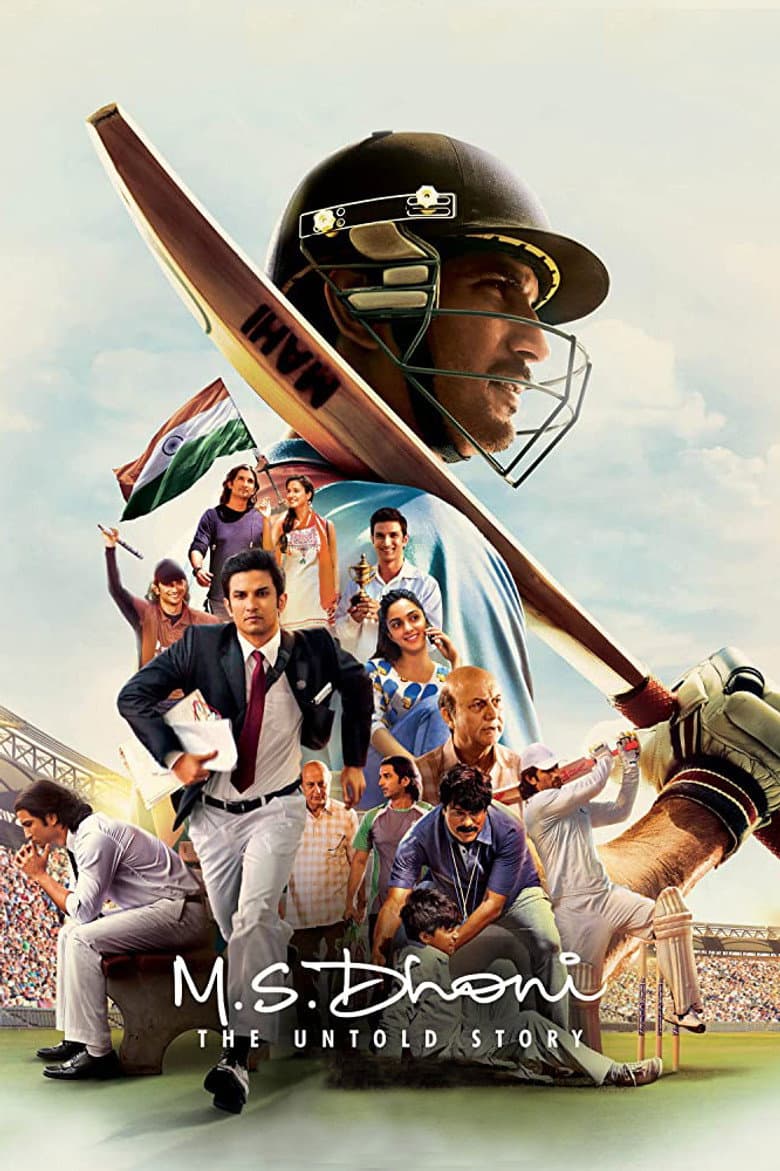
Movie · 2016
Based on the life story of Mahendra Singh Dhoni, and his journey to being the world cup winning captain of the Indian cricket team.
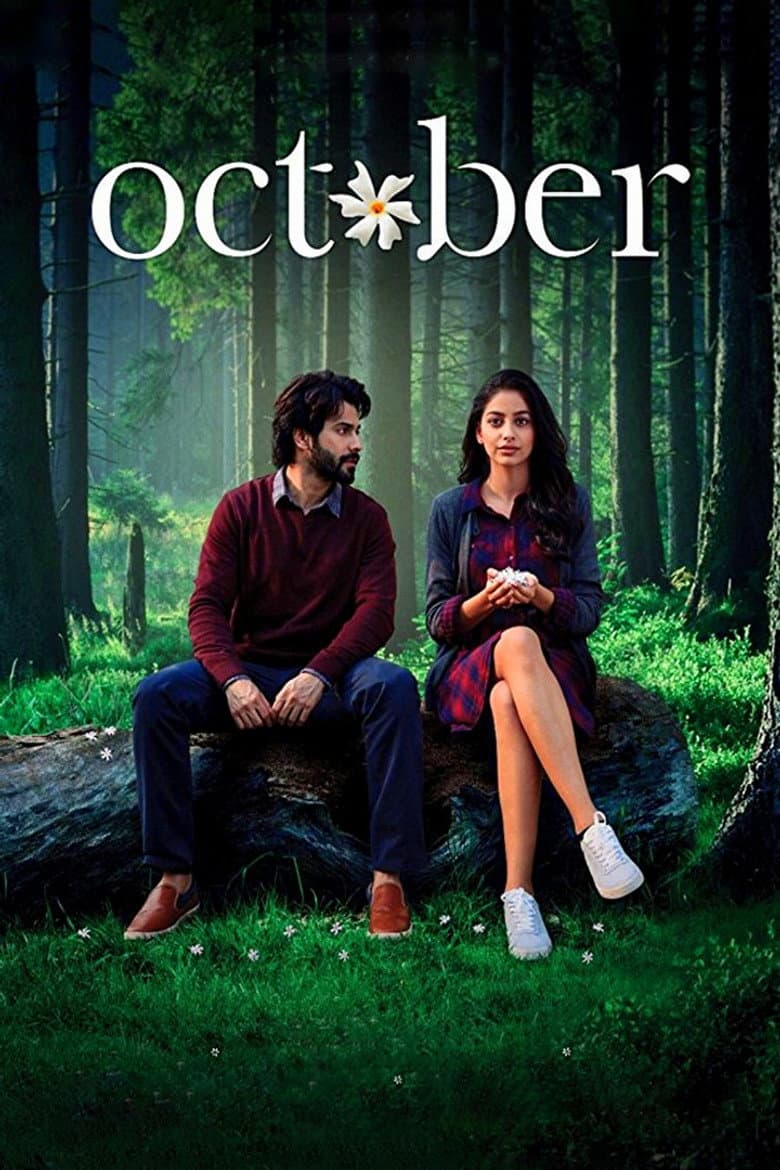
Movie · 2018
Dan, a 21-year-old carefree boy is always surrounded by a bunch of friends and fellow hotel interns who feed off each other's everyday moments, their ups and downs.

Movie · 2019
A look at the Apollo 11 mission to land on the moon led by commander Neil Armstrong and pilot Buzz Aldrin.
