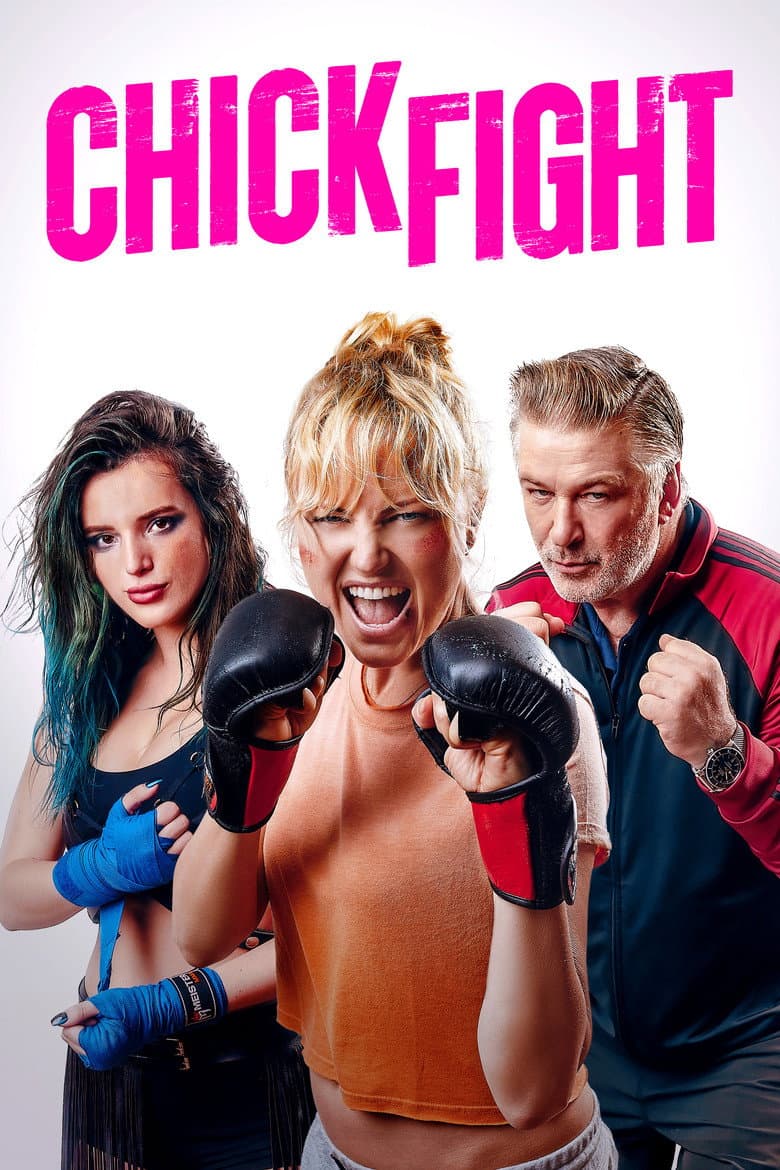
Anna Wyncomb runs a small coffee shop in Florida, but her life falls apart after her mother dies, her shop burns down, and her bills pile up. Her friend Charleen takes her to a secret fight club where women fight and try to work through their anger. Anna trains with a rough former fighter named Jack Murphy and faces Olivia, the club's feared champion. The movie mixes bloody brawls, crude jokes, romance, family trouble, and a simple underdog story.
The film makes female empowerment its main message. The club is shown as a safe place where women support one another, reject rules about being ladylike, and use fighting to regain confidence. Anna's father comes out as bisexual or sexually fluid and starts dating a man, while Charleen is a lesbian. These ideas matter to the story, but the movie treats the queer material as a side thread around Anna's rise and keeps the main focus on women's strength, anger, and sisterhood.
Community feedback
Was our 69% Woke rating accurate?
Breakdown
These are the editorial factors and ratings behind our score for Chick Fight.
Woke representation / casting
The movie places women in every major fight-club role, including Anna, the champion Olivia, and the club manager Bear. The club is built around an all-female group, and its story openly links that design to empowerment and sisterhood. Black and queer supporting characters add visible variety, but ethnicity is not the film's main focus. The repeated gender-first design is stronger than normal background diversity.
55%
Woke political dialogue
A club speech says women feel the same anger as men but society trained them to cry it out. The speaker tells women to reject that rule and live their truth. Other scenes repeat that the club helps women face fear, gain confidence, and beat life. The dialogue is clear but appears in a few key moments rather than throughout.
42%
Identity-driven story themes
The whole story centers on an all-female fight club that acts as therapy and a support group. Anna's main change comes from learning to fight, trust women, and claim her mother's place as club owner. The story repeatedly presents female anger, strength, and sisterhood as answers to rules about how women should behave. The lesbian friend and father's new male partner add a clear queer thread, but those stories stay beside Anna's main fight.
67%
Western institutional / cultural critique
The club calls itself a safe place without social judgment. A speech says women are taught to cry instead of fight, and the story treats old ideas about being ladylike as unfair limits. The movie does not turn this into a wider attack on churches, capitalism, or other Western institutions.
34%
Woke character or canon changes
Not relevant. The film is an original story about fictional characters. It does not change an established character, historical figure, or known story.
0%
Anti-woke backlash and complaints
Small Reddit threads called the project a feminist or woke remake and objected to its all-female premise. Some posts said it would erase the male meaning of Fight Club or push an SJW message, but several users corrected the claim that this movie was a remake. The supplied X check found only two low-reach posts calling the film very woke or full of social justice material, with no boycott or review bomb.
27%
Creator track record context
Paul Leyden has a mild record of female-empowerment work. Malin Akerman and Bella Thorne have spoken about women supporting women and helped produce this film. Ash Christian has a strong record of LGBTQ stories, while some other producers have one queer or women-centered credit. Many listed creators have little or no public activist record, so the overall context is mixed.
31%
Production
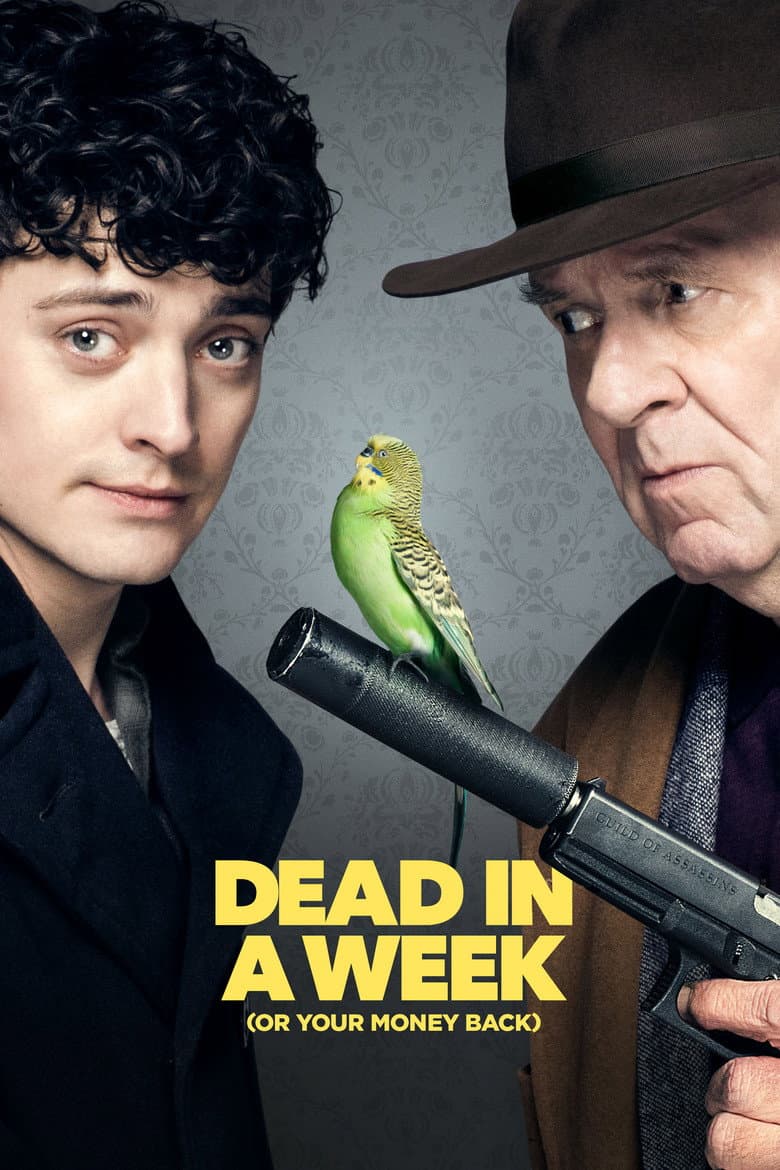
Movie · 2018
William has failed to kill himself so many times that he outsources his suicide to aging assassin Leslie. But with the contract signed and death assured within a week (or his…
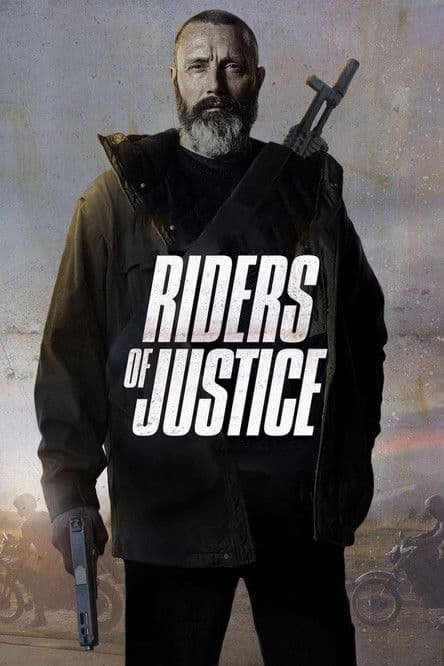
Movie · 2020
Markus returns home to care for his daughter when his wife dies in a tragic train accident. However, when a survivor of the wreck surfaces and claims foul play, Markus suspects…
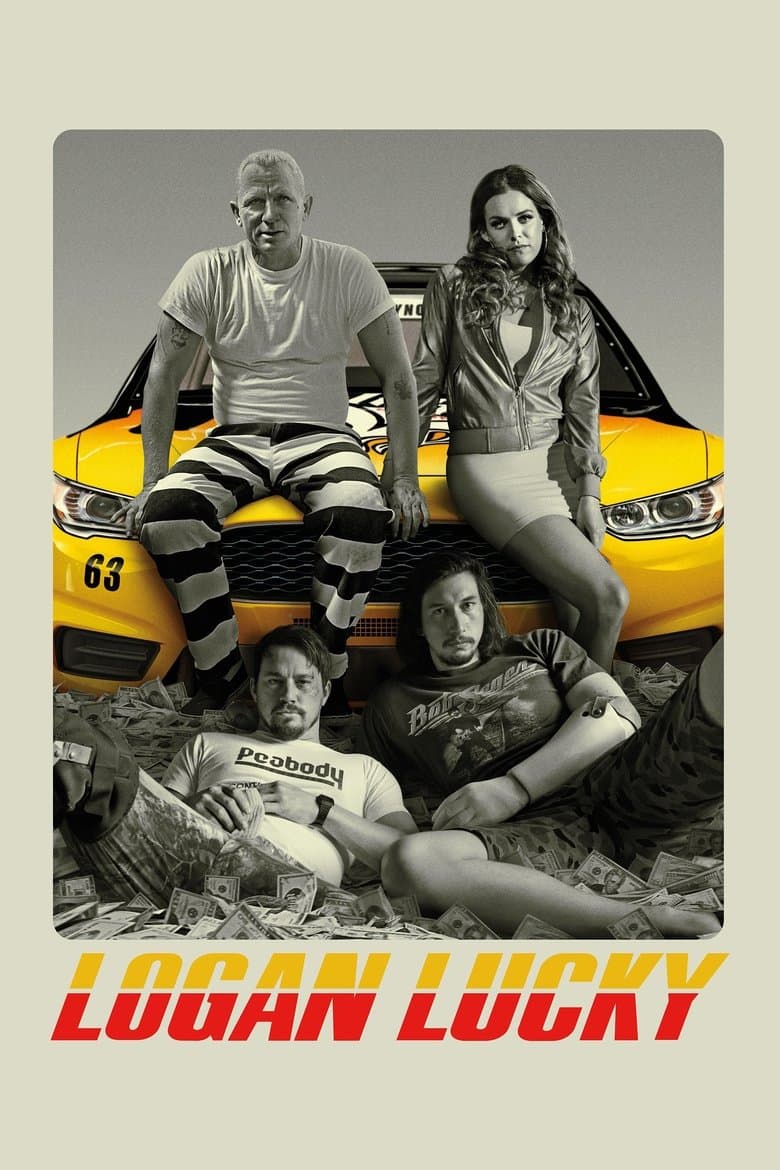
Movie · 2017
Trying to reverse a family curse, brothers Jimmy and Clyde Logan set out to execute an elaborate robbery during the legendary Coca-Cola 600 race at the Charlotte Motor Speedway.
Movie · 2016
A pair of cops investigating a drug invasion stumble upon a mysterious bank vault.
Movie · 2025
A former teenage getaway driver gets dragged back into her unsavory past when a former employer offers her a chance to save the life of her chronically unreliable ex-boyfriend.
