
Margot is a 20-year-old college student who works at a movie theater and studies ants. She starts texting Robert, a quiet 33-year-old customer, and builds a better version of him in her mind. Their first real date leads to an awful sexual encounter that she agrees to even though she wants to stop. The movie shifts from awkward comedy to dark thriller as fear, shame, and poor choices push both people toward a violent fight.
The main woke element is the film's strong feminist view of dating. Margot often fears that a man may hurt her, while Taylor runs a feminist forum and warns her that men hide bad aims. The story also links old male movie heroes and porn to forceful ideas about romance and sex. Robert does stalk and trap Margot, but the film also shows that Margot lies, enters his garage, and puts a tracker on his car. That balance keeps the message from becoming a simple claim that women are always right and men are always evil.
Community feedback
Was our 81% Woke rating accurate?
Breakdown
These are the editorial factors and ratings behind our score for Cat Person.
Woke representation / casting
Margot's small college friend group includes Taylor, Beth, Dave, and Clay, with several visible ethnic backgrounds. The mix looks deliberately broad for a small supporting group, although the movie never discusses race. The white lead couple still controls the whole main story, so this remains a slight signal.
16%
Woke political dialogue
Taylor runs a feminist forum and repeatedly warns Margot about hidden danger from men. A party scene debates whether men should lead feminist spaces and whether a man lied to enter one. Taylor also uses old movie scenes to attack forceful male ideas about romance. The story mocks some of Taylor's harsh thinking, so it does not support every line she says.
46%
Identity-driven story themes
The main story views dating through Margot's fear of male harm and Robert's need for female praise. The sex scene focuses on consent that is spoken but not truly wanted. Taylor's feminist warnings and Margot's fear return throughout the movie. Robert's fear of a false story and Margot's reckless choices add balance, but gender and power still drive the whole plot.
72%
Western institutional / cultural critique
The opening quote says men fear ridicule while women fear murder. The movie links Robert's behavior to old male movie heroes who force kisses and still win the woman. It also presents porn, male anger, stalking, and fear of rejection as parts of harmful male ideas about sex. Margot also behaves badly, but the critique of male entitlement stays central.
61%
Woke character or canon changes
The film expands Margot's friend into a feminist forum leader with her own repeated story. It adds ant lessons about female power, a quote about women fearing murder, and a scene attacking romance in old male-led movies. These additions make modern feminist politics much more direct than in the short story. The new violent ending gives both Margot and Robert blame, which partly softens those changes.
52%
Anti-woke backlash and complaints
A few audience comments complained that the movie had too much feminist material or treated Robert as a creep without enough proof. Some IMDb reviews also answered claims that the film was anti-men. These complaints were limited to scattered user reactions, and no major anti-woke campaign or news fight was found.
18%
Creator track record context
Susanna Fogel often tells female-led stories through a female point of view. Michelle Ashford has called herself a feminist, and Kristen Roupenian often writes about consent and power in dating. Producer Elizabeth Banks has a stronger public record of left-wing causes. Most other key producers and crew show little such history, so the overall signal is moderate.
38%
Production
Movie · 2026
Disowned at birth by his obscenely wealthy family, blue-collar Becket Redfellow will stop at nothing to reclaim his inheritance, no matter how many relatives stand in his way.
Movie · 2024
Broke and depressed, Ray is mistaken for a dangerous hitman and given an envelope of cash. Along with his P.I.
Movie · 2024
When a man is offered a million dollars to play a game in which hunters try to kill him, he thinks he has found the perfect loophole: they can only attack when he’s alone.
Movie · 2024
When top hitman Joe Flood is diagnosed with a terminal illness, he decides to take matters into his own hands – by taking a hit out on himself.

Movie · 2021
An army doctor helps his love interest's family to find their kidnapped daughter.
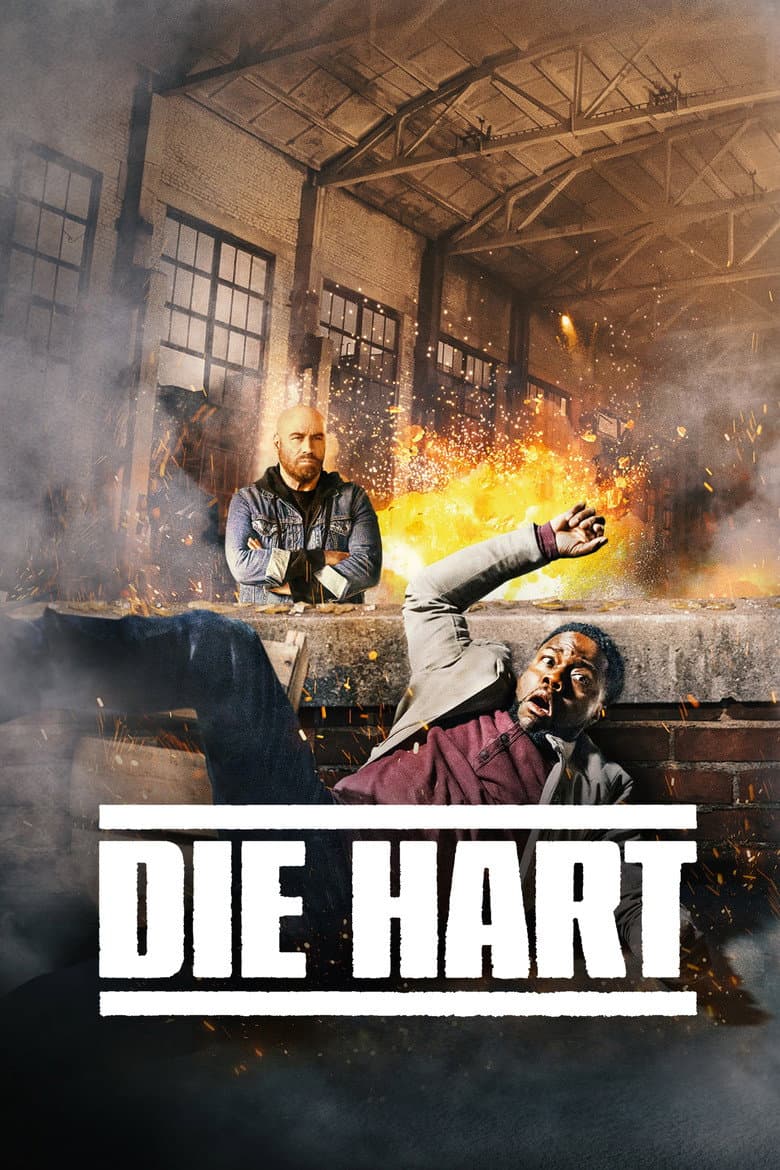
Movie · 2023
Kevin Hart - playing a version of himself - is on a death-defying quest to become an action star. And with a little help from John Travolta, Nathalie Emmanuel, and Josh Hartnett -…
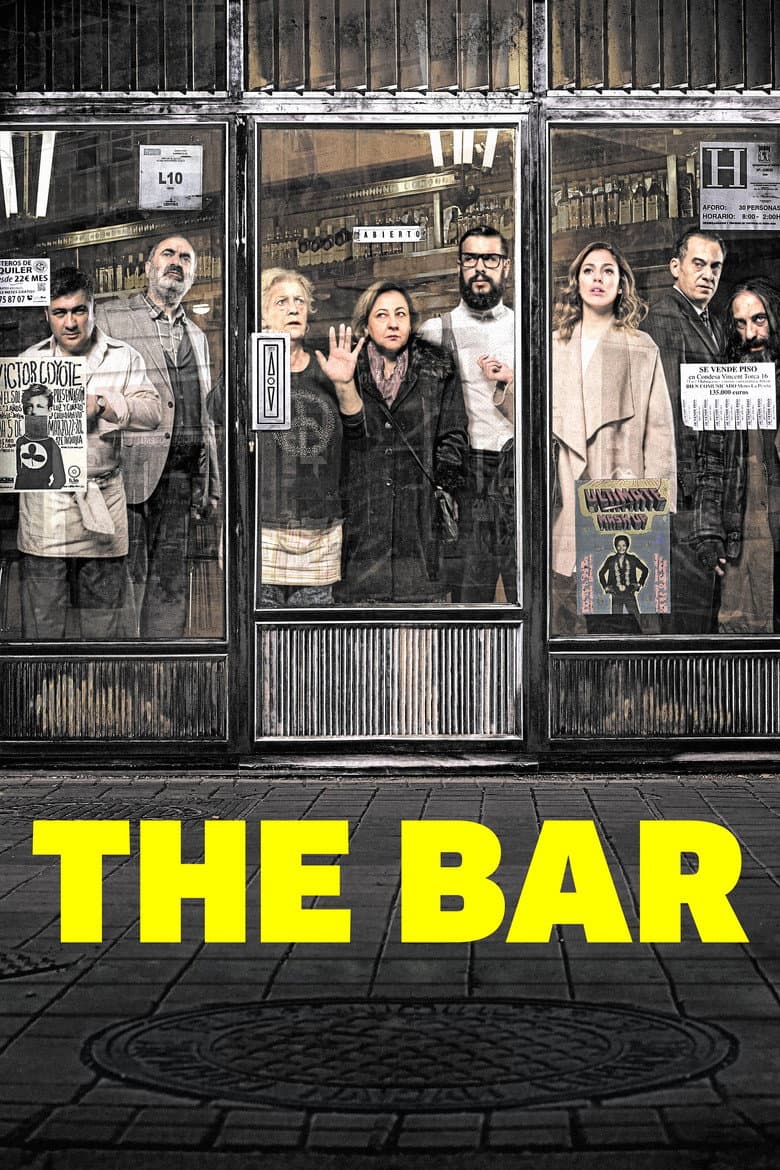
Movie · 2017
In downtown Madrid, a series of mysterious gunshots trap a motley assortment of people in a decrepit bar.
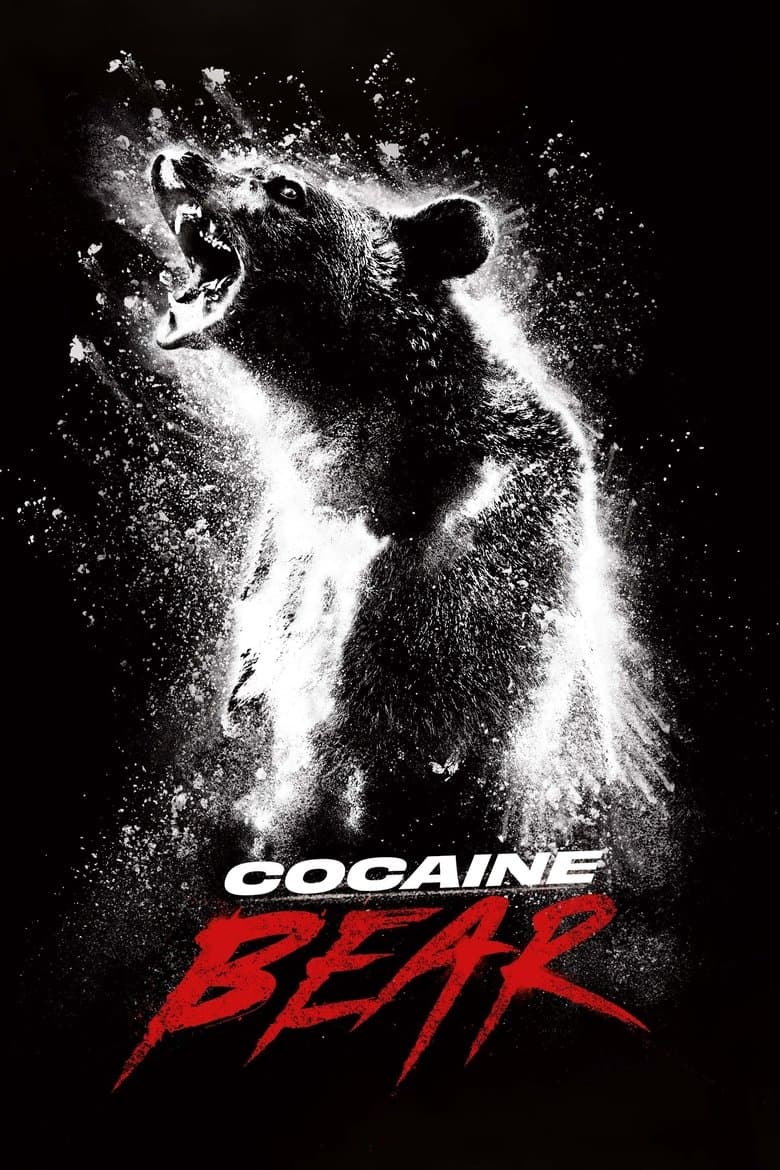
Movie · 2023
Inspired by a true story, an oddball group of cops, criminals, tourists and teens converge in a Georgia forest where a 500-pound black bear goes on a murderous rampage after…
