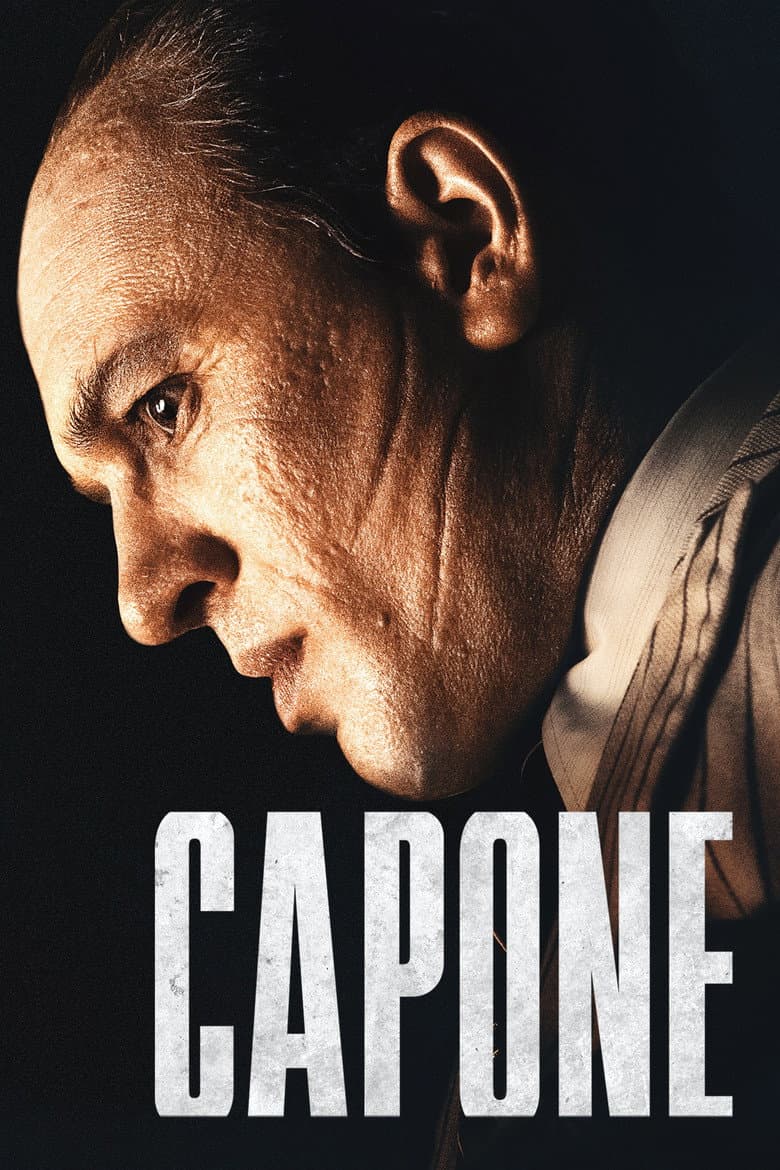
Capone follows Al Capone after a long prison term in 1940s Florida. The former Chicago crime boss is sick with a brain disease caused by untreated syphilis, and he can no longer trust his own mind. He lives in a large but fading home with his wife Mae, his son, guards, and old friends while the FBI watches him. Capone searches for money he hid, but his violent memories, fear, and strange visions keep breaking into daily life. The tone is grim, filthy, surreal, and sometimes darkly funny.
The film gives most of its attention to the collapse of a feared man's power and self-image. Capone becomes dependent on Mae and doctors, loses control of his body, and faces the damage caused by his past violence. The story shows his racism toward a Latino gardener, but that behavior stays part of his cruelty rather than becoming a larger lesson about race. The film's main idea is that crime, wealth, and a hard male image cannot protect a man from illness, guilt, and death.
Community feedback
Was our 16% Woke rating accurate?
Breakdown
These are the editorial factors and ratings behind our score for Capone.
Woke representation / casting
Not present. The main roles are Capone, his mostly white family, mob associates, doctors, and federal agents. A Latino gardener and a few minority background characters do not form a diversity-first casting message.
0%
Woke political dialogue
Not present. The dialogue deals with mob crimes, FBI surveillance, money, illness, and family strain. An FBI agent compares Capone to Hitler, but the movie does not repeat current activist arguments about race, gender, sexuality, or social groups.
0%
Identity-driven story themes
Capone’s story repeatedly links his identity to lost male power, control, and toughness. Trank called the film a deconstruction of masculinity and said Capone’s facade unravels as he becomes afraid and helpless. The theme stays focused on one aging gangster and does not become a wider lesson about gender groups.
15%
Western institutional / cultural critique
The film shows Capone’s violent male image collapsing as illness makes him dependent on Mae and doctors. Trank described that arc as a deconstruction of masculinity. The story uses this to strip power from one criminal, not to attack men, marriage, religion, or Western institutions.
12%
Woke character or canon changes
Not relevant. The film changes and invents some details as a loose biographical drama, including composite characters and hallucinated events. Those changes serve its surreal view of illness and are not identity-driven changes to his character or history.
0%
Anti-woke backlash and complaints
Not present. No major anti-woke complaints appeared in the reviewed news coverage, audience threads, or reviews. Public complaints focused on the makeup, plot, pacing, and strange performance.
0%
Creator track record context
Josh Trank’s cached score is 35/100, based in part on his past support for a Black Sue Storm in Fantastic Four. Several producers have cached diversity or social-impact records, while most have little activist history. This gives mild supporting context, but no Capone-focused activist message was found.
25%
Production
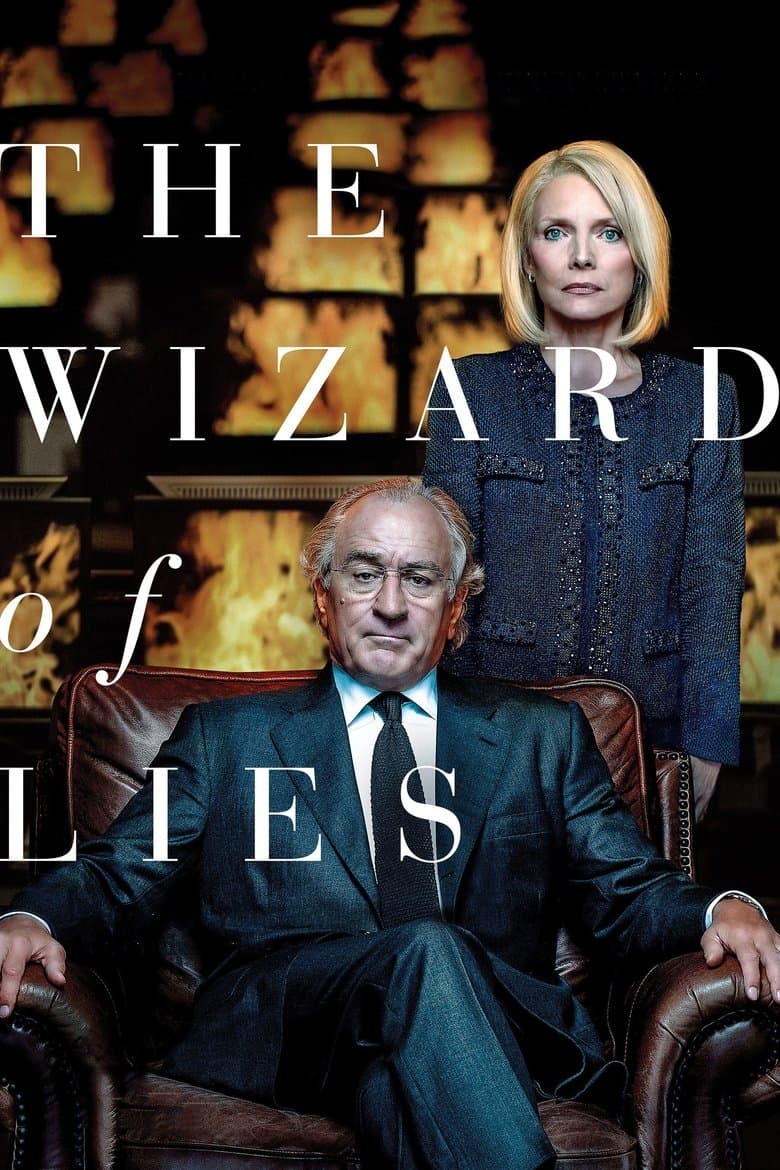
Movie · 2017
A look behind the scenes at Bernie Madoff's massive Ponzi scheme, how it was perpetrated on the public and the trail of destruction it left in its wake, both for the victims and…
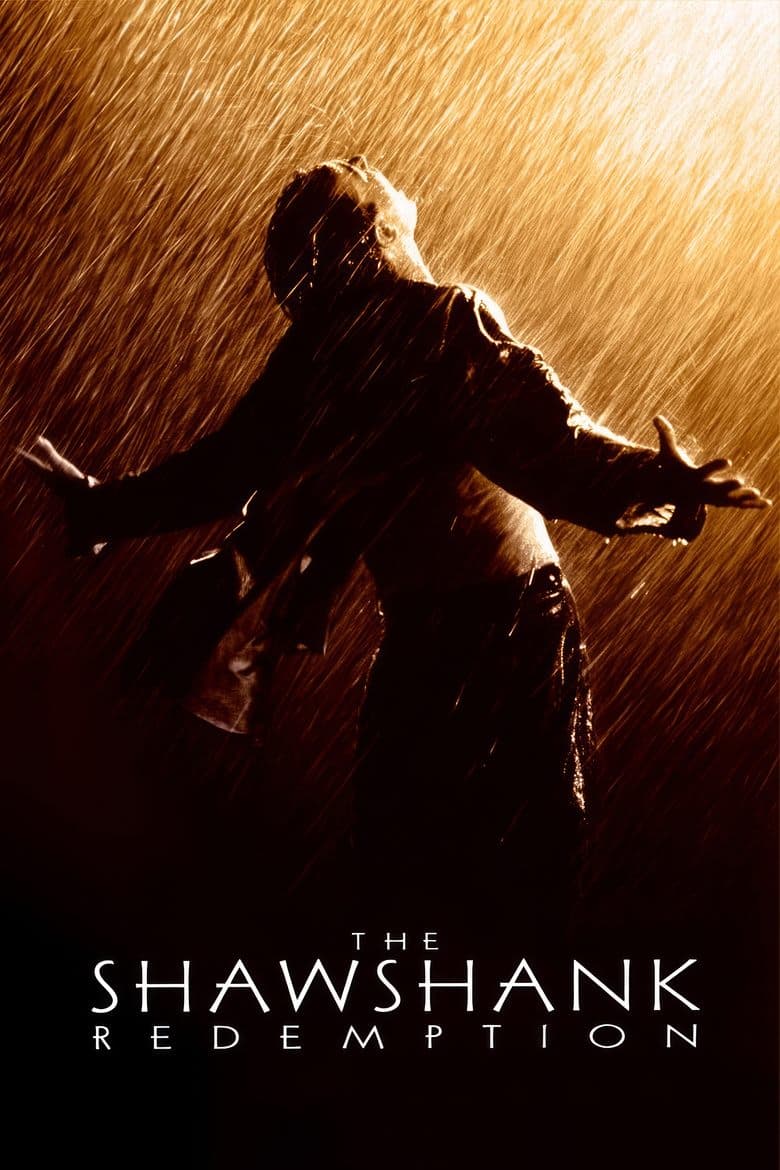
Movie · 1994
Imprisoned in the 1940s for the double murder of his wife and her lover, upstanding banker Andy Dufresne begins a new life at the Shawshank prison, where he puts his accounting…

Movie · 2019
In New York, former convict Pete Koslow, related to the Polish mafia, must deal with both Klimek the General, his ruthless boss, and the twisted ambitions of two federal agents…
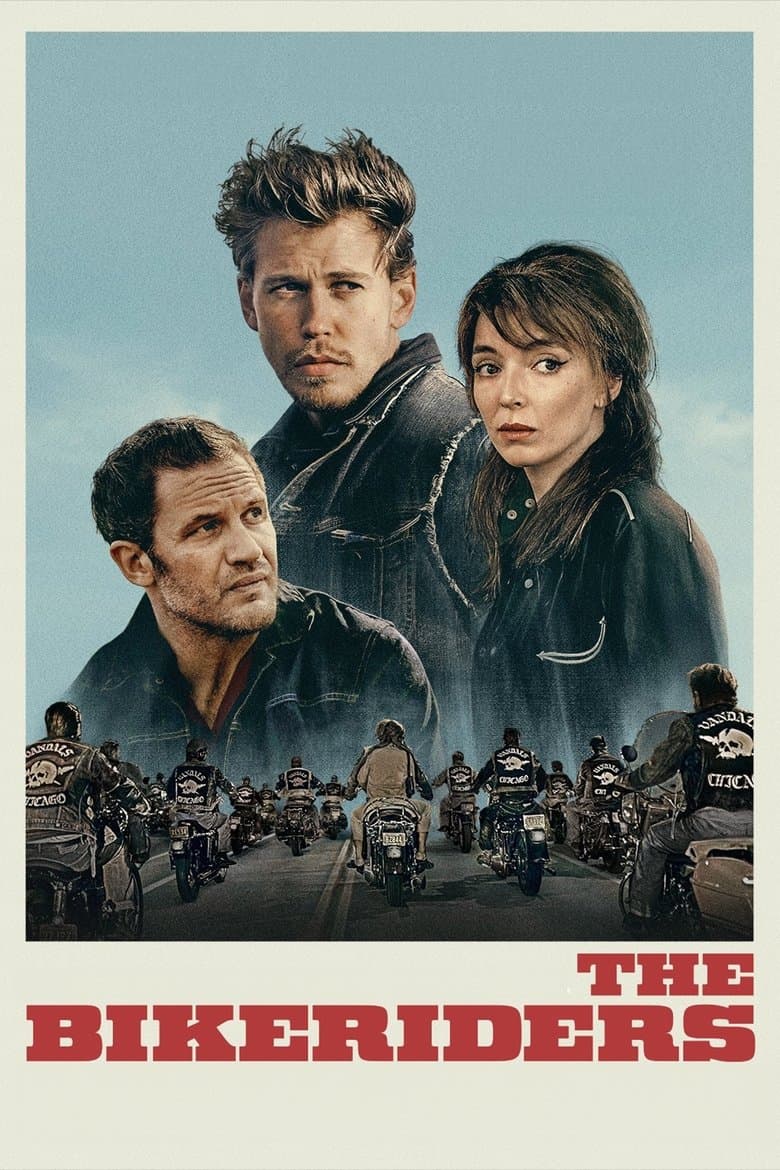
Movie · 2024
After a chance encounter, headstrong Kathy is drawn to Benny, member of Midwestern motorcycle club the Vandals.

Movie · 2021
Deputy Sheriff Joe "Deke" Deacon joins forces with Sgt. Jim Baxter to search for a serial killer who's terrorizing Los Angeles.

Movie · 2019
A chronicle of the crimes of Ted Bundy, from the perspective of his longtime girlfriend, Elizabeth Kloepfer, who refused to believe the truth about him for years.
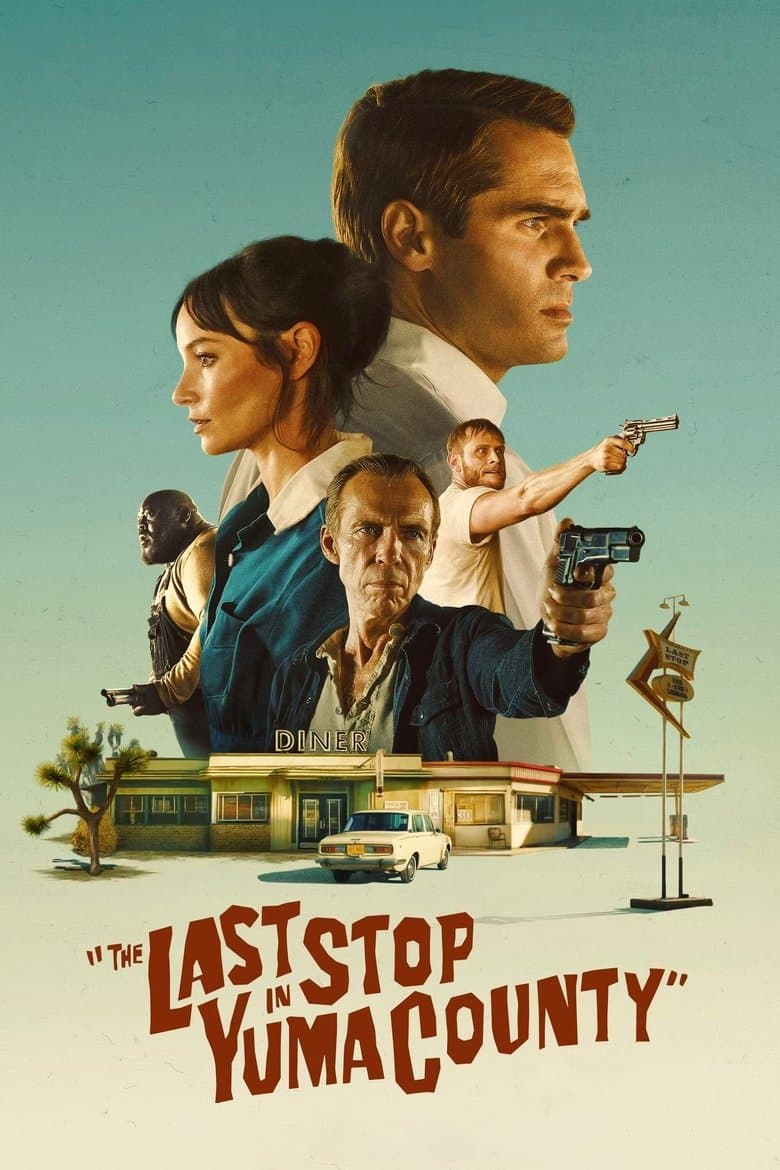
Movie · 2024
While awaiting the next fuel truck at a middle-of-nowhere Arizona rest stop, a traveling young knife salesman is thrust into a high-stakes hostage situation by the arrival of two…

Movie · 2017
The story of the kidnapping of 16-year-old John Paul Getty III and the desperate attempt by his devoted mother to convince his billionaire grandfather Jean Paul Getty to pay the…
