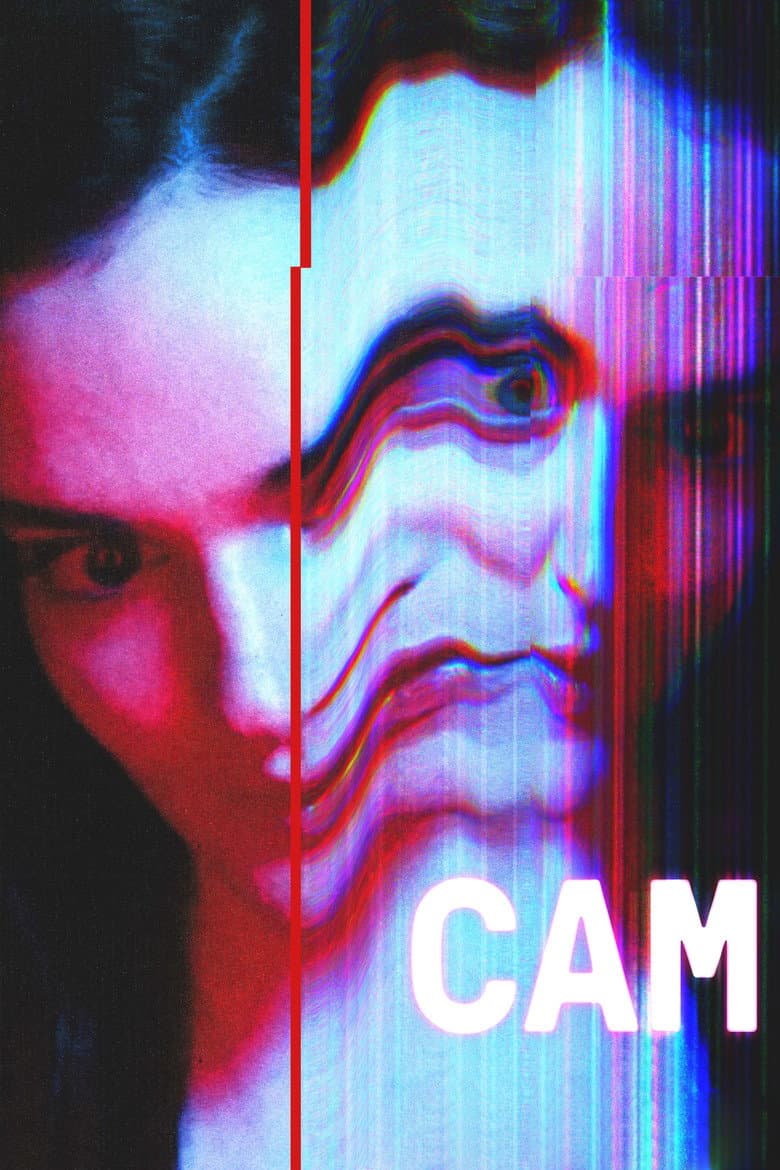
Cam follows Alice, a young woman who earns money by performing live shows on an adult webcam site under the name Lola. Alice works from a bright room at home, studies her viewer numbers, and hopes to reach the site's top rank. One morning, a perfect copy of Lola takes over her account and keeps broadcasting while Alice is locked out. The film turns that problem into a tense, strange horror story about stolen identity, fear, and the pressure to keep an online image alive.
The film gives strong attention to Alice's control over her body, her work, and the rules she sets for viewers. It treats her job as skilled creative work instead of making her a simple warning about bad choices. The copy breaks her rules, exposes her private life, and uses sexual acts that Alice did not choose, so Alice must fight to take back her name and her work. The story also shows shame from her family, judgment from police, and danger from men who think online access gives them power over her.
Community feedback
Was our 53% Woke rating accurate?
Breakdown
These are the editorial factors and ratings behind our score for Cam.
Woke representation / casting
The film shows Alice among several female cam performers with different looks and body types. The named performer Baby is black, and a short montage gives space to a range of women and sexual styles. The story does not make race or identity a conflict, and the casting fits a modern online setting. The variety is a small representation signal rather than a main message.
18%
Woke political dialogue
Not present. The dialogue discusses cam work, rankings, identity theft, and personal danger. It does not contain repeated speeches about DEI, gender politics, or activist causes.
0%
Identity-driven story themes
Alice chooses online sex work and treats it as a creative job that she controls. The main conflict begins when a copy takes her name, image, account, and income, then breaks the rules she set for viewers. The film repeatedly links female agency, consent, sexual boundaries, and control of one's body to the horror. Alice's fight to return to the work gives these themes a central place, although the story is not about race or queer identity.
64%
Western institutional / cultural critique
The police dismiss Alice's report and judge her because of her work. The film shows some male viewers treating access to her online persona as permission to control or confront her. Alice's mother first hides the job from others and later accepts it, which challenges shame around sex work. The story criticizes stigma, male entitlement, and weak protection for workers, but it does not attack Christianity, capitalism, or Western society as a whole.
38%
Woke character or canon changes
Not relevant. The film is an original story with no established character, canon, or real historical event being changed.
0%
Anti-woke backlash and complaints
Not present. Searches and the supplied X check found no clear complaints that the film pushes woke, DEI, or identity politics. Negative reactions focused on explicit sex scenes, plot holes, or the ending instead.
0%
Creator track record context
Isa Mazzei has a strong record of speaking about sex workers, consent, and better representation. Daniel Goldhaber's wider work has a clear climate and activist side, but it is not mainly about DEI or identity politics. Isabelle Link-Levy has little public record of activist or identity-focused work. This title fits Mazzei's known focus, so creator context adds a meaningful but limited signal.
46%
Production
Movie · 2021
A young girl finds solace in her artist father and the ghost of her dead mother.
Movie · 2018
The crew of a horror web series travels to an abandoned asylum for a live broadcast, but they encounter much more than expected as they move deeper inside the nightmarish old…
Movie · 2025
Plagued by a violent recurring nightmare, college student Stefanie heads home to track down the one person who might be able to break the cycle and save her family from the grisly…
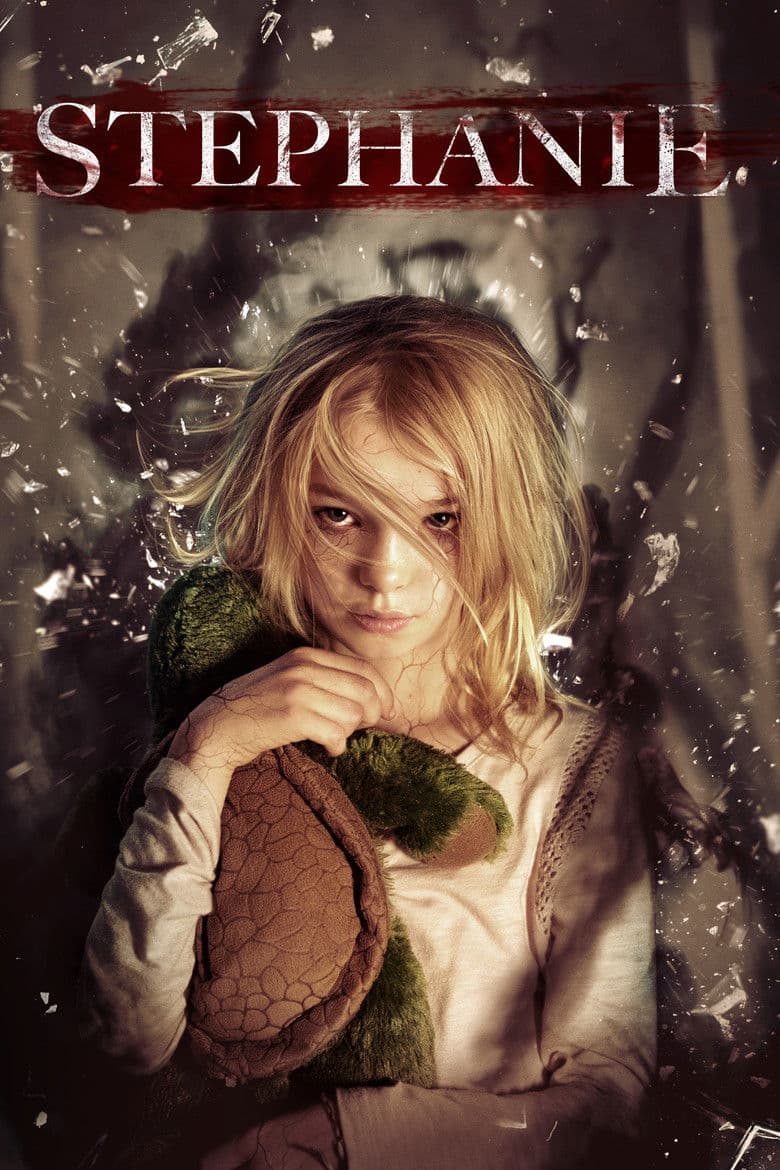
Movie · 2017
After a mysterious global crisis, a young girl is left alone to hide from a malevolent power that stalks her home.
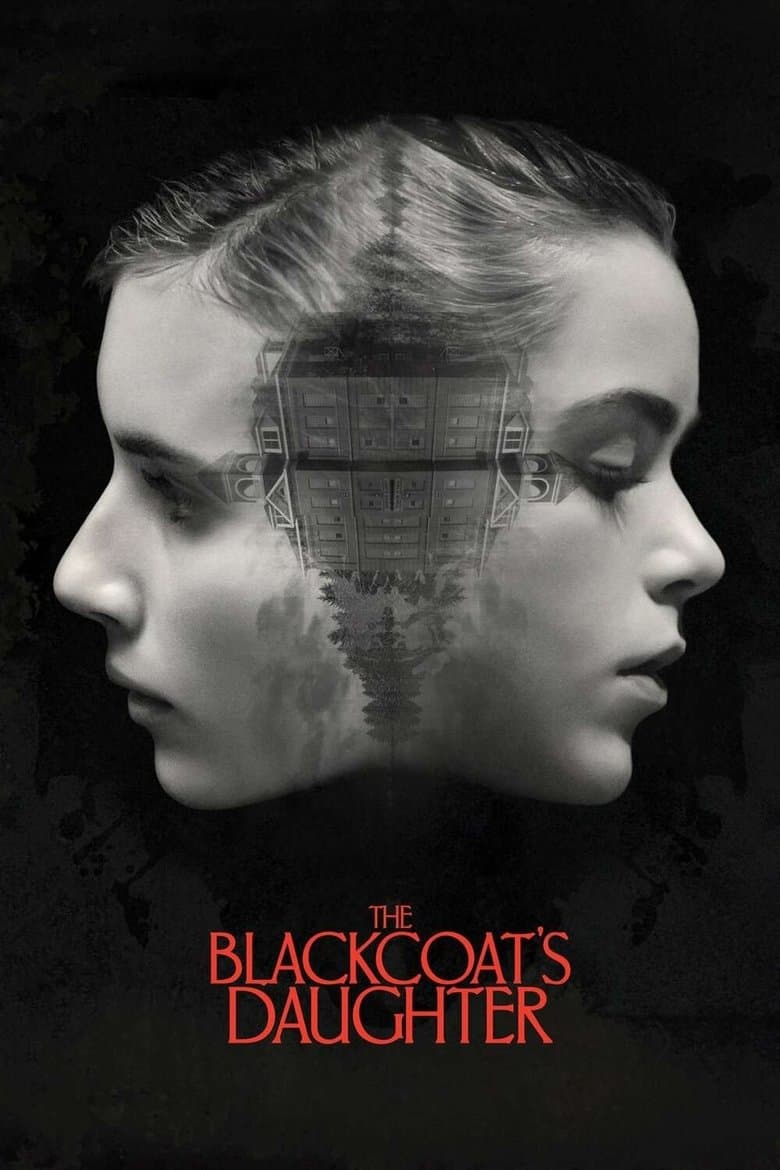
Movie · 2017
Two young women at a prestigious prep school are assailed by an evil, invisible power when they're stranded over winter break.
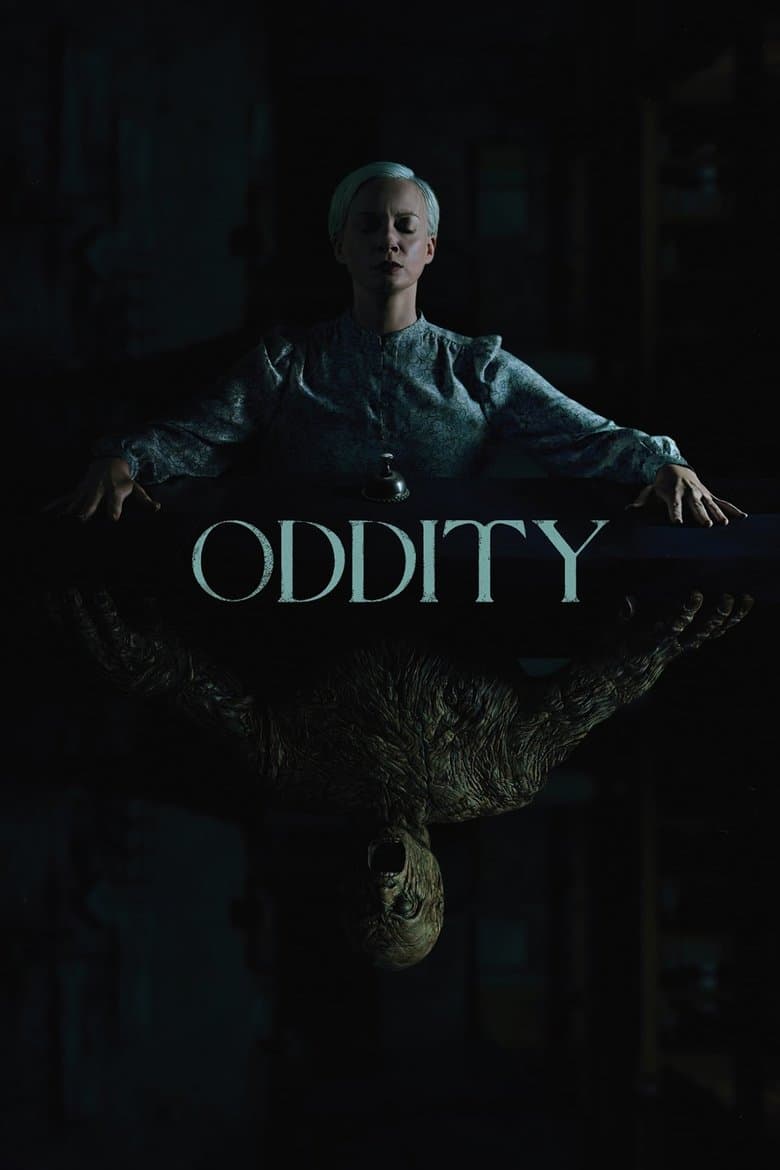
Movie · 2024
After the brutal murder of her twin sister, Darcy goes after those responsible by using haunted items as her tools for revenge.
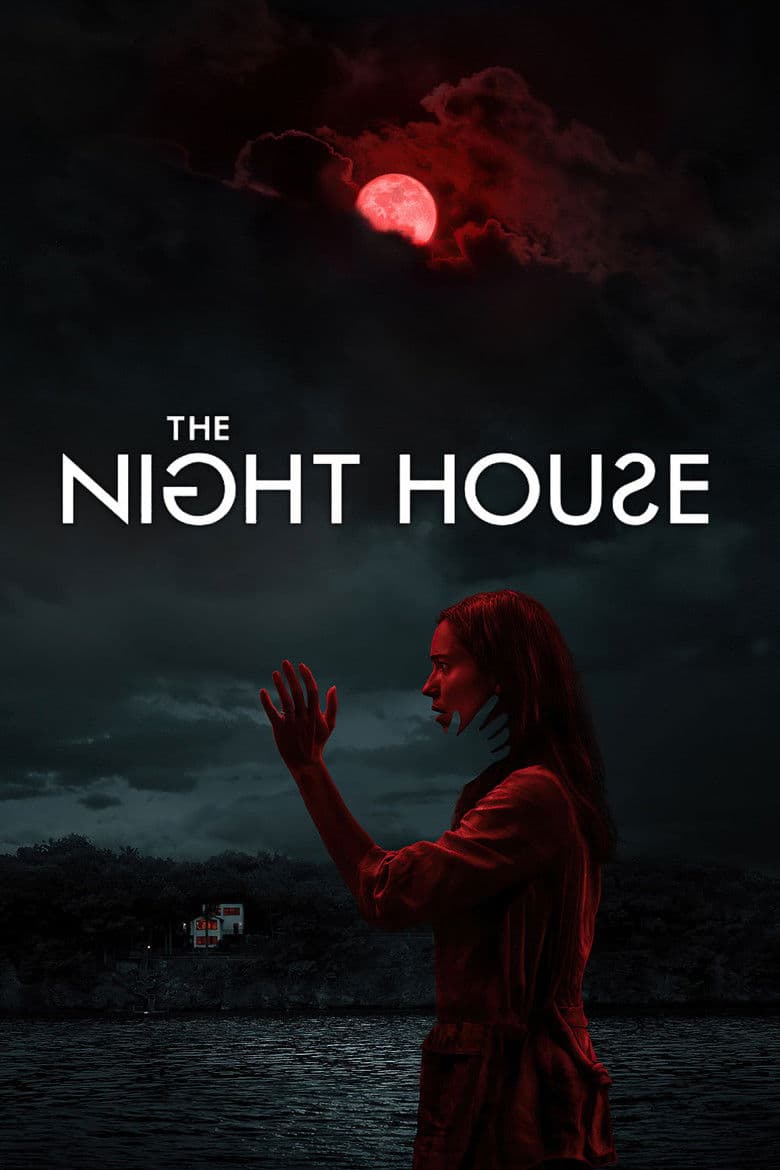
Movie · 2021
Reeling from the unexpected death of her husband, Beth is left alone in the lakeside home he built for her. Soon she begins to uncover her recently deceased husband's disturbing…
Movie · 2021
Madison is paralyzed by shocking visions of grisly murders, and her torment worsens as she discovers that these waking dreams are in fact terrifying realities with a mysterious…
