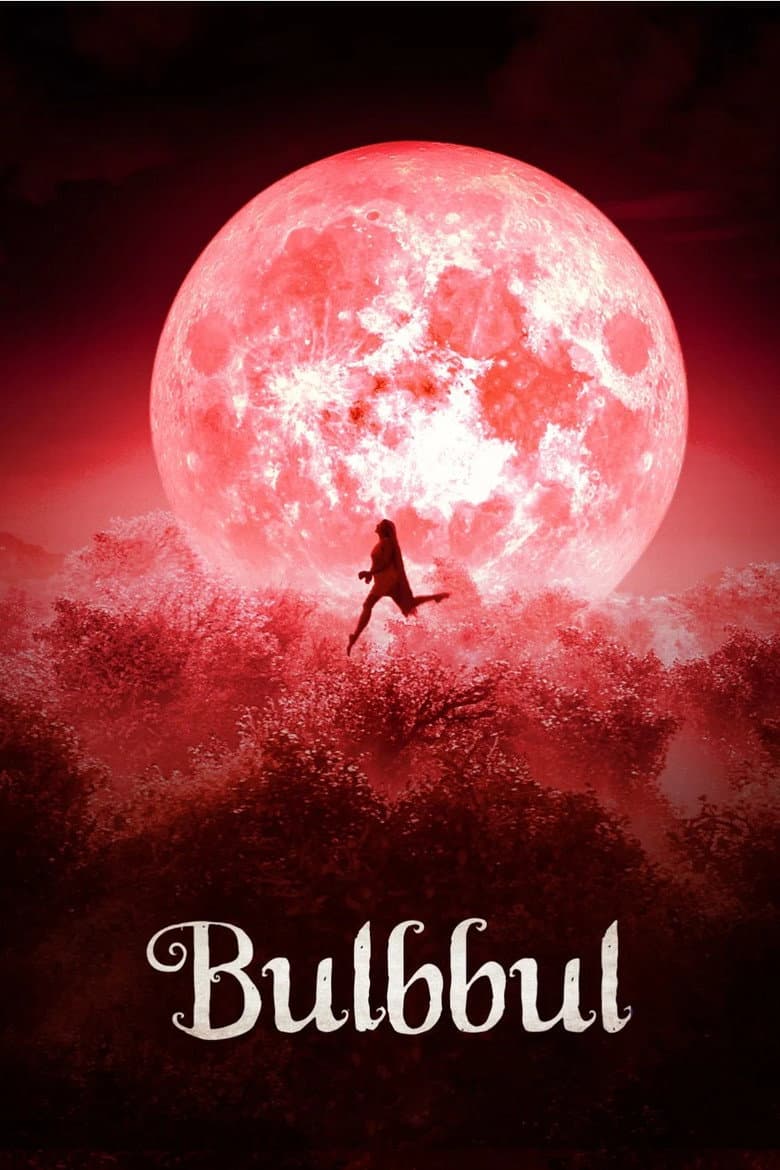
Bulbbul begins in Bengal in 1881, when a lively young girl is married to a much older landlord. Twenty years later, she runs his grand house while a series of brutal deaths frightens the nearby village. Her childhood friend Satya returns from London and tries to learn who is killing the men, while Bulbbul hides a painful past. The film mixes dark fairy-tale images, red moonlight, family secrets, and sudden violence.
The story makes female suffering and female revenge its main subject. Bulbbul faces child marriage, sexual violence, cruel control, and the loss of her freedom before she becomes a feared witch who punishes abusive men. The film presents her as a protector of women and treats men's control, silence, and weak resistance as part of the danger. Its feminist message is not a side point because the mystery, the horror, and the ending all depend on her change from victim to judge.
Community feedback
Was our 85% Woke rating accurate?
Breakdown
These are the editorial factors and ratings behind our score for Bulbbul.
Woke representation / casting
The Indian cast fits the Bengal setting, so there is no clear ethnicity mismatch or diversity quota pattern. The gender design is more pointed because a woman leads the story, controls a large household, and becomes the supernatural judge of men. Interviews and marketing describe a strong independent woman and a female gaze. This makes gender representation visible, but the lead's role is also required by the story.
42%
Woke political dialogue
The dialogue links toe rings and veiling with control over women. Characters question why a woman cannot be a killer and expose the lie that an abused wife simply fell down stairs. Bulbbul tells Satya that all the men are the same after he fails to see her abuse. These lines recur through the story, but the film has no long political speech.
38%
Identity-driven story themes
Bulbbul is built around a girl forced into child marriage and controlled by men. Her abuse, assault, and loss of freedom lead to her change into a witch who kills men who hurt women. The story also shows women competing for safety inside the same family and presents Bulbbul as a protector of abused women. The ending turns her into a goddess-like guardian, so female revenge and female agency are the film's main ideas.
88%
Western institutional / cultural critique
The haveli treats women as property and uses marriage, veiling, and male authority to control them. The story shows husbands and other men using power for abuse, while Satya's failure to understand Bulbbul also marks him as part of the same system. Repeated scenes present traditional gender roles and male entitlement as the source of the family's harm. Its criticism stays focused on gender and family power, with no attack on Christianity, capitalism, or Western governments.
58%
Woke character or canon changes
Not relevant. The film uses the Indian chudail legend and draws on Tagore-era stories, but it does not change a known named character or established canon.
0%
Anti-woke backlash and complaints
Some conservative users said the film or its folk song was hostile to Hindu tradition and pushed #BoycottNetflix after objecting to words linked to Radha and Krishna. India Today reported that a viral clip had been edited and that one harsh word was not in the film's version, which makes part of the claim unsubstantiated. A few small accounts also called the film feminist propaganda or complained that feminism had been added to a witch story. The dispute reached several outlets but did not become a lasting boycott, review-bombing campaign, or broad anti-woke movement.
24%
Creator track record context
Anvita Dutt has a repeated focus on women facing abuse, patriarchy, and limits on their freedom. Her title-specific interviews call Bulbbul a feminist fairy tale and discuss the female gaze. Anushka Sharma and Karnesh Sharma have backed several female-centered and socially pointed projects through Clean Slate Filmz. Together, these scores place the key creators in a clear mid-60s range.
65%
Production
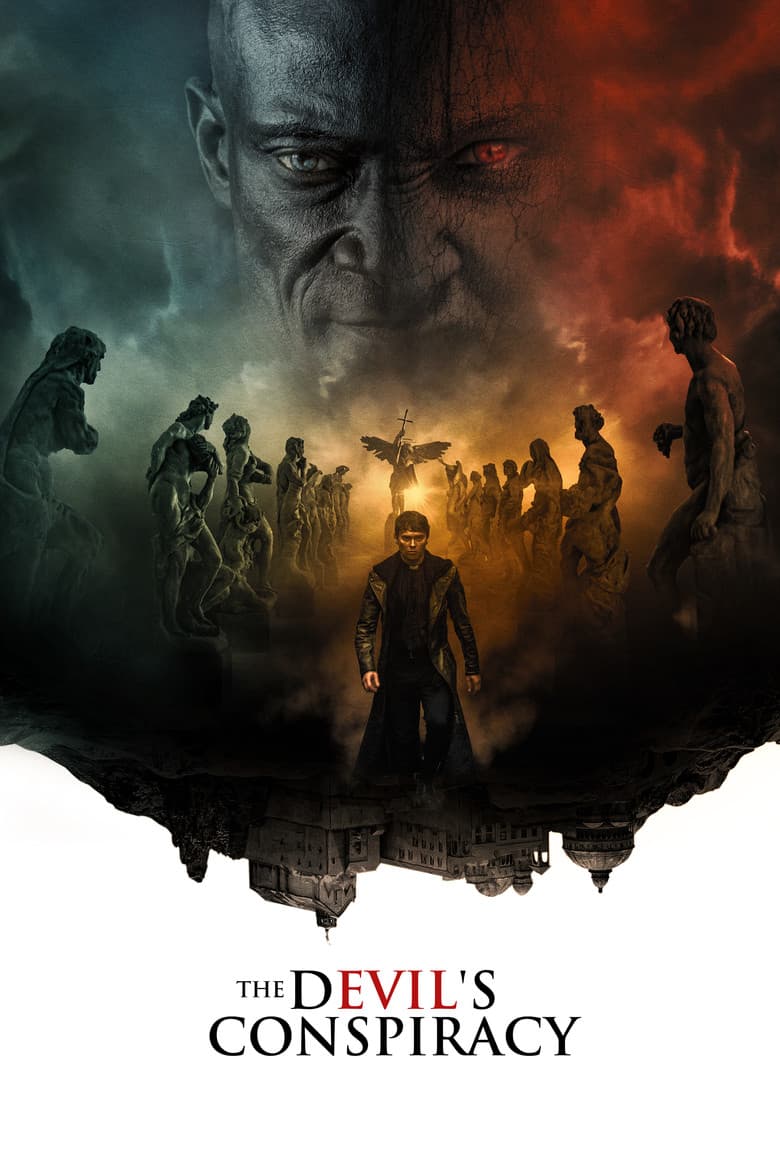
Movie · 2023
A powerful biotech company has breakthrough technology allowing them to clone history’s most influential people with just a few fragments of DNA.
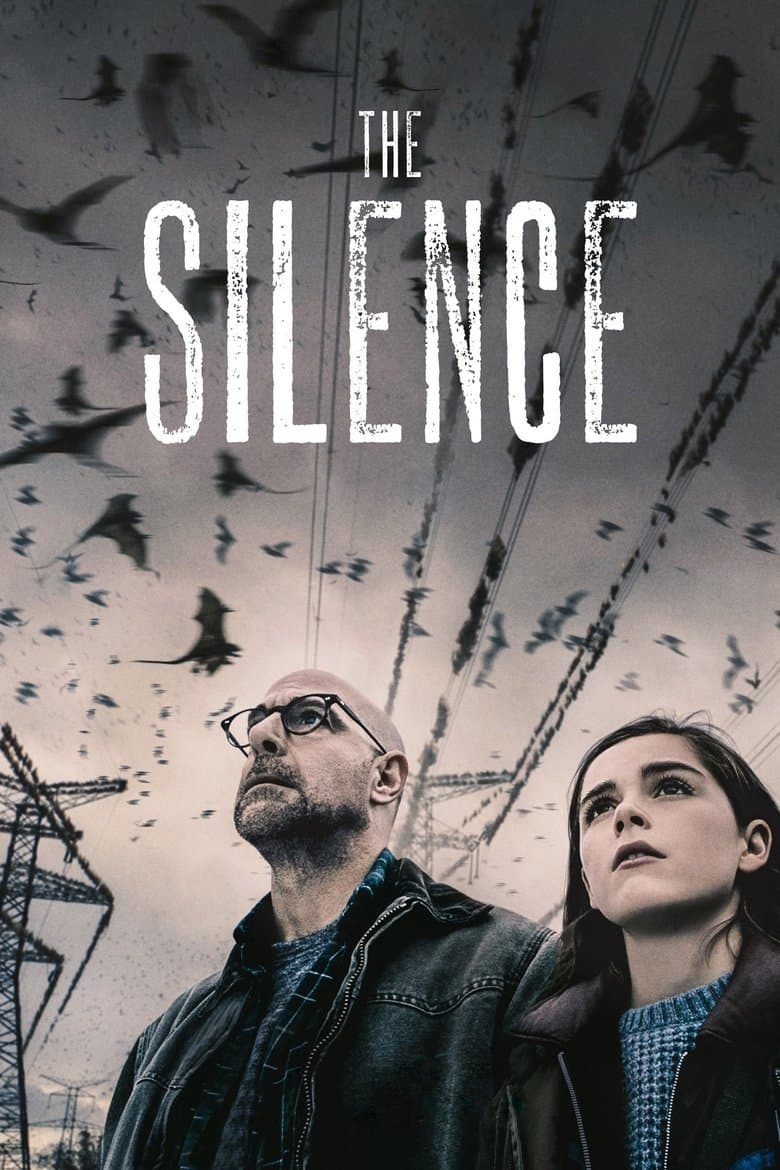
Movie · 2019
With the world under attack by deadly creatures who hunt by sound, a teen and her family seek refuge outside the city and encounter a mysterious cult.
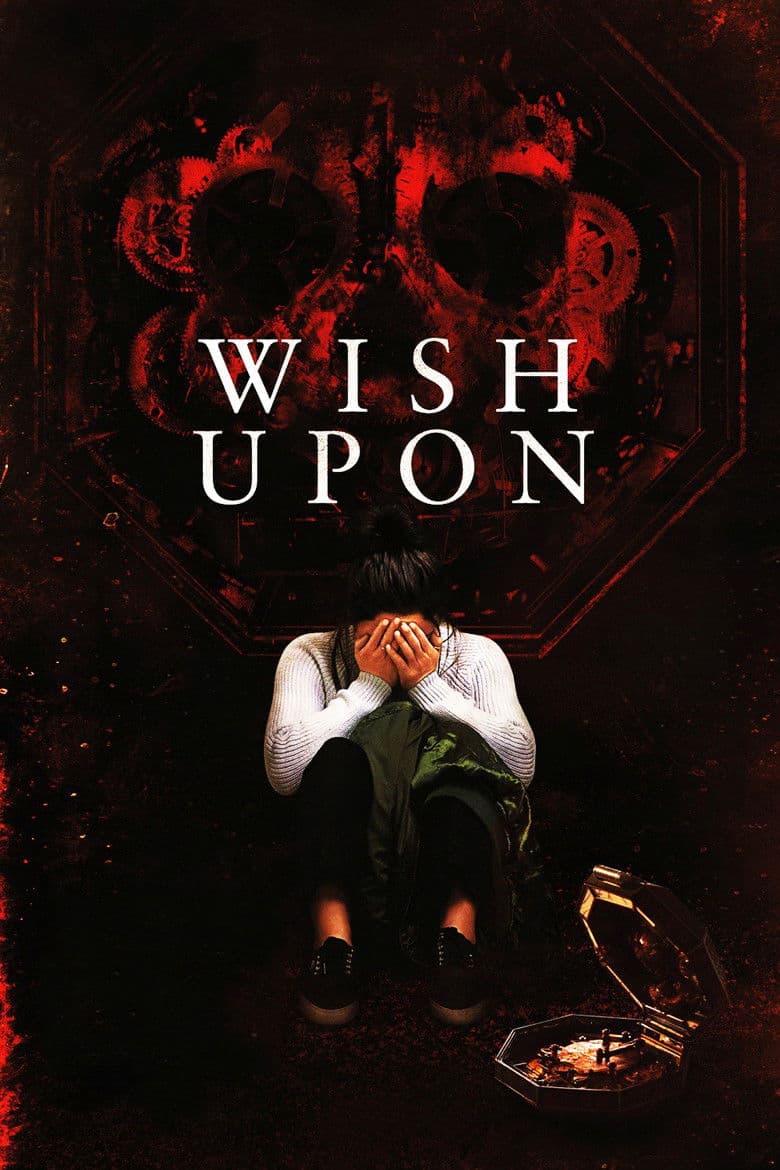
Movie · 2017
A teenage girl discovers a box with magical powers, but those powers comes with a deadly price.
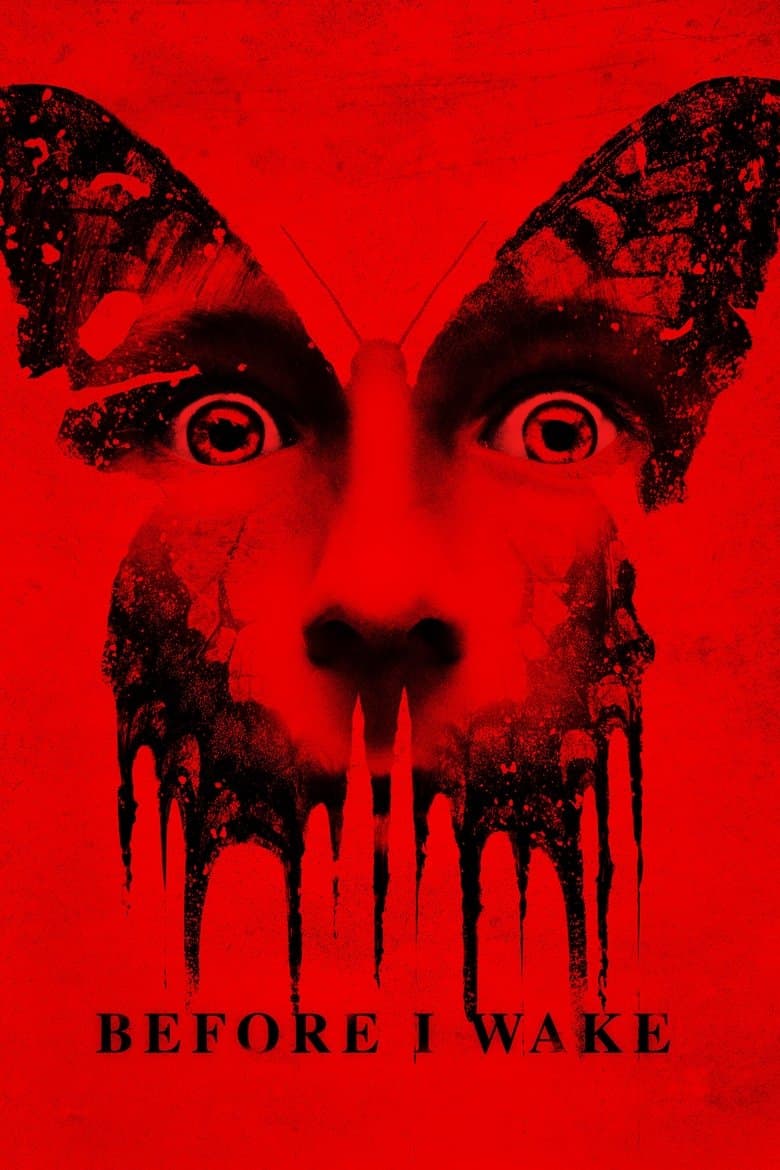
Movie · 2016
An orphaned child's dreams—and nightmares—manifest physically as he sleeps.
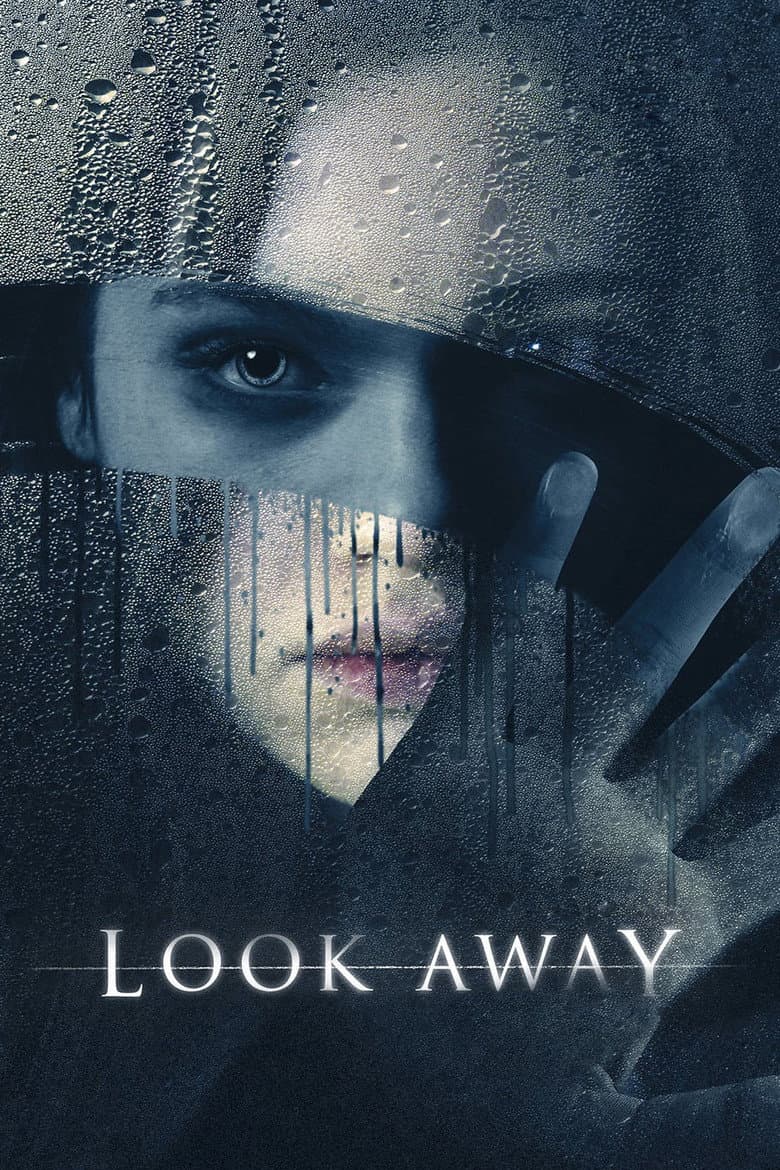
Movie · 2018
A timid and socially alienated 17-year-old high school student's life is turned upside down when she switches places with her sinister mirror image.
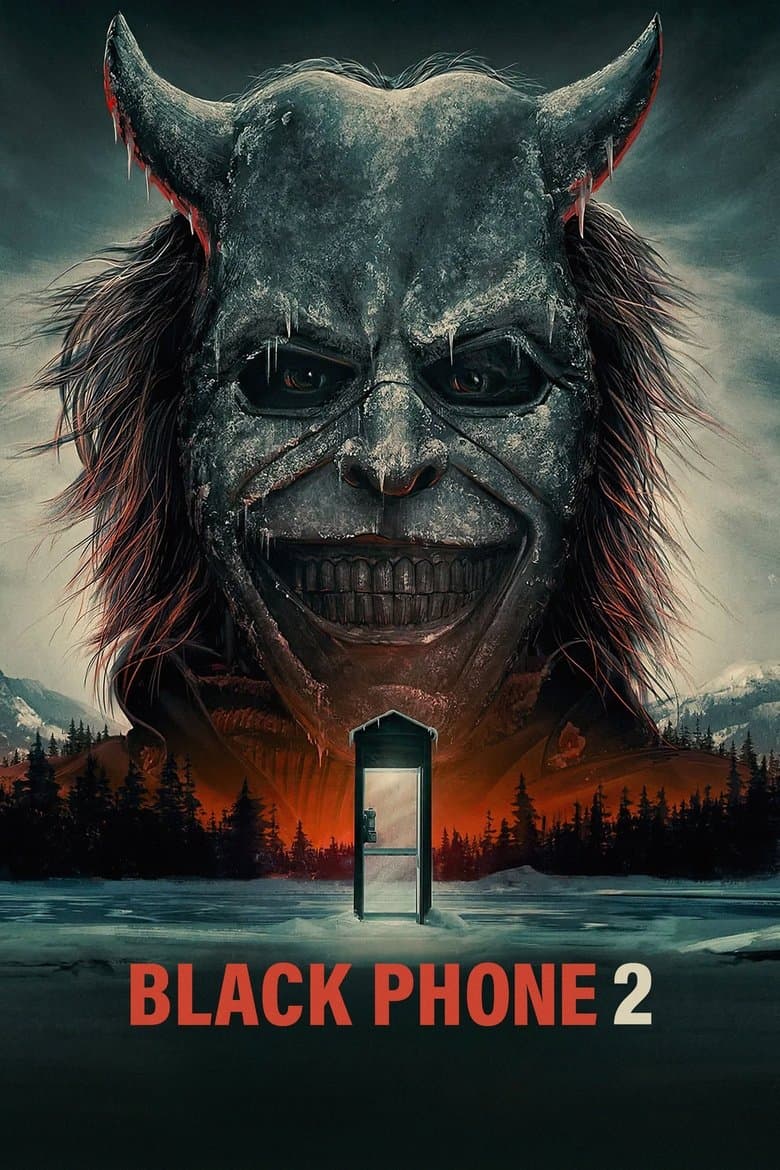
Movie · 2025
Four years after defeating The Grabber, Finney Blake is struggling with life after captivity. When his younger sister Gwen begins receiving calls in her dreams from the Black…
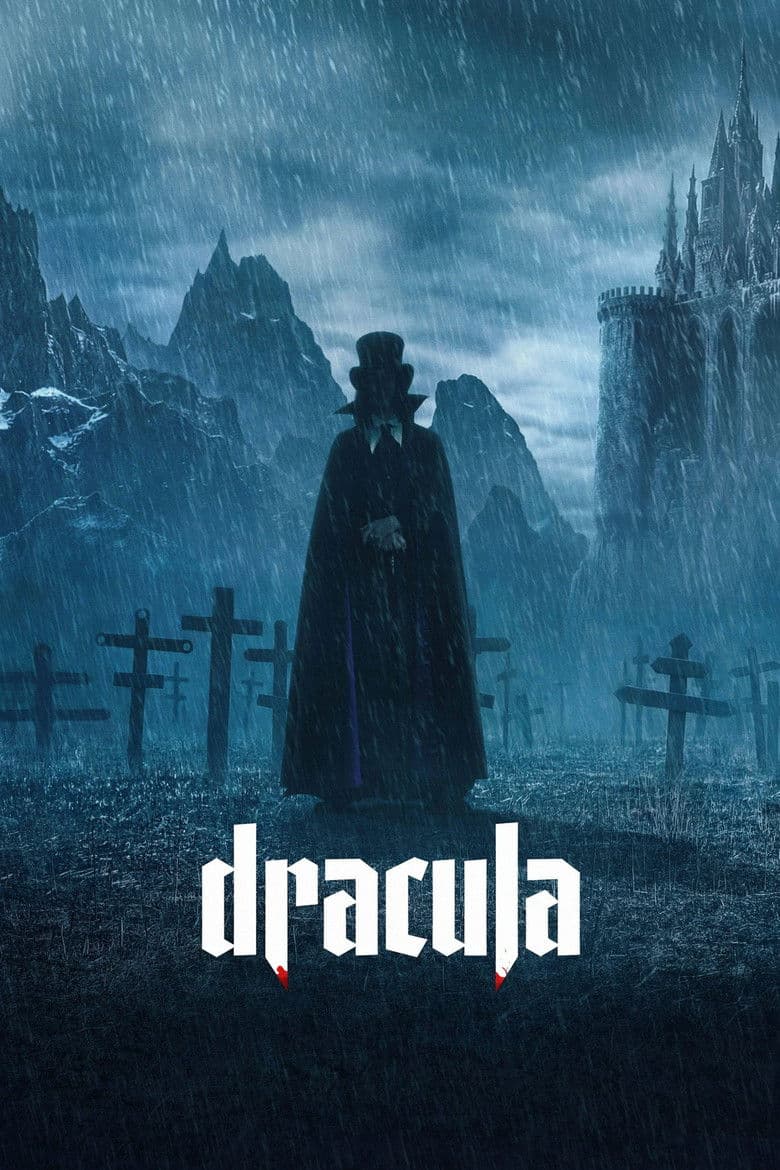
Movie · 2025
In late 15th-century Eastern Europe, Prince Vlad II’s bride is brutally murdered. As a result, he renounces God and damns Heaven itself.

Movie · 2024
A grieving woman in a secluded forest encounters a killer who injects her with a paralytic drug. As her body shuts down, her fight for survival begins.
