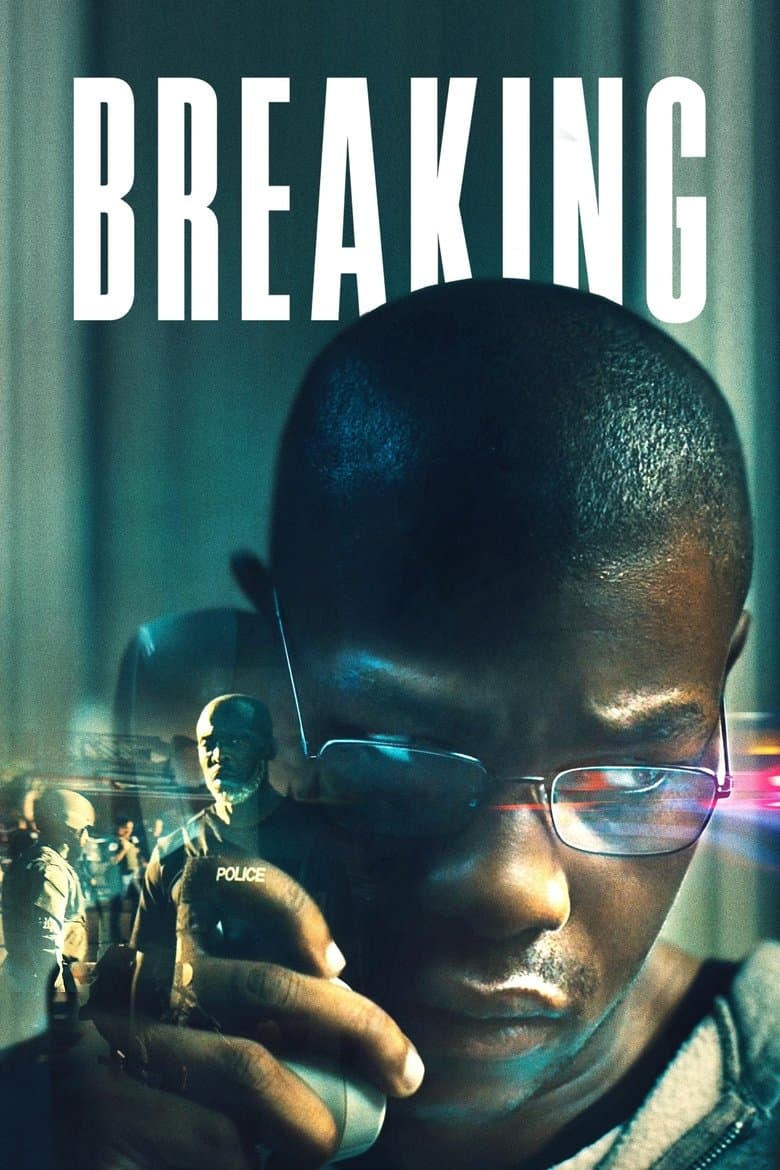
Breaking follows Brian Brown-Easley, a former Marine veteran in Atlanta who is drowning in debt, pain, and stress. After the Department of Veterans Affairs stops his $892 disability check, Brian walks into a bank with a claimed bomb and keeps two workers inside. He wants the money returned and wants officials to hear why he is desperate, not to steal the bank’s cash. The film uses a tense, sad tone as the hostage crisis slowly turns into a fight over family, dignity, and survival.
The film gives clear weight to Brian’s fear that police will kill him because he is black, and he warns his daughter about how the world treats people like them. It also shows the VA as a careless system that leaves a damaged veteran without help, while a police sniper kills him before learning that the backpack has no bomb. The story asks viewers to see a hostage taker as a wounded father who still cares about the two women in the bank. Race, mental health, and official neglect are important themes, but the main story remains a true-life veteran crisis rather than a broad identity campaign.
Community feedback
Was our 55% Woke rating accurate?
Breakdown
These are the editorial factors and ratings behind our score for Breaking.
Woke representation / casting
Not present. The film casts John Boyega as the real Black veteran Brian Brown-Easley and uses black and Latino characters in a modern Atlanta setting. The interviews present these choices as story and acting choices, not as a diversity message.
0%
Woke political dialogue
Brian says a white robber survived a past robbery while he expects police to kill him. Brian tells his wife that their daughter needs to know how the world treats people like them. He repeatedly says that VA workers took or withheld his money and ignored his calls. The dialogue returns to race and official failure during the bank calls, news interview, and police negotiation.
38%
Identity-driven story themes
Brian’s black identity shapes his fear that the police will kill him before hearing his side. Brian warns his daughter about how the world treats people like them. The story links race with mental illness, poverty, and the way officials ignore him. The film also centers a wounded veteran and a loving father, so identity politics is important but not the whole story.
47%
Western institutional / cultural critique
The film presents the VA as a modern bureaucracy that withholds Brian’s disability check and leaves him near homelessness. The police response grows confused and aggressive, and a sniper kills Brian before anyone checks the backpack. A news worker and a police negotiator show more care than the agencies in charge. The film attacks official neglect and police judgment, but it does not attack Christianity or family life.
52%
Woke character or canon changes
Not relevant. The film adapts a real 2017 bank standoff and changes some names and dramatic details. No identity-related change to race, gender, sexuality, or a hero role is reported or shown.
0%
Anti-woke backlash and complaints
Movieguide calls the film’s outlook politically correct and says it blames systemic racism for Brian’s plight. The supplied X pass found no anti-woke posts. Wider coverage mostly discussed veterans and the VA, so the complaint evidence is scattered rather than a major campaign.
10%
Creator track record context
Writer Kwame Kwei-Armah has a strong record of stories about black identity, racism, colonial history, and anti-racist institutions. Director Abi Damaris Corbin has a more humanist record focused on veterans and people facing hardship. Several producers have worked on immigrant and underrepresented stories, while others have no clear activist record. The overall creator context is mixed but noticeably representation-focused.
48%
Production
Movie · 2017
Cairo, 2011. A police officer investigates the murder of a woman in a luxurious hotel in the days leading up to the Egyptian revolution.
Movie · 2021
The seemingly casual reunion of three old friends at an out-of-the-way repair shop masks a hidden agenda fuelled by the arrival of a privileged young yuppie.
Movie · 2023
Based on a true story. 15-year-old Kara Robinson was kidnapped, assaulted and held captive for 18 hours. With her survival instincts kicking in, she plots a daring escape from the…
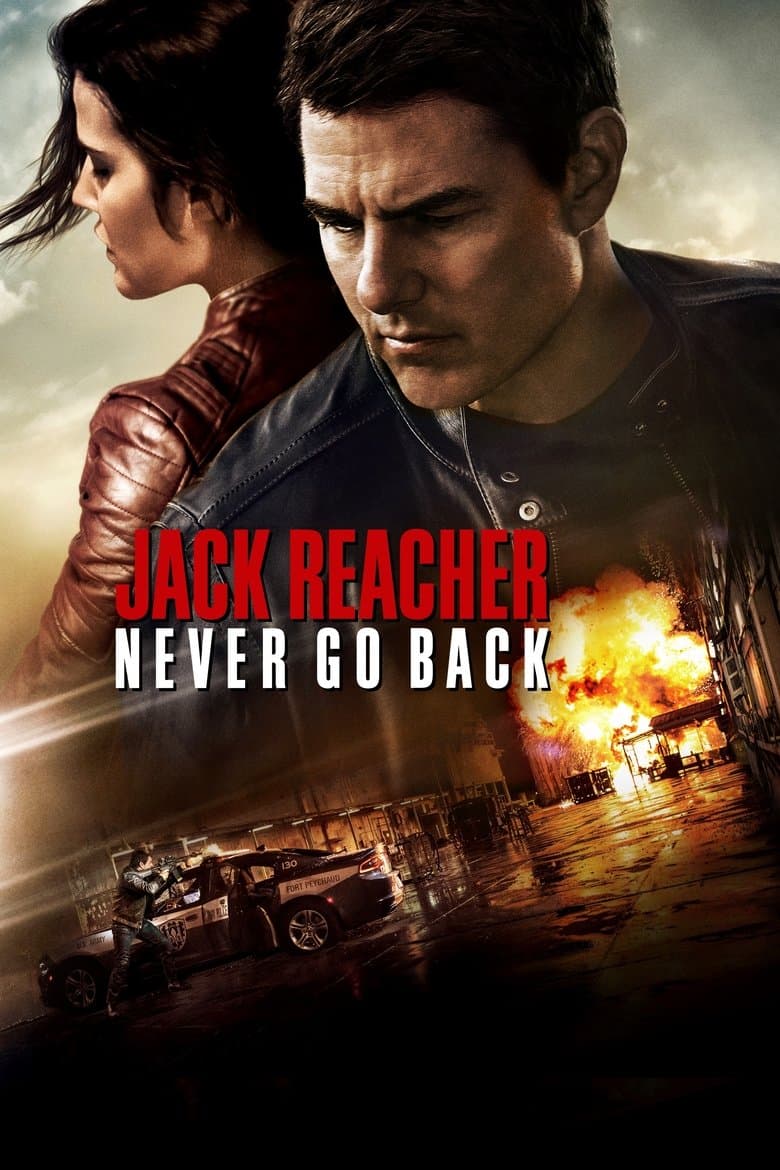
Movie · 2016
Years after resigning command of an elite military police unit, the nomadic, righter-of-wrongs Reacher is drawn back into the life he left behind when his friend and successor…
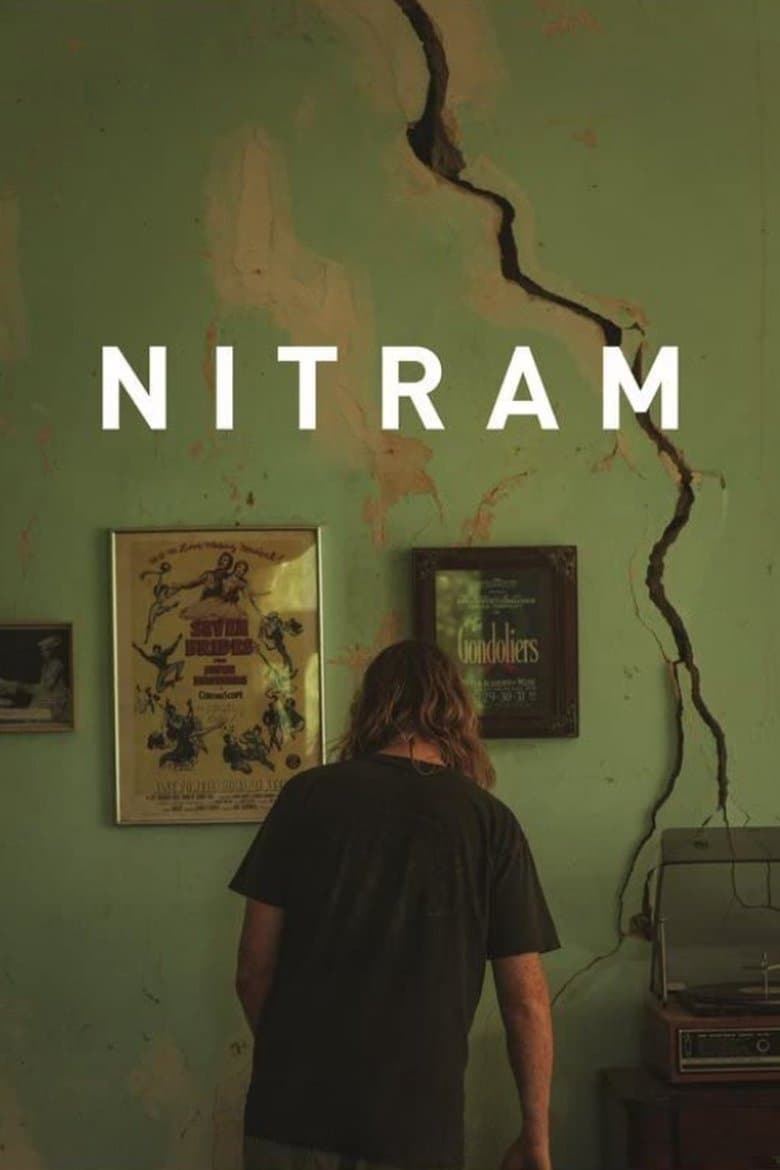
Movie · 2021
Based on true events, "Nitram" lives with his parents in suburban Australia in the mid-90s. He lives a life of isolation and frustration at never fitting in.
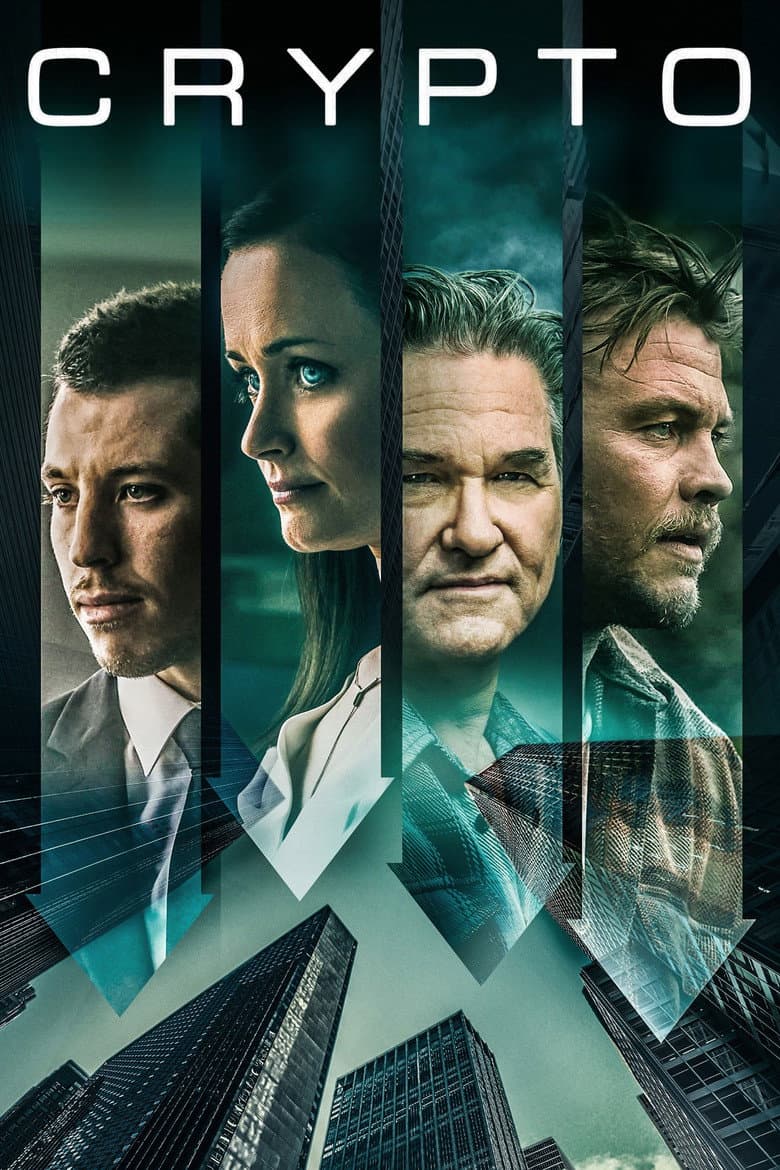
Movie · 2019
A young agent is tasked with investigating a tangled web of corruption and fraud in New York.
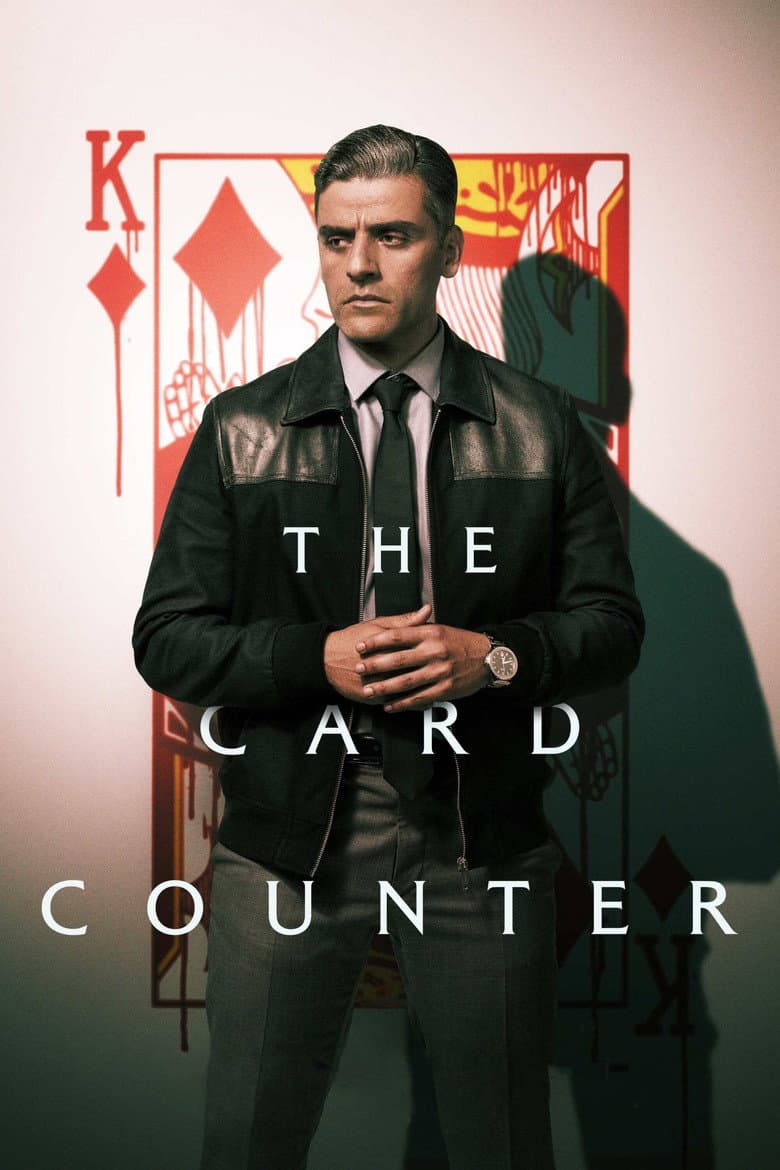
Movie · 2021
William Tell just wants to play cards. His spartan existence on the casino trail is shattered when he is approached by Cirk, a vulnerable and angry young man seeking help to…
Movie · 2017
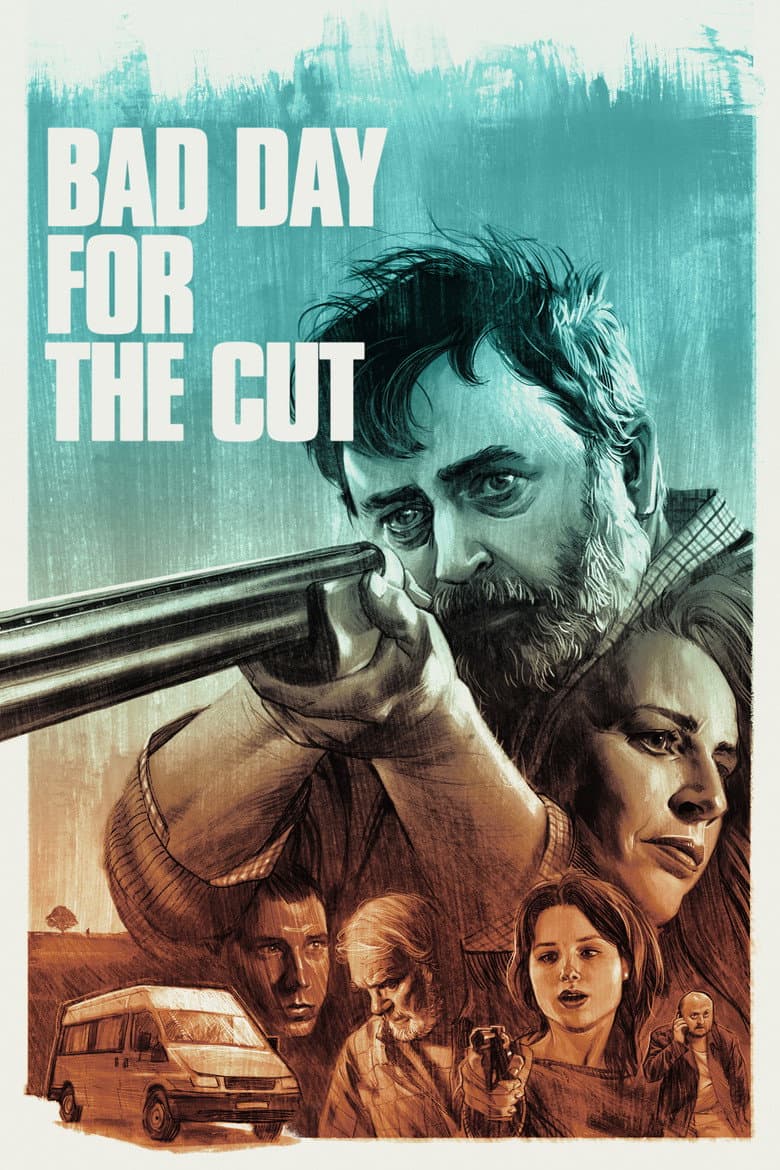
A middle-aged Irish farmer, who still lives at home with his mother, sets off on a mission of revenge when the old lady is murdered.
