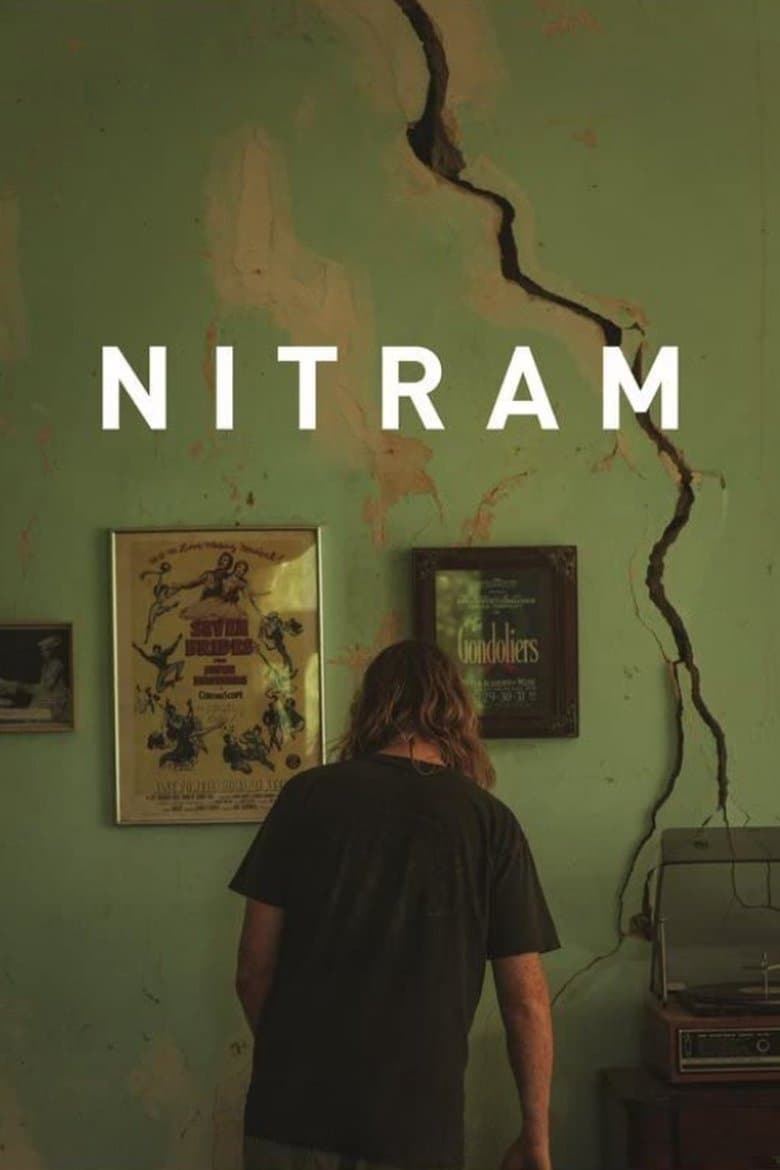
Nitram is a quiet, tense drama set in 1990s Tasmania. It follows a lonely, troubled young man who lives with his parents and never fits in. His anger and isolation grow as family plans fall apart and people around him die or pull away. The story builds toward a real mass shooting without showing the attack itself. The tone is bleak, slow, and hard to watch.
The film is mainly about mental distress, family strain, and how easily a dangerous person could buy guns in Australia before new laws. Viewers clearly see an anti-gun warning in a long gun-shop scene and in text at the end about Australia’s firearm rules after Port Arthur. That message is liberal policy talk, not race, gender, queer, or DEI identity politics. Casting matches the real people and the period. There is no girl-power lecture, no identity swap of famous characters, and no activist dialogue about modern identity groups. A normal viewer notices the gun-control point and the dark true-crime story, not a woke identity agenda.
Community feedback
Was our 28% Woke rating accurate?
Breakdown
These are the editorial factors and ratings behind our score for Nitram.
Woke representation / casting
Main roles match the real people and 1990s suburban Australia. No pattern of identity-first or quota-style casting in prominent parts.
0%
Woke political dialogue
Almost no identity or social-justice speeches. The political point is mainly shown (easy gun sales) and stated in end text about gun laws, which is mild liberal policy talk, not woke identity talk.
15%
Identity-driven story themes
Story is isolation, mental illness, family failure, and a mass killer’s path. Not built on race, gender, queer, or modern identity-politics plots. Disability is part of the real-person picture, not an activist identity theme.
0%
Western institutional / cultural critique
Strong, clear critique of loose gun sales and of systems that failed to stop a dangerous man. End cards push Australia’s post-massacre gun laws as a lesson. Interest in male violence is present but not framed as a lecture on patriarchy, whiteness, or colonial guilt. Noticeable liberal institutional point, not full identity activism.
32%
Woke character or canon changes
Not relevant. Based on real events; ordinary dramatic choices, not identity-driven rewrites of history or known characters.
0%
Anti-woke backlash and complaints
Public anger was mostly about hurting Port Arthur survivors and making a film about a killer. Some pro-gun pushback called it anti-gun politics. Little to no mainstream claim that the movie is “woke,” DEI, or identity propaganda.
12%
Creator track record context
Kurzel’s mid score and focus on violent men, plus producers with social-impact credits, give mild context. Grant and several others score low. For this film they stressed gun reform and careful true-crime storytelling, not representation-first politics.
28%
Production
Movie · 2019
A charismatic New York City jeweler always on the lookout for the next big score makes a series of high-stakes bets that could lead to the windfall of a lifetime.

Movie · 2019
During the 1980s, a failed stand-up comedian is driven insane and turns to a life of crime and chaos in Gotham City while becoming an infamous psychopathic crime figure.
Movie · 2024
While awaiting the next fuel truck at a middle-of-nowhere Arizona rest stop, a traveling young knife salesman is thrust into a high-stakes hostage situation by the arrival of two…
Movie · 2018
John Gotti rises to the top of the New York underworld to become the boss of the Gambino crime family. His life takes a tumultuous turn as he faces tragedy, multiple trials and a…
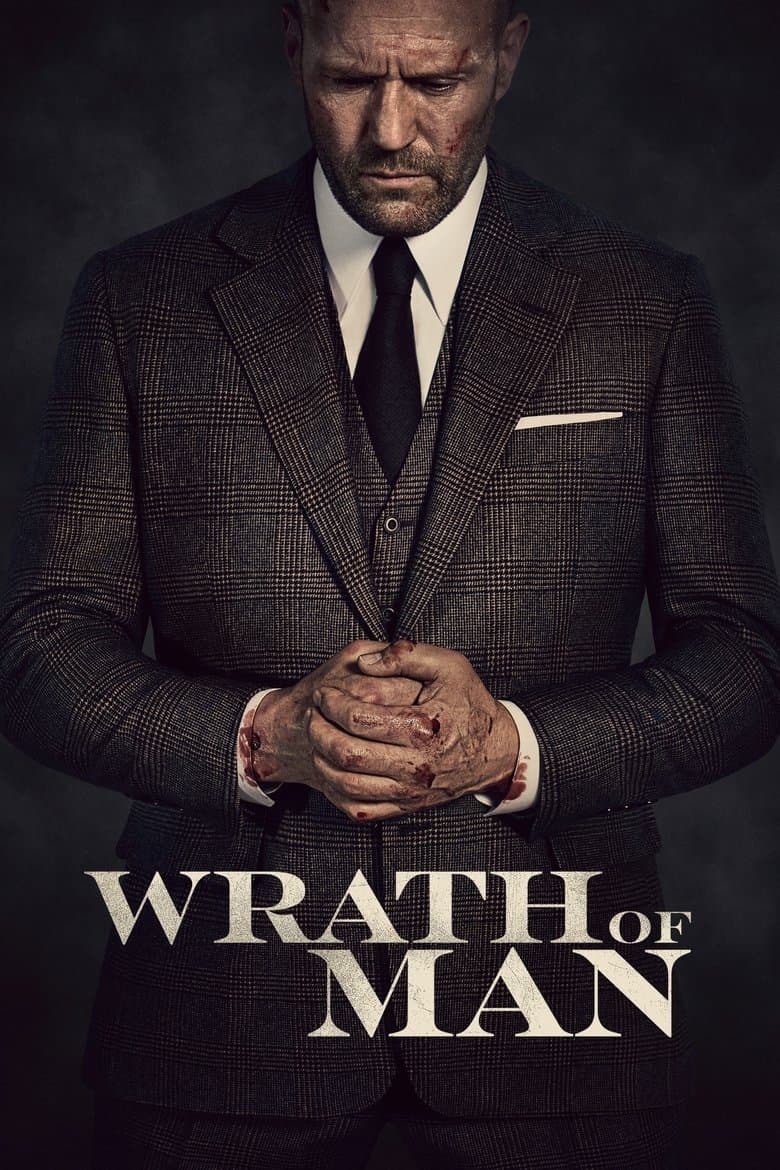
Movie · 2021
A cold and mysterious new security guard for a Los Angeles cash truck company surprises his co-workers when he unleashes precision skills during a heist.
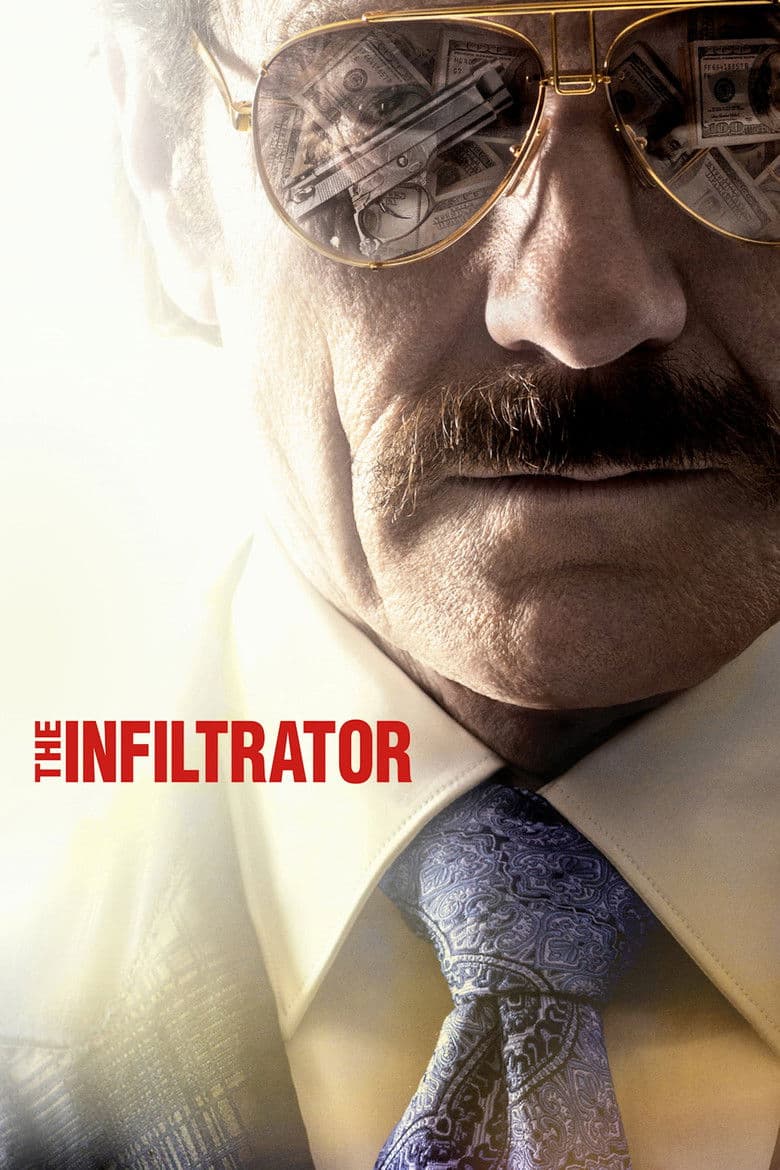
Movie · 2016
A U.S Customs official uncovers a massive money laundering scheme involving Pablo Escobar.
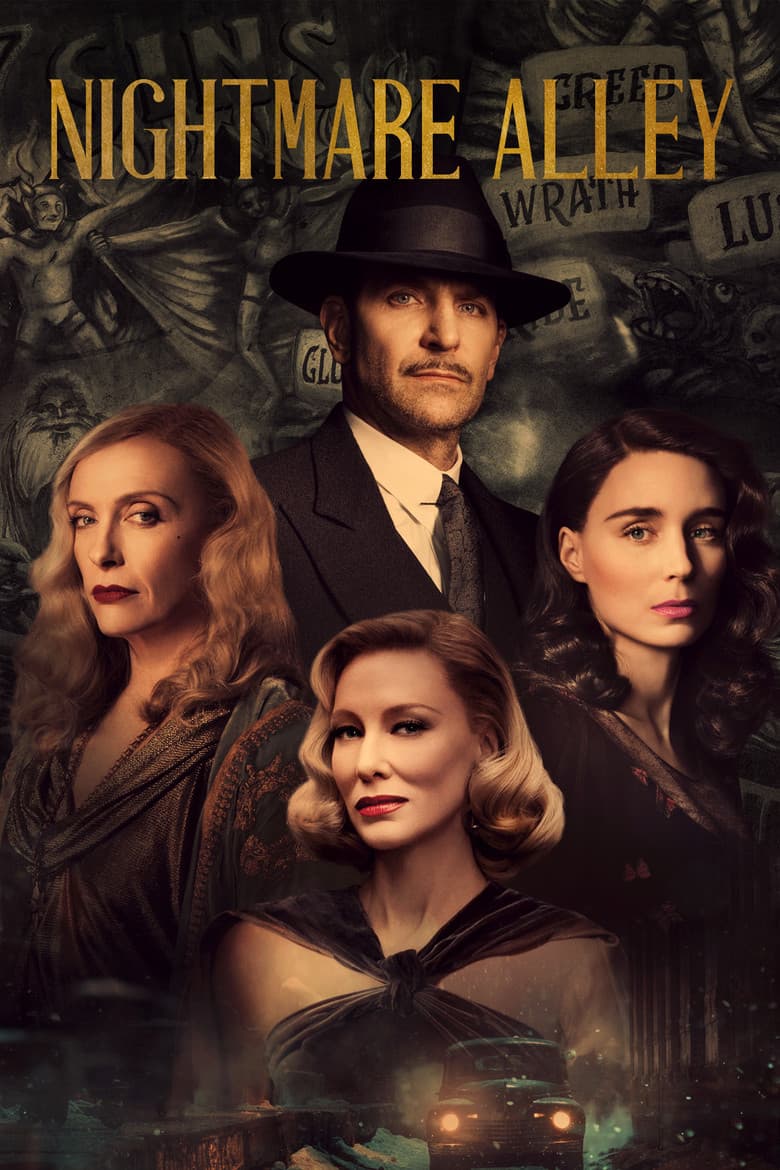
Movie · 2021
An ambitious carnival man with a talent for manipulating people with a few well-chosen words hooks up with a female psychologist who is even more dangerous than he is.
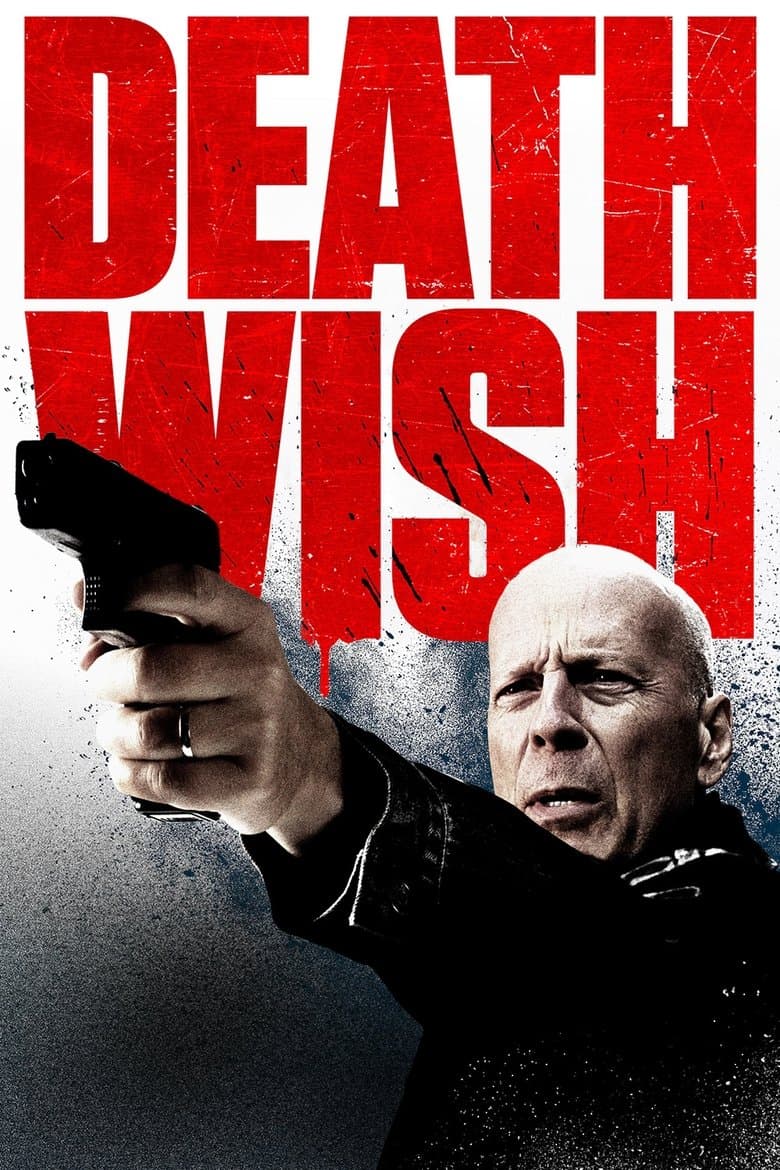
Movie · 2018
A mild-mannered father is transformed into a killing machine after his family is torn apart by a violent act.
