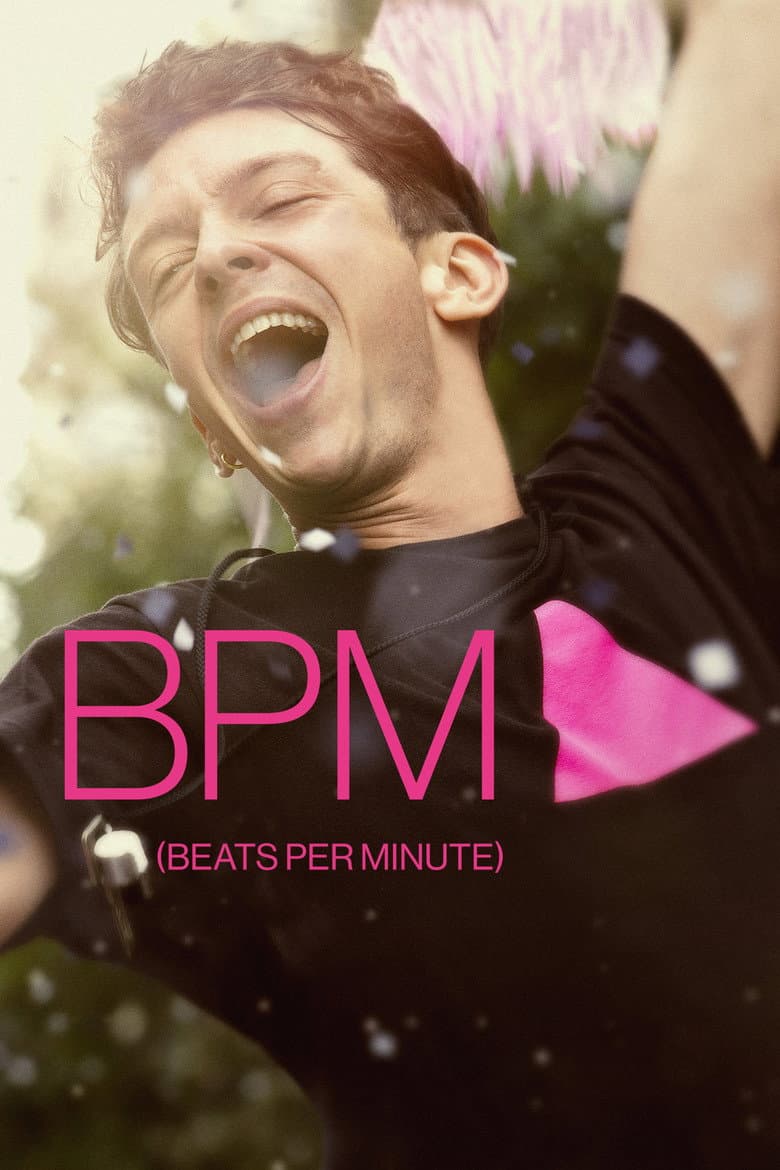
BPM follows Nathan, a young man who joins Act Up Paris in the early 1990s. The group fights the French government and drug companies during the AIDS crisis, while members argue over how loud, harsh, or risky their protests should be. Nathan grows close to Sean, a bold activist whose HIV illness is getting worse. The movie moves between long group meetings, street actions, nightclubs, sex, and the painful end of Sean’s life.
The film puts gay men and the wider AIDS community at the center of its story. It shows activists demanding condoms and school sex lessons, clean needles, better medicine, and respect for sick people, drug users, sex workers, prisoners, and foreigners. The story treats public visibility, shared action, and a chosen family as ways to resist shame and neglect. Its strongest woke elements are the romance between two men, the mostly openly gay cast, and the repeated praise of direct activism against public and medical institutions.
Community feedback
Was our 91% Woke rating accurate?
Breakdown
These are the editorial factors and ratings behind our score for BPM (Beats per Minute).
Woke representation / casting
The movie gives its central roles to openly gay performers, and most of the activist group is presented as gay or queer. The director said the casting team wanted to reproduce Act Up’s diversity and wanted most actors to be openly gay. The film makes this identity choice visible because public visibility is part of the group’s fight. The casting fits the story, but it still creates a strong representation-first pattern.
72%
Woke political dialogue
The activists spend much of the movie debating AIDS policy and protest tactics. They call for condom access in schools, clean needles, drug treatment, better medicine, and public action for gay people, women, foreigners, and drug users. They also argue over whether loud direct action helps or harms their cause. These lines and debates are frequent and central, not a single speech.
76%
Identity-driven story themes
Sean and Nathan’s romance between two men is the main emotional story. Sean’s gay identity, HIV status, sex life, and choice to make his illness public shape his actions. The group presents gay life, queer nightlife, mourning, and chosen family as central parts of its world. The film connects love, sex, public identity, and activism across most of its runtime.
92%
Western institutional / cultural critique
The activists repeatedly blame government agencies for weak prevention and delayed action. The film shows them confronting a drug company over hidden test results and limited access to medicine. School officials and public health leaders resist condoms and direct discussion of sex, while the story links that resistance to deaths. These attacks on state, medical, and social institutions run through the main plot, though they stay tied to the 1990s AIDS crisis.
66%
Woke character or canon changes
Not relevant. The film is a fictionalized account of real Act Up events, but it does not make a race, gender, sexuality, or hero-role swap to an established character or story.
0%
Anti-woke backlash and complaints
Philippe de Beauregard, a far-right local official, called the film militant and said it glorified ACT UP as an extremist group. One audience review also called the activism extreme, but other low-rated reviews mainly complained about length or explicit sex rather than politics. The complaint did not grow into a large news cycle, boycott, or review-bombing campaign. Most public reaction praised the film, so anti-woke backlash stayed fringe.
15%
Creator track record context
Robin Campillo has a strong activist record tied to ACT UP, queer lives, migration, and people pushed aside by society. Philippe Mangeot has a long record in AIDS activism, minority politics, and health policy. Producers Marie-Ange Luciani and Hugues Charbonneau have backed films about queer life, AIDS, migration, and social exclusion. This record strongly matches the film’s activist and queer focus.
84%
Production
Movie · 2016
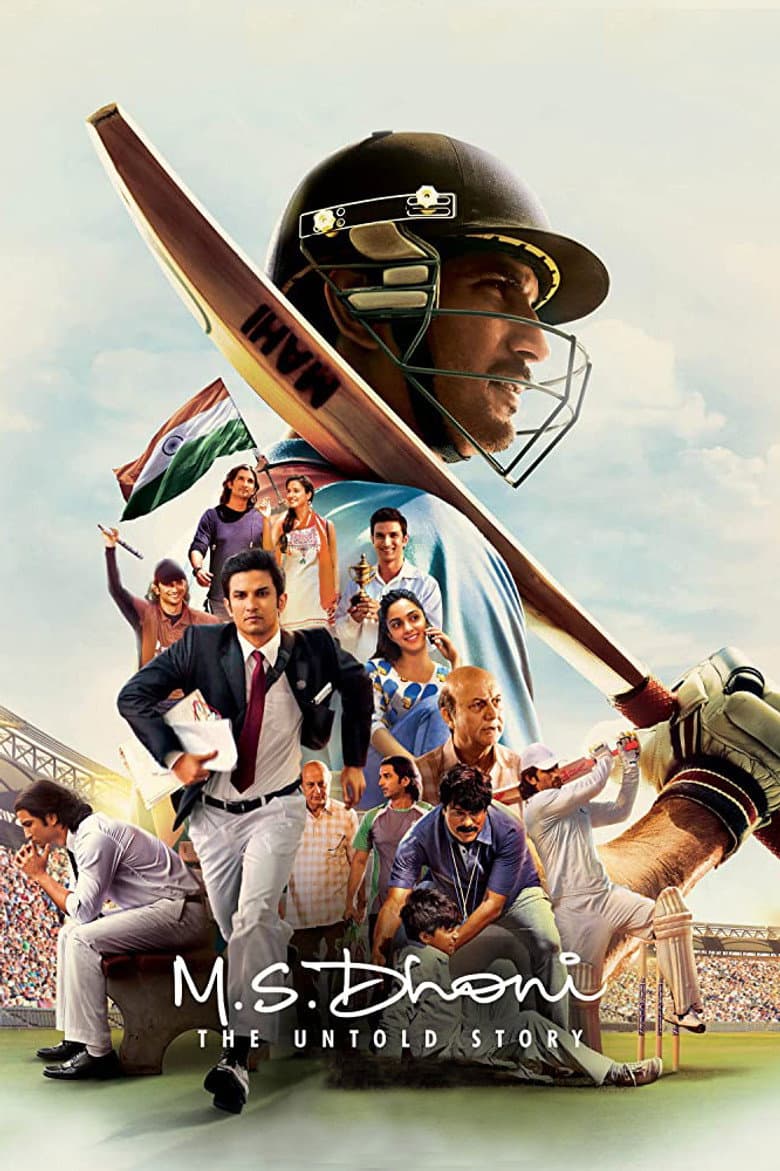
Based on the life story of Mahendra Singh Dhoni, and his journey to being the world cup winning captain of the Indian cricket team.

Movie · 2024
Inspired by the incredible true story of a hairdresser who single-handedly rallies an entire community to help a widowed father save the life of his critically ill young daughter.

Movie · 2018
A father and daughter live a perfect but mysterious existence in Forest Park, a beautiful nature reserve near Portland, Oregon, rarely making contact with the world.
Movie · 2023
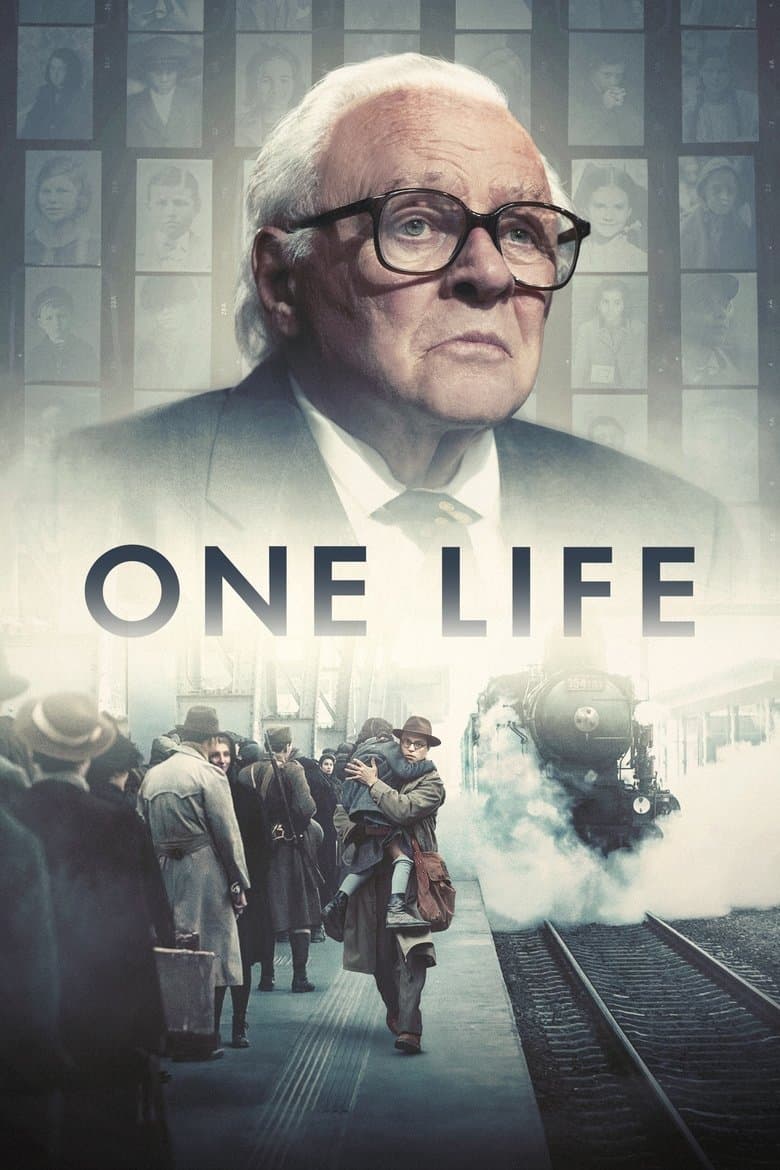
British stockbroker Nicholas Winton visits Czechoslovakia in the 1930s and forms plans to assist in the rescue of Jewish children before the onset of World War II, in an operation…

Movie · 2019
A look at the Apollo 11 mission to land on the moon led by commander Neil Armstrong and pilot Buzz Aldrin.

Movie · 2023
Hirayama is content with his life as a toilet cleaner in Tokyo. Outside of his structured routine, he cherishes music on cassette tapes, books, and taking photos of trees.
Movie · 2021
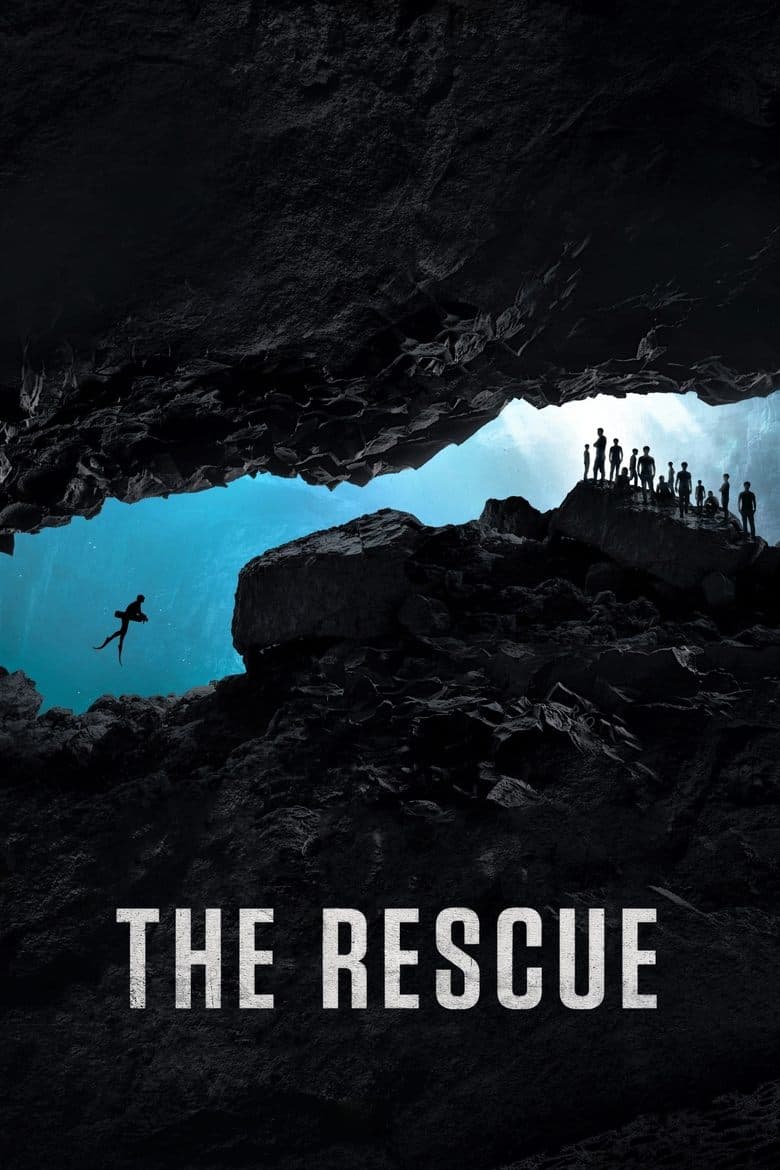
The enthralling, against-all-odds story that transfixed the world in 2018: the daring rescue of twelve boys and their coach from deep inside a flooded cave in Northern Thailand.
Movie · 2018
Dan, a 21-year-old carefree boy is always surrounded by a bunch of friends and fellow hotel interns who feed off each other's everyday moments, their ups and downs.
