
Maren is a teenage girl in late-1980s America. She has a secret urge to eat people, and her dad leaves her after one more bad incident. Alone on the road, she meets Lee, a young drifter who shares the same hunger. The movie is a bloody road romance about two outcasts trying to love each other while their pasts and their needs keep catching up to them.
The strongest “woke” signal is how the story treats being different as a coded queer story. Maren and Lee’s romance is a boy-girl love story on the surface, but the film and many reviews frame their secret hunger like hidden desire, shame, and living outside normal life. Lee is shown as sexually open, flirts with a man to trap him, and is hit with a gay slur. Critics and fans often call it queer horror. Maren is played by Taylor Russell as a mixed-race young woman, with André Holland as her dad, so race is visible in the lead roles without long speeches about it. The 1980s setting also hints at a cold, traditional America that shuts out people who do not fit. There was little real anti-woke backlash; talk focused more on gore, romance, and art-film style.
Community feedback
Was our 67% Woke rating accurate?
Breakdown
These are the editorial factors and ratings behind our score for Bones and All.
Woke representation / casting
Lead Maren is a mixed-race young woman (Taylor Russell) with a black father (André Holland). That is clear on screen in main roles. Race is not the plot engine, and marketing did not push a heavy “representation first” campaign. Still, identity-aware casting in the center of a prestige film is easy to notice, so this sits in the moderate range rather than near zero.
36%
Woke political dialogue
Characters do not give long modern activist speeches about race, gender, or systems of power. A gay slur and 1980s period details appear. Most “politics” stay in mood and setting, not slogan-style talk, so this stays light.
18%
Identity-driven story themes
The core story of secret hunger, shame, found family, and “eaters” living outside normal life is widely framed as a queer otherness metaphor. Lee’s same-sex seduction of a victim, fluid presentation, and the girl-to-girl bite opening support that reading on screen. Because queer identity framing is strong and repeated in the work’s reception and creative intent, this scores high under the project’s queer-weighting rules, even though the main romance is boy-girl.
72%
Western institutional / cultural critique
The late-1980s setting, outsider life, and writer comments about Reagan-era America and people left out of the “American Dream” give a soft critique of traditional 1980s culture. It is more mood and background than a full attack on Western institutions, churches, or men as a class.
40%
Woke character or canon changes
Changes from the book include parent roles, Sully’s family link, how cannibalism works, and the ending. Those are mostly story choices, not famous race/gender swaps of a known franchise hero. The adaptation does lean harder into queer “otherness” coding and Lee’s fluid sexuality than a plain YA horror read, which adds some identity weight without a clear DEI rewrite of a cultural icon.
24%
Anti-woke backlash and complaints
No meaningful wave of right-leaning or anti-woke complaints that this film pushes DEI or identity politics was found. Praise and queer readings dominate; political backlash evidence is basically absent.
0%
Creator track record context
Key people include Guadagnino (queer desire as a long creative focus, cached 51), Kajganich (personal “otherness” and liberal social themes, cached 35), and Spears (queer cinema producing, cached 42). That mix is a clear queer-art track record more than race/DEI campaigning, so the title-level creator context lands near the mid range.
48%
Production

Movie · 2018
Seasoned musician Jackson Maine discovers — and falls in love with — struggling artist Ally. She has just about given up on her dream to make it big as a singer — until Jack…
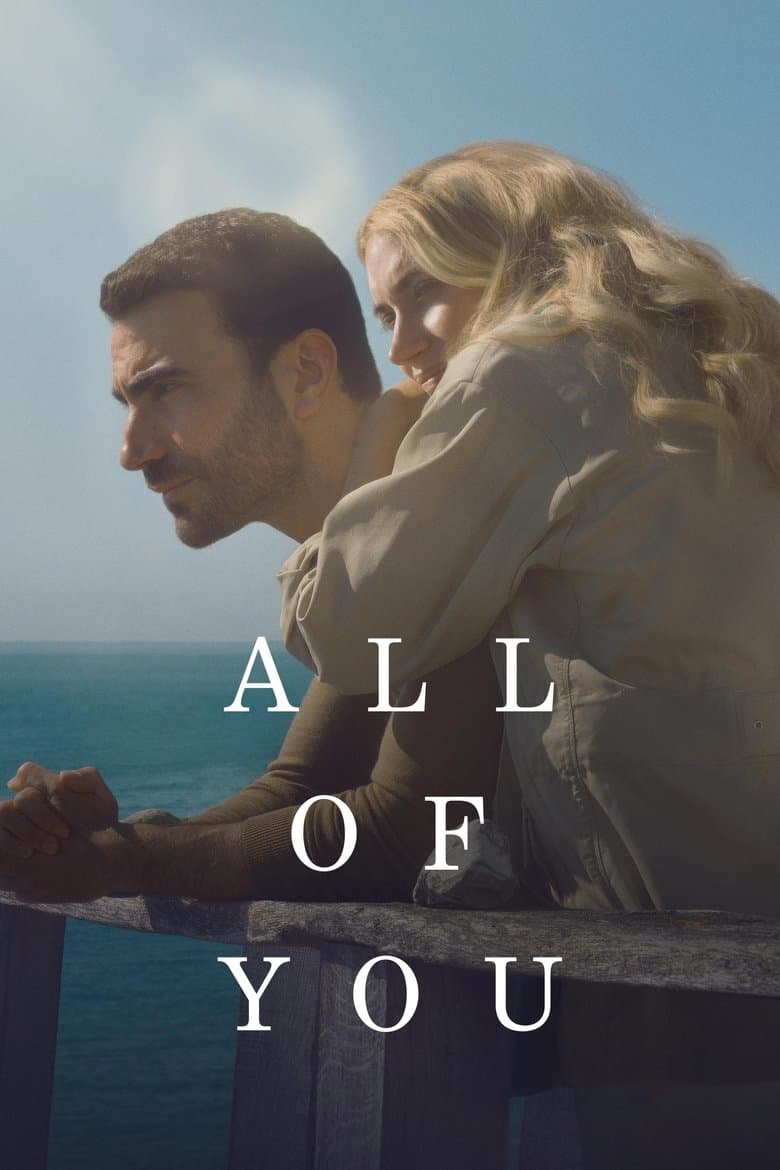
Movie · 2025
Laura and Simon have been best friends since college. Over the years, they've realized their bond is more than platonic.

Movie · 2020
At the height of the Cold War, a Soviet spacecraft crash lands after a mission gone awry, leaving the commander as its only survivor.
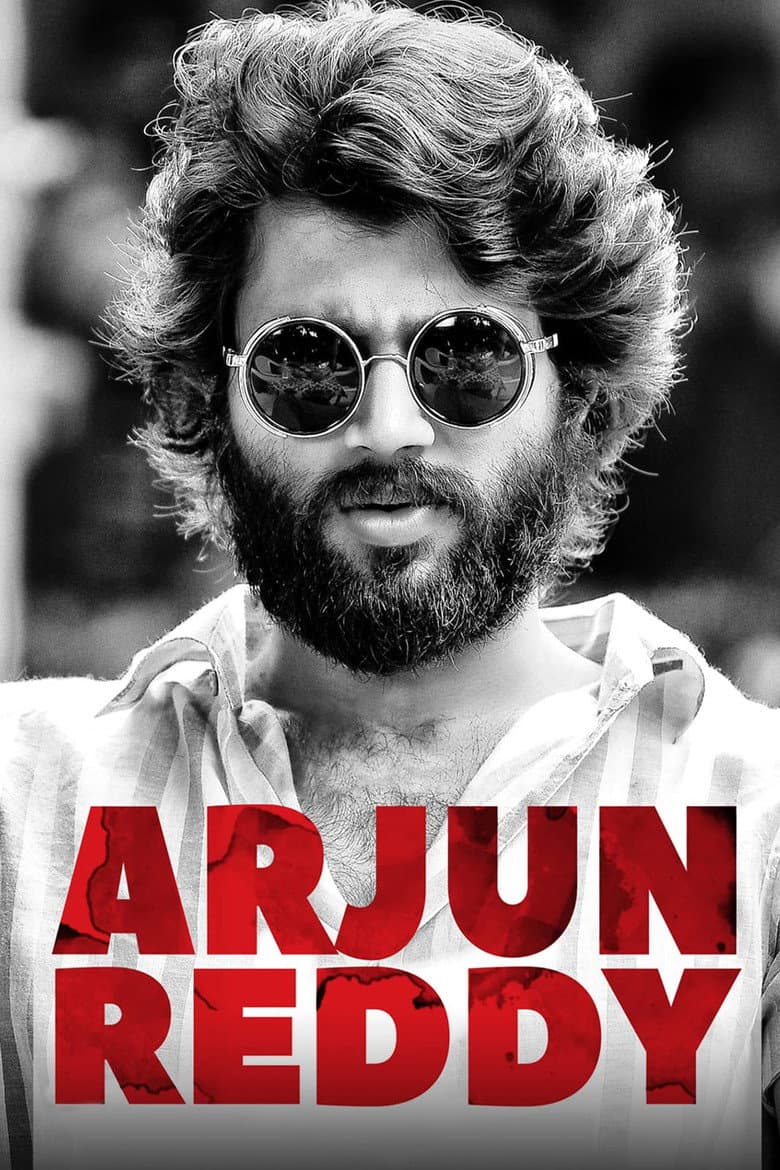
Movie · 2017
A brilliant but impulsive young surgeon spirals into self-destruction after a painful breakup, struggling to cope with love, loss, and the consequences of his own temper.
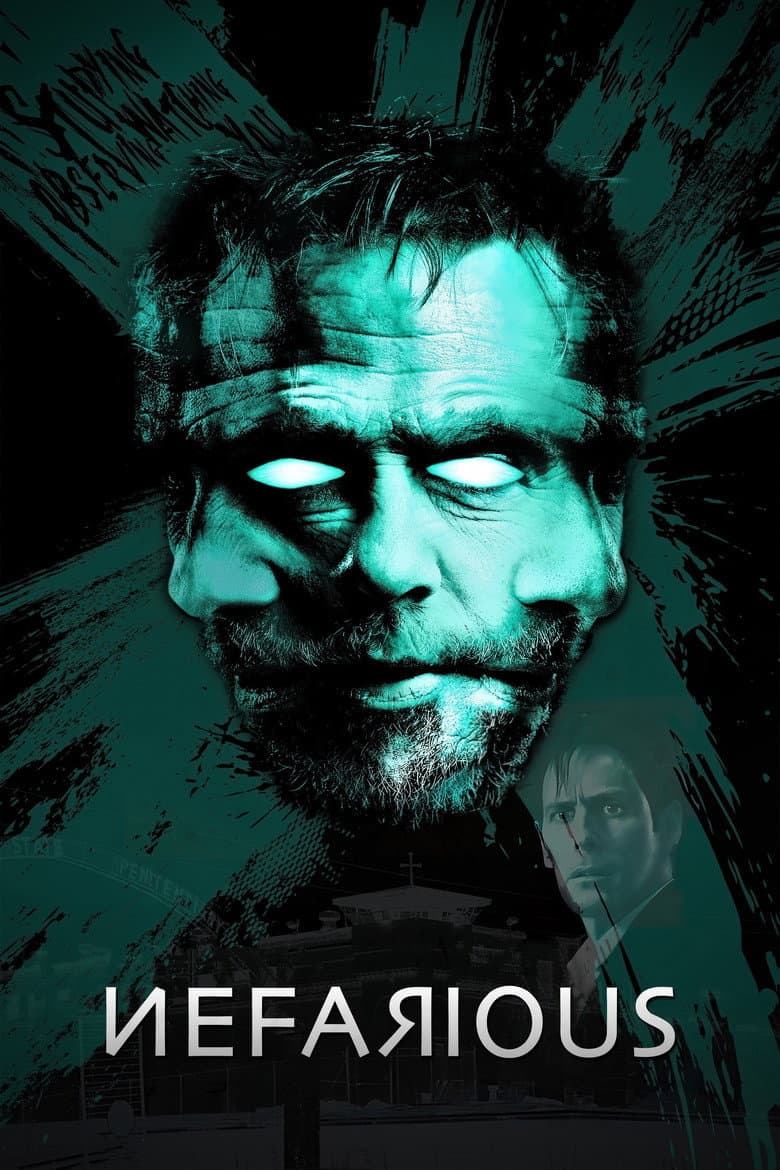
Movie · 2023
On the day of his scheduled execution, a convicted serial killer gets a psychiatric evaluation during which he claims he is a demon, and further claims that before their time is…
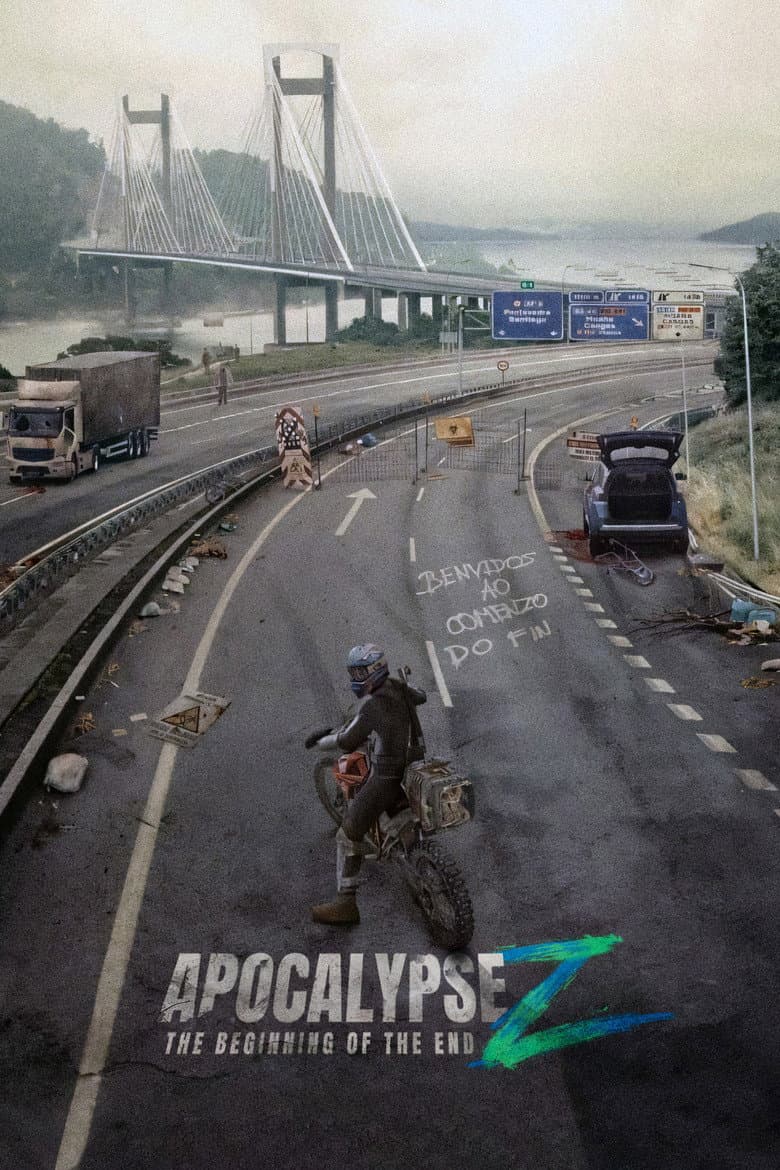
Movie · 2024
When a kind of rabies that transforms people into aggressive creatures spreads across the planet, Manel isolates himself at home with his cat, relying on his wits to survive; but…

Movie · 2025
18-year-old Noah moves from America to London, with her mother who's recently fallen in love with William, a wealthy British businessman.
Movie · 2025
In late 15th-century Eastern Europe, Prince Vlad II’s bride is brutally murdered. As a result, he renounces God and damns Heaven itself.
