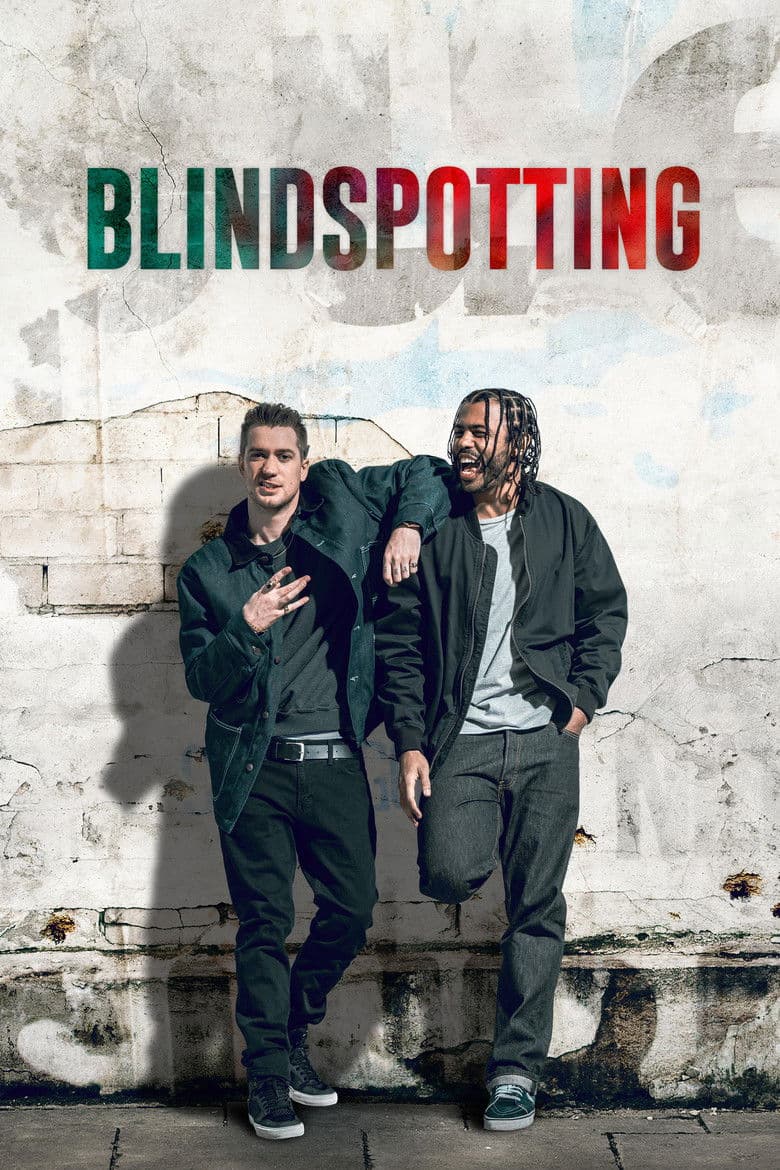
Collin has three days left on probation after serving time for a violent fight. He works as a mover in Oakland with Miles, his reckless white childhood friend. After Collin sees a police officer shoot a fleeing black man, he struggles to stay calm and out of jail. The film mixes sharp comedy, tense crime scenes, rap, and dreamlike visions as the friends face a city changing around them.
The story puts race, police violence, poverty, class, and neighborhood change at the center of the friendship. Collin fears that the police will judge him as a dangerous black man, while Miles can act tough and escape some of the same risks because he is white. The film shows wealthy newcomers changing the old neighborhood and treats this change as a loss for longtime residents. Its final rap scene openly attacks police power and the forces pushing local people out, so the social message is a major part of the plot.
Community feedback
Was our 84% Woke rating accurate?
Breakdown
These are the editorial factors and ratings behind our score for Blindspotting.
Woke representation / casting
Not present. The film uses a mixed Oakland cast, but the main identities fit the setting and story. The creators describe the choice as local truth, not as a broad diversity campaign.
0%
Woke political dialogue
Collin and Miles repeatedly argue about race, police danger, neighborhood change, and who gets treated as a threat. Collin says his black identity makes the police more likely to shoot or arrest him, while Miles can act tough with fewer risks because he is white. A party fight raises questions about copying black culture and who belongs in Oakland. The final rap turns the message into a direct attack on police power and the forces pushing longtime residents out.
70%
Identity-driven story themes
The story makes race and identity central to Collin’s fear, probation, and friendship with Miles. The film treats police violence against a black man, different treatment for a white friend, and the loss of a longtime neighborhood as connected problems. Miles also struggles with using Black style while claiming Oakland as his own. Collin’s final choice grows out of this identity conflict, so the theme is hard to miss.
78%
Western institutional / cultural critique
The film presents the police and justice system as dangers that place a heavier burden on black men. The story shows wealthy newcomers and tech workers changing Oakland while older residents face losing homes, shops, and a sense of belonging. The film also attacks tough male behavior when Miles’s pride, anger, and gun put his family and Collin at risk. The final scene joins police power and neighborhood loss in one angry speech.
72%
Woke character or canon changes
Not relevant. The film is an original story with no established characters or real historical figures being changed. The film creates Collin, Miles, and the other characters for this story.
0%
Anti-woke backlash and complaints
X evidence shows a small 2018 boycott call that blamed the film for stirring racial tension and violence, plus a tiny post calling it racist. Small later posts listed Blindspotting as a woke movie or as a film that online political critics would call woke. Movieguide called the film politically correct and left-leaning, and criticized its one-sided view of neighborhood change. No major news fight, large campaign, or strong review-bombing pattern was found, so the backlash remains fringe.
30%
Creator track record context
Carlos López Estrada’s wider work links him to police violence, race, justice, and support for new filmmakers from varied backgrounds. Daveed Diggs and Rafael Casal have public records centered on race, representation, social inequality, and activist arts work. Interviews about this film stress authentic Oakland, police shootings, race, class, and neighborhood change. The producers have no strong activist pattern in the available context. This makes the creator track record a strong supporting signal.
61%
Production
Movie · 2017
After 20 years abroad, Mark Renton returns to Scotland and reunites with his old friends Sick Boy, Spud and Begbie.
Movie · 2018
The true story of Forrest Tucker, from his audacious escape from San Quentin at the age of 70 to an unprecedented string of heists that confounded authorities and enchanted the…
Movie · 2025
A retired hitman's life is turned upside down when his ex-wife and son arrive unannounced during the holidays because they are on the run from his former mob associates.
Movie · 2025
A former Army Ranger and struggling father turns to robbing McDonald’s restaurants by cutting holes in their roofs, earning him the nickname "Roofman." After escaping prison, he…
Movie · 2017
When a depressed woman is burglarized, she finds a new sense of purpose by tracking down the thieves alongside her obnoxious neighbor.
Movie · 2016
Based on the true story of two young men, David Packouz and Efraim Diveroli, who won a $300 million contract from the Pentagon to arm America's allies in Afghanistan.
Movie · 2017
The true story of pilot Barry Seal, who transported contraband for the CIA and the Medellin cartel in the 1980s.
Movie · 2016
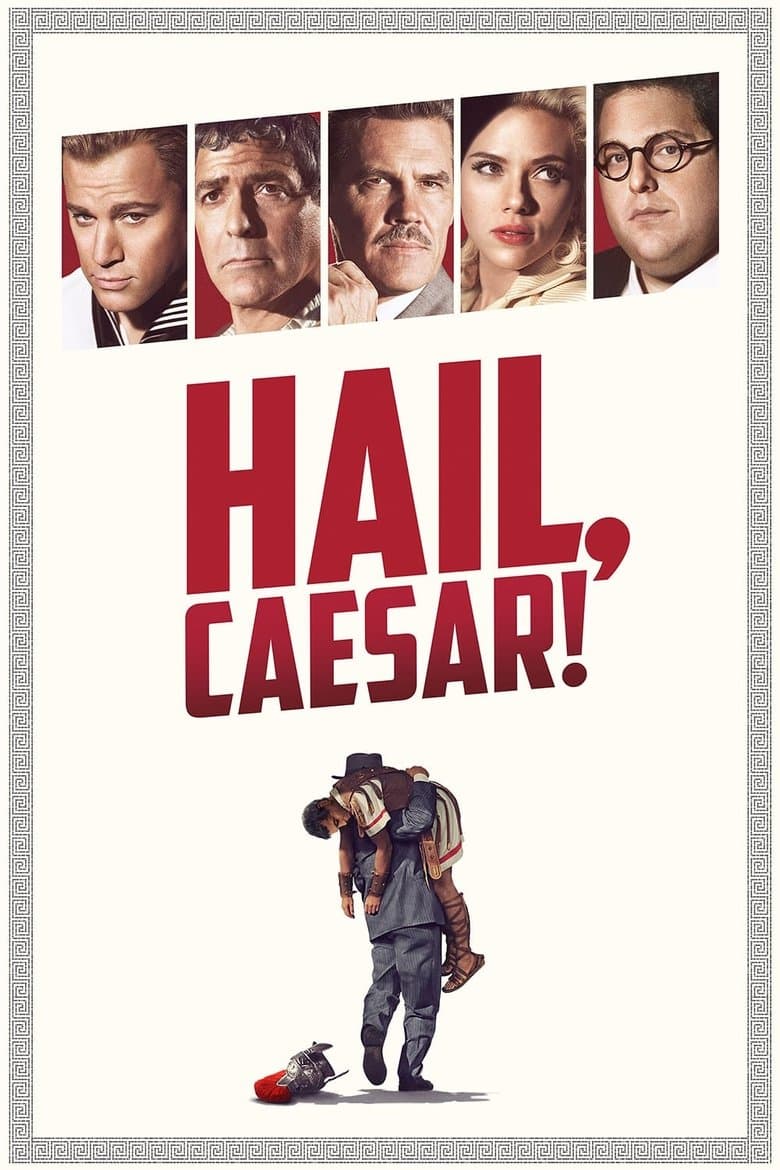
When a Hollywood star mysteriously disappears in the middle of filming, the studio sends their fixer to get him back.
