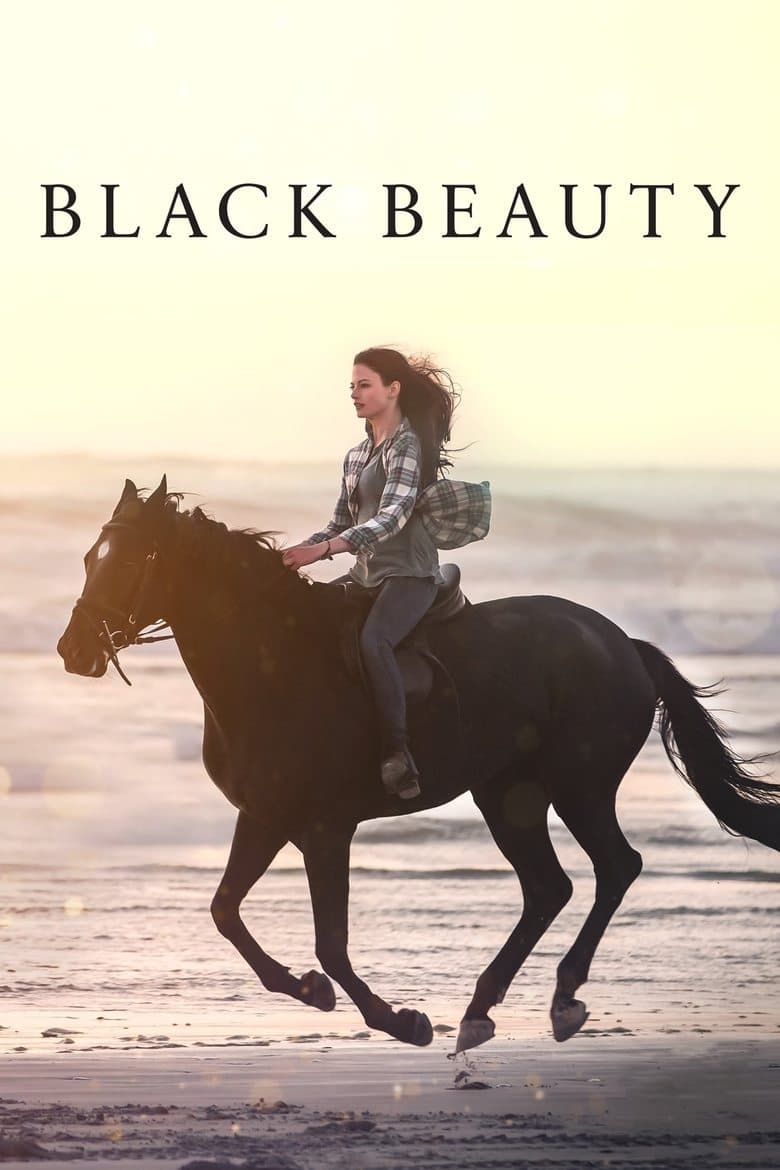
The movie gender-swaps the horse black Beauty into a mare and makes the main human a teenage girl so the story can hammer the girl-horse bond as female empowerment. Director Ashley Avis openly called the change “timely” for “giving a voice to underrepresented ones today.” It keeps pushing girl power, mare leadership in herds, and resilience themes while adding light climate nods and heavy animal-welfare lectures on wild-horse roundups. Average viewers will clearly see the modern representation framing layered on the classic horse story.
Community feedback
Was our 64% Woke rating accurate?
Breakdown
These are the editorial factors and ratings behind our score for Black Beauty.
Woke representation / casting
Visible gender swap of black Beauty from stallion to mare plus female teen lead; director publicly framed as giving voice to “underrepresented” females for timely representation signaling.
50%
Woke political dialogue
Light modern nods (climate change reference) plus updated animal-welfare lessons; no recurring explicit activist speeches on identity or politics.
25%
Identity-driven story themes
Narrative engine centers girl-mare bond, female resilience, and empowerment with noted feminist messages around mare leadership.
45%
Western institutional / cultural critique
Depicts horse abuse and wild-horse roundups critically via animal-welfare lens; no reframing into modern identity politics, patriarchy, or systemic oppression.
20%
Woke character or canon changes
Clear gender swap of protagonist horse and shift to female-focused story; publicly discussed by director as representation update.
50%
Anti-woke backlash and complaints
Only fringe book-purist gripes on changes; no meaningful broader backlash claiming too-woke identity politics.
15%
Creator track record context
Director’s consistent animal-welfare activism (nonprofit, documentary) supports context but shows no pattern of broader identity or social-justice projects.
45%
Production
Movie · 2023
Hirayama is content with his life as a toilet cleaner in Tokyo. Outside of his structured routine, he cherishes music on cassette tapes, books, and taking photos of trees.
Movie · 2016
Based on the life story of Mahendra Singh Dhoni, and his journey to being the world cup winning captain of the Indian cricket team.
Movie · 2018
A father and daughter live a perfect but mysterious existence in Forest Park, a beautiful nature reserve near Portland, Oregon, rarely making contact with the world.
Movie · 2024
Inspired by the incredible true story of a hairdresser who single-handedly rallies an entire community to help a widowed father save the life of his critically ill young daughter.
Movie · 2023
British stockbroker Nicholas Winton visits Czechoslovakia in the 1930s and forms plans to assist in the rescue of Jewish children before the onset of World War II, in an operation…
Movie · 2021
The enthralling, against-all-odds story that transfixed the world in 2018: the daring rescue of twelve boys and their coach from deep inside a flooded cave in Northern Thailand.
Movie · 2018
Dan, a 21-year-old carefree boy is always surrounded by a bunch of friends and fellow hotel interns who feed off each other's everyday moments, their ups and downs.

Movie · 2024
The Herdman kids are undeniably the worst kids in the history of the world. They lie, steal, cheat, bully and overall terrorize their small community.
