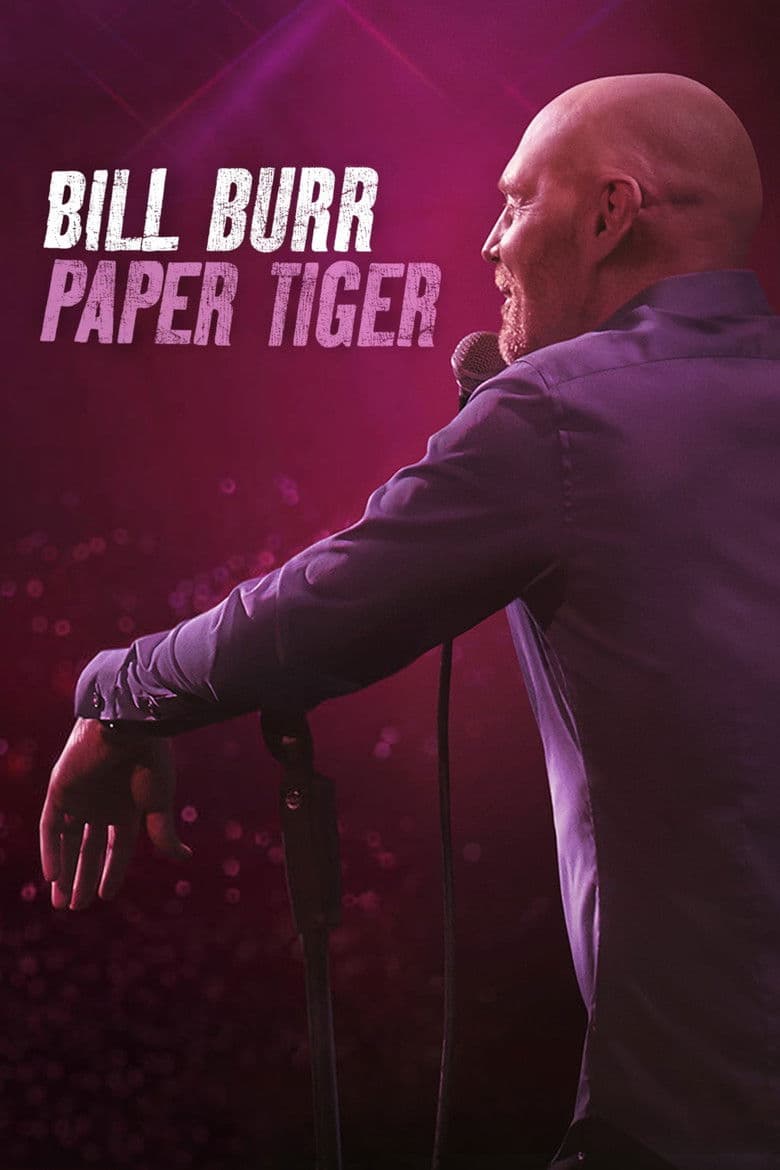
Bill Burr performs alone in front of a packed crowd at London's Royal Albert Hall. He speaks as an angry husband and new father who is trying to control his temper and understand his own feelings. His set jumps from sex and robots to his childhood, his rescue dog, and the strain his anger puts on his marriage. The tone is loud, rude, fast, and sometimes tender.
The opening section attacks political correctness, #MeToo, male feminists, consent rules, and the idea that people must believe every claim without question. Burr also jokes about Colin Kaepernick's protest against police brutality and argues with his black wife about Elvis and the history of Black music. These parts make race, gender, and public speech clear subjects, but the jokes usually mock activist language instead of supporting it. The special later turns inward as Burr admits that his anger, emotional shutdown, and old ideas about being a man hurt his family.
Community feedback
Was our 35% Woke rating accurate?
Breakdown
These are the editorial factors and ratings behind our score for Bill Burr: Paper Tiger.
Woke representation / casting
Not present. The special centers on one comedian on stage. It does not build its visible cast around race, gender, or diversity.
0%
Woke political dialogue
Bill Burr spends a long opening section on #MeToo, “believe women,” consent, male feminists, and Colin Kaepernick’s police-brutality protest. He returns to race and cultural appropriation in the Elvis story with his wife. These topics make modern identity politics a clear part of the spoken material, but the jokes mostly mock activist positions instead of promoting them. The subject is substantial, yet it does not drive the whole hour.
35%
Identity-driven story themes
The special returns to race, feminism, sexual consent, disability, transgender casting, and male emotional habits. Burr uses his marriage to discuss Black music, white privilege, and how his wife sees racism that he misses. He also shows old ideas about manhood as a source of anger that hurts his family. These themes are clear and repeated, but the set treats them as arguments and jokes rather than a sustained activist message.
34%
Western institutional / cultural critique
Burr mocks modern speech rules, hashtags, representation demands, and public ideas about who may play a disabled or transgender role. He also shows male anger and emotional shutdown as harmful, and he praises his wife’s steadier way of handling grief. The special does not attack Christianity or Western institutions as a whole. Its main direction is anti-PC, so its modern institutional / cultural critique is noticeable but limited.
30%
Woke character or canon changes
Not relevant. The special does not adapt a story or change an established character. It only jokes about real people such as Michelle Obama and Elvis Presley without recasting them.
0%
Anti-woke backlash and complaints
Not present. Reports described little controversy, and the supplied X pass found no anti-woke complaints about the special. Public praise for its anti-PC stance is not backlash against a woke title.
0%
Creator track record context
Mike Binder has one clear race-focused film, Black or White, but he lacks a long public record of activist work. Bill Burr has supported the original #MeToo movement and criticized racism, but he also attacks political correctness. The listed producers have little or no public identity-politics record in the supplied context. The creator track record context is therefore low.
22%
Production
Movie · 2023
From his onstage tackle to the slap heard round the world, Dave Chappelle lets loose in this freewheeling and unfiltered stand-up comedy special.
Movie · 2016
Two teenage boys from inner-city Cork steal bicycles and ride off on a 160km quest to find an unrecovered bale of cocaine worth 7,000,000 euros.
Movie · 2020
Scott has been a case of arrested development ever since his firefighter father died when he was seven. He's now reached his mid-20s having achieved little, chasing a dream of…
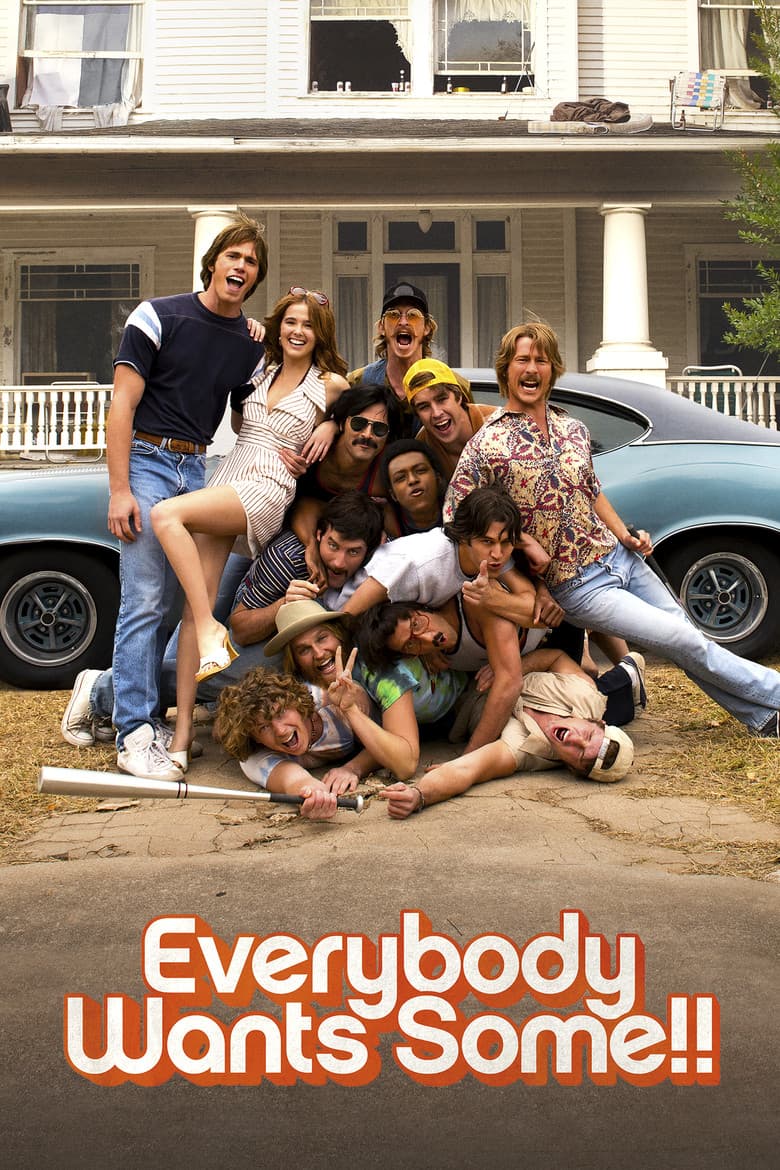
Movie · 2016
A comedy that follows a group of friends as they navigate their way through the freedoms and responsibilities of unsupervised adulthood.
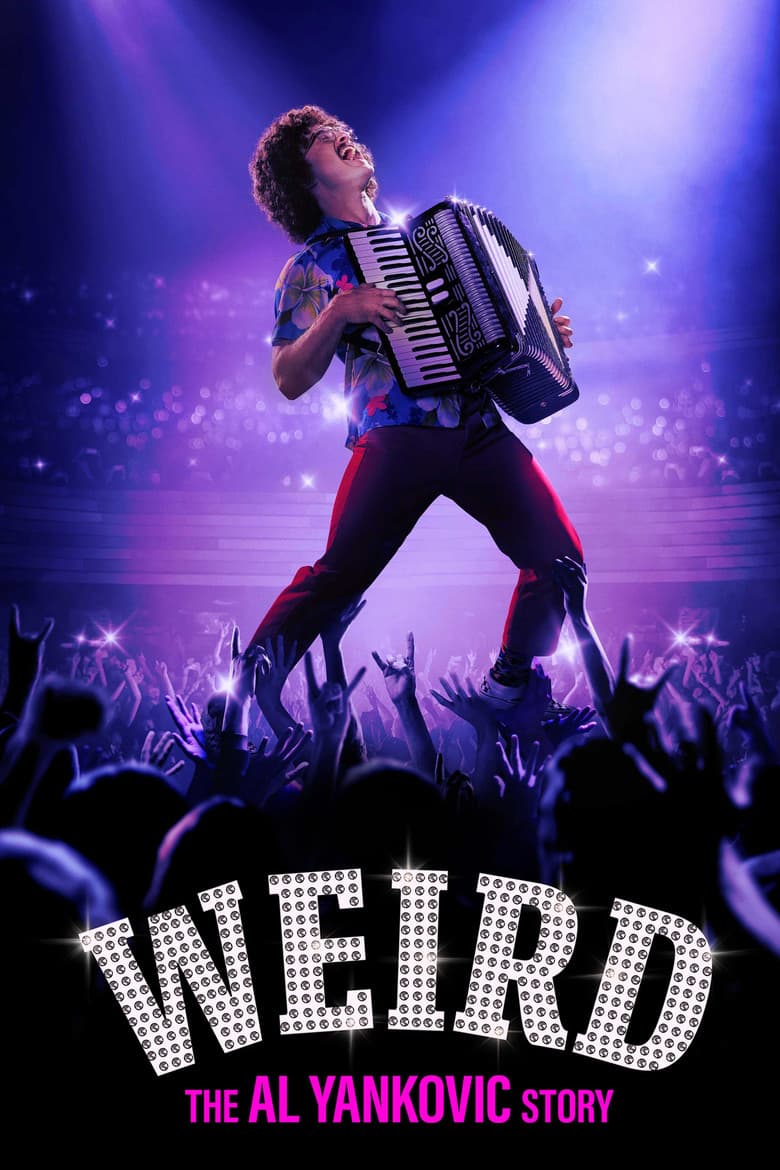
Movie · 2022
Exploring every facet of ‘Weird Al’ Yankovic’s life, from his meteoric rise to fame with early hits like ‘Eat It’ and ‘Like a Surgeon’ to his torrid celebrity love affairs and…
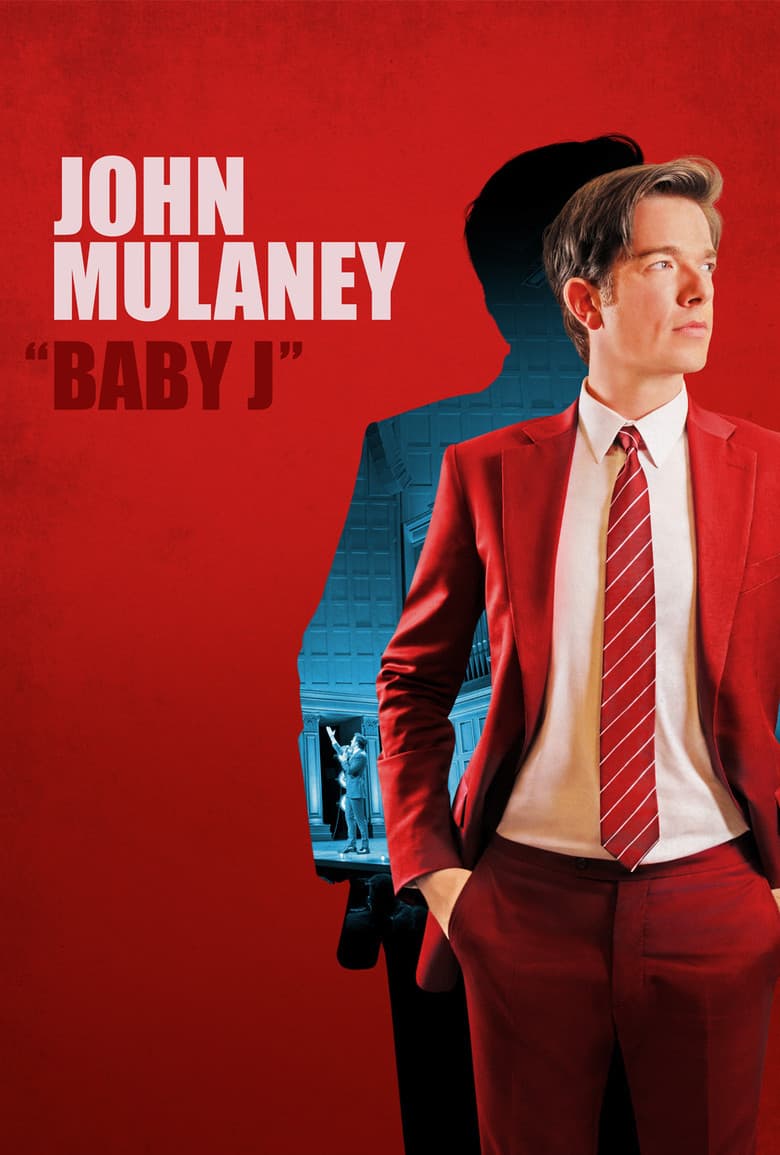
Movie · 2023
A chaotic intervention. An action-packed stay in rehab. After a weird couple of years, John Mulaney comes out swinging in his return to the stage.
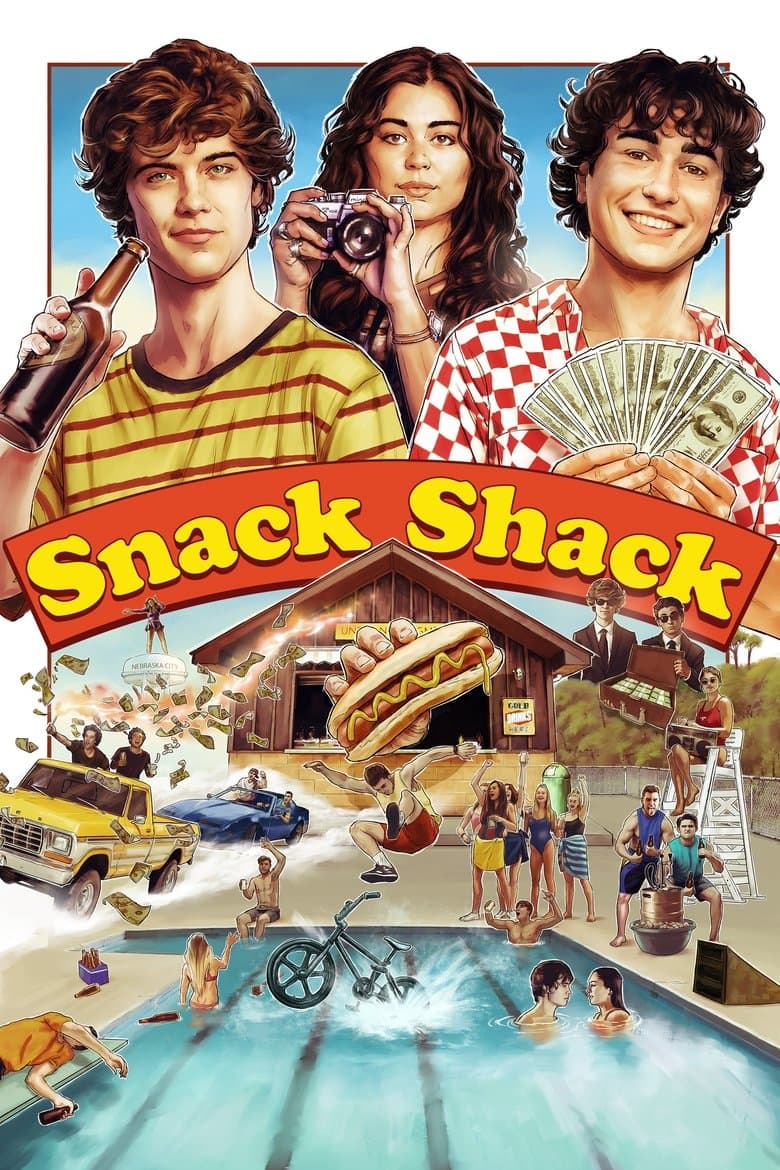
Movie · 2024
Inseparable best friends AJ and Moose decide to run the local pool's snack shack after their plan to sell home-brewed beer goes down the drain.
Movie · 2018
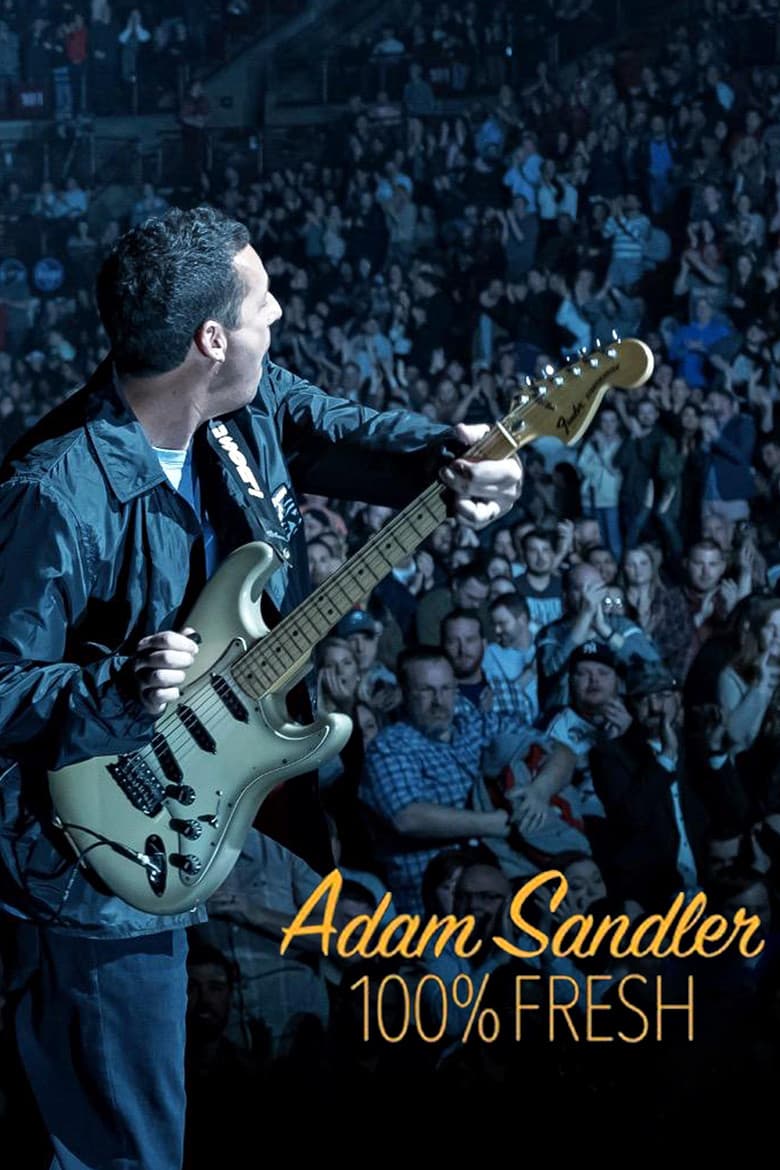
Adam Sandler takes his comical musical musings back out on the road, from comedy clubs to concert halls to one very unsuspecting subway station.
