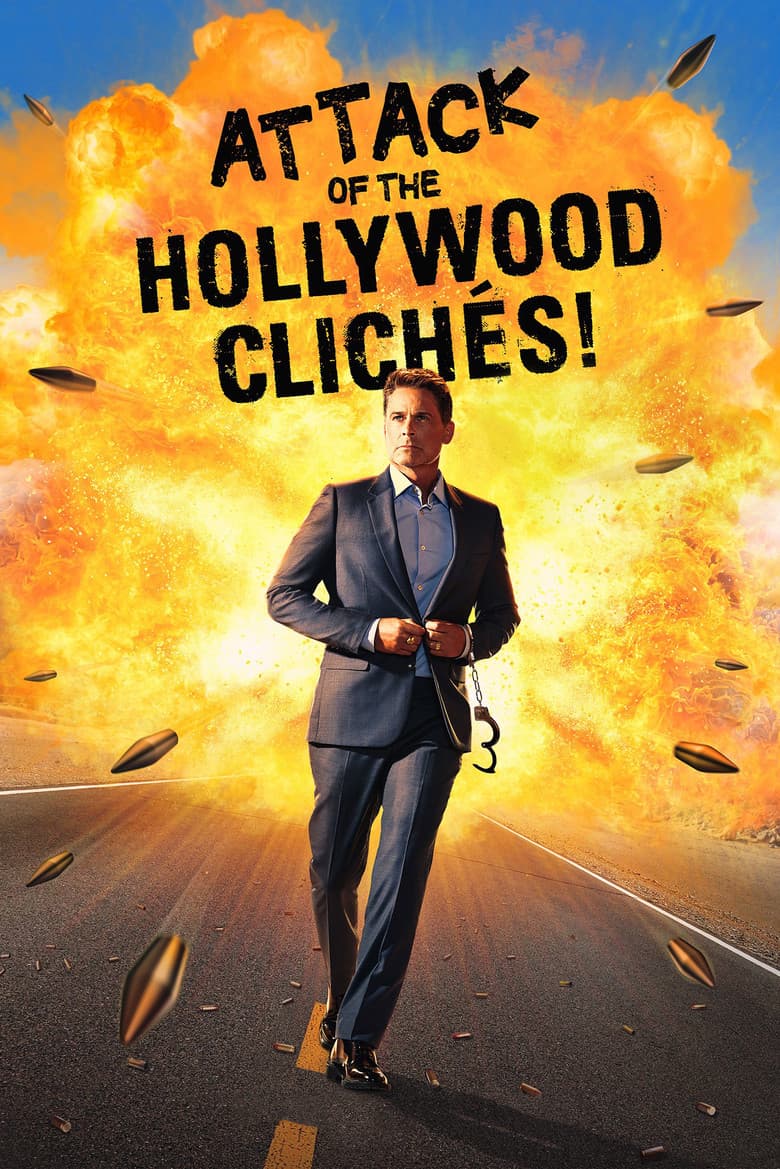
Rob Lowe hosts this fast, 58-minute Netflix comedy documentary about movie habits that audiences see again and again. The film has no fictional hero or single plot, so Lowe guides actors, writers, critics, and other film workers through each example. The special covers meet-cutes, maverick cops, one-man armies, fight scenes, movie sex, jump scares, car chases, montages, villains, final girls, ticking bombs, and romantic airport races. Its tone is playful, quick, and often rude, but it becomes serious when it discusses race, sex, police power, and LGBTQ characters.
The woke material appears in several large sections rather than in one story. The film says Hollywood has treated women as decorations, judged male and female stalking differently, and used the Smurfette Principle to add a lone woman to male groups. It also attacks white-savior and magical-negro stories, says LGBTQ characters are often killed for drama, and calls some old movie ideas racist or insulting. These points come from the host and interview guests and connect to clips from older films, so viewers will notice modern identity language even though much of the special covers general movie tricks.
Community feedback
Was our 66% Woke rating accurate?
Breakdown
These are the editorial factors and ratings behind our score for Attack of the Hollywood Clichés!.
Woke representation / casting
The special gives prominent speaking roles to women, Black commentators, and Indian British actor and presenter Sanjeev Bhaskar. Several of those speakers lead sections about gender, race, and LGBTQ characters. That makes identity representation visible in the panel, but the program does not present its cast as a diversity campaign. The panel is chosen for film knowledge, so the casting signal is noticeable but not dominant.
31%
Woke political dialogue
Rob Lowe and the guests repeatedly use modern identity language while explaining movie tropes. The film says Hollywood has a poor record on race and links white-savior stories to white guilt. The speakers call out the Smurfette diversity box, unequal treatment of male and female stalking, and the killing of LGBTQ characters. The special also questions police power and mocks the conservative Hays Code. These lines recur across several sections, but they do not drive a single plot.
52%
Identity-driven story themes
The special spends major sections on the Smurfette Principle, female characters in heels, the white-savior trope, the magical-negro trope, Bury Your Gays, and the final girl. These sections say that films often reduce women, black characters, or LGBTQ characters to tools, jokes, or deaths. The film treats those patterns as harmful and asks viewers to notice them. Identity analysis is a repeated part of the hour, although the program also covers neutral tropes such as props, fight scenes, sound effects, and car chases.
55%
Western institutional / cultural critique
The maverick-cop section says stories have moved away from heroes who ignore the law and calls Dirty Harry a toxic model. The film describes the legal system as something that old movies treat as weak or too liberal. The Hays Code section mocks a priest-backed code and its Republican champion, while race and gender sections criticize white guilt and male-centered stories. The program targets film habits more than Western society as a whole, so the critique is present but limited.
37%
Woke character or canon changes
Not relevant. The special discusses established films but does not alter their characters, identities, or story facts. The clips and examples remain part of their original films.
0%
Anti-woke backlash and complaints
Several audience reviews on IMDb and Rotten Tomatoes called the special woke, political, or a lecture after the race and LGBTQ sections. Reddit users made similar complaints and said the program pushed left-wing views about racism, sex, and minority groups. The separate X pass found a few small accounts calling it woke propaganda and telling people to avoid it. The reaction was scattered and low reach, with no sign of a large boycott, review campaign, or organized protest.
40%
Creator track record context
Dane Baptiste brings a strong race and representation focus from his comedy work. Michael Odewale also has a documented focus on black identity. Producers Daniel Powell and Alex Bach have backed queer, Black, immigrant, and other progressive stories. Charlie Brooker has mild left-leaning context, while the directors and most other listed creators have low or unclear scores. The team gives some support to the title’s identity focus, but it is mixed.
44%
Production
Movie · 2021
Take a musical odyssey through five weird and wonderful decades with brothers Ron & Russell Mael, celebrating the inspiring legacy of Sparks: your favorite band’s favorite band.
Movie · 2022
In candid conversations with actor Jonah Hill, leading psychiatrist Phil Stutz explores his early life experiences and unique, visual model of therapy.
Movie · 2018
As his life comes to its end, famous Hollywood director Orson Welles puts it all on the line at the chance for renewed success with the film The Other Side of the Wind.
Movie · 2021
Christopher Wallace, AKA The Notorious B.I.G., remains one of Hip-Hop’s icons, renowned for his distinctive flow and autobiographical lyrics.
Movie · 2022
Follows the man who survived an assassination attempt by poisoning with a lethal nerve agent in August 2020. During his months-long recovery, he makes shocking discoveries about…
Movie · 2025
The individual journeys of the four members of the band, as they move through the music scene of the 1960s, playing small clubs throughout Britain and performing some of the…
Movie · 2021
This documentary offers a deeply intimate look at extraordinary teenager Billie Eilish. Award-winning filmmaker R.J.

Movie · 2022
The inspirational rise of SpaceX as well as Elon Musk's two-decade effort to resurrect America’s space travel ambitions.
