
American Animals follows Warren Lipka and three college friends in Lexington, Kentucky, in 2004. The bored young men come from comfortable homes, but they feel that ordinary school and work will never make their lives special. They plan to steal rare books from the Transylvania University library after copying ideas from heist movies. The film mixes tense crime scenes, dark humor, and real interviews with the men after the failed robbery.
The film repeatedly connects the crime to white male privilege, comfort, and the pressure to stand out. The boys see themselves as future stars even though they have no real need to steal, and the story shows that belief as selfish and dangerous. A female librarian becomes the victim when the plan turns violent, which gives the story a clear message about male power and harm. These ideas matter because the film is as much about entitled young men and the damage they cause as it is about the stolen books.
Community feedback
Was our 42% Woke rating accurate?
Breakdown
These are the editorial factors and ratings behind our score for American Animals.
Woke representation / casting
Not present. The four main robbers are played as white men, matching the real people and the setting. The supporting cast does not form a diversity-first group. The film does not frame its casting as a wider identity statement.
0%
Woke political dialogue
The film includes brief spoken references to being rich, white, educated, and privileged. Eric describes the normal path of school, work, family, and shopping as a conveyor belt. A later prison interview notes that the men were white, rich, and educated in a mostly black and Latino jail. These lines connect the crime to class and race privilege, but the film has no long activist speech.
29%
Identity-driven story themes
The story makes white male entitlement a main reason the four students want to commit the heist. The men have safe homes, good schools, and many choices, yet they believe they deserve a more exciting life. The film links their hunger for fame and identity to male group pressure and violence against a female librarian. The theme recurs through the planning, robbery, prison interviews, and later regret.
46%
Western institutional / cultural critique
The film questions the American path of school, work, family, shopping, and comfort. College life, wealthy families, fraternity culture, and consumer habits help show why the men feel bored and entitled. The story treats their male confidence and violence as dangerous forms of entitlement. The film does not attack Christianity or Western institutions as a whole.
34%
Woke character or canon changes
Not relevant. The film retells a real 2004 crime and uses actors for the real people. It does not change anyone's race, sex, or identity to create a new message.
0%
Anti-woke backlash and complaints
Not present. The supplied X pass found no anti-woke posts or specific complaints about the film. Other reviews discussed white male privilege, but they did not complain that the film was too woke or too political.
0%
Creator track record context
Bart Layton has a low stored score and is mainly known for crime stories and fact-based films. Avy Kaufman and producers Mary Jane Skalski and Poppy Dixon have more representation-friendly histories. Most other listed producers have low or modest stored scores and no clear activist record. The overall creator context is mixed and does not show a strong activist campaign around this film.
28%
Production

Movie · 2024
In this twisting documentary, a mechanic tries online dating for the first time and meets a woman who takes romantic obsession to a deadly extreme.
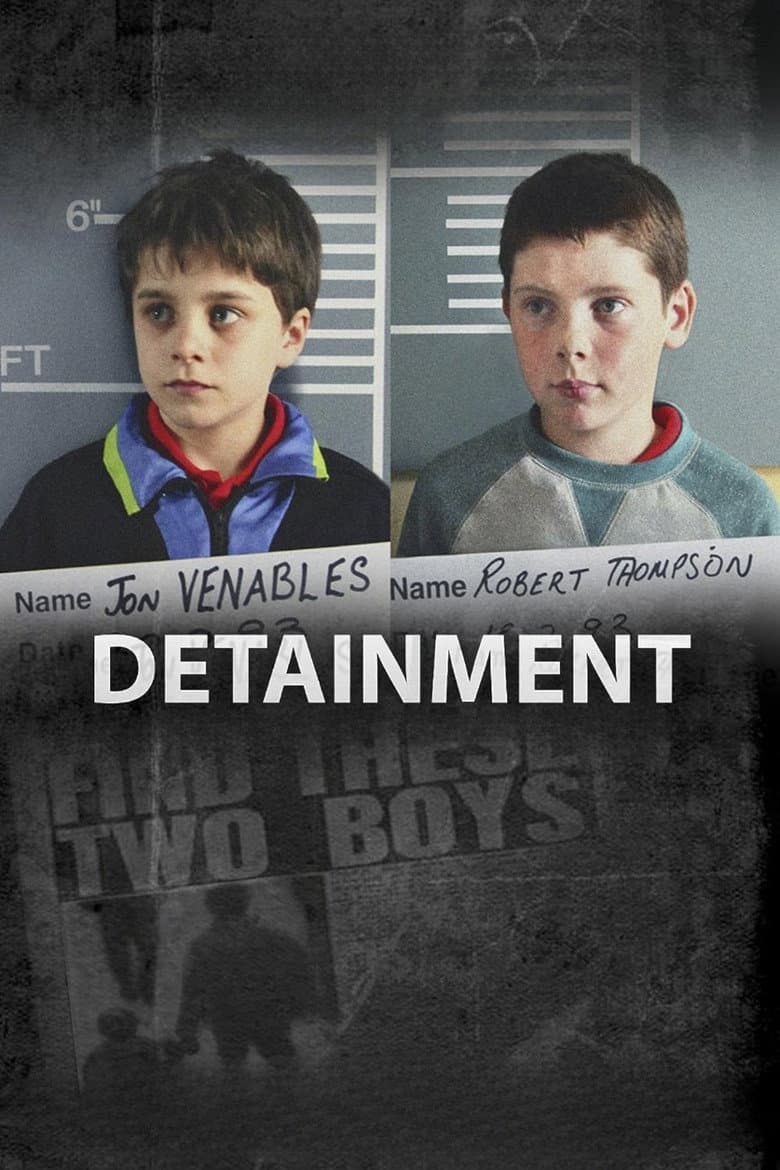
Movie · 2018
Two ten year-old boys are detained by police under suspicion of abducting and murdering a toddler.
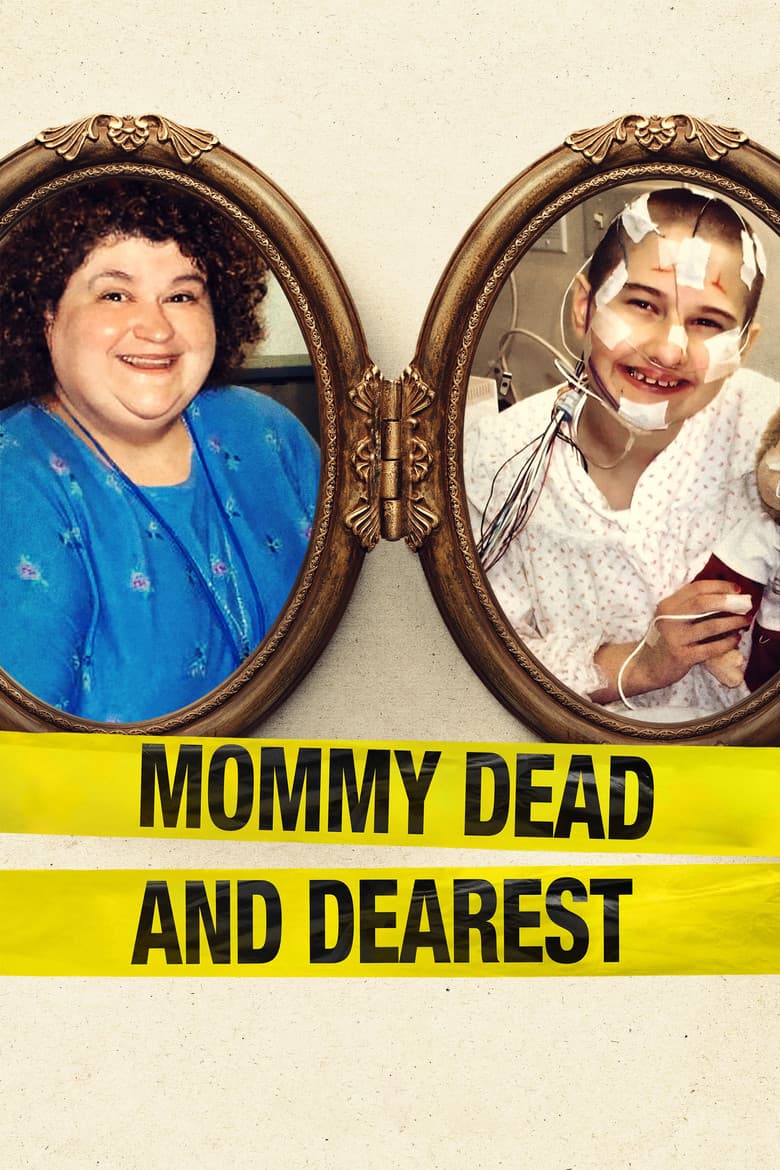
Movie · 2017
Child abuse, mental illness, and forbidden love converge in this mystery involving a mother and daughter who were thought to be living a fairy tale life that turned out to be a…
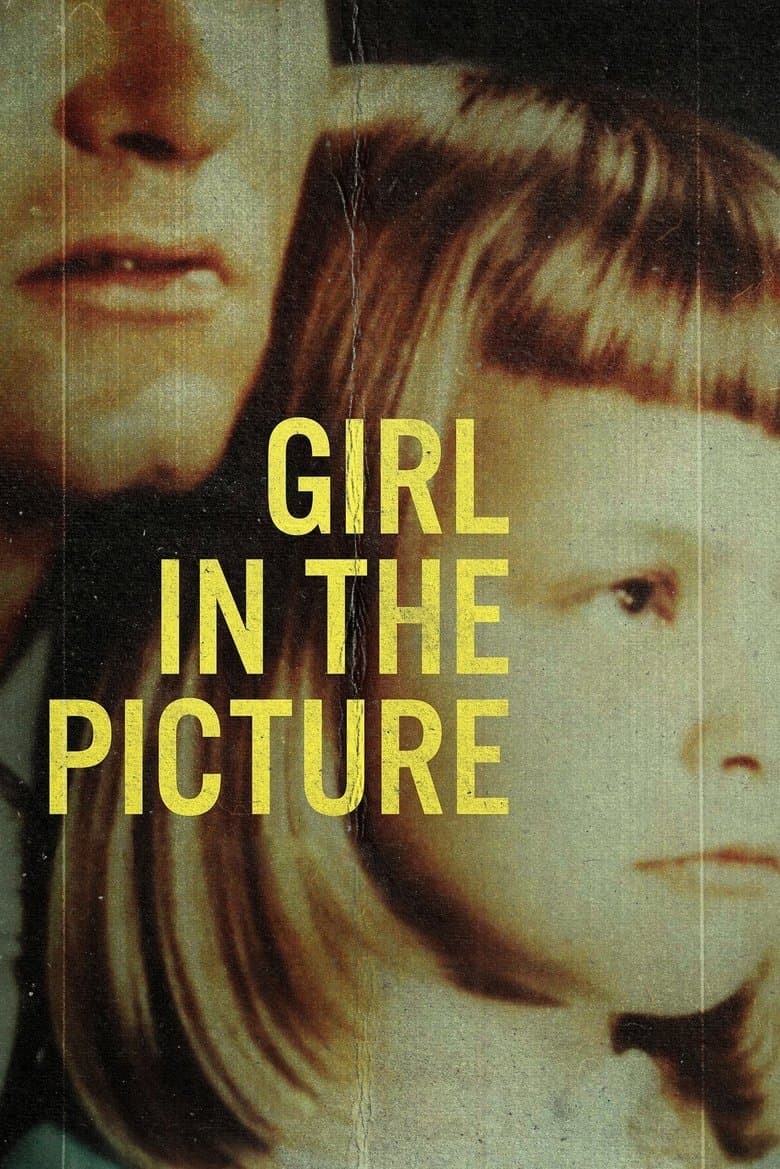
Movie · 2022
A young mother’s mysterious death and her son’s subsequent kidnapping blow open a decades-long mystery about the woman’s true identity, and the murderous federal fugitive at the…
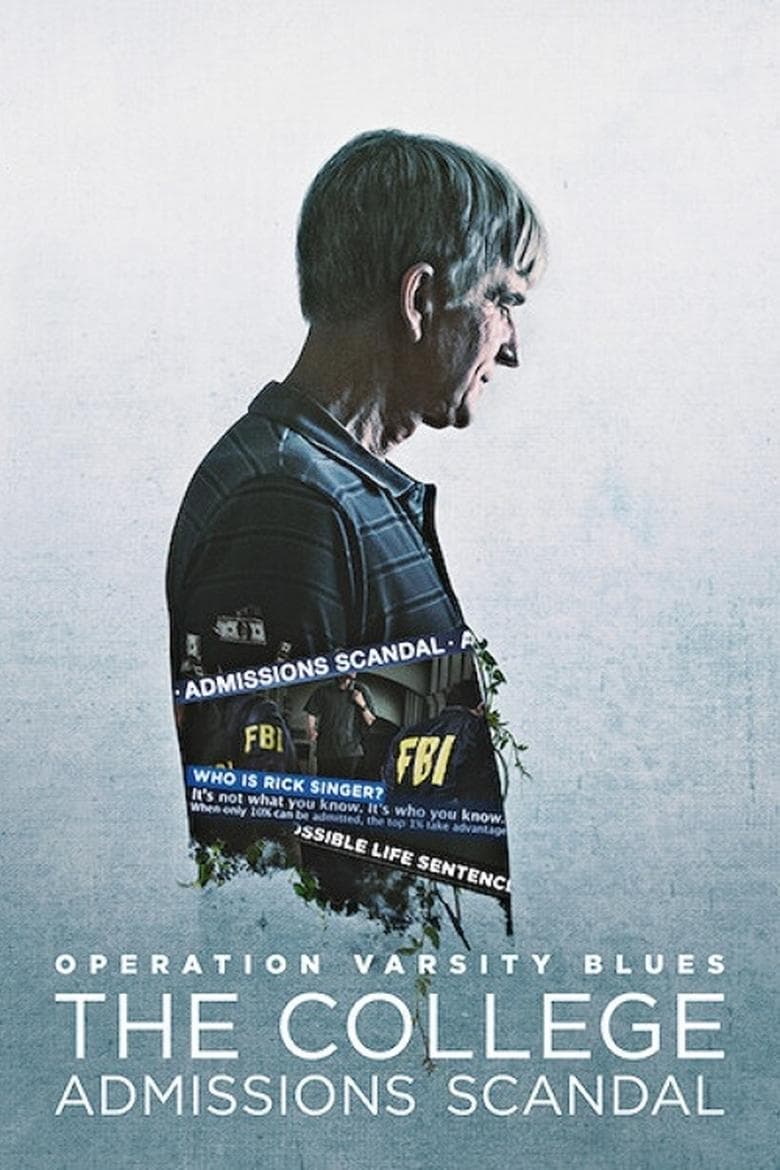
Movie · 2021
An examination that goes beyond the celebrity-driven headlines and dives into the methods used by Rick Singer, the man at the center of the shocking 2019 college admissions…
Movie · 2026
Police pull over a woman who claims she just gave birth. But the baby — and the blood — aren't hers. Twisted lies unravel in this true-crime documentary.
Movie · 2022
Against the darkening backdrop of New Delhi's apocalyptic air and escalating violence, two brothers devote their lives to protecting one casualty of the turbulent times: the bird…
Movie · 2026
A teen slams her car into a building, killing her boyfriend and his friend. What seems like a tragic accident becomes a murder case.
