
Amateur Night follows Guy Carter, an unemployed architect who is about to become a father. His pregnant wife, Anne, sends him to a Craigslist job, but the driving work turns out to involve taking three sex workers to clients around Los Angeles. Guy expects to earn quick money, yet he must also act as their driver, helper, and bodyguard during one wild night. The film uses raunchy jokes and sudden danger. Guy slowly learns that he can handle the pressure of fatherhood.
The film gives Nikki, Jaxi, and Fallon control over their own sex work instead of showing them as helpless victims. The women direct the night, and Guy spends much of it cleaning up after them or trying to protect them. Many of the men are weak or crude, so the story keeps turning the usual male protector role upside down. This gender role reversal and the message that society should not quickly judge the women are the clearest woke elements, but they stay inside a broad sex comedy rather than becoming a political speech.
Community feedback
Was our 50% Woke rating accurate?
Breakdown
These are the editorial factors and ratings behind our score for Amateur Night.
Woke representation / casting
The main group of sex workers is three women, with Bria L. Murphy as one of the three leads. The film makes these women the people who control the business while Guy serves as driver and helper. This is a visible gender-role pattern, but the story does not frame race or casting as a diversity goal. The casting signal is therefore mild.
24%
Woke political dialogue
Not present. The dialogue centers on Guy’s job and his worry about money. It does not contain a clear speech or repeated line about identity politics, DEI, or activism.
0%
Identity-driven story themes
The film centers on three women who run their own sex-work business and set their own prices, clients, and schedules. Nikki stays in control. Guy drives, cleans their equipment, and protects them while also becoming the joke of many scenes. The women show little shame about their work, and Guy is the one who feels embarrassed. This gender role reversal and defense of their chosen lifestyle run through the main night, so the identity-driven theme is central.
60%
Western institutional / cultural critique
The film treats the women’s work as a choice that outsiders judge too quickly. Guy starts shocked by the job, but he gradually accepts the women’s control and relies on their skill. The story turns the usual male protector role upside down and makes several men look weak or crude. This recurring challenge to traditional gender rules is clear, but the film does not attack churches, capitalism, or major Western institutions.
42%
Woke character or canon changes
Not relevant. The film is an original comedy based on the filmmakers’ experiences. It does not change established characters, a known franchise, or real historical figures.
0%
Anti-woke backlash and complaints
Not present. No major anti-woke complaint was tied to the film. Audience comments focused on crude humor, gross scenes, and weak plotting rather than DEI, identity politics, or activist messaging.
0%
Creator track record context
Lisa Addario and Joe Syracuse each have a cached score of 30. Their work often uses outsiders, sexuality, and unusual relationships, but the stored record shows no strong activist or DEI profile. Producer Jorge Garcia Castro has a cached score of 55 because of repeated work on Latino culture and representation. Most other stored producer and crew scores range from 0 to 20, so the creator context is mild.
30%
Production
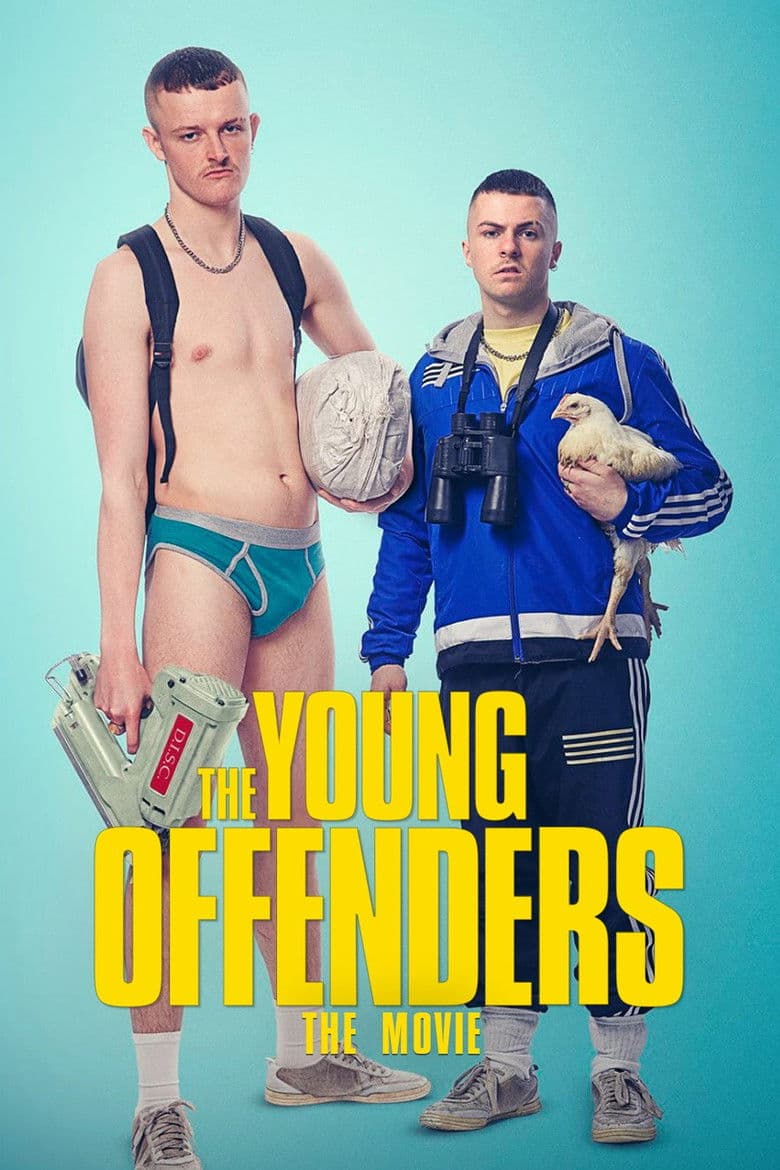
Movie · 2016
Two teenage boys from inner-city Cork steal bicycles and ride off on a 160km quest to find an unrecovered bale of cocaine worth 7,000,000 euros.
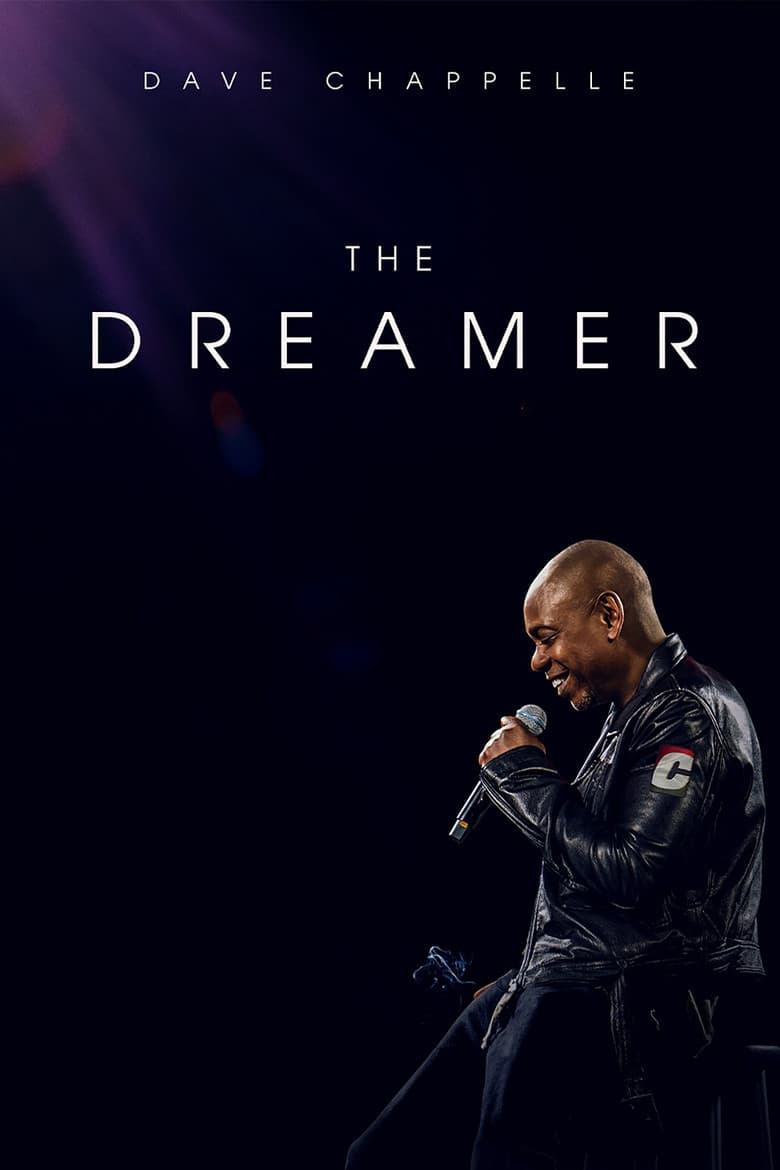
Movie · 2023
From his onstage tackle to the slap heard round the world, Dave Chappelle lets loose in this freewheeling and unfiltered stand-up comedy special.
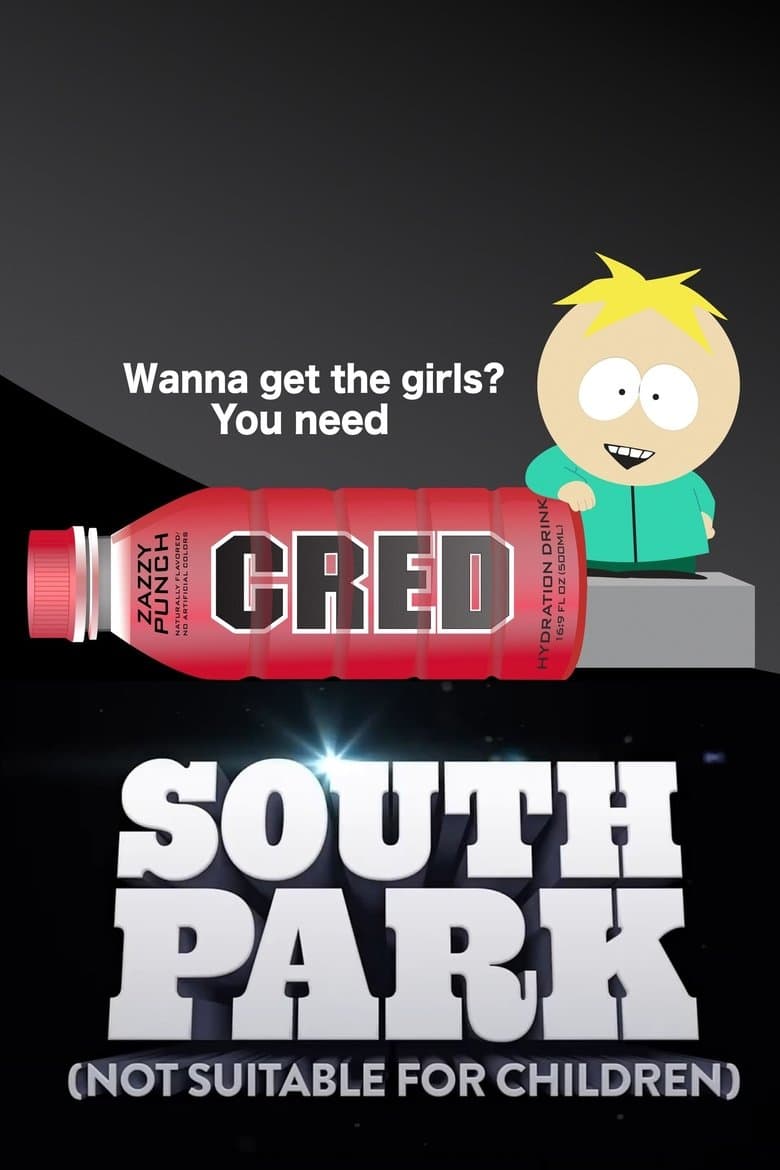
Movie · 2023
After it's discovered that a teacher at South Park Elementary has an OnlyFans page, Randy is compelled to take a closer look at the seedy underbelly of the world of online…
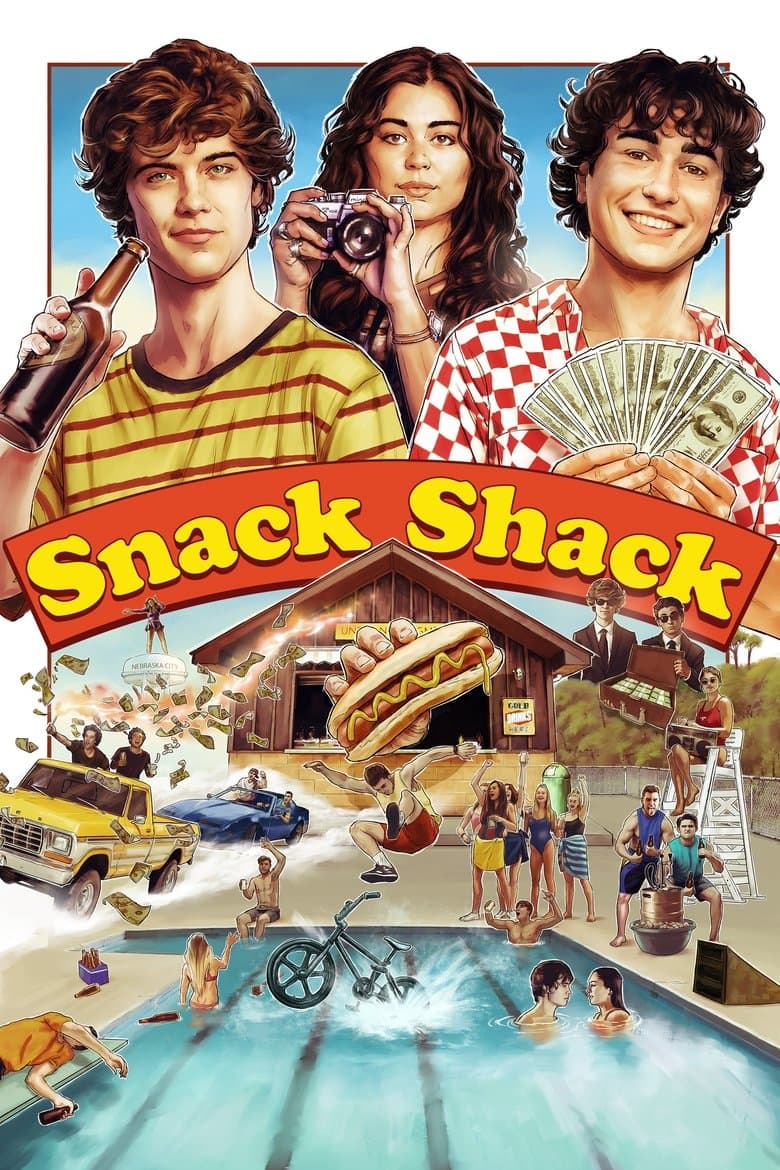
Movie · 2024
Inseparable best friends AJ and Moose decide to run the local pool's snack shack after their plan to sell home-brewed beer goes down the drain.
Movie · 2022
Exploring every facet of ‘Weird Al’ Yankovic’s life, from his meteoric rise to fame with early hits like ‘Eat It’ and ‘Like a Surgeon’ to his torrid celebrity love affairs and…

Movie · 2023
Single mom Flora is at a loss about what to do with her rebellious teenage son, Max. Her efforts to keep him out of trouble lead to a beat-up acoustic guitar, a washed-up LA…
Movie · 2016
A comedy that follows a group of friends as they navigate their way through the freedoms and responsibilities of unsupervised adulthood.
Movie · 2023
A chaotic intervention. An action-packed stay in rehab. After a weird couple of years, John Mulaney comes out swinging in his return to the stage.
