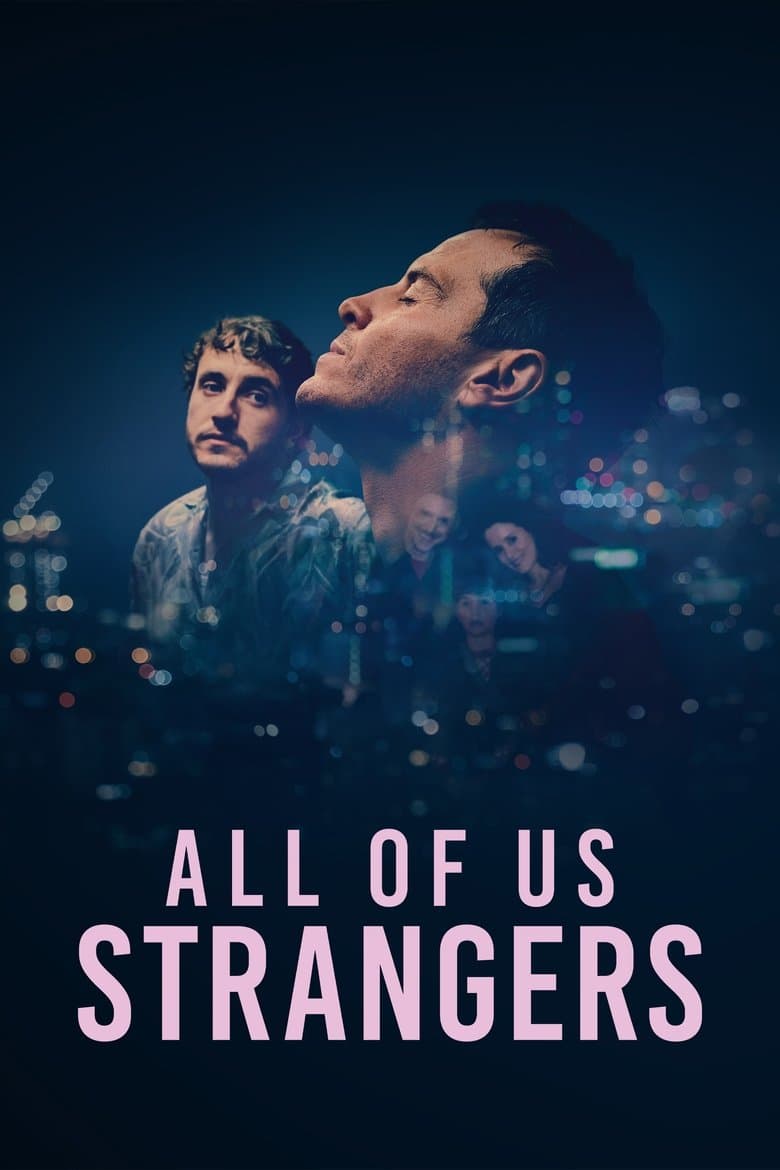
This movie tells the story of Adam, a lonely writer living in London. He starts a romantic relationship with his neighbor Harry. He also visits his dead parents, who seem to still be alive at his old home. The movie heavily focuses on gay romance and the struggles of coming out. It also shows the loneliness of growing up queer in the 1980s. These identity themes and scenes of physical intimacy are very easy to see throughout the story.
Community feedback
Was our 98% Woke rating accurate?
Breakdown
These are the editorial factors and ratings behind our score for All of Us Strangers.
Woke representation / casting
The film casts openly gay actor Andrew Scott as the main gay character, Adam. It also casts Paul Mescal as his gay love interest, Harry. This casting is highly identity-focused. It was made to show authentic queer representation on screen. It places LGBTQ+ visibility at the center of the film.
85%
Woke political dialogue
The characters have many conversations about being queer. They talk about the differences between the words "gay" and "queer". They discuss how hard it was to grow up gay in the 1980s. They talk about the legacy of the AIDS crisis and how things are better now. In one scene, Adam comes out to his mother. This leads to a debate about gay marriage and societal acceptance. These talks put identity politics at the front of the film.
Production
78%
Identity-driven story themes
The entire story is about being gay, coming out, and finding acceptance. The main character tries to heal from past trauma by talking to his dead parents. He tells them he is gay and wants their approval. The movie also features a deep romantic relationship between two men. It focuses on the unique loneliness that queer children felt growing up in the past. These identity-driven themes shape every part of the plot.
92%
Western institutional / cultural critique
The movie critiques traditional family roles and expectations. It shows the traditional 1980s nuclear family as a place of loneliness and pain for a gay child. The conversations show how traditional parenting can cause accidental hurt and distance. It also critiques past societal ignorance about homophobia and the AIDS epidemic. Traditional marriage norms are shown as restrictive and harmful to the main character.
75%
Woke character or canon changes
The movie makes big identity-driven changes to the book it is based on. The original 1987 book by Taichi Yamada had a straight main character and a straight romance. The filmmakers changed the main character to be gay. They also made his neighbor a male love interest. They replaced the original scary ghost themes with a focus on modern queer trauma, coming out, and family acceptance.
88%
Anti-woke backlash and complaints
Some viewers complained that the movie was too woke. They did not like that a straight Japanese novel was changed into a gay romance. Other critics complained about the explicit sex scenes. They felt the focus on queer trauma and coming out was overdone. However, because this is an independent drama, it did not face a massive political backlash campaign like a big blockbuster would.
45%
Creator track record context
The key creators have a mixed track record. Writer Andrew Haigh has a score of 85 because his work heavily focuses on queer lives. Producer Diarmuid Hughes has a score of 65 and supports gay-themed stories. However, other crew members like co-writer Taichi Yamada and several producers have scores of zero or very low. They have no history of political activism. This leaves a moderate average score.
48%
Movie · 2025
Sarah and David are single strangers who meet at a mutual friend’s wedding and soon, through a surprising twist of fate, find themselves on a funny, fantastical, sweeping…
Movie · 2017
A brilliant but impulsive young surgeon spirals into self-destruction after a painful breakup, struggling to cope with love, loss, and the consequences of his own temper.
Movie · 2017
Recently deceased, a white-sheeted ghost returns to his suburban home to console his bereft wife, only to find that in his spectral state he has become unstuck in time, forced to…
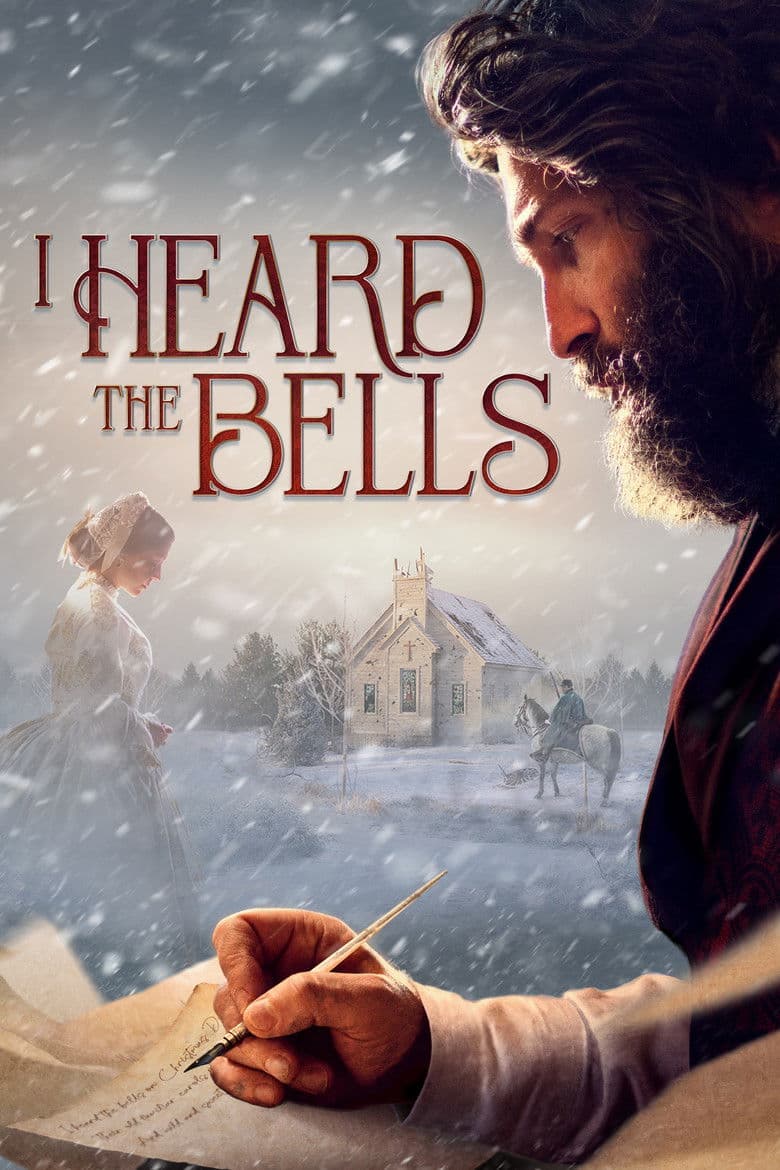
Movie · 2022
Known as America’s Poet, Henry Wadsworth Longfellow leads an idyllic life – until the day his world is shattered by tragedy.
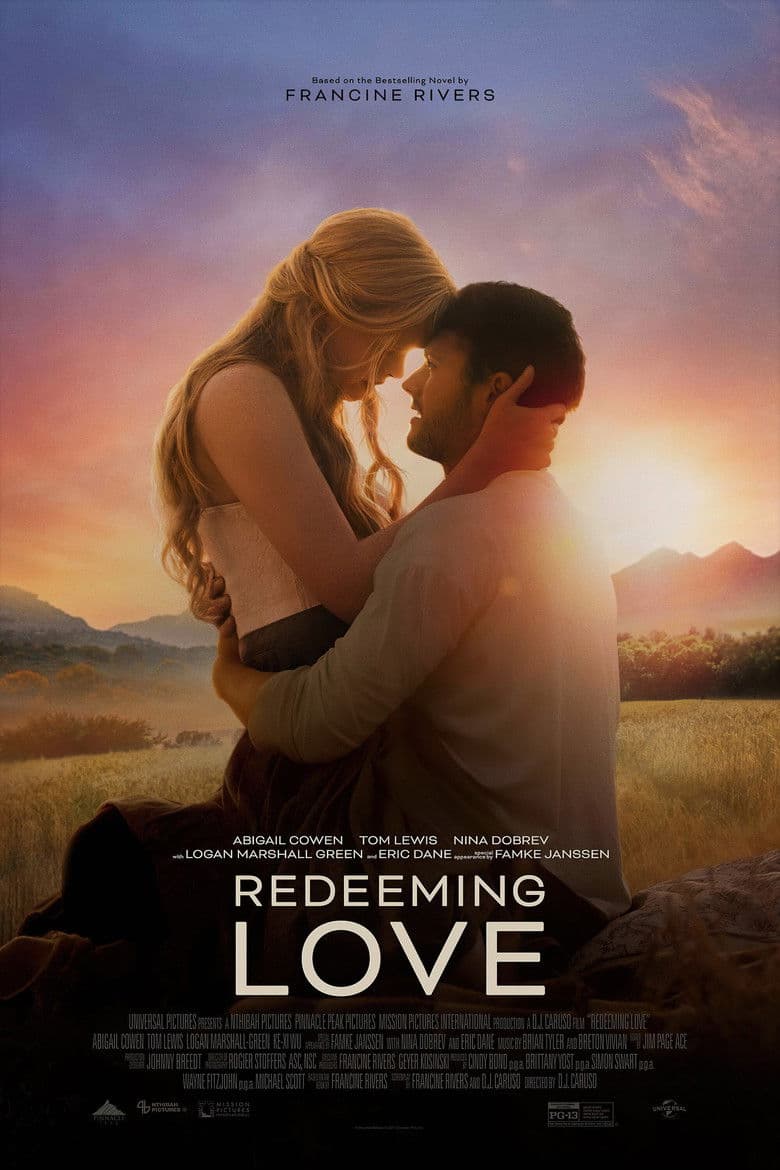
Movie · 2022
A young couple's relationship clashes with the harsh realities of the California Gold Rush of 1850. Angel, experiencing love for the first time and facing demons unsurmountable…
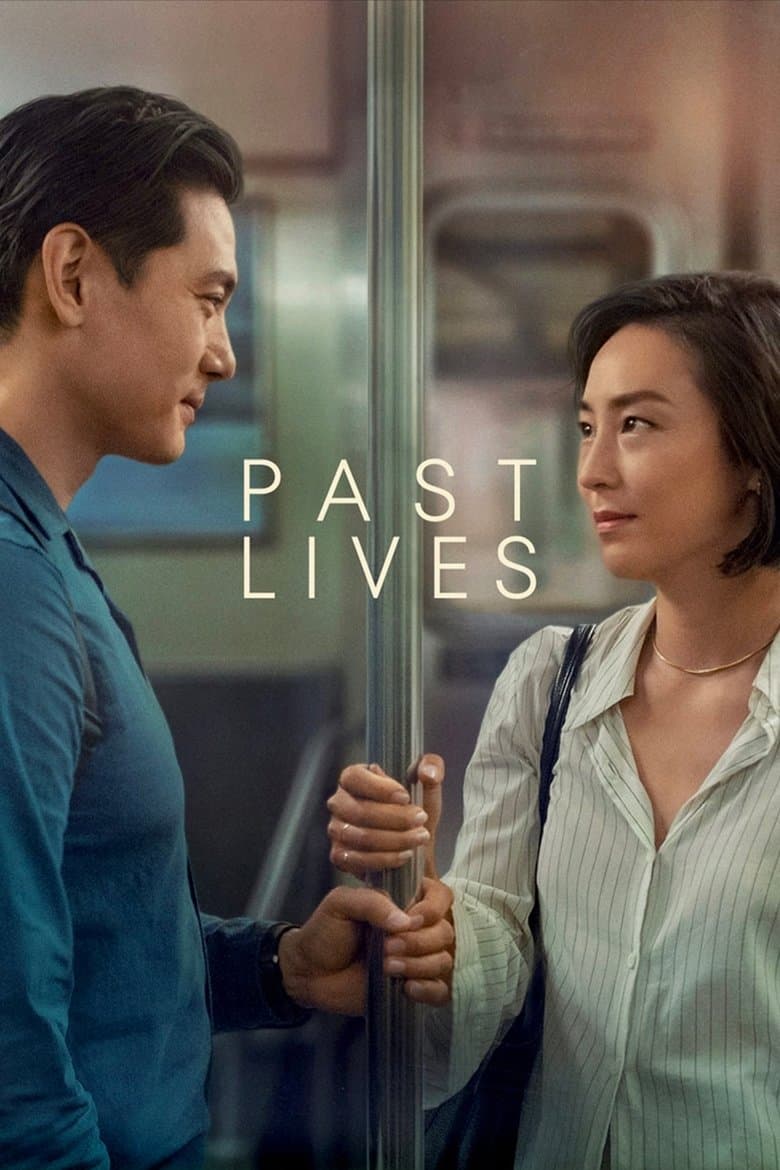
Movie · 2023
After decades apart, childhood friends Nora and Hae Sung are reunited in New York for one fateful weekend as they confront notions of destiny, love, and the choices that make a…
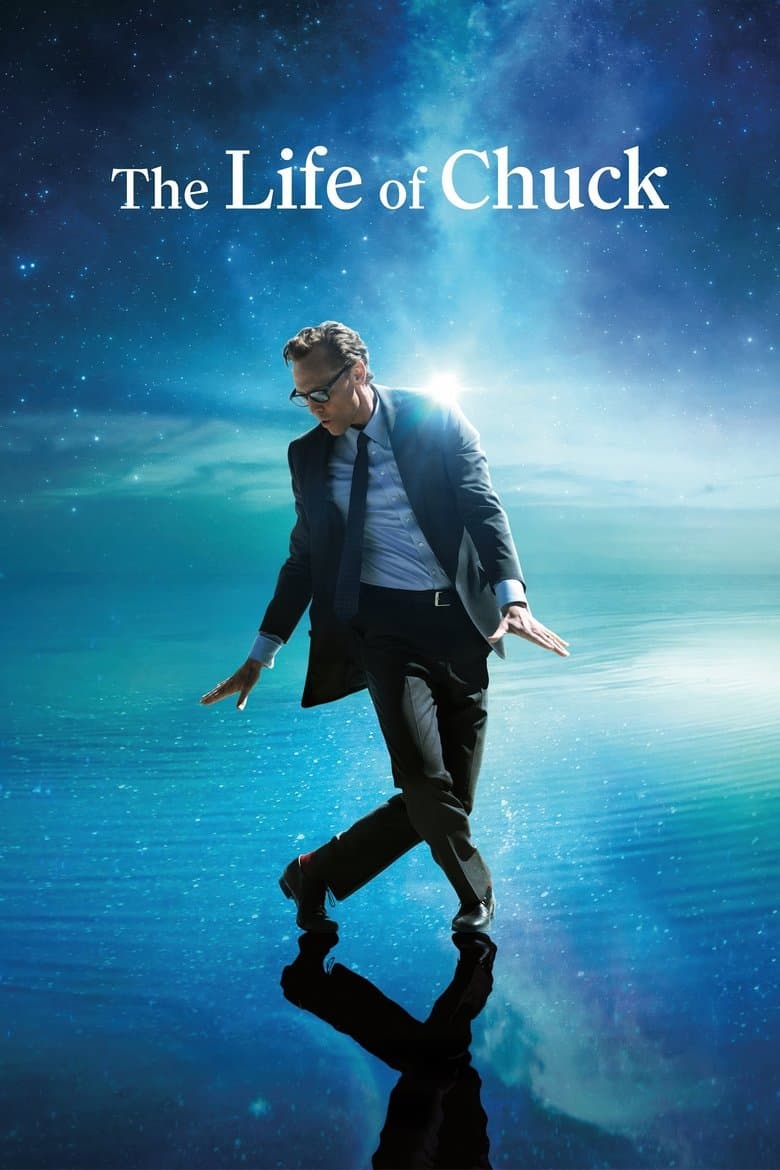
Movie · 2025
In this extraordinary story of an ordinary man, Charles 'Chuck' Krantz experiences the wonder of love, the heartbreak of loss, and the multitudes contained in all of us.
Movie · 2018
A man and a woman meet in the ruins of post-war Poland. With vastly different backgrounds and temperaments, they are fatally mismatched and yet drawn to each other.
