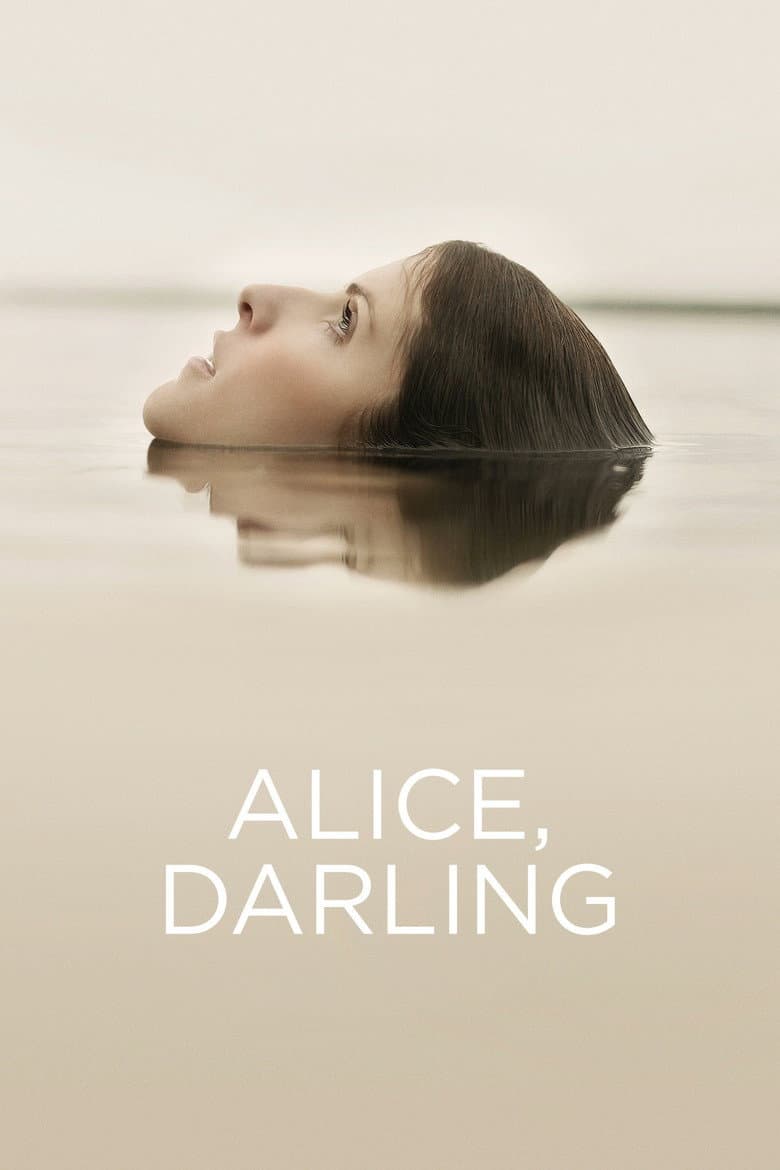
Alice lives in Toronto with Simon, an older artist who controls her through shame, blame, and constant checks. She lies to him so she can join her longtime friends Sophie and Tess at a quiet lakeside cottage for Tess's birthday. The women slowly see how much fear shapes Alice's choices, while a local missing-woman case mirrors her growing sense of danger. The movie uses a tense, sad tone and keeps most of the abuse emotional instead of physical.
The story centers on a woman harmed by a controlling man and saved from isolation by two female friends. Simon checks Alice's email, puts down her views, pushes her away from others, and treats her needs as less important than his own. Sophie and Tess help Alice trust herself, then stand between her and Simon when she refuses to leave with him. This strong focus on male control and female support is easy to notice, but the movie does not make broad claims about all men or about politics.
Community feedback
Was our 50% Woke rating accurate?
Breakdown
These are the editorial factors and ratings behind our score for Alice, Darling.
Woke representation / casting
The three main women form a visibly mixed group. Alice is played by a white actor, Sophie by a black actor, and Tess by Indigenous Canadian actor Kaniehtiio Horn. Their race does not drive the plot, and the story gives no background reason for this mix. Modern Toronto makes the friendship believable, but placing minority actors in two of the three central female roles gives representation clear screen time.
28%
Woke political dialogue
Not present. The characters do not discuss parties, laws, activist causes, or identity politics. Their arguments stay focused on Alice's relationship and the missing woman.
0%
Identity-driven story themes
The whole story follows a woman who loses her sense of self under a controlling male partner. Her two female friends help her trust her own fear and stand between her and Simon at the climax. The death of a missing young woman becomes a warning in Alice's mind while she judges her own safety. The film makes women's support central, but it treats Simon as one abuser instead of blaming all men.
52%
Western institutional / cultural critique
Simon repeatedly reads Alice's email, cuts her off from friends, puts down her judgment, and expects sex and attention on his terms. The movie presents his behavior as male entitlement and shows it harming Alice's body and mind. Female friendship gives Alice the strength to reject his control. The story does not attack marriage, faith, family, law, or Western society as a whole.
42%
Woke character or canon changes
Not relevant. The film tells an original fictional story and does not rewrite earlier characters, source material, or history.
0%
Anti-woke backlash and complaints
A small Men's Rights Reddit thread accused the film of feminist double standards and of presenting women as the main victims of partner violence. Other users in the same thread rejected that reading and called it a realistic abuse story. No broad anti-woke campaign or mainstream identity-politics dispute appeared.
10%
Creator track record context
Alanna Francis has a cached score of 45 for work about women's relationships and abuse. Anna Kendrick scores 58, while Katie Bird Nolan scores 55 and Lindsay Tapscott scores 60 for feminist work or work that backs less-heard voices. Mary Nighy scores 30 for women-centered trauma stories. Many other writers and producers score from 0 to 22, so the full team does not show a strong shared pattern.
36%
Production

Movie · 2016
Writer and Adderall enthusiast Stephen Elliott reaches a low point when his estranged father resurfaces, claiming that Stephen has fabricated much of the dark childhood that that…
Movie · 2023
Noah must leave her city, boyfriend, and friends to move into William Leister's mansion, the flashy and wealthy husband of her mother Rafaela.

Movie · 2016
In 1942, an intelligence officer in North Africa encounters a female French Resistance fighter on a deadly mission behind enemy lines.

Movie · 2018
Seasoned musician Jackson Maine discovers — and falls in love with — struggling artist Ally. She has just about given up on her dream to make it big as a singer — until Jack…

Movie · 2018
A man and a woman meet in the ruins of post-war Poland. With vastly different backgrounds and temperaments, they are fatally mismatched and yet drawn to each other.

Movie · 2017
A brilliant but impulsive young surgeon spirals into self-destruction after a painful breakup, struggling to cope with love, loss, and the consequences of his own temper.
Movie · 2023
After decades apart, childhood friends Nora and Hae Sung are reunited in New York for one fateful weekend as they confront notions of destiny, love, and the choices that make a…
Movie · 2018
While James More is held captive by terrorists in Somalia, thousands of miles away on the Greenland Sea, his lover Danny Flinders prepares to dive herself in a submersible into…
