
José Hernández grows up in a Mexican migrant farmworker family that travels between Michoacán and California to find field work. A teacher sees his skill in math and urges his parents to keep the children in one school. José studies engineering, works at a national lab, and applies to NASA again and again after being rejected many times. His wife, parents, cousin, and children help him keep going while his dream puts pressure on family life. The film has a warm, hopeful, family-centered tone, with serious moments about hard work, sacrifice, and fear.
José’s Mexican and migrant identity is a major part of the story, not a small detail. The film shows classmates mocking his accent, coworkers mistaking him for a janitor, and José hiding Mexican food and music before he accepts his roots. Several scenes present his family and wider Latino community as the strength behind his success, and the final news report presents his flight as carrying hope for Mexicans and Latinos. These themes give the film a clear identity and representation focus, but the message stays tied to one true personal story and the American Dream instead of a broad activist argument.
Community feedback
Was our 38% Woke rating accurate?
Breakdown
These are the editorial factors and ratings behind our score for A Million Miles Away.
Woke representation / casting
Not present. José, his family, Adela, and Kalpana Chawla are portrayed as the Mexican, Mexican American, and Indian American people in this true story. A Chinese American teacher also appears, but she is a normal supporting character rather than part of a diversity showcase.
0%
Woke political dialogue
The film includes a few direct identity-focused lines. A teacher says math does not care whether José speaks English or Spanish. Beto says a migrant is suited to face the unknown, and a reporter asks José for a message to Mexicans and Latinos. These moments support the film’s message about roots and belonging, but the dialogue is not about laws, parties, or a wider activist plan.
28%
Identity-driven story themes
The story makes José’s Mexican migrant background part of his main struggle and success. The film shows his family leaving Mexico, moving for farm work, and protecting his education. José tries to hide his food, music, and background at work before his family reminds him that his roots matter. The ending and press scenes treat his success as meaningful for Mexicans and Latinos, although the film stays focused on one person’s dream.
42%
Western institutional / cultural critique
The film returns several times to pressure on José to fit mainstream American work culture. José trades his old car, Mexican food, and music for choices he thinks will make him seem more typical. Schoolmates laugh at his accent, and a workplace receptionist mistakes him for a janitor. These scenes criticize cultural bias, but the film does not attack NASA, religion, capitalism, or Western society as a whole.
24%
Woke character or canon changes
Not relevant. The film is based on José Hernández’s memoir and does not show an identity-driven rewrite of a known character, canon, or historical event.
0%
Anti-woke backlash and complaints
Not present. The supplied X research found no anti-woke reaction or specific complaint. Wider reviews and audience posts were mostly positive, with no real boycott or DEI campaign found.
0%
Creator track record context
Alejandra Márquez Abella has the strongest activist background among the listed writers. Her public background includes feminist work, support for gender parity, and concern about violence against women. Her interviews about this film focus on Mexican American roots, Hispanic community, and family support. The other stored writers and producers mostly have low scores and no clear activist public image.
30%
Production

Movie · 2023
British stockbroker Nicholas Winton visits Czechoslovakia in the 1930s and forms plans to assist in the rescue of Jewish children before the onset of World War II, in an operation…

Movie · 2024
Inspired by the incredible true story of a hairdresser who single-handedly rallies an entire community to help a widowed father save the life of his critically ill young daughter.
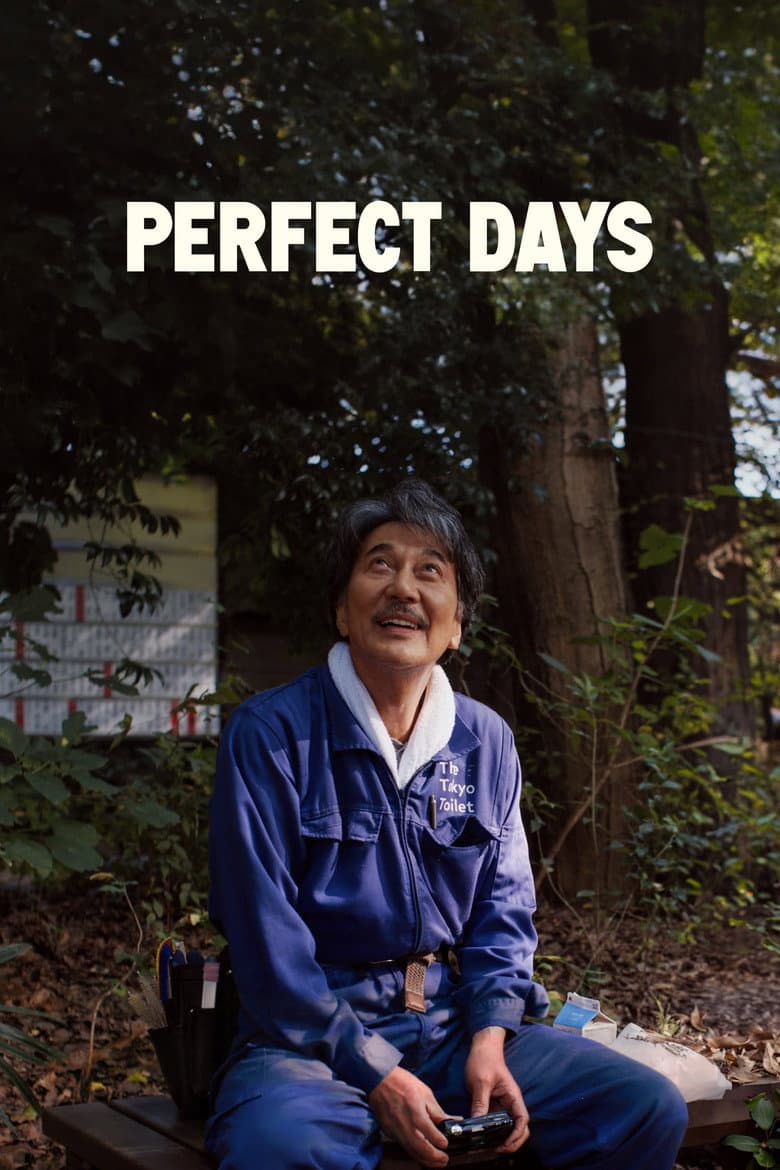
Movie · 2023
Hirayama is content with his life as a toilet cleaner in Tokyo. Outside of his structured routine, he cherishes music on cassette tapes, books, and taking photos of trees.

Movie · 2018
A father and daughter live a perfect but mysterious existence in Forest Park, a beautiful nature reserve near Portland, Oregon, rarely making contact with the world.

Movie · 2016
Based on the life story of Mahendra Singh Dhoni, and his journey to being the world cup winning captain of the Indian cricket team.
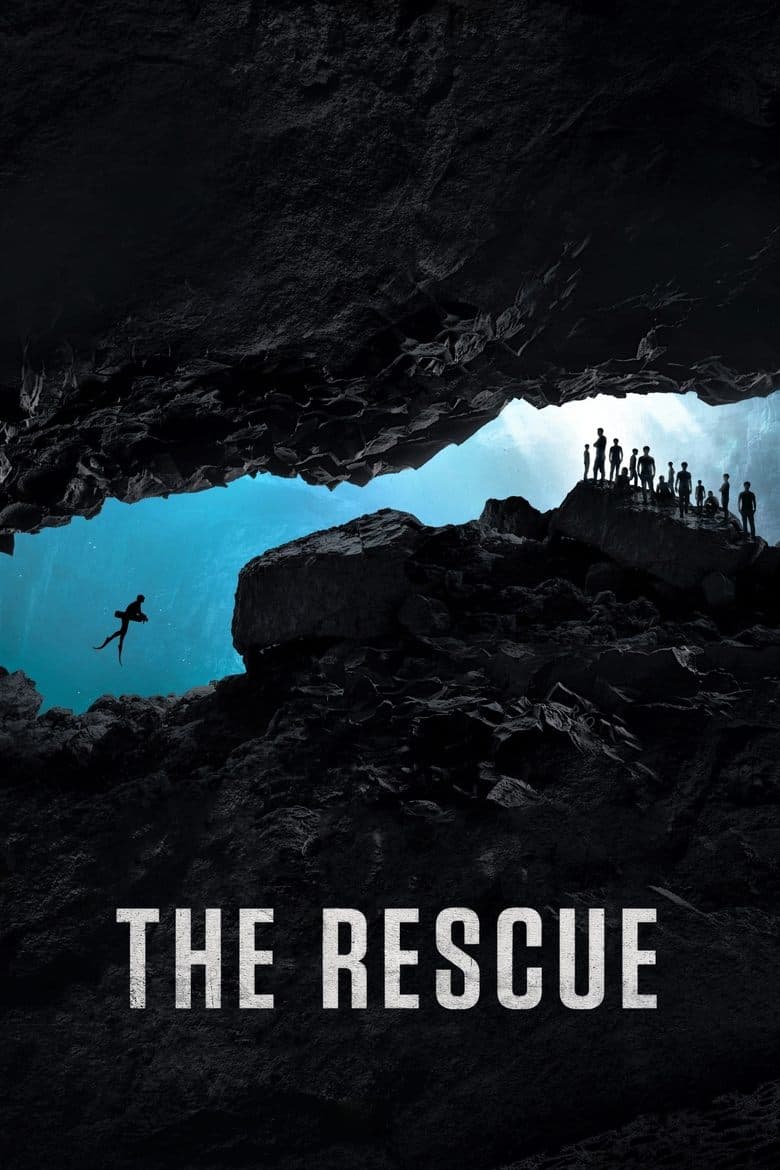
Movie · 2021
The enthralling, against-all-odds story that transfixed the world in 2018: the daring rescue of twelve boys and their coach from deep inside a flooded cave in Northern Thailand.

Movie · 2018
Dan, a 21-year-old carefree boy is always surrounded by a bunch of friends and fellow hotel interns who feed off each other's everyday moments, their ups and downs.

Movie · 2019
A look at the Apollo 11 mission to land on the moon led by commander Neil Armstrong and pilot Buzz Aldrin.
