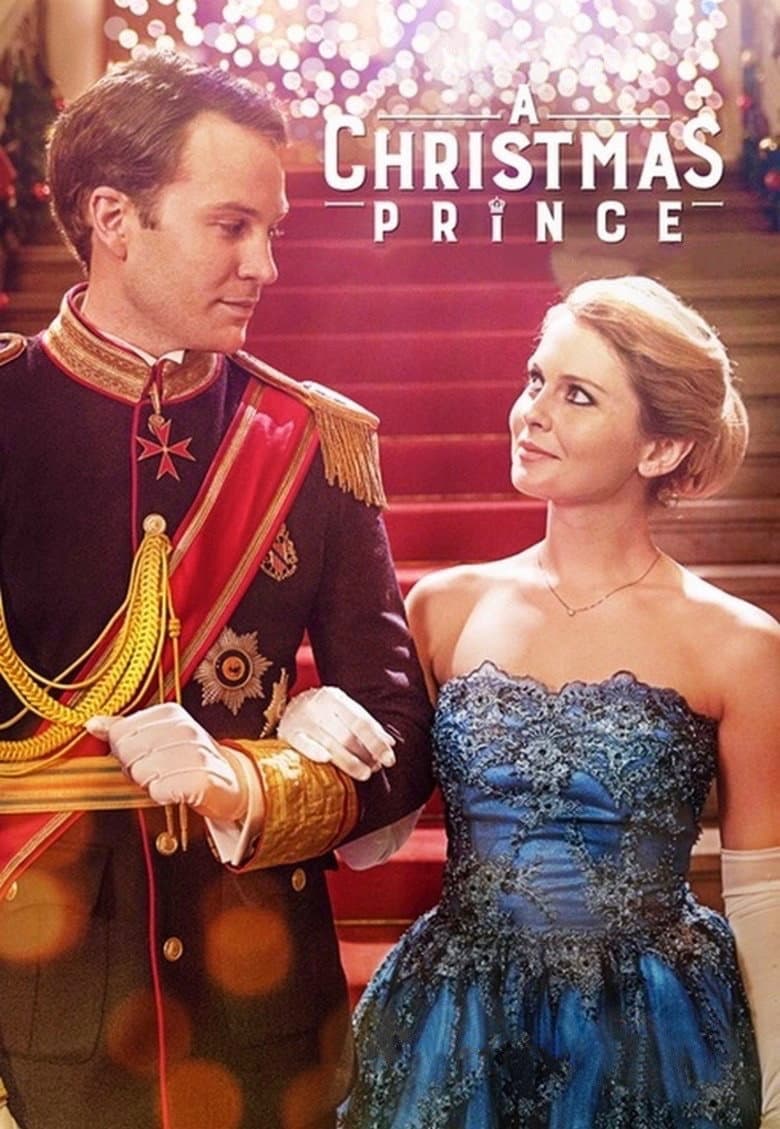
Amber Moore is a junior copy editor in New York who wants to become a real reporter. Her boss sends her to Aldovia, a small fictional European kingdom, to cover Prince Richard before his coronation. When Richard misses the press event, Amber pretends to be a tutor so she can stay in the palace and investigate him. The film uses a bright, silly, and romantic Christmas tone as Amber’s lie grows into a royal crisis and a fast love story.
Amber is shown as ambitious, brave, and able to solve the main royal problem, while Richard starts as a careless playboy who must grow into his duty. The film gives one clear gender message when Princess Emily says that the male-bloodline rule keeps her from the throne because she is female. Amber helps stop Simon from using that rule to take the crown, but gender politics is not the film’s main subject. The story mainly focuses on romance, family loyalty, adoption, honesty, and Amber’s choice to pursue independent writing.
Community feedback
Was our 31% Woke rating accurate?
Breakdown
These are the editorial factors and ratings behind our score for A Christmas Prince.
Woke representation / casting
Not present. The movie includes a Black New York coworker and a disabled princess, but it does not frame either choice as a diversity message. Those choices are plausible for the modern New York and fictional European settings, with no clear one-of-each casting pattern.
0%
Woke political dialogue
The film has one direct exchange about the succession law. Emily says that only the male bloodline can inherit and calls the rule unfair. Amber’s friend agrees, but the movie does not repeat the point as a wider political speech. The line is clear but brief.
25%
Identity-driven story themes
Amber is an ambitious woman who wants to become a real journalist. She repeatedly pushes past palace staff, follows clues, and keeps her career in mind while falling for Richard. She finds the final proof that saves Richard’s claim, while Emily is told that being female blocks her from the throne. The story gives women important choices and skills, but it still centers on romance rather than female leadership.
40%
Western institutional / cultural critique
The movie treats Aldovia’s male-only succession rule as unfair because Emily is a girl. The line is a small critique of a traditional gender rule inside the fictional monarchy. The story does not attack Christianity, capitalism, family life, or Western institutions, and it uses no wider activist language.
15%
Woke character or canon changes
Not relevant. The movie uses original fictional characters and a made-up kingdom. It does not change a known character, real person, historical event, or established story.
0%
Anti-woke backlash and complaints
Not present. News and audience posts focused on the movie’s silly plot, weak journalism, and Netflix’s viewing-data joke. The supplied X pass found no anti-woke reaction, and no clear anti-woke complaint appeared elsewhere in the research.
0%
Creator track record context
Karen Schaler’s supplied profile describes hopeful and empowering stories, and this film centers an ambitious woman who wants a career. That is a weak identity-related signal, not a record of political or DEI activism. The other supplied creator scores are low and point mainly to commercial family, romance, holiday, and genre work.
10%
Production

Movie · 2018
Ram is a photographer and nature lover who travels all around India capturing moments. On a chance visit to his hometown Tanjavur, he goes into his school and begins to walk down…

Movie · 2017
Fourteen years after the events of the original film, a series of encounters between people in Britain reminds us that in these different times Love, actually exists.
Movie · 2019
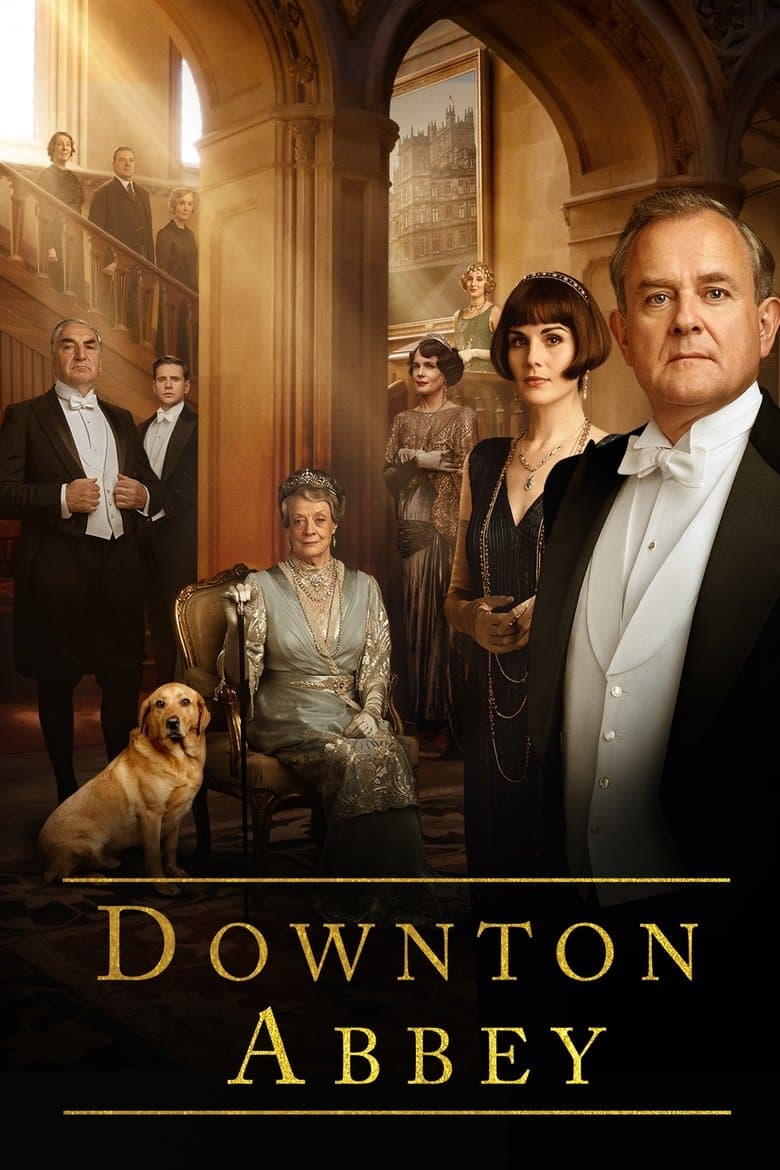
The beloved Crawleys and their intrepid staff prepare for the most important moment of their lives. A royal visit from the King and Queen of England will unleash scandal, romance…
Movie · 2026
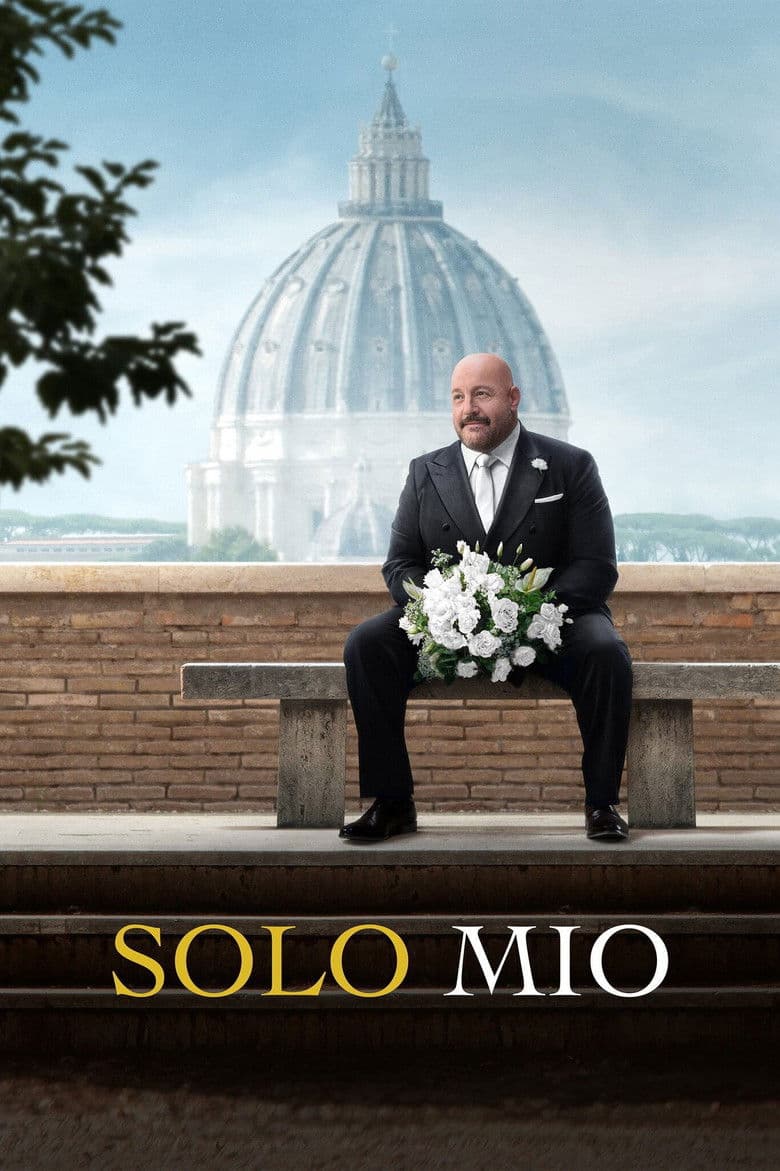
After Matt's dreams of a picturesque Italian wedding are shattered when his fiancée leaves him at the altar, he embarks on his planned honeymoon across Italy alone, immersing…

Movie · 2020
The true-life story of Christian music star Jeremy Camp and his journey of love and loss that looks to prove there is always hope.
Movie · 2019
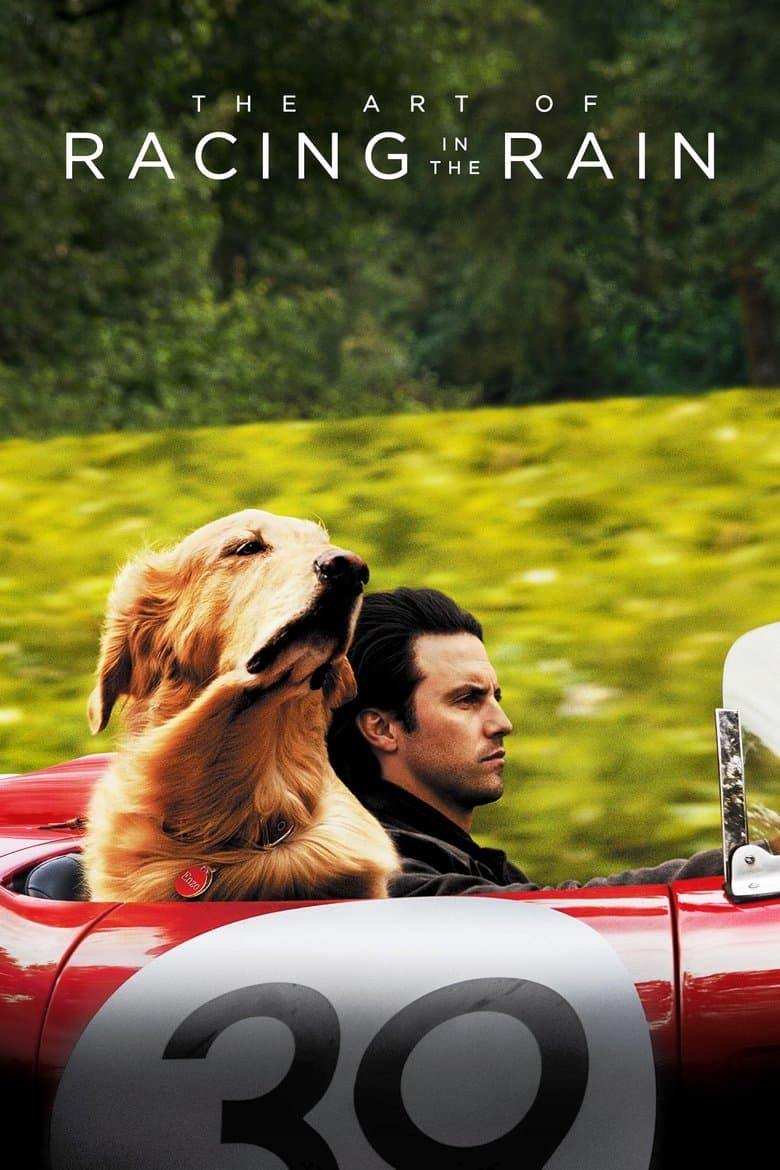
A family dog – with a near-human soul and a philosopher's mind – evaluates his life through the lessons learned by his human owner, a race-car driver.

Movie · 2021
Finley, a talented aspiring violinist, meets Beckett, a famous young movie star, on the way to her college semester abroad program in a small coastal village in Ireland.
Movie · 2020
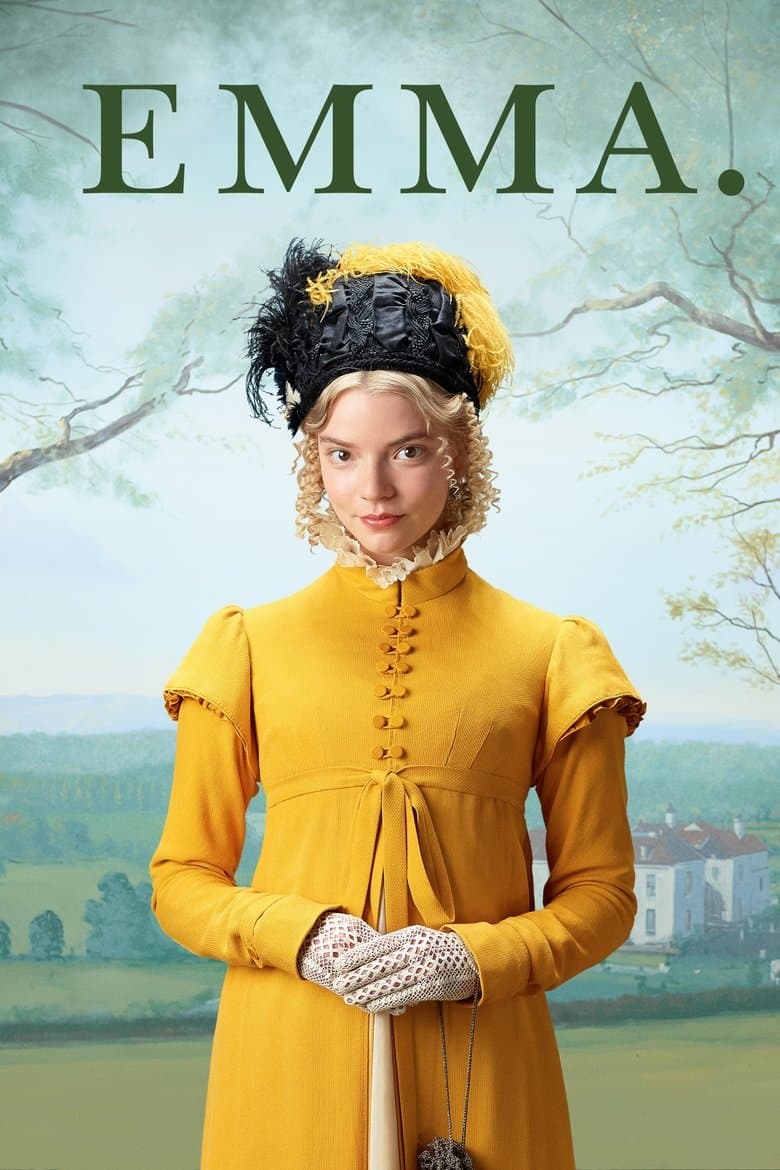
In 1800s England, a well-meaning but selfish young woman meddles in the love lives of her friends.
