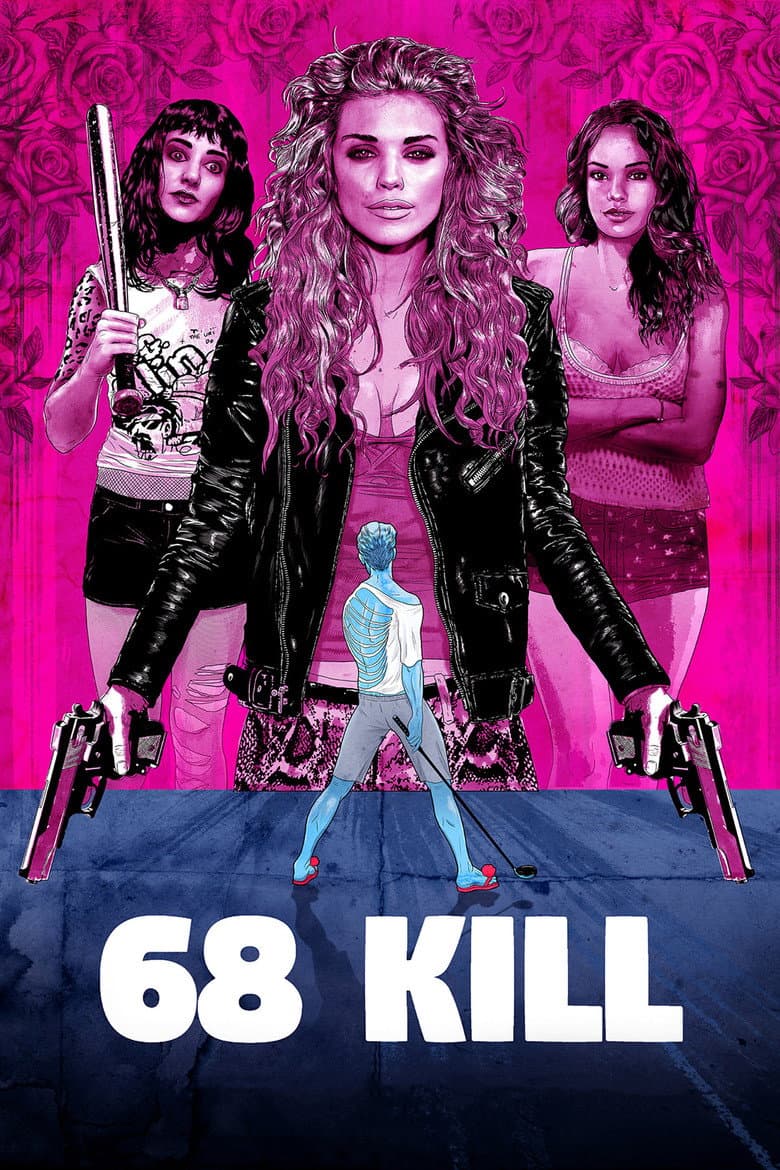
Chip is a shy sewer worker who cannot say no to Liza, his cruel and beautiful girlfriend. He agrees to help her steal $68,000 from her landlord in Louisiana. The robbery turns into a night of murder, kidnapping, sex, and betrayal. Chip runs through a dirty world of criminals and killers while trying to escape the woman he loves. The movie uses dark comedy, gore, and fast crime scenes to make the chaos feel loud and unreal.
The story gives its main women most of the control while Chip stays weak, scared, and easy to use. Liza starts the robbery, Violet survives by thinking quickly, and Monica traps Chip after he reaches for freedom. Chip changes when he stops obeying women who hurt him and chooses to live on his own. The film makes this gender role reversal a major part of the plot, but it presents the idea through crude jokes, abuse, and wild crime violence instead of a serious political speech.
Community feedback
Was our 45% Woke rating accurate?
Breakdown
These are the editorial factors and ratings behind our score for 68 Kill.
Woke representation / casting
The prominent cast puts three women, Liza, Violet, and Monica, in the most active and controlling roles around Chip. The women drive the robbery, chase, threats, and later traps, while the male lead is passive and often helpless. This is a clear gender pattern in the main roles, but the film does not sell it as a broad diversity message.
34%
Woke political dialogue
Not present. The characters make crude remarks about sex, masculinity, and control. The film does not use speeches or repeated lines to promote modern activist, DEI, or identity-politics ideas.
0%
Identity-driven story themes
The story repeatedly makes gender power part of the action. Liza, Violet, and Monica control, use, or outsmart Chip, while Chip begins as a passive man who lets women make his choices. The plot turns his escape into a journey toward self-sufficiency and a refusal to accept abuse. The movie uses this setup to reverse the usual gender pattern, so the gender reversal is central even though the film presents it as violent comedy.
58%
Western institutional / cultural critique
The film challenges old gender roles by making a man the frightened victim and making women the main drivers of crime, sex, and violence. The plot also shows men using money and sexual power to control Liza and Violet. These ideas recur through the chase, but the story attacks personal abuse rather than churches, government, capitalism, or other Western institutions.
30%
Woke character or canon changes
Not relevant. The movie adapts Bryan Smith's pulp novel, but no identity-related change to an established character, canon, or real person is clearly reported.
0%
Anti-woke backlash and complaints
Not present. No clear anti-woke or anti-DEI backlash was found. The main debate called the film misogynistic or questioned its gender-role reversal, rather than saying it pushed woke or activist politics.
0%
Creator track record context
Haaga's record is mainly independent horror, exploitation, and dark comedy. His earlier work and comments about misogyny and strong female characters give him mild gender-related context. He openly described this film as a role reversal, but he did not frame it as a DEI or activist project. The other cached creators have low scores and no clear activist profile.
14%
Production
Movie · 2017
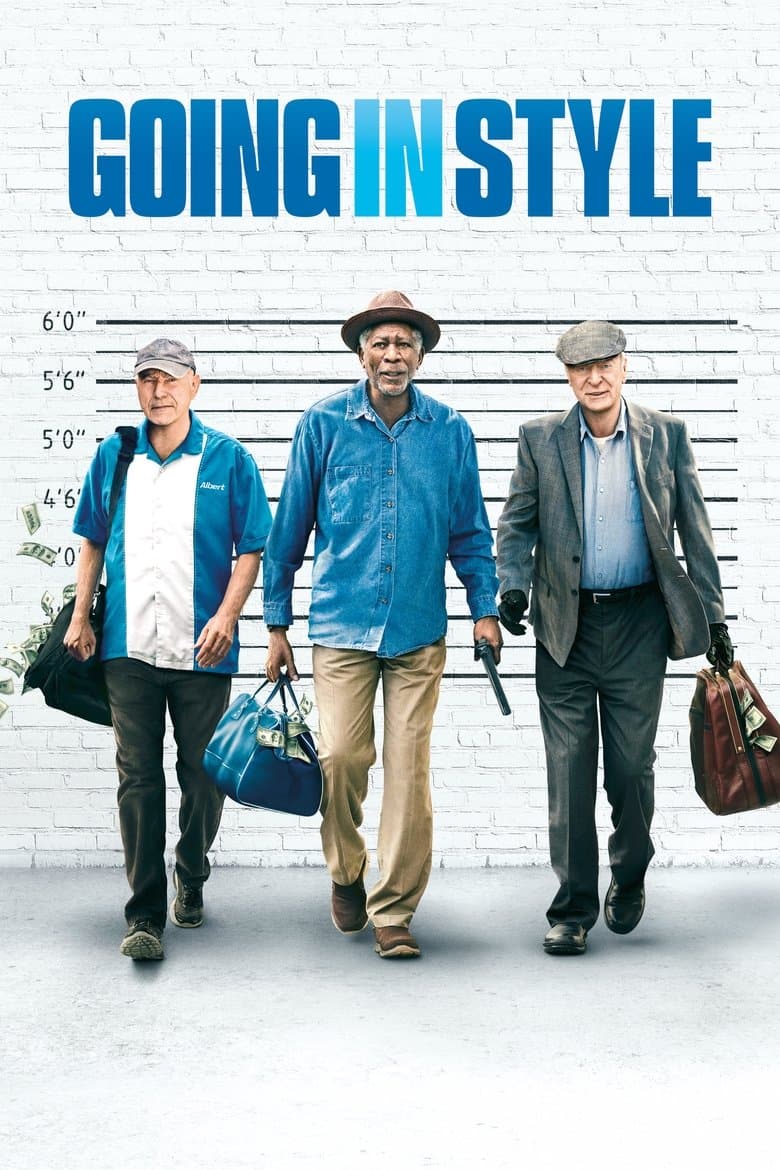
Desperate to pay the bills and come through for their loved ones, three lifelong pals risk it all by embarking on a daring bid to knock off the very bank that absconded with their…
Movie · 2019
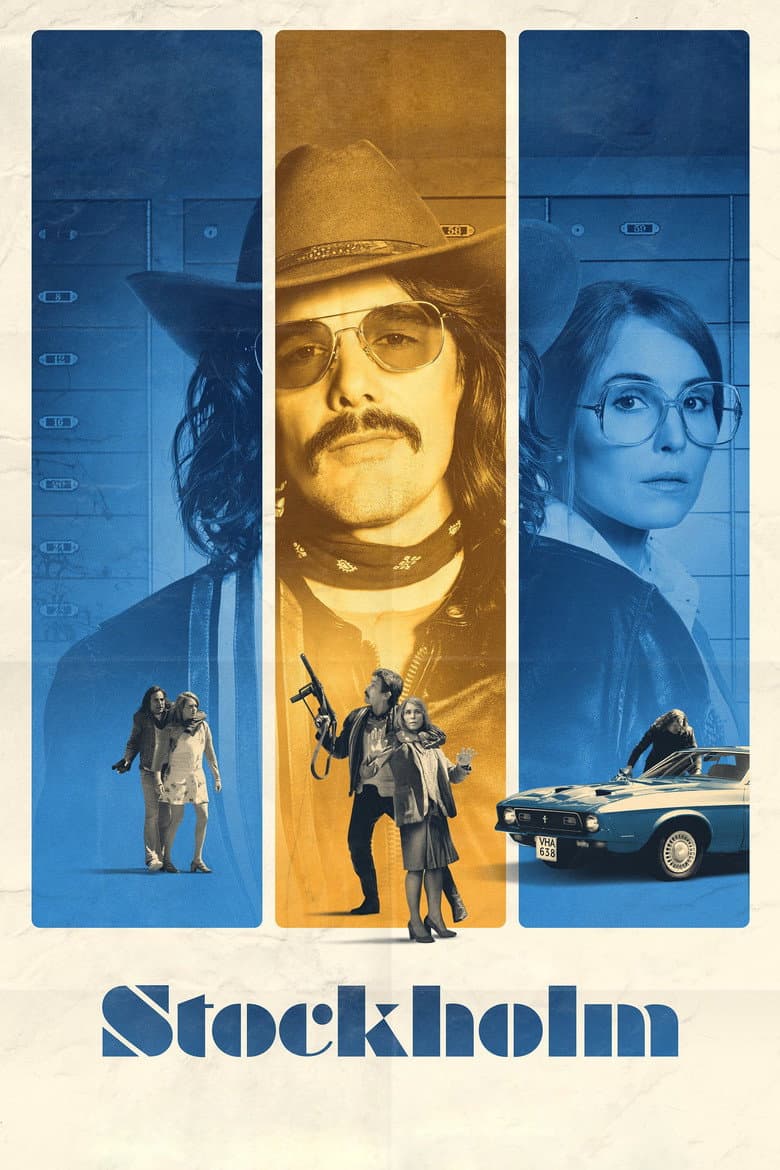
Based on the extraordinary true story of the European city’s 1973 bank heist and hostage crisis that was documented in the 1974 New Yorker article “The Bank Drama” by Daniel Lang.
Movie · 2024
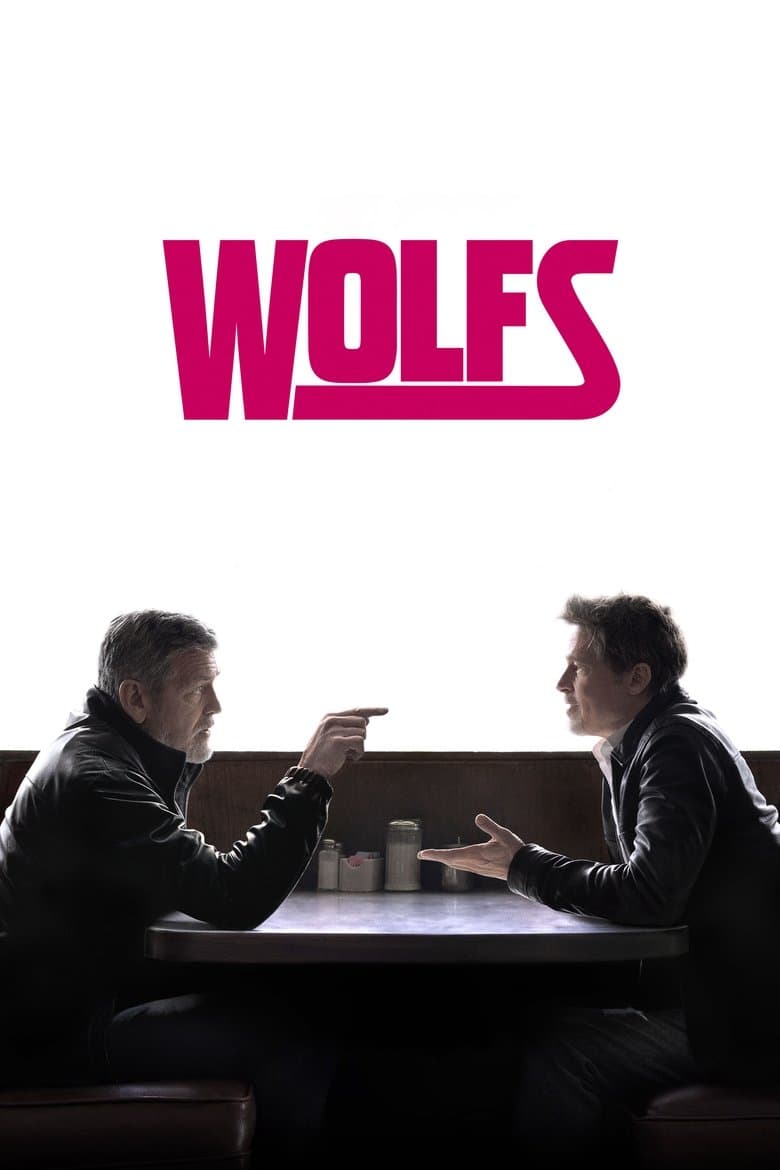
Hired to cover up a high-profile crime, a fixer soon finds his night spiralling out of control when he's forced to work with an unexpected counterpart.
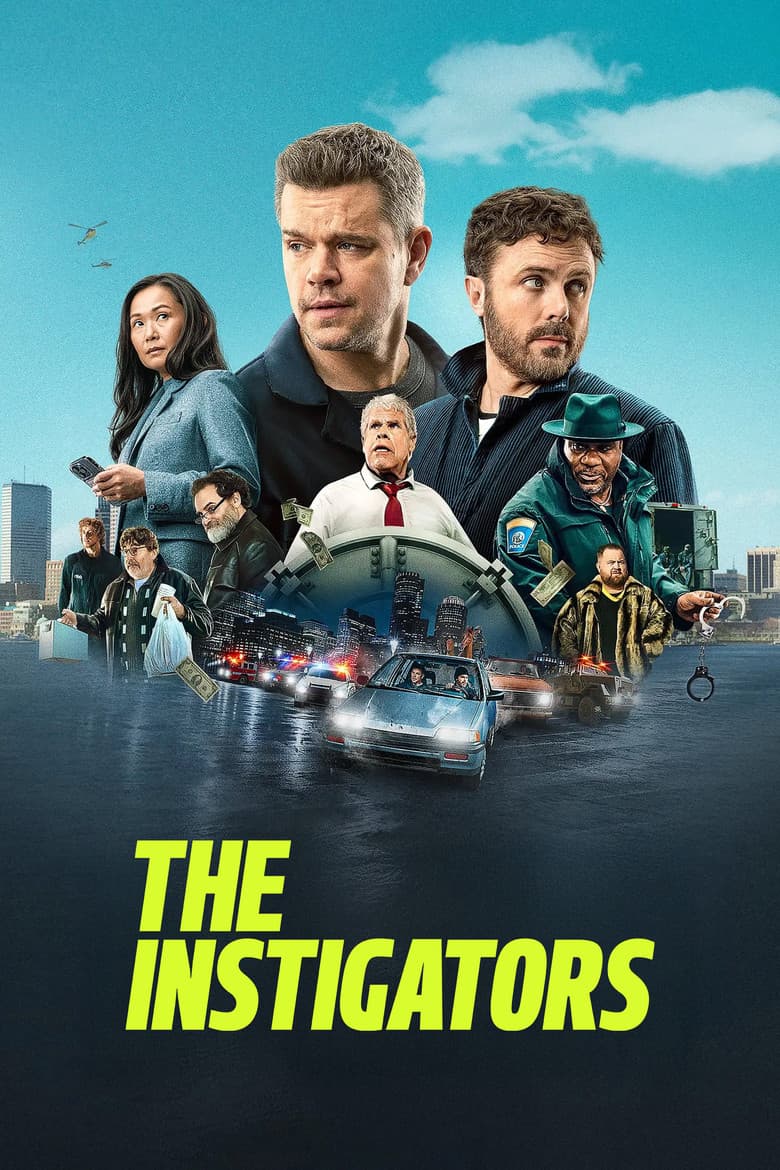
Movie · 2024
Rory and Cobby are unlikely partners thrown together for a heist. But when it goes awry, they team up with an unusual accomplice — Rory's therapist — to outrun police, backward…

Movie · 2016
A girl falls for the "perfect" guy, who happens to have a very fatal flaw: he's a hitman on the run from the crime cartels who employ him.
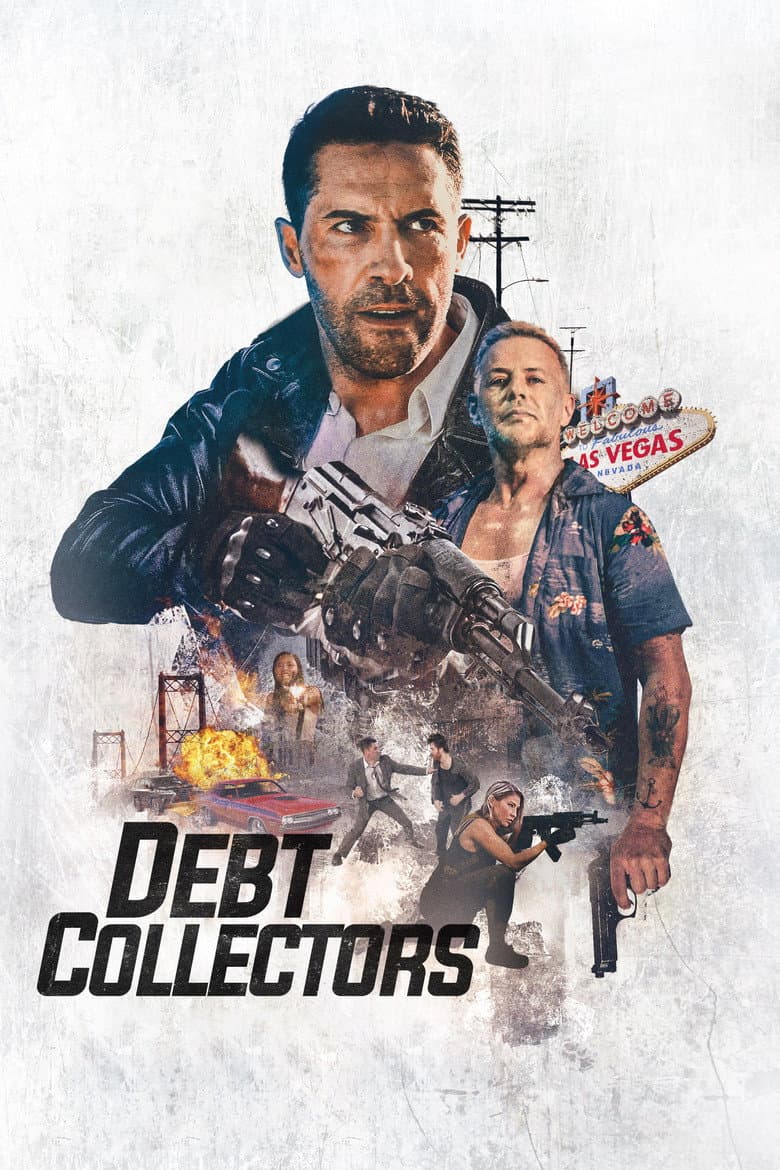
Movie · 2020
A pair of debt collectors are thrust into an explosively dangerous situation, chasing down various lowlifes while also evading a vengeful kingpin.

Movie · 2017
Deadpool sees an opportunity to save the day, but it doesn't go entirely as planned.
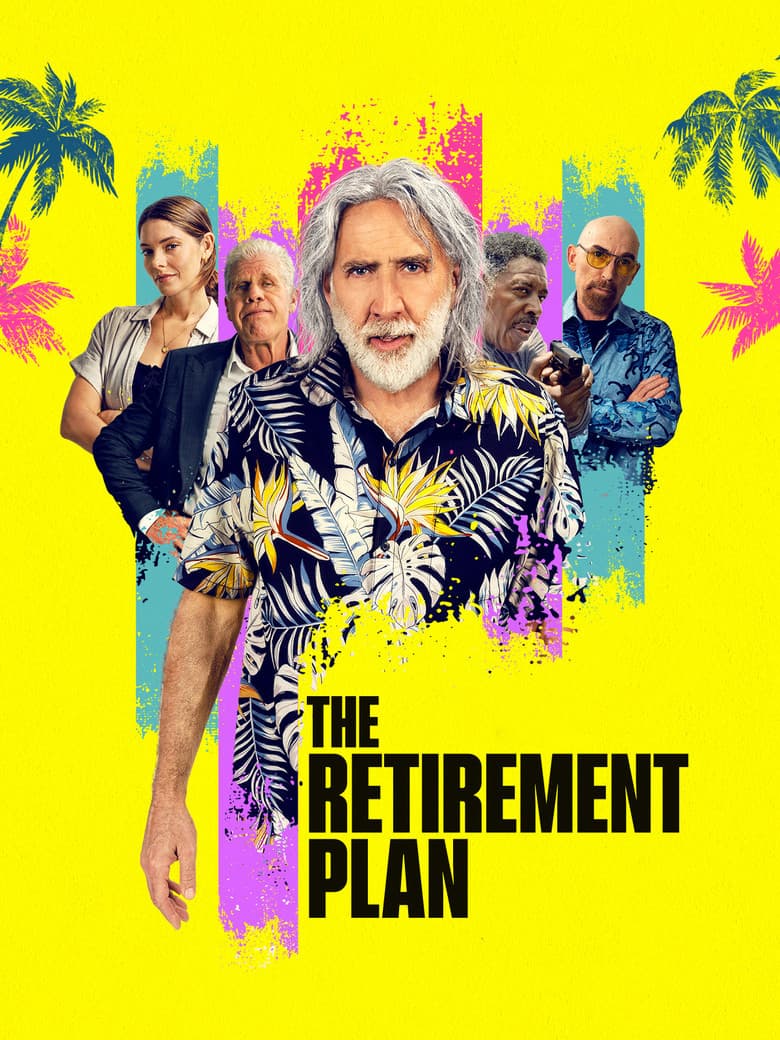
Movie · 2023
When Ashley and her young daughter Sarah get caught up in a criminal enterprise that puts their lives at risk, she turns to the only person who can help: her estranged father…
