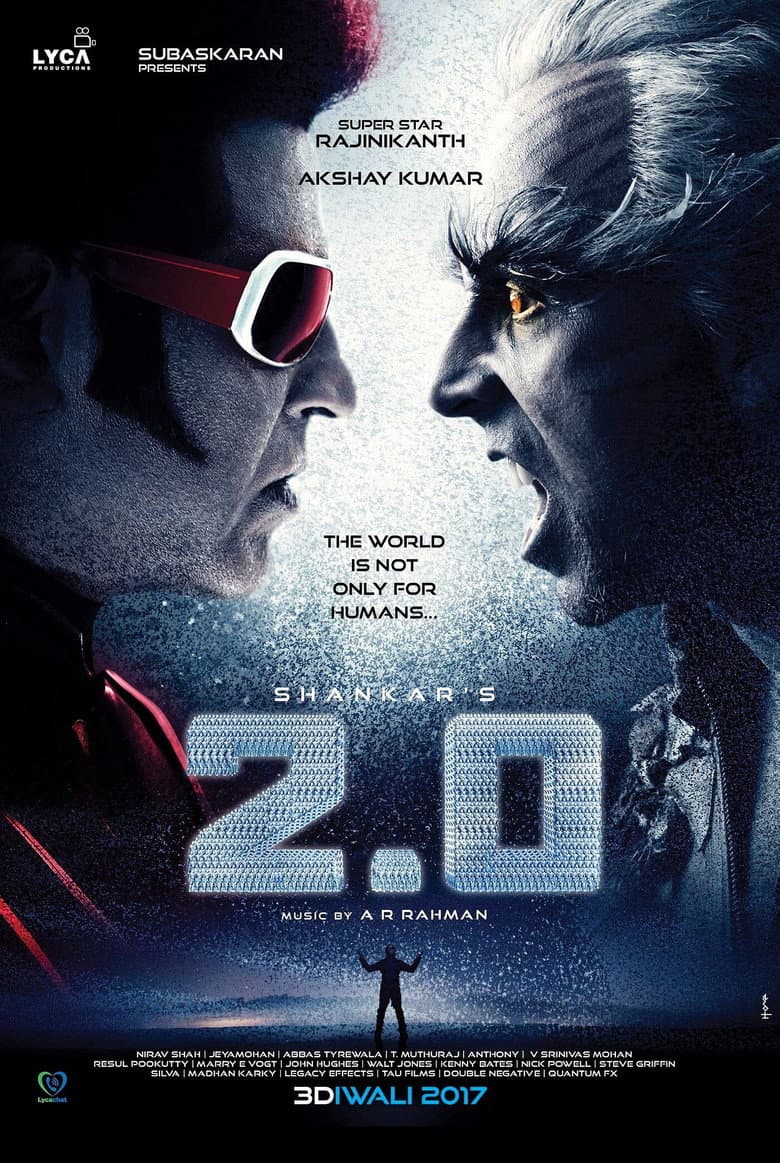
2.0 is a large-scale Indian science fiction action movie set in modern Chennai. Scientist Vaseegaran brings his old robot Chitti back after a strange force pulls every mobile phone into the sky. The force becomes a giant bird made from phones and attacks people, towers, and buildings. Vaseegaran, Chitti, and the helper robot Nila must learn why the attacks began and stop them before the city is destroyed. The film mixes bright computer effects, jokes, romance, and a serious warning about technology.
The clearest social message is that phone towers and careless phone use harm birds and the wider natural world. Pakshirajan, a bird expert, becomes a vengeful ghost-like force after his warnings fail and birds die. The film gives his anger an emotional reason, but it also shows him killing ordinary phone users, so the heroes treat his answer as wrong. The story mocks phone addiction and blames companies and officials for ignoring safety limits.
Community feedback
Was our 35% Woke rating accurate?
Breakdown
These are the editorial factors and ratings behind our score for 2.0.
Woke representation / casting
Not present. The main cast shows Indian human characters, plus a female robot and Indian men in key roles. The film does not present casting as a diversity or identity statement.
0%
Woke political dialogue
The film gives Pakshirajan several direct warnings about phone use and bird deaths. Pakshirajan says that phone owners share blame for the harm. Other characters discuss tower limits, company choices, and public phone addiction. These lines support an environmental warning rather than a message about race, gender, sexuality, or DEI.
35%
Identity-driven story themes
The main story follows Pakshirajan’s effort to protect birds from phone towers. The film treats birds as victims of human technology and gives their protector a tragic cause. This environmental message drives the villain’s origin and much of the conflict, but it is not centered on human group identity.
33%
Western institutional / cultural critique
Not present. The film shows telecom companies and politicians ignoring safety and public harm. It does not attack Western culture, family life, religion, or capitalism through a modern identity-based message.
0%
Woke character or canon changes
Not relevant. The sequel adds new robots and a new villain, but it does not change an established character’s race, gender, sexuality, or identity for messaging.
0%
Anti-woke backlash and complaints
Not present. The supplied X evidence reports no anti-woke complaints. Web coverage focused on the film’s science claim, story, effects, and telecom dispute rather than woke or DEI messaging.
0%
Creator track record context
Shankar often builds films around corruption and public problems. Jeyamohan often writes about nature, poverty, social class, and social rules, but his public profile is not strongly tied to DEI activism. The film follows that social-issue pattern through its warning about birds and phones. The producers have little documented woke context.
45%
Production
Movie · 2024
In the year 2898 AD, around 6000 years after Kurukshetra war, Ashwatthama gears up for his final battle of redemption at the sign of hope in a dystopian world and Bhairava, a…
Movie · 2022
Dangerously ill with a rare blood disorder, and determined to save others suffering his same fate, Dr. Michael Morbius attempts a desperate gamble.
Movie · 2016
Brothers Mike and Jody join family friend Reggie to battle the Tall Man and his evil minions from another dimension, for the final time.
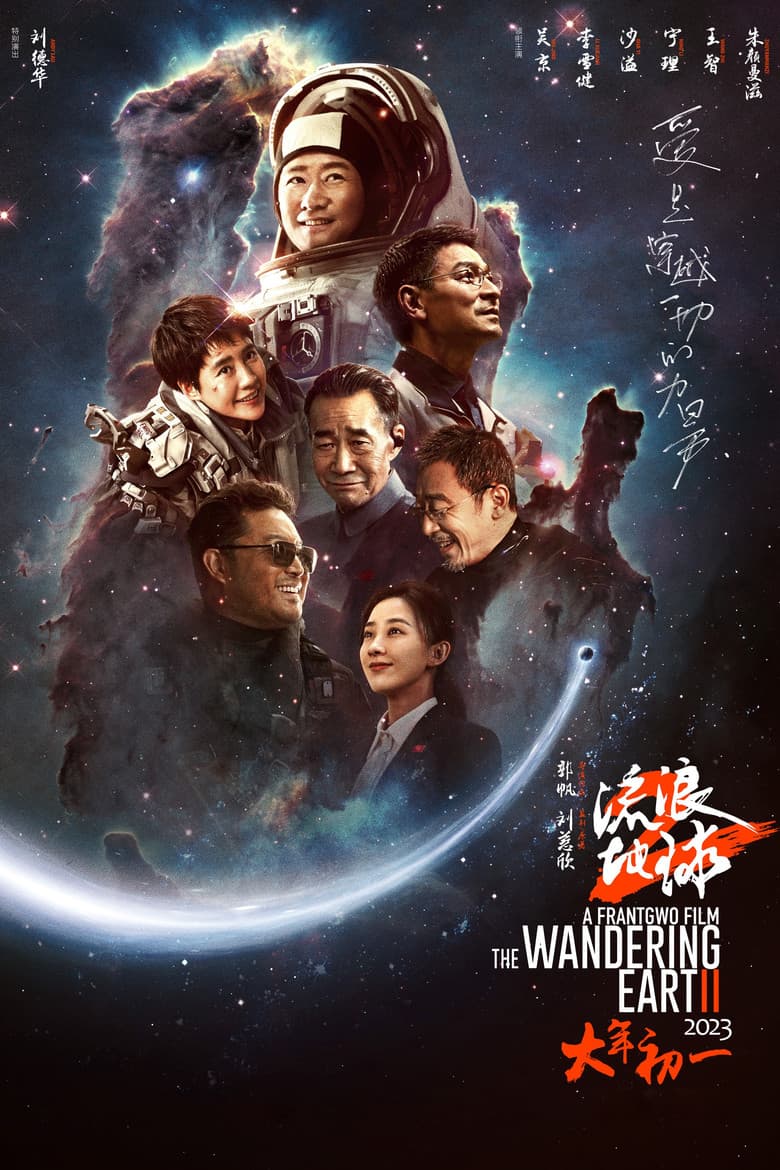
Movie · 2023
Humans built huge engines on the surface of the earth to find a new home. But the road to the universe is perilous.
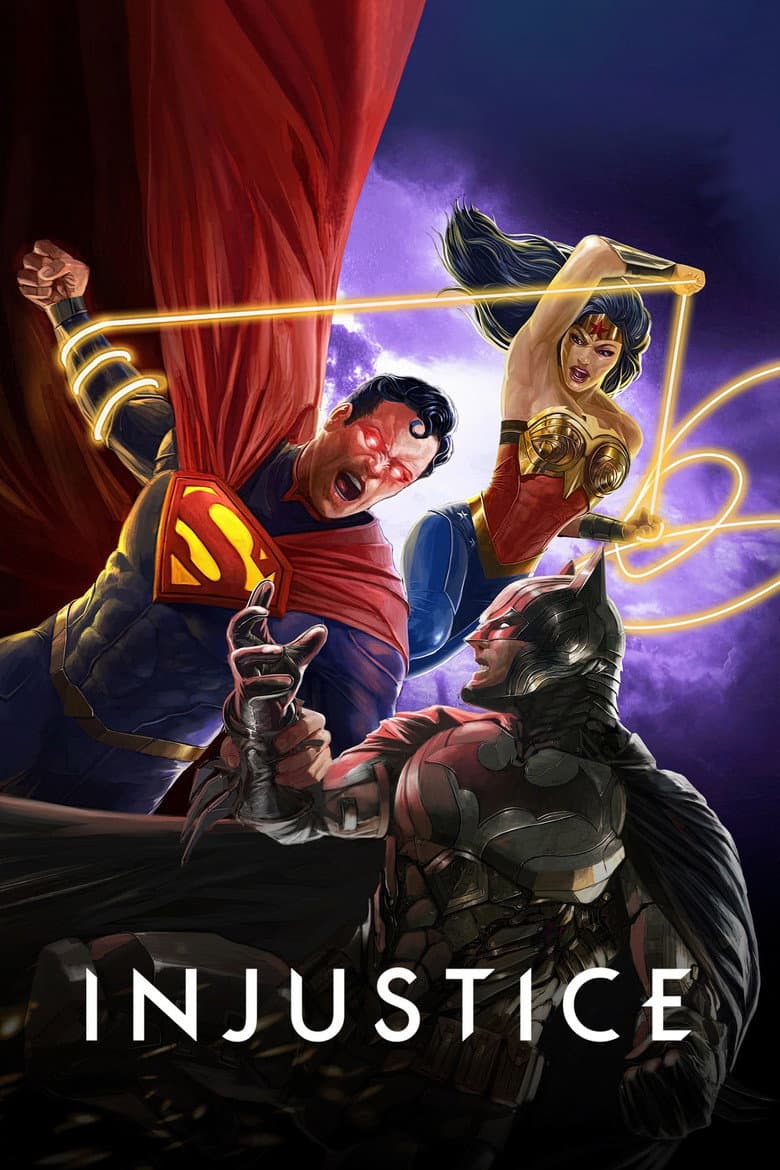
Movie · 2021
When Lois Lane is killed, an unhinged Superman decides to take control of the Earth. Determined to stop him, Batman creates a team of freedom-fighting heroes.
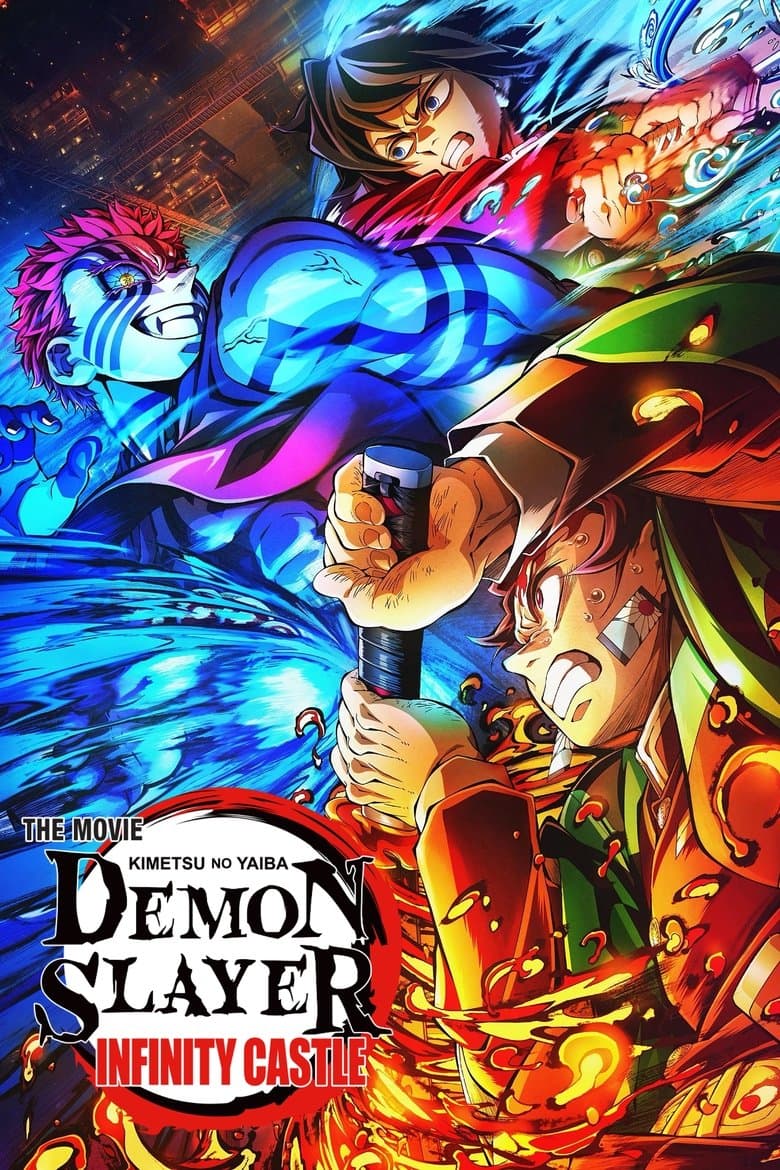
Movie · 2025
The Demon Slayer Corps are drawn into the Infinity Castle, where Tanjiro, Nezuko, and the Hashira face terrifying Upper Rank demons in a desperate fight as the final battle…

Movie · 2023
In postwar Japan, Godzilla brings new devastation to an already scorched landscape. With no military intervention or government help in sight, the survivors must join together in…
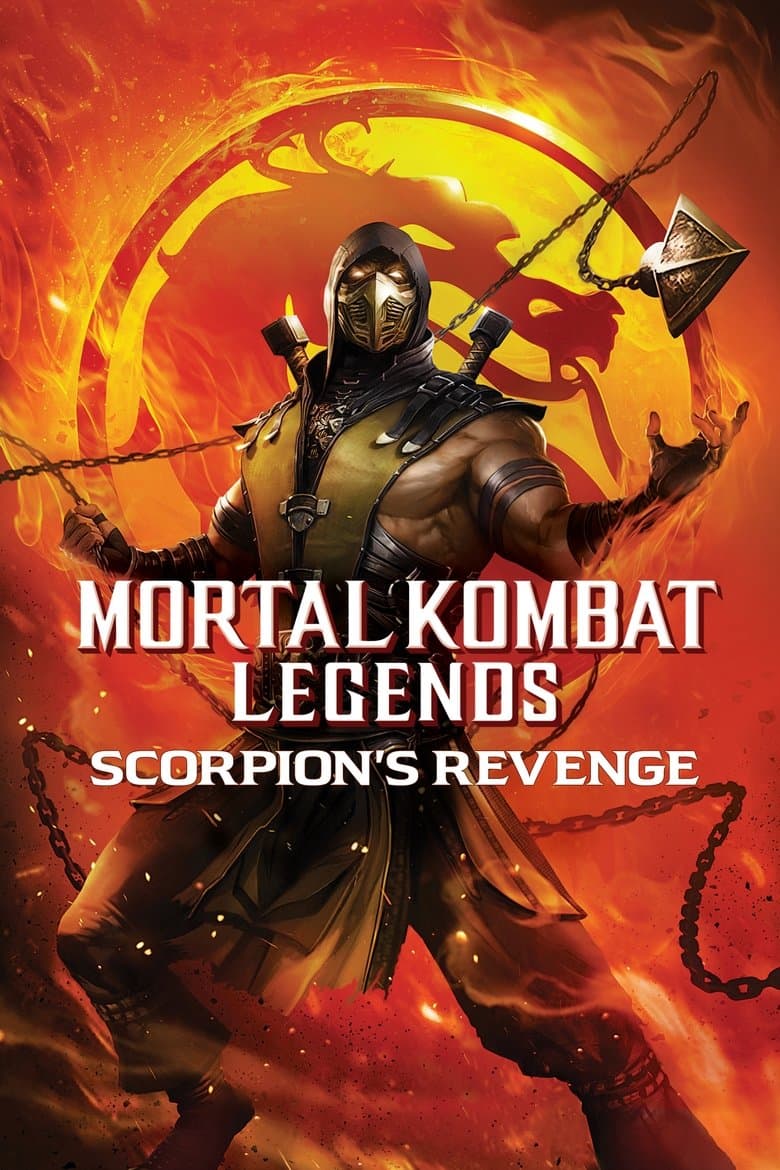
Movie · 2020
After the vicious slaughter of his family by stone-cold mercenary Sub-Zero, Hanzo Hasashi is exiled to the torturous Netherrealm.
