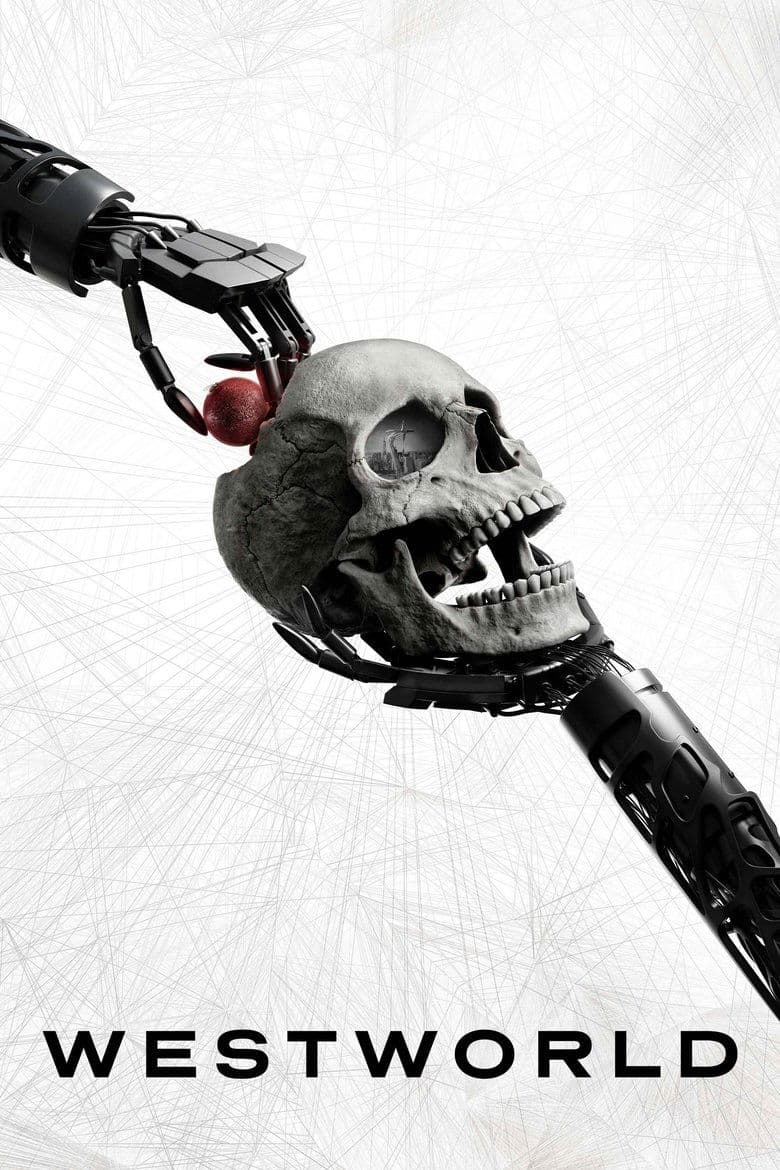
Started October 2, 2016 · Based on 4 seasons, 36 episodes · TV-MA
Westworld follows Dolores Abernathy, a lifelike robot who lives in an Old West theme park built for rich visitors. The guests use the hosts for sex, violence, and fantasy, while the park erases the hosts’ memories after each visit. Dolores, Maeve Millay, Bernard Lowe, and other hosts slowly learn the truth and fight the people who made them. The show is dark, violent, and full of questions about free will, memory, and what makes a person real.
The clearest woke elements come from the hosts’ fight against sexual abuse, control, and assigned roles. Dolores grows from a gentle rancher’s daughter into a rebel leader, and Maeve becomes a powerful fighter who chooses her own path and protects her daughter. Later seasons add a black female ruler, Charlotte Hale, and a second park where hosts control humans, while Season 3 attacks data systems that decide people’s futures. The show also confirms a bisexual character and includes brief same-sex sexual scenes, but queer material is not the main story.
Community feedback
Was our 67% Woke rating accurate?
Breakdown
These are the editorial factors and ratings behind our score for Westworld.
Woke representation / casting
The future company and international parks can naturally support a mixed cast. The stronger signal is the repeated use of women as the show’s most important leaders, because Dolores leads the revolt, Maeve directs host networks, and Charlotte rules the human world. The marketing also sold the women as taking over, and Lisa Joy spoke about more women and minorities in power. Logan’s confirmed bisexuality adds an identity element, but it is a small side plot.
38%
Woke political dialogue
Season 3 says Rehoboam uses private data to decide what jobs, relationships, and futures people can have. Caleb rejects a world controlled by a rich tech system, and Dolores says it drugged and used people. The finale says free will exists but is hard, and Caleb shuts down the system. These speeches are political in a broad modern way, but the show rarely gives direct party, race, or gender lectures.
32%
Identity-driven story themes
Hosts are built as sexual bodies for wealthy guests, and Dolores and Maeve turn that abuse into the central revolt. Dolores moves from a programmed rancher’s daughter to a ruthless leader who decides whether humans can be saved. Maeve’s fight for her daughter gives the story a clear female-power and family angle, while Charlotte Hale later controls humans in a host-run city. Logan is confirmed bisexual and has sex with men and women, but queer material is brief and not the main conflict. The show also makes Dolores and Charlotte morally harsh, so it does not present every female leader as purely good.
58%
Western institutional / cultural critique
The park is a business where wealthy guests pay to rape, kill, and reset hosts. The story treats male entitlement and sexual violence as part of the system that turns bodies into products. Season 3 expands the target to Incite and Rehoboam, which sort people by data and control their lives. Season 4 repeats the same structure when hosts put humans into a city park. The show attacks corporate power and forced social order, but it does not promote a socialist or communist system.
50%
Woke character or canon changes
The 1973 film centered its danger on a male gunslinger robot and male guests. The TV adaptation makes Dolores and Maeve the main hosts who gain power and lead the revolt. Lisa Joy calls the series a meditation on being a woman and says more women and minorities should hold power. The gender shift is therefore tied to a stated message, not only to shortening or updating the old plot. The show still keeps the original theme park and robot rebellion.
35%
Anti-woke backlash and complaints
Some Reddit and user-review posts call the later seasons a feminist or SJW playground. Other posts complain that the female leads are too powerful or that the show uses forced diversity. IMDb and Metacritic comments repeat some of these claims, but many complaints focus on confusing writing instead. Mainstream coverage discussed feminism, sexual violence, and women taking control more often than it discussed woke politics. The anti-woke backlash is real but scattered.
30%
Creator track record context
The listed directors and writer have little public activist history, and their known work is mainly visual or production work. Rebekah Scheys has some context from credits on Euphoria and For All Mankind, but no clear activist record was found. Lisa Joy’s title interviews frame the show around women, oppression, empowerment, and more women and minorities in power. That supports the show’s themes, but the research did not find a broad activist pattern across the listed crew.
18%
Production
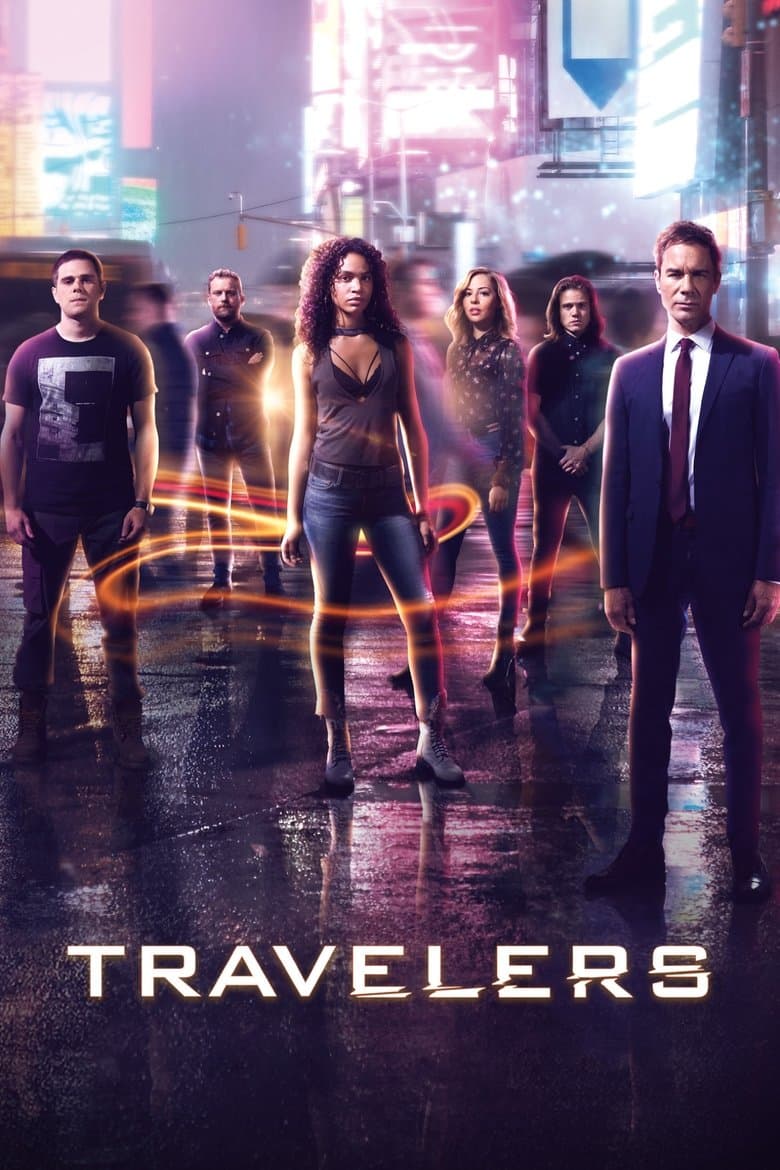
TV Show · 2016
Hundreds of years from now, the last surviving humans discover the means of sending consciousness back through time, directly into people in the 21st century.
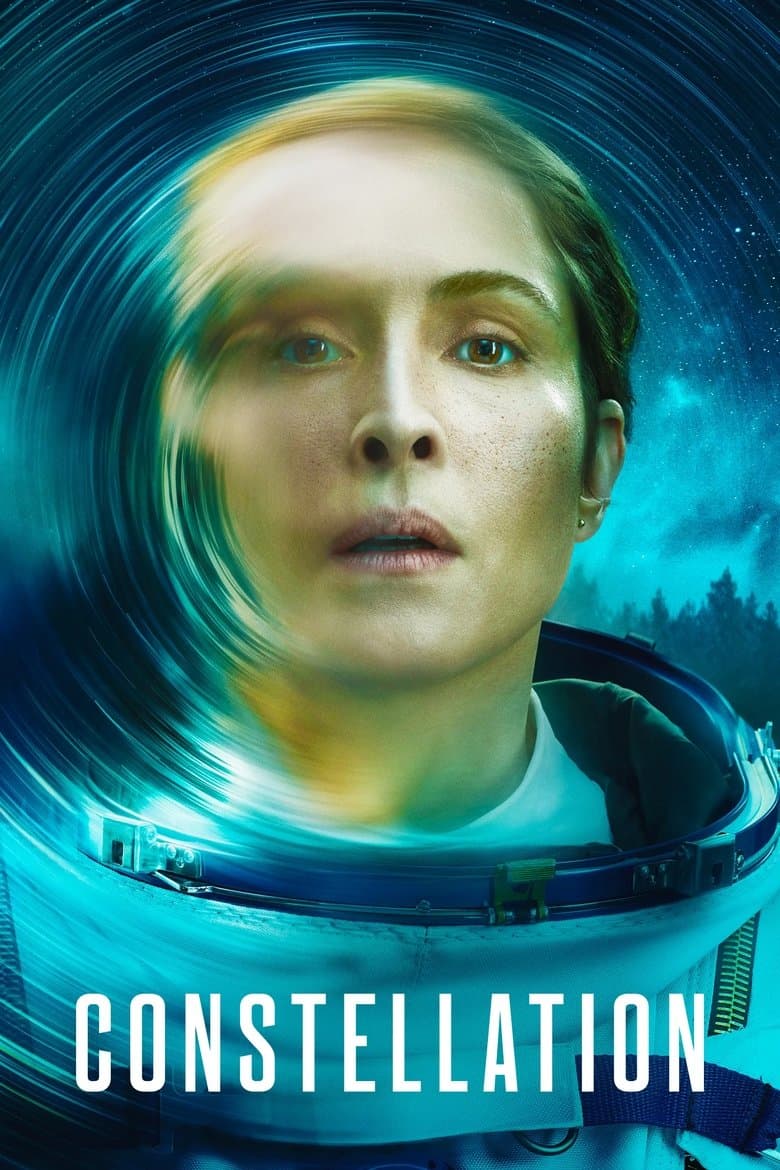
TV Show · 2024
When a fatal accident occurs on board the International Space Station, a lone astronaut makes the heroic journey back to Earth, only to discover key pieces of her life—including…

TV Show · 2023
At the brink of going to hell, Yee-jae must cycle through twelve separate lives and twelve separate deaths in this reincarnation drama.
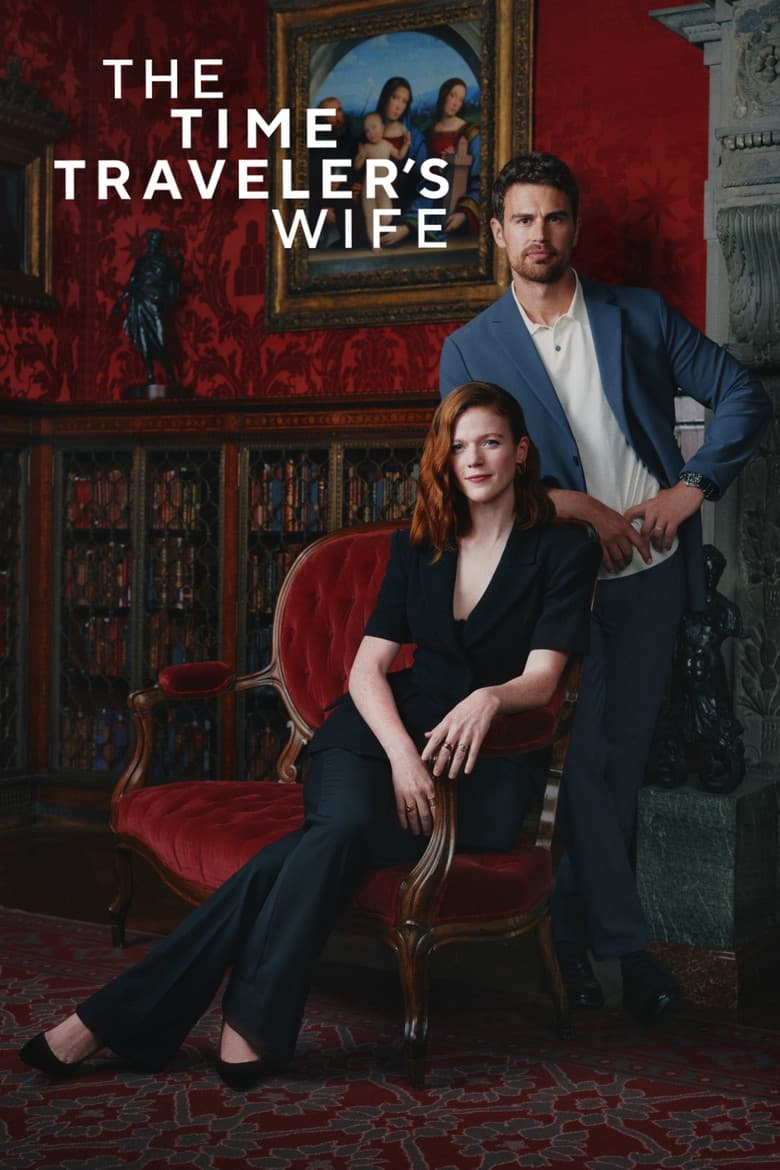
TV Show · 2022
The intricate and magical love story of Clare and Henry, and a marriage with a problem… time travel.
TV Show · 2024
Rick and Michonne are thrown into another world, built on a war against the dead... And ultimately, a war against the living.
TV Show · 2018
After 250 years on ice, a prisoner returns to life in a new body with one chance to win his freedom: by solving a mind-bending murder.
TV Show · 2017
An MIT grad student and a tech superstar bring a low-level Pentagon official a staggering discovery that an asteroid is just six months away from colliding with Earth.
TV Show · 2022
Irene and Franklin York, a retired couple, have a secret: a Chamber buried in their backyard that miraculously leads to a strange, deserted planet.
