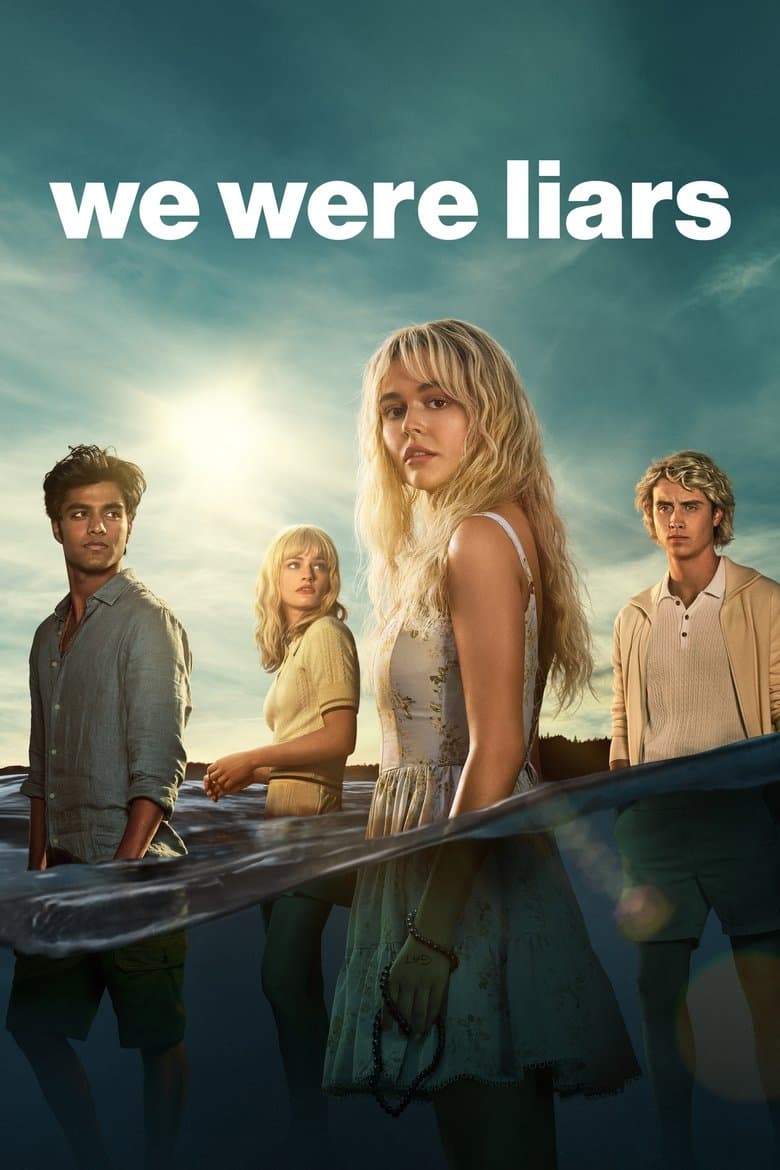
Started June 18, 2025 · Returning Series · Based on 1 season, 8 episodes through June 18, 2025 · TV-14
Cadence Sinclair is a wealthy seventeen-year-old who returns to her family’s private island near Martha’s Vineyard after an accident leaves her with lost memories. Her cousins Johnny and Mirren and her friend Gat will not explain what happened during the previous summer. Cadence moves between the present and the past while she searches for the truth about the fire, her family, and the friends she may have lost. The show mixes teen romance, family drama, mystery, and a dark supernatural twist. Its sunny island setting hides grief, addiction, lies, and a bitter fight over money.
The season gives clear attention to race, class, privilege, and sexuality. Gat is an Indian teenager whose romance with Cadence exposes the Sinclair family’s prejudice, and the show has Cadence read Caste and question the family’s wealth. Cadence and the other teens see the family mansion as a symbol of inherited power and burn it down, with deadly results. Johnny comes out as gay and has feelings for a male tennis partner, which adds a separate identity story. These ideas recur in several episodes, but the mystery, family secrets, and Cadence’s guilt remain the main engine of the show.
Community feedback
Was our 72% Woke rating accurate?
Breakdown
These are the editorial factors and ratings behind our score for We Were Liars.
Woke representation / casting
Gat and Ed are Indian characters in major roles, and the show makes their place in the mostly white Sinclair family part of the drama. Gat’s identity is tied to his romance with Cadence and to Harris’s prejudice. The identity comes from the book and the story gives it a clear reason, so the casting does not look like a broad “one of each” lineup. The visible pattern is still a mild representation signal.
18%
Woke political dialogue
The show repeatedly has Gat and Cadence discuss class, race, privilege, and how Gat changes the way he speaks around the family. Cadence reads Caste and says she wants to use her privilege for good. Harris calls himself a Democrat while rejecting the idea of Indian grandchildren, and several family arguments return to racism and inherited power. The dialogue is a clear recurring part of the season, although the mystery and family drama remain the main focus.
54%
Identity-driven story themes
The season uses Cadence and Gat’s romance to show racism and classism inside a wealthy white family. Gat’s identity shapes his relationship with Harris and the Sinclairs. Johnny’s gay identity and feelings for Blake drive a separate subplot across several episodes. Cadence learns that her family benefits from privilege and tries to reject its legacy. These themes matter to major character choices, but the mystery remains the main engine.
56%
Western institutional / cultural critique
The story treats inherited wealth, family power, and bloodline rules as sources of harm. Harris uses money, reputation, and the threat of prison to control younger family members. The teens call the mansion a symbol of their family’s damage and burn it down. The show links the family’s old money to racism and inherited privilege. This is a recurring critique, but it targets one rich family more than all Western institutions.
45%
Woke character or canon changes
The series makes Johnny openly gay, while the novel only hints at his sexuality. The writers say that a 2025 version of Johnny would come out to his friends, and the show gives him feelings for Blake. The series also makes Harris’s racism and Cadence’s challenge to him more direct than the book. These changes are clearly identity-related, but they mainly reshape one subplot rather than the whole adaptation.
41%
Anti-woke backlash and complaints
NewsBusters/MRC Culture called the show a woke teen drama and objected to its criticism of white wealth and privilege. A few small right-leaning X accounts called the series woke trash or posted a 1/10 rating. One right-leaning user defended the show as not woke, which also points to the low level of disagreement. No organized boycott or major review-bombing effort appeared. The reaction evidence is fringe and limited.
14%
Creator track record context
Carina Adly MacKenzie has a strong record of supporting queer and bisexual representation. E. Lockhart has written LGBT themes and supported wider inclusion in publishing. Julie Plec has a milder liberal and inclusive record without a main focus on current identity politics. So Yong Kim adds a stronger feminist and queer film background, while the other listed directors and producer have lower or moderate signals. This gives the project meaningful creator-context support, but it is stronger than the show’s own casting pattern.
55%
Production
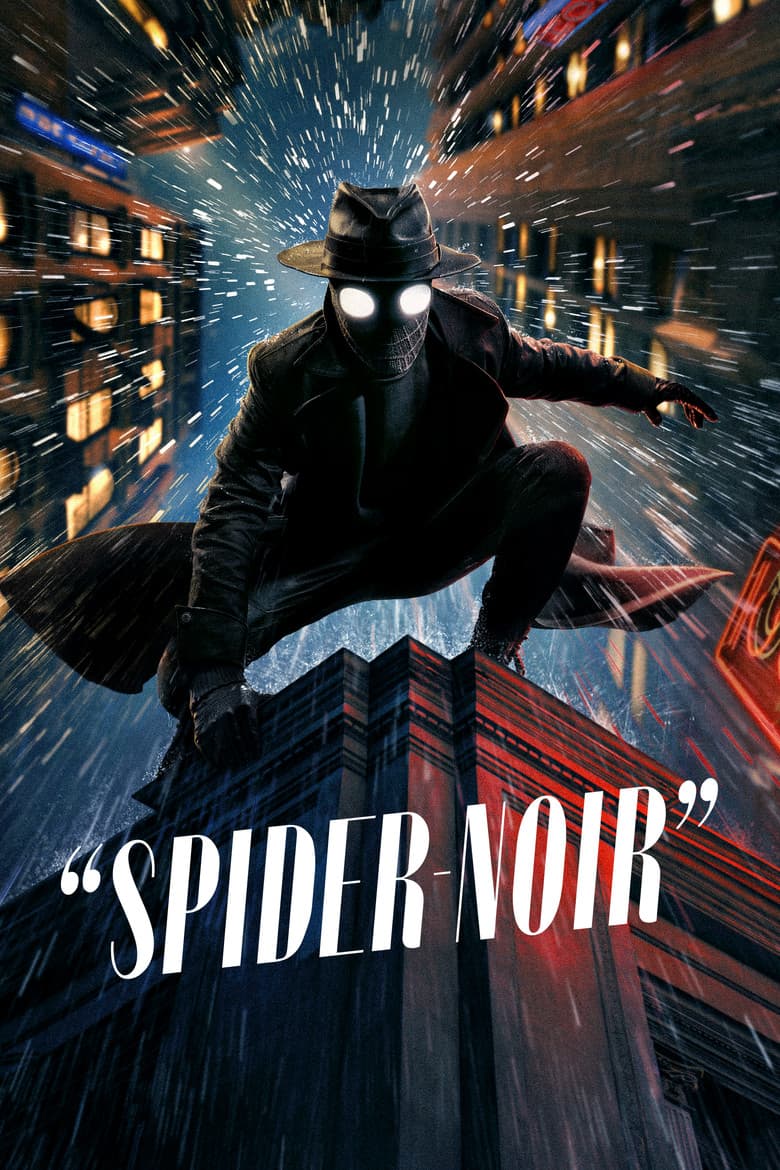
TV Show · 2026
Ben Reilly, an aging and down on his luck private investigator in 1930s New York, is forced to grapple with his past life as the city's one and only superhero.
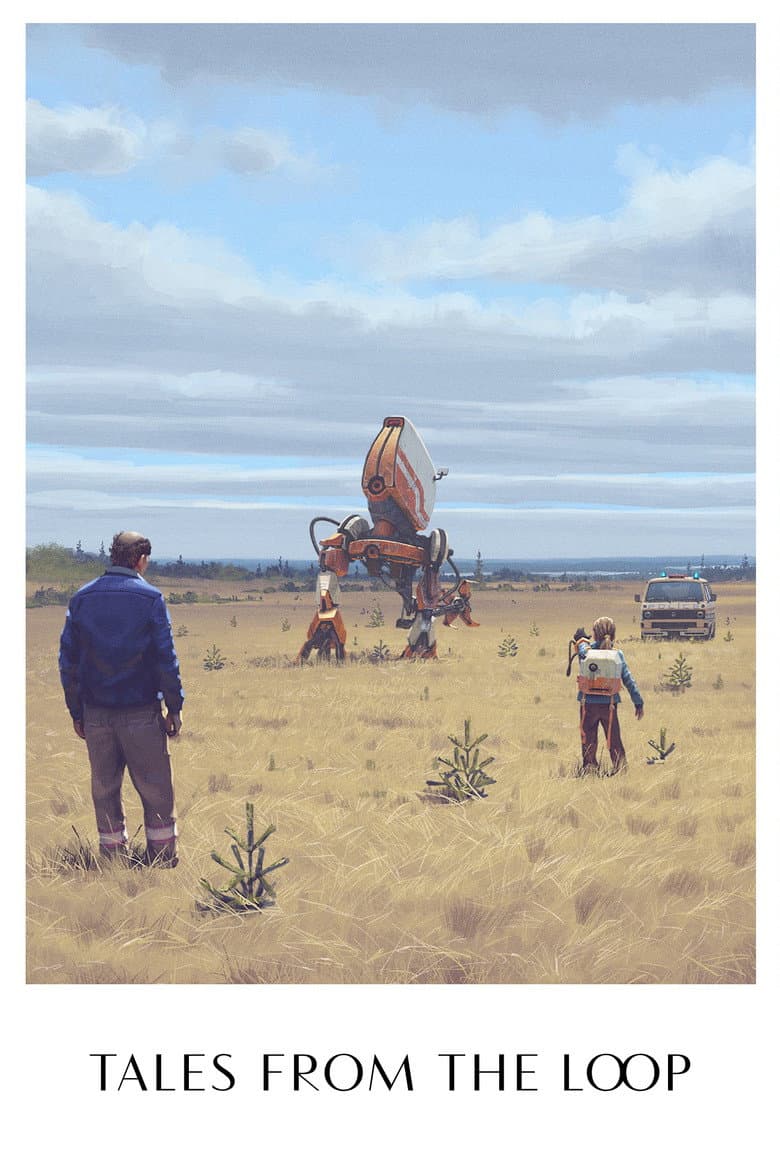
TV Show · 2020
The story of the town and people who live above “The Loop,” a machine built to unlock and explore the mysteries of the universe – making things possible that were previously…
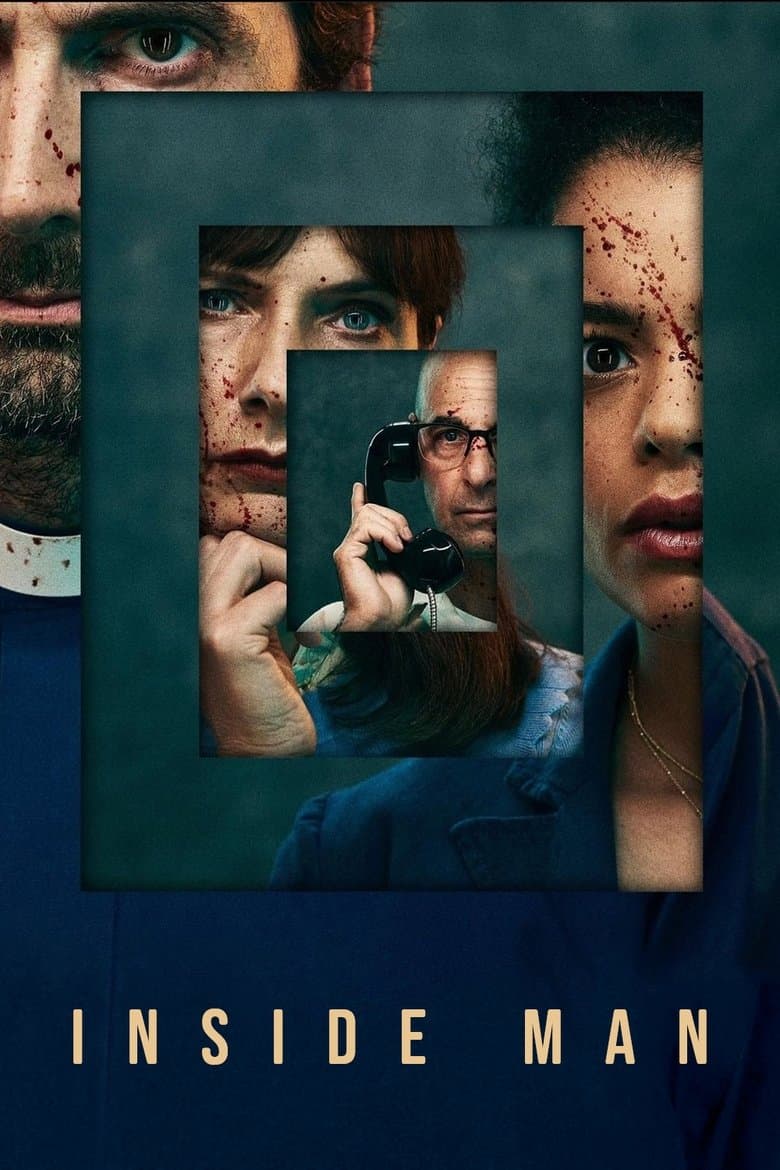
TV Show · 2022
A prisoner on death row in the US, a vicar in a quiet English town, and a maths teacher trapped in a cellar cross paths in the most unexpected way.
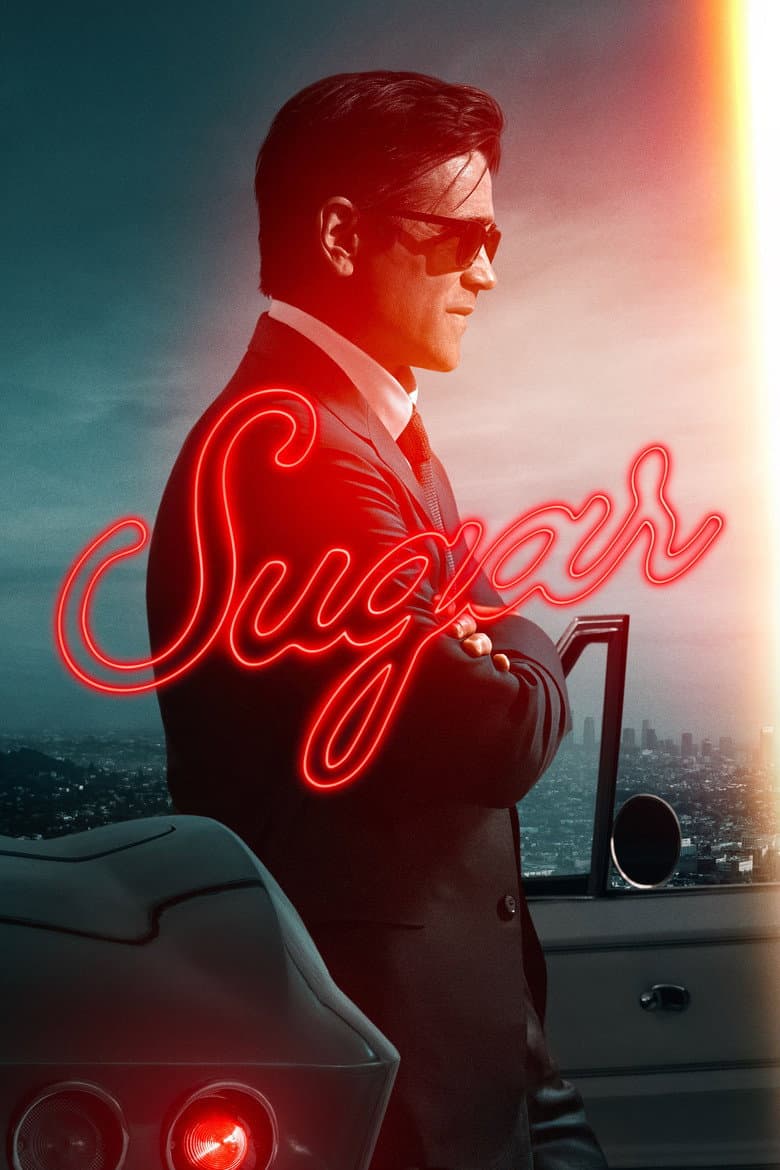
TV Show · 2024
John Sugar is a dashing private eye navigating the dark corners of sunny LA. Though he sees only the good in humanity, Sugar is haunted by a secret too dangerous to expose.
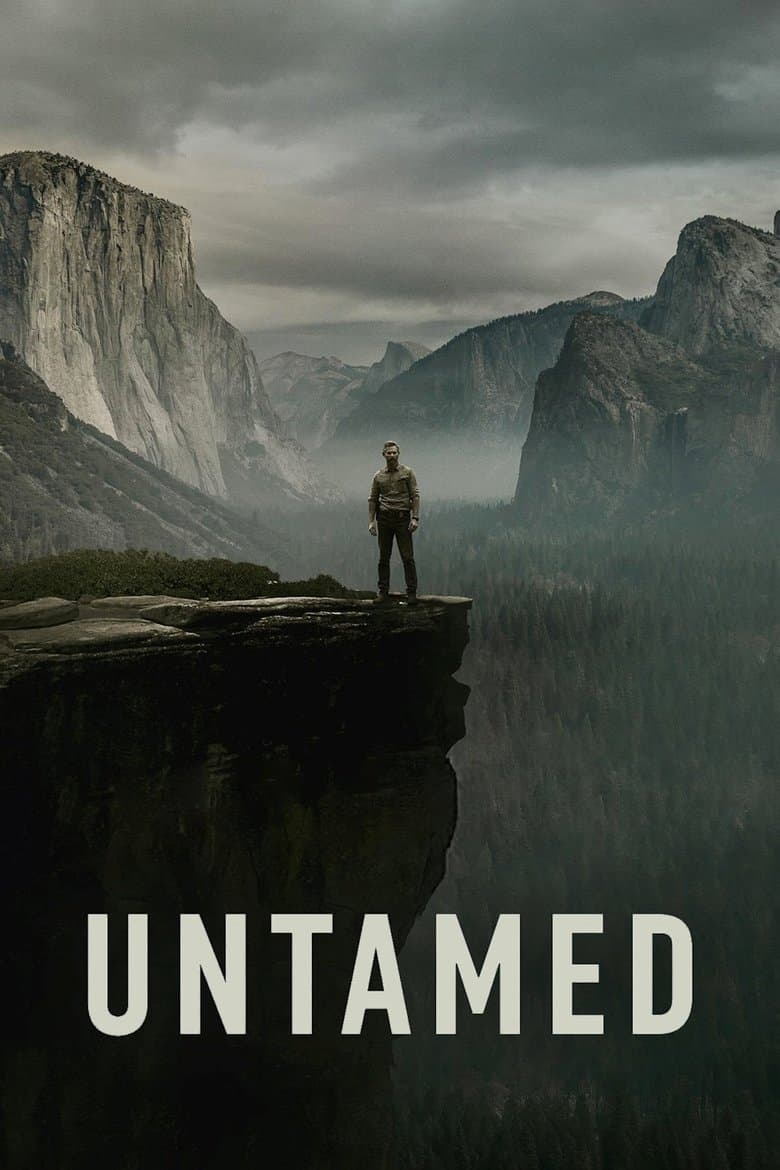
TV Show · 2025
In the vast expanse of Yosemite National Park, a woman's death draws a federal agent into lawless terrain — where nature obeys no rules but its own.
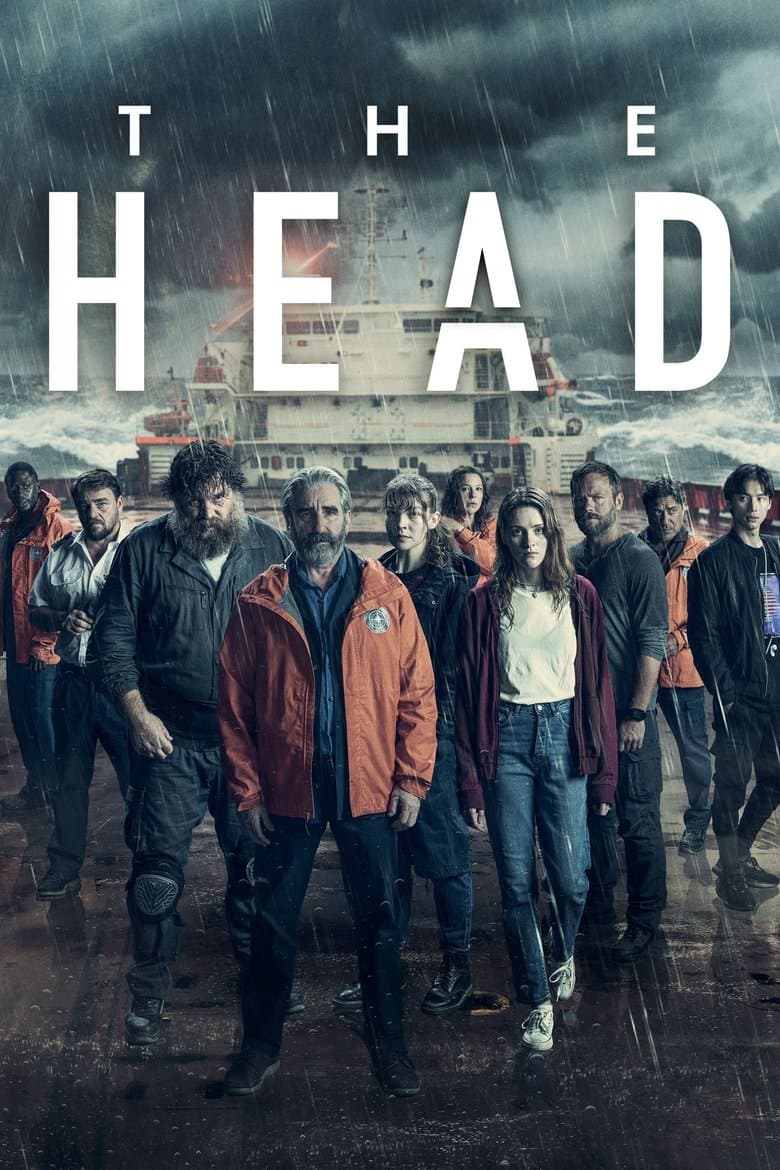
TV Show · 2020
In an isolated and inaccessible Antarctic research station in which winter has fallen on the South Pole and the sun will soon disappear for the next six months, a small team…
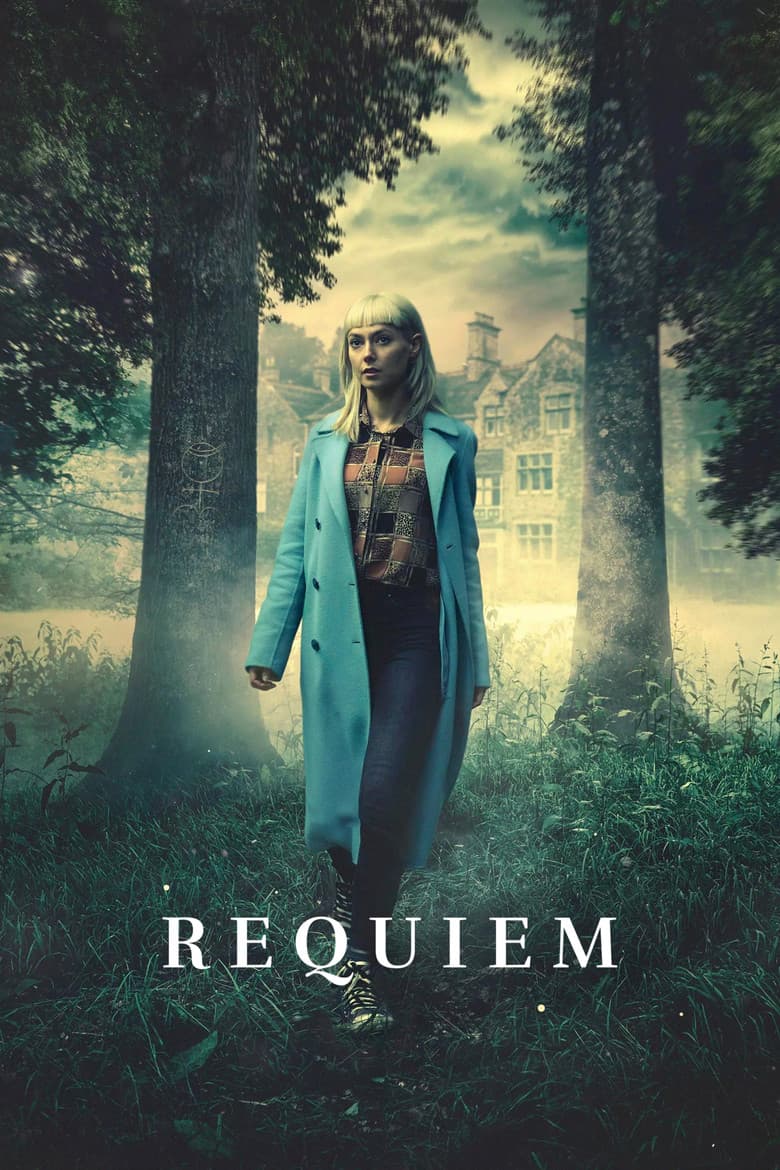
TV Show · 2018
In 1994, a toddler disappeared from a small Welsh village, never to be seen again. 23 years later, in London, the mother of rising cello star Matilda Gray commits suicide, without…
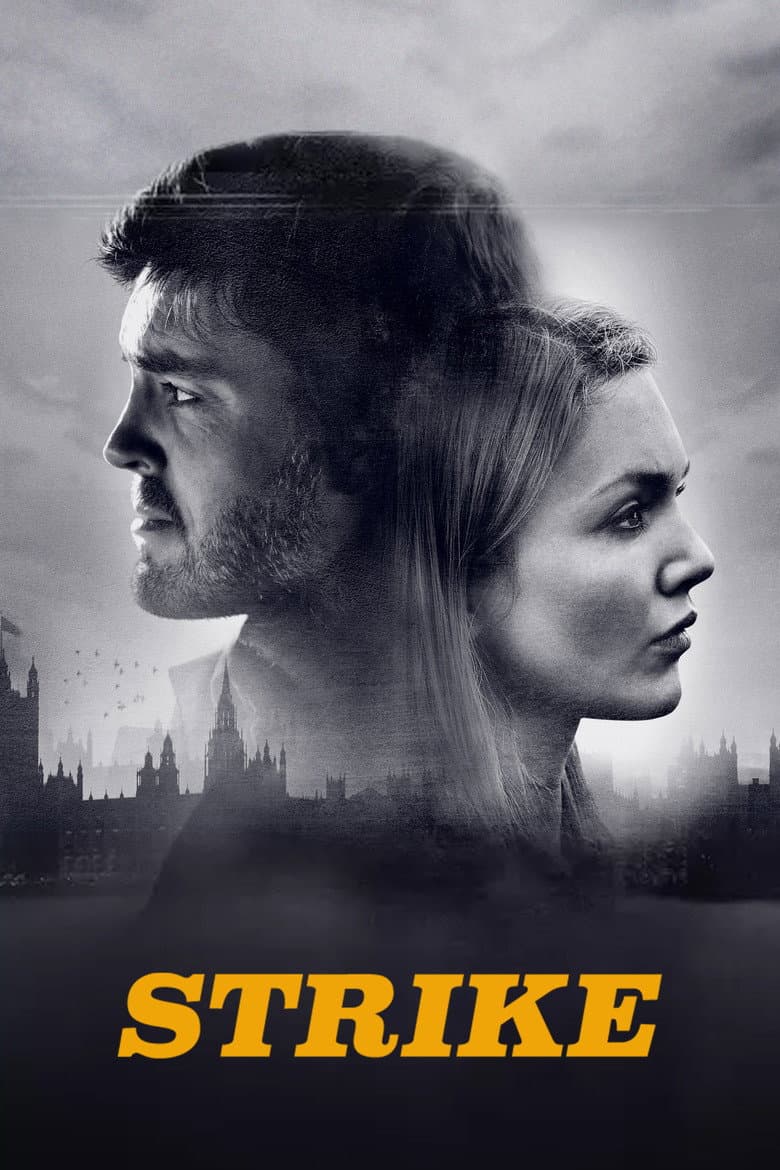
TV Show · 2017
A war veteran turned private detective operates out of a tiny office in London’s Denmark Street. Although wounded both physically and psychologically, his unique insight and…
