Started March 5, 2026 · Ended · Based on 1 season, 8 episodes through March 5, 2026 · TV-MA
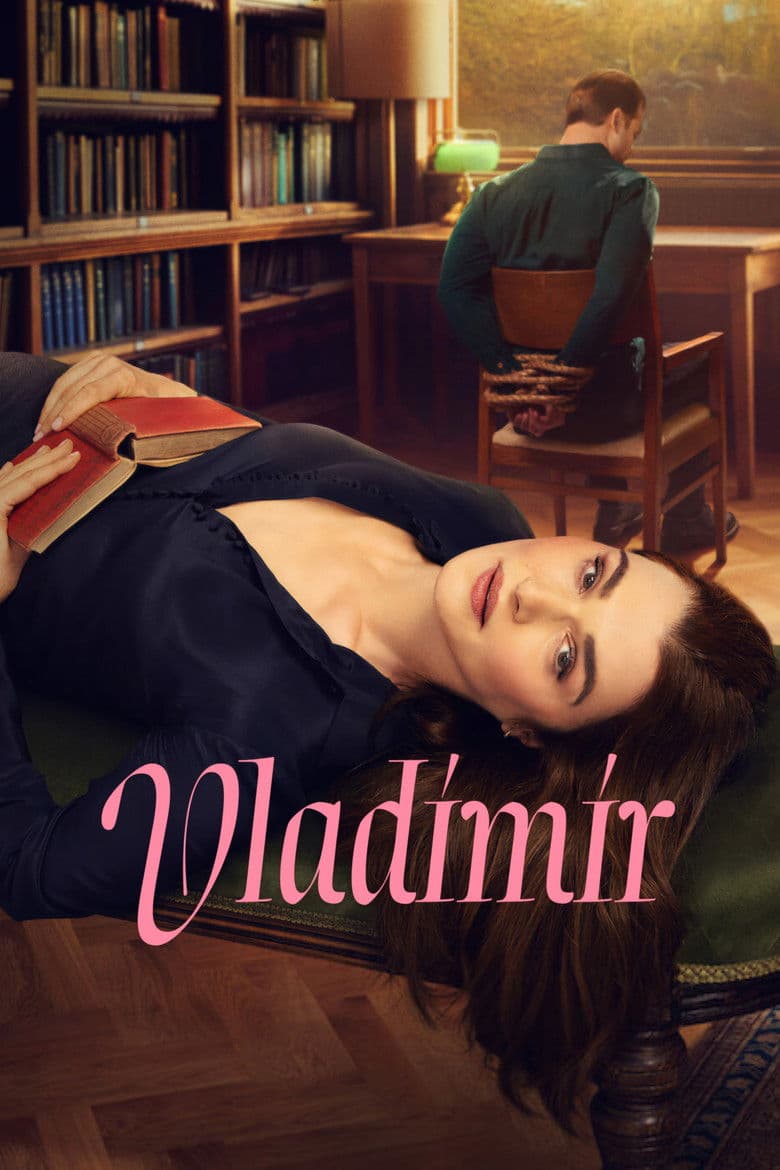
Vladimir follows M, an unnamed English professor and writer at a small liberal arts college. Her husband, John, faces a hearing after former students accuse him of sexual relationships that he says were allowed at the time. M feels older, ignored, and stuck, so she becomes consumed by Vladimir, a handsome younger writer who joins the faculty with his wife and child. Her fantasies, direct talks to the camera, and reckless choices turn a messy marriage crisis into a dark and funny story about desire, writing, and self-deception. The show puts female sexual desire, aging, and personal agency at the center of its eight episodes. M defends her right to want pleasure and questions the younger generation’s view of power between teachers and students, while the college debates safety, consent, accountability, and public shame. The season also includes M and John’s open marriage, their daughter Sid’s bisexual relationship with Alexis, and jokes about modern sexual labels and gender identity. These ideas drive the hearing and family conflicts, but the comedy mocks both older permissive views and newer campus language rather than giving one side a simple victory.
Community feedback
Was our 72% Woke rating accurate?
Breakdown
These are the editorial factors and ratings behind our score for Vladimir.
Woke representation / casting
Not present. The cast shows a plausible mix for a modern American liberal arts college. The female lead and the bisexual daughter come from the story itself, and the marketing does not present the cast as a diversity-first statement.
0%
Woke political dialogue
Students and faculty repeatedly debate Title IX complaints, survivors, consent, power imbalance, accountability, and student safety. M talks about female sexual agency, virginity, and her right to choose while questioning the students’ moral language. Faculty goals call for listening to students, examining hierarchy, and keeping classes in line with safety goals. These talks drive the hearing and campus conflict across much of the season, although the show treats them with satire.
64%
Identity-driven story themes
M’s obsession makes an older woman’s desire, aging, and search for agency the main story engine. The show treats open marriage, sexual freedom, jealousy, and changing rules around teacher-student sex as continuing questions. Sid’s bisexual relationship with Alexis and a student’s discussion of being gynesexual add clear identity content, but they stay below the main plot. The season presents these ideas through messy behavior and jokes instead of a simple activist lesson.
67%
Western institutional / cultural critique
The college turns John’s old affairs into a present-day fight about consent, power, safety, and accountability. Faculty members monitor M’s classes and pressure her to step down or follow department goals. M attacks the old idea that women should act like 1950s wives, while students challenge older views of sexual freedom. The show also mocks student jargon, moral certainty, and cancel culture, so its critique is mixed rather than one-sided.
52%
Woke character or canon changes
The series gives Lila, a former student, a name and a larger role in John’s Title IX case, while the novel left the final accuser mostly undefined. This change makes a female accuser more visible in the screen version. The adaptation does not swap the race, sex, or core role of an established lead, so the source change stays limited.
15%
Anti-woke backlash and complaints
Not present. The X research found no anti-woke complaints. Web coverage included a few post-woke or anti-jargon defenses, which are praise rather than backlash. One review mocked a gender-identity comedy scene, but no wider campaign or major news cycle followed.
0%
Creator track record context
Julia May Jonas’s wider work repeatedly centers women’s desire, aging, motherhood, power, and sexual politics. Her title interviews describe the series as a story about female desire and the fear of becoming invisible with age. Several key producers also have a history of female-led or gender-focused projects. The directors and writers have more mixed or limited public activist records, so the creative background is strong but not uniform.
58%
Production
TV Show · 2024
The true story of one Jewish family separated at the start of World War II, determined to survive—and to reunite.
TV Show · 2022
This sweeping saga chronicles the hopes and dreams of a Korean immigrant family across four generations as they leave their homeland in an indomitable quest to survive and thrive.
TV Show · 2020
A wary CIA officer investigates a charismatic man who sparks a spiritual movement and stirs political unrest. Who exactly is he? And what does he want?
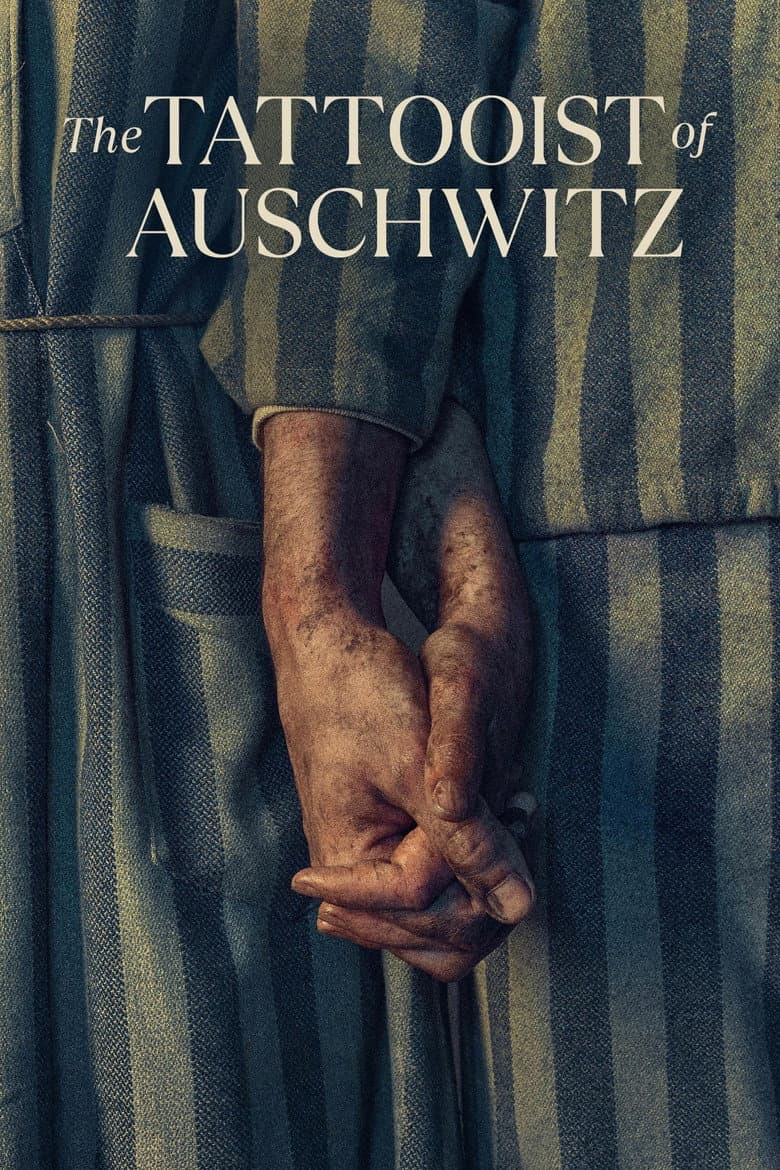
TV Show · 2024
The powerful real-life story of Lali Sokolov, a Jewish prisoner who was tasked with tattooing ID numbers on prisoners' arms in the Auschwitz-Birkenau concentration camp during…
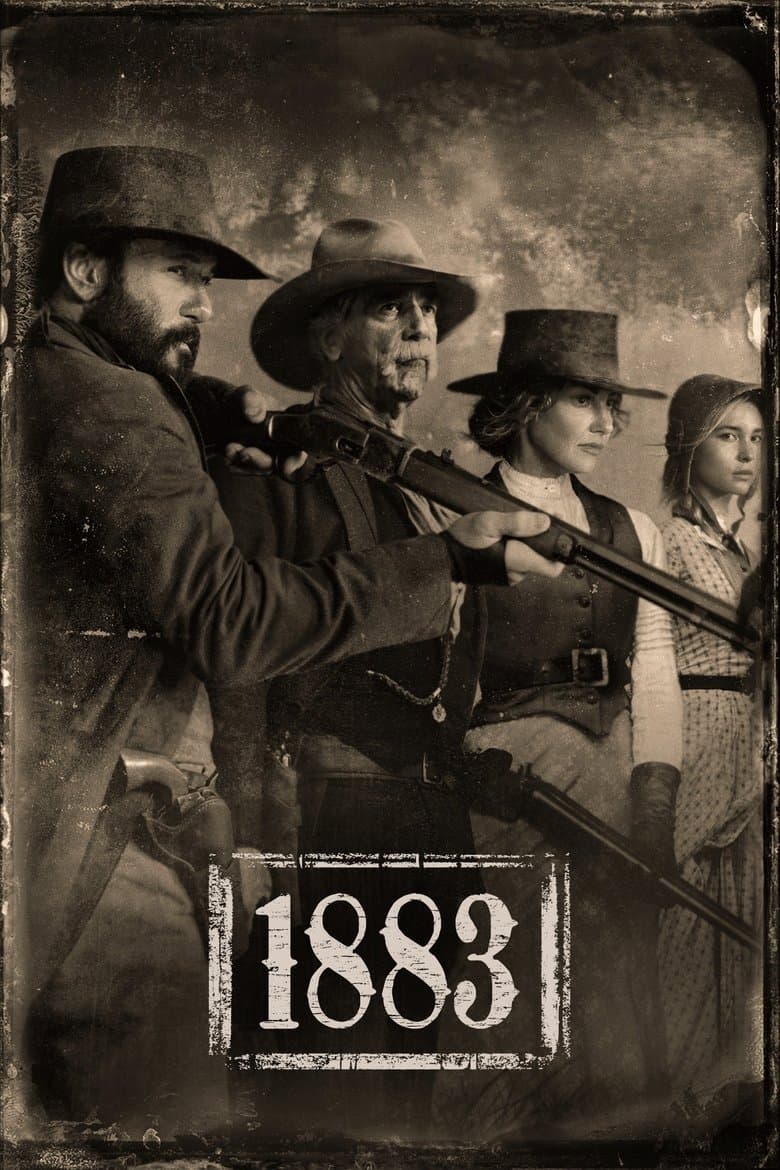
TV Show · 2021
Follow the Dutton family as they embark on a journey west through the Great Plains toward the last bastion of untamed America.
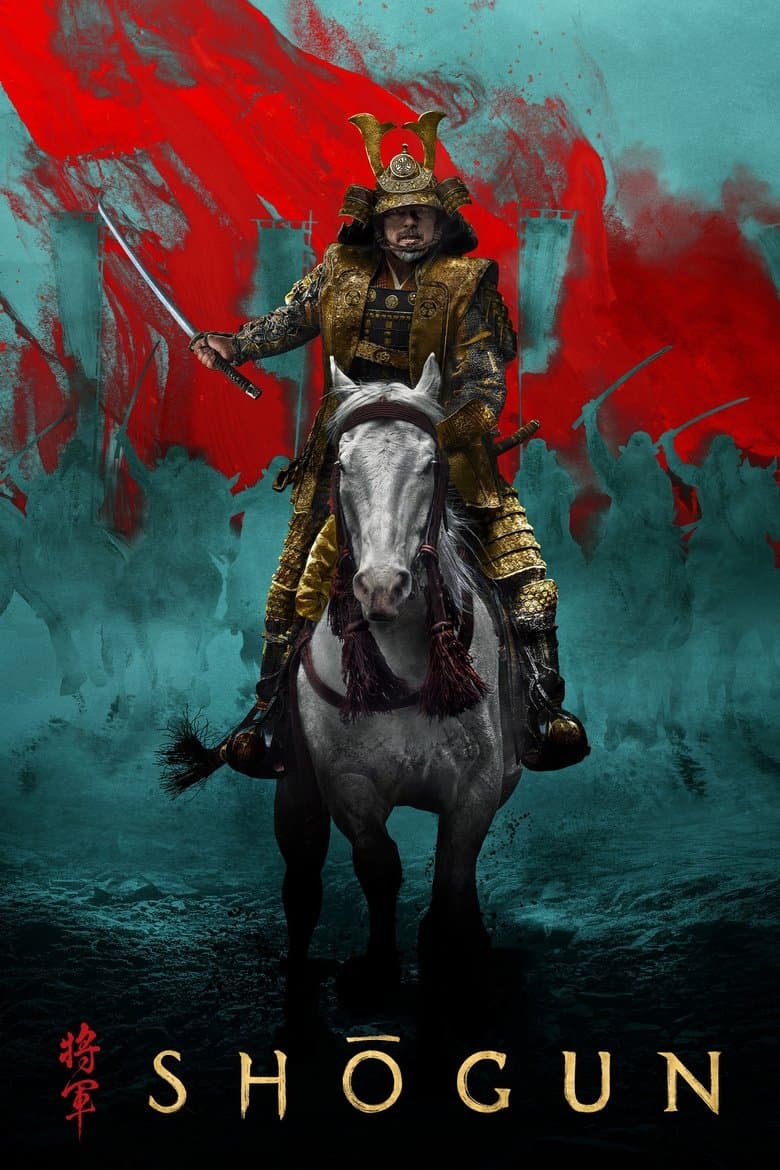
TV Show · 2024
In Japan in the year 1600, at the dawn of a century-defining civil war, Lord Yoshii Toranaga is fighting for his life as his enemies on the Council of Regents unite against him…

TV Show · 2026
As the Kargil War erupts between India and Pakistan, the Golden Arrows squadron of the Air Force takes flight on a dangerous mission behind enemy lines.

TV Show · 2023
The story of Bass Reeves, the legendary lawman of the wild West, is brought to life. Reeves worked in the post-Reconstruction era as a federal peace officer in the Indian…
