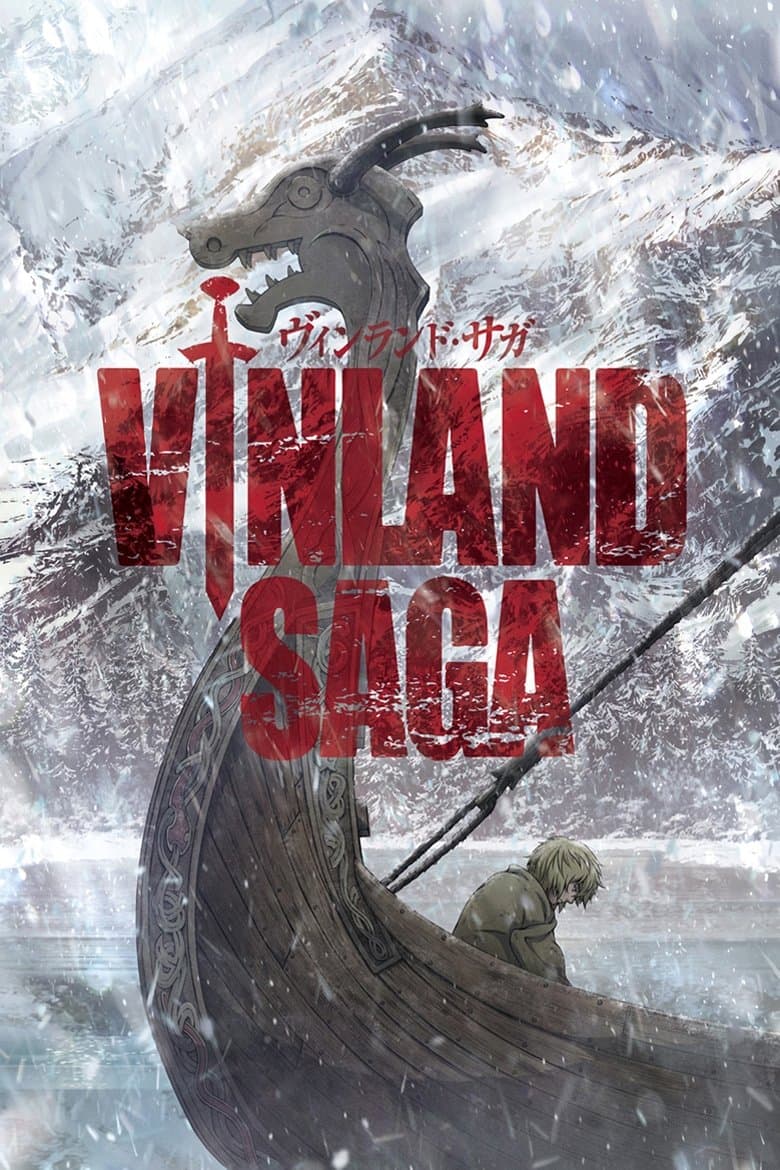
Started July 8, 2019 · Returning Series · Based on 2 seasons, 48 episodes through June 20, 2023 · TV-MA · 25 min · Japanese
Vinland Saga follows Thorfinn, an Icelandic boy who grows up among Viking raiders after his father is killed. He joins the band led by Askeladd and spends years chasing revenge instead of living as a child. Season 1 is a violent war story about raids, power, family, and the cost of revenge. Season 2 moves to a Danish farm, where Thorfinn becomes a slave, works beside Einar, and faces the harm caused by his earlier life. The show is grim, emotional, and often slow, but it also leaves room for hope.
The strongest audience-visible message is that violence, slavery, and revenge destroy people rather than make them strong. Thorfinn slowly rejects killing and promises to build a land where people can live without war or slavery. Arnheid's story gives Season 2 a repeated focus on a woman's forced labor, lost family, abuse, and lack of freedom. These themes can feel like modern anti-war or social-justice ideas, but the show presents them through its medieval world and Thorfinn's personal change, not through modern party politics or queer identity.
Community feedback
Was our 42% Woke rating accurate?
Breakdown
These are the editorial factors and ratings behind our score for Vinland Saga.
Woke representation / casting
Not present. The animated cast shows Norse and English characters who fit the medieval setting. The show does not use a visible diversity pattern or identity-first casting message.
0%
Woke political dialogue
Thors tells Thorfinn that a true warrior has no enemies. Thorfinn later repeats that he will not hurt anyone and asks Canute to stop the attack. Einar and Thorfinn often discuss slavery, freedom, and a land without war. The ideas recur across Season 2, but they use moral and anti-war language tied to the medieval story rather than modern party politics.
32%
Identity-driven story themes
Season 2 follows Arnheid, an enslaved woman who loses her family and freedom. Her owner treats her as property, and the story shows her abuse and death in detail. Her fate helps push Thorfinn and Einar toward building a peaceful land. This creates a recurring social-justice tone, but the story presents it through historical slavery and personal guilt rather than present-day identity politics.
42%
Western institutional / cultural critique
The show condemns Viking raiding, slavery, and men who use strength to control others. Ketil’s abuse of Arnheid presents male ownership and violence as cruel. The story also shows kings and armies hurting ordinary people. The criticism stays inside the medieval setting, so modern Western institutional / cultural critique is weak.
18%
Woke character or canon changes
Not relevant. The anime adds childhood scenes and changes pacing, but it does not change a character’s race, gender, sexuality, or identity.
0%
Anti-woke backlash and complaints
Some audience comments called Season 2 “PC woke garbage” and mocked Thorfinn’s peaceful turn. Most complaints focused on the slow farming story, less action, and the change from Season 1. The anti-woke complaints were scattered and did not become a major controversy.
15%
Creator track record context
Cached context rates Makoto Yukimura at 55/100 because he repeatedly writes about war, slavery, and social harm. His public profile is that of a socially aware artist, not a party activist. The other listed key staff have low cached scores and no strong activist record. The creator context is moderate and comes mainly from Yukimura.
35%
Production
TV Show · 2019
During the Warring States period, the young thief Dororo encounters Hyakkimaru, a strange, sightless boy who wields fearsome prosthetics in place of his missing limbs.
TV Show · 2022
Navy SEAL Commander James Reece turns to vengeance as he investigates the mysterious forces behind the murder of his entire platoon.
TV Show · 2018
When CIA analyst Jack Ryan stumbles upon a suspicious series of bank transfers his search for answers pulls him from the safety of his desk job and catapults him into a deadly…
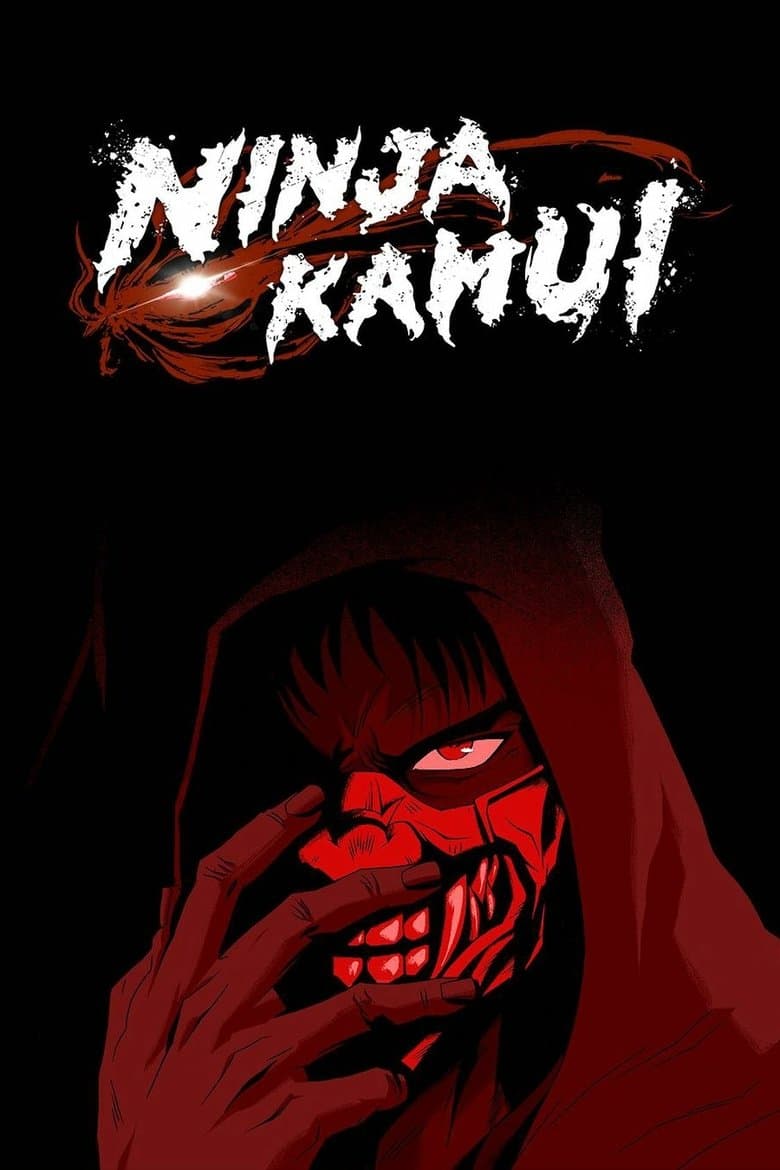
TV Show · 2024
A team of assassins exacts a bloody retribution on Joe Logan – a former ninja who escaped his clan – and his family for betraying their ancient code.
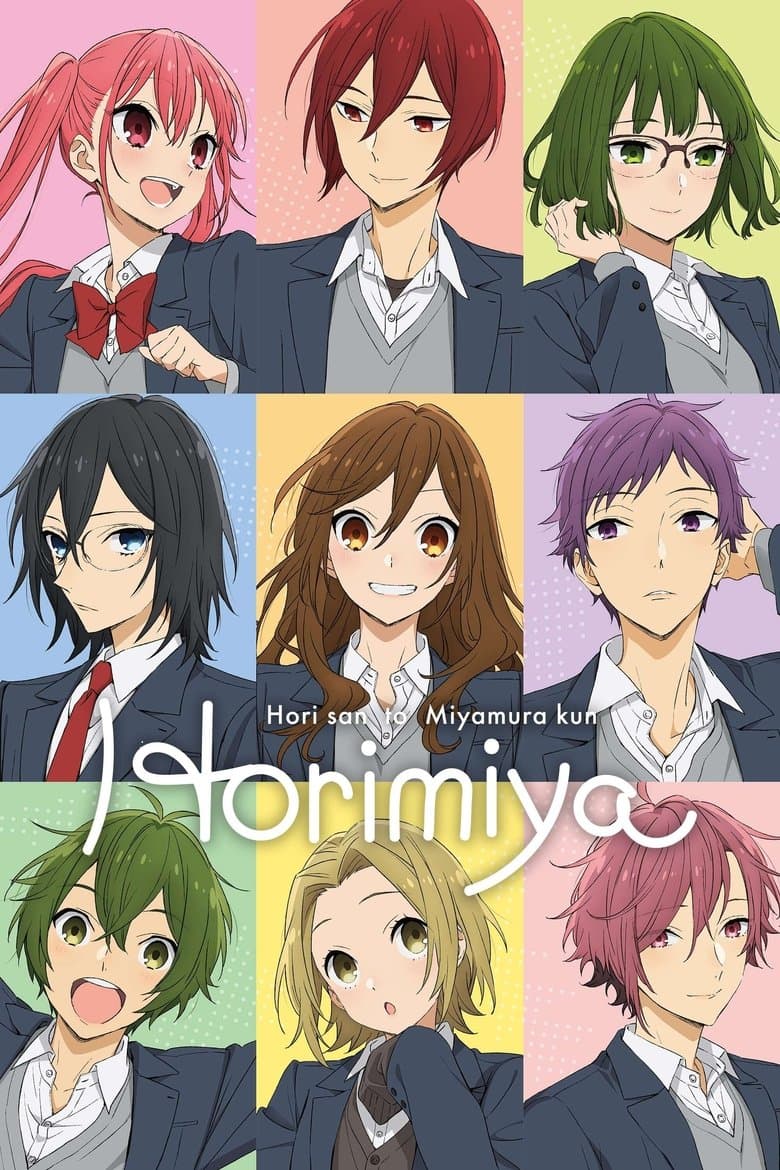
TV Show · 2021
A secret life is the one thing they have in common. At school, Hori is a prim and perfect social butterfly, but the truth is she's a brash homebody.
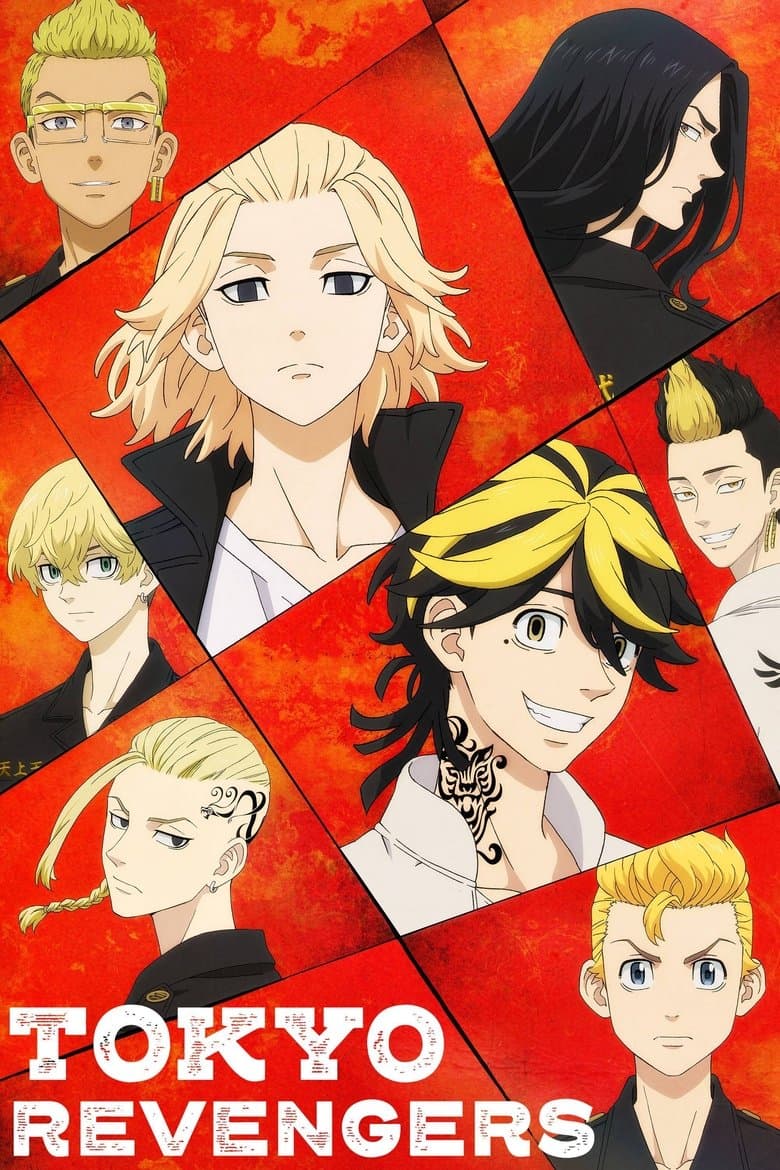
TV Show · 2021
Takemichi Hanagaki is a freelancer that’s reached the absolute pits of despair in his life. He finds out that the only girlfriend he ever had, in middle school, Hinata Tachibana…
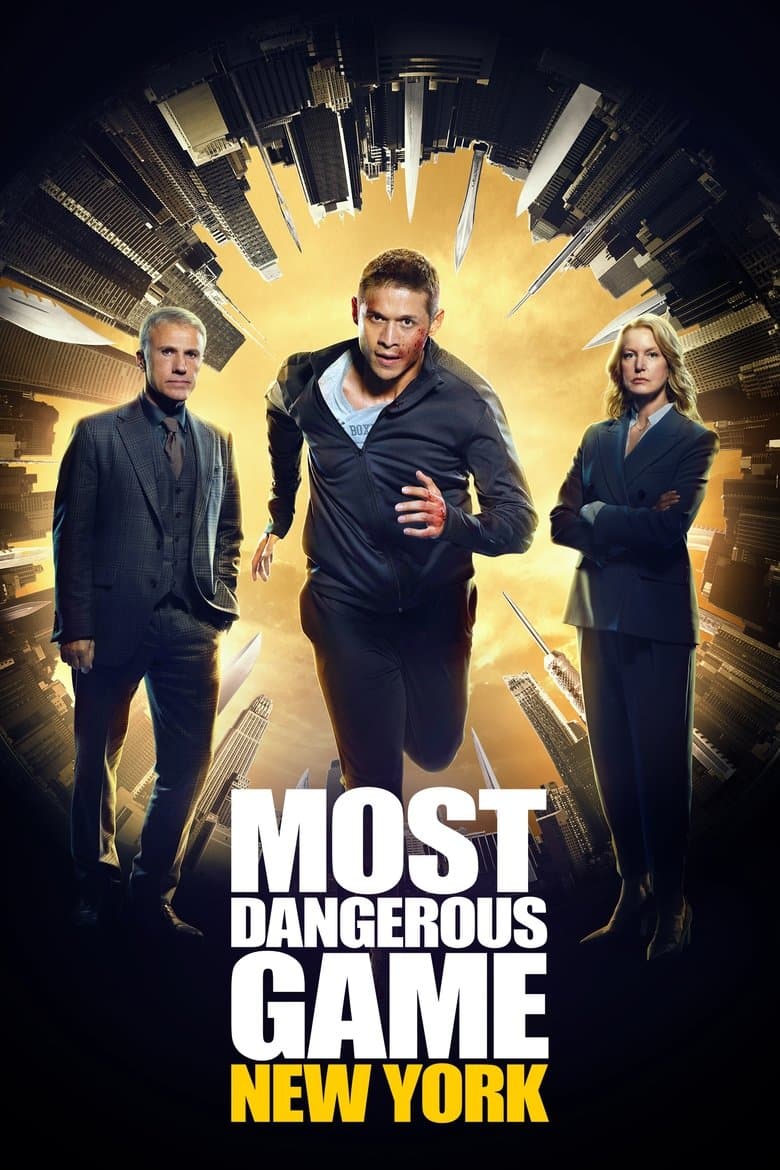
TV Show · 2020
Desperate to take care of his pregnant wife before a terminal illness can take his life, Dodge Maynard accepts an offer to participate in a deadly game where he soon discovers…
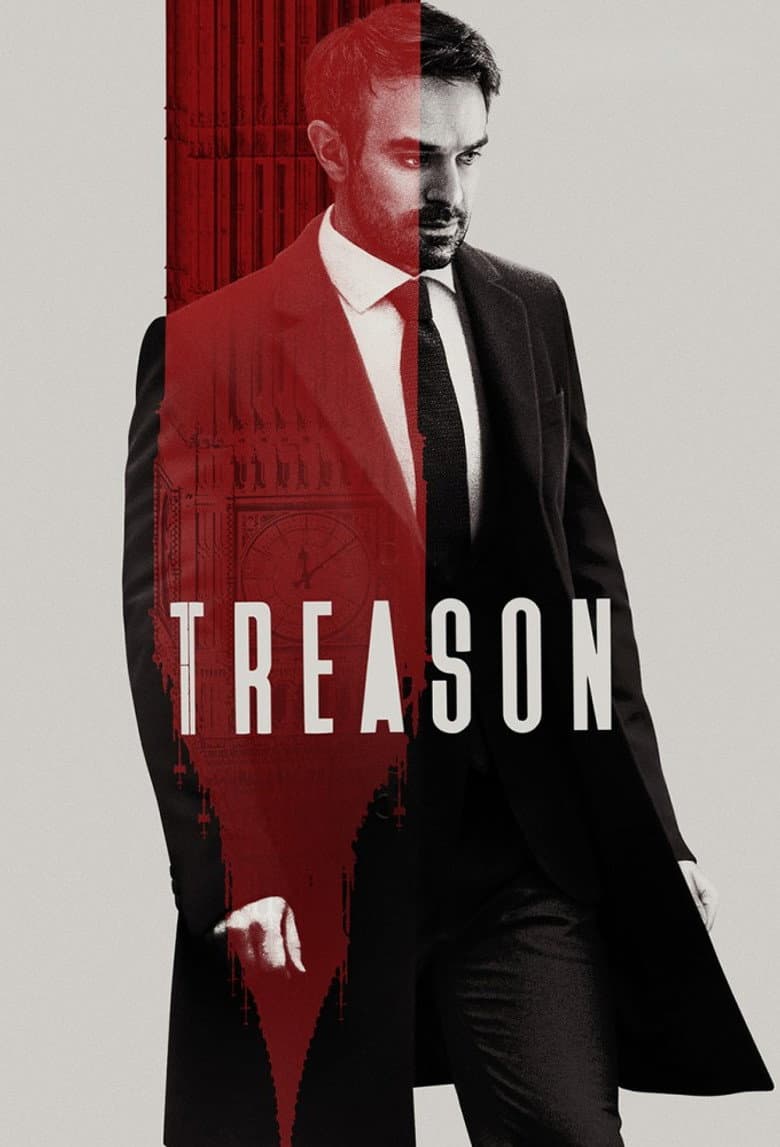
TV Show · 2022
An MI6 deputy's bright future takes a sharp turn after a reunion with a Russian spy forces him to question his entire life.
