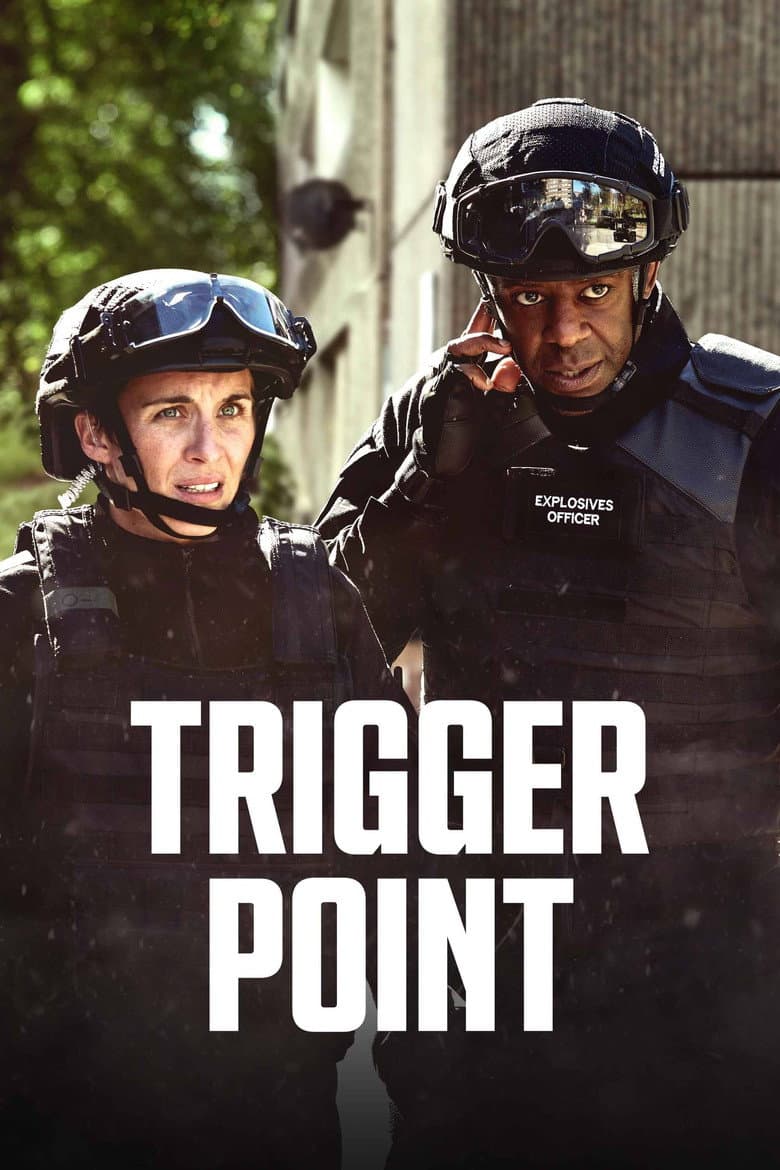
Started January 23, 2022 · Returning Series · Based on 3 seasons, 18 episodes through November 10, 2025 · TV-MA
Lana Washington is a former soldier who works as a bomb disposal officer in London. She leads a team that races to find and defuse bombs before terrorists hurt more people. The first season follows attacks that use a far-right group as cover. The second season follows an anti-establishment terror group, and the third follows a killer seeking revenge for workers harmed by asbestos. The show is tense, violent, and built around sudden twists.
The clearest woke elements come from the story’s repeated focus on far-right violence, race conflict, attacks on a mosque and an LGBT pub, and a female lead who is shown as the strongest person in a male-heavy job. Season two adds repeated talk about unequal power, capitalism, and sexism in police and government work. Season three attacks business cover-ups and paid-off leaders while asking viewers to understand a killer’s anger at a company that exposed workers to asbestos. These ideas support a modern activist view of race, gender, class, and public power, but the show still spends most of its time on bombs, police work, trauma, and personal loss.
Community feedback
Was our 57% Woke rating accurate?
Breakdown
These are the editorial factors and ratings behind our score for Trigger Point.
Woke representation / casting
Vicky McClure plays Lana, a female former soldier who leads bomb disposal work. The show also puts women in senior police and science roles, including Helen, Sonya, and Lana. Modern London can plausibly have a mixed police team, so ethnicity alone is not enough evidence here. Season-three coverage also has McClure stressing diverse voices and working-class access. The repeated female-leader pattern gives a clear but limited representation signal.
34%
Woke political dialogue
Season one repeatedly uses messages about white racial violence, a race war, and far-right attacks on a mosque and an LGBT pub. Season two gives The Wave slogans about taking back power, overthrowing an unequal capitalist system, and police protecting an elite. Season three keeps the political talk around corporate abuse, worker deaths, and hidden evidence. The speeches belong mostly to villains or case discussions, so they are important but not the whole show.
44%
Identity-driven story themes
Season one makes race conflict, white supremacist recruitment, Muslim safety, and LGBT-targeted terror part of its main bombing plot. Season two repeats gender and social power themes through sexism at police work and an anti-establishment movement. Season three centers workers harmed by a company and asks Lana to understand the bomber’s pain without accepting his killings. The show treats these issues as serious parts of its message, but queer identity is not the main character’s whole story.
43%
Western institutional / cultural critique
Season one blames a military cover-up for deaths in Afghanistan and shows extremists trying to stir public conflict. Season two makes the police a target because The Wave says they protect a corrupt elite, and it attacks a capitalist system. Season three centers a construction company’s asbestos cover-up and a union official who takes money to hide it. These plots repeatedly question military, police, business, and other leaders, while the team still protects the public and stops the terrorists.
52%
Woke character or canon changes
Not relevant. Trigger Point is an original TV story with no established characters or canon to change.
0%
Anti-woke backlash and complaints
GB News reported that viewers called the second season woke nonsense because its far-right terror plot seemed far-fetched and politically loaded. Social posts also complained that women and minority officers faced white male right-wing villains and called the casting DEI. X reactions repeated these complaints across the first three seasons, but the reach was mostly small or medium. Some viewers defended Lana as a capable officer rather than feminist propaganda.
38%
Creator track record context
Mark Redhead has produced dramas about racism, civil rights, and state violence. Jed Mercurio often examines public institutions and moral problems, but he has no strong cached DEI pattern. Daniel Brierley, the directors, and most other listed producers have low cached scores and no well-known activist record.
14%
Production
TV Show · 2023
Follows rookie police officers working in Belfast, a city in which being a frontline response cop comes with unique pressures and dangers.
TV Show · 2019
Within the walls of an interrogation room, London investigators question suspects accused of grievous crimes until the truth comes to light.
TV Show · 2022
A psychotherapist finds himself held prisoner by a serial killer with an unusual request: curb his homicidal urges.
TV Show · 2022
Under pressure, fraying at the edges. In relentless night-time Liverpool, copper Chris is paired with a rookie. Will they save or destroy each other?

TV Show · 2017
A financial adviser drags his family from Chicago to the Missouri Ozarks, where he must launder $500 million in five years to appease a drug boss.
TV Show · 2019
Gypsy Blanchard struggles to deal with the toxic relationship with her overprotective mother, but her attempts to free herself lead to murder.
TV Show · 2025
Two lifelong friends in Philadelphia pose as DEA agents to rob small-time drug dealers. It's a perfect grift—until they choose the wrong mark and become targets of a massive…
TV Show · 2025
When a prison transport plane crashes in the remote Alaskan wilderness—freeing dozens of violent inmates—the region's lone marshal must protect the town he's vowed to keep safe.
