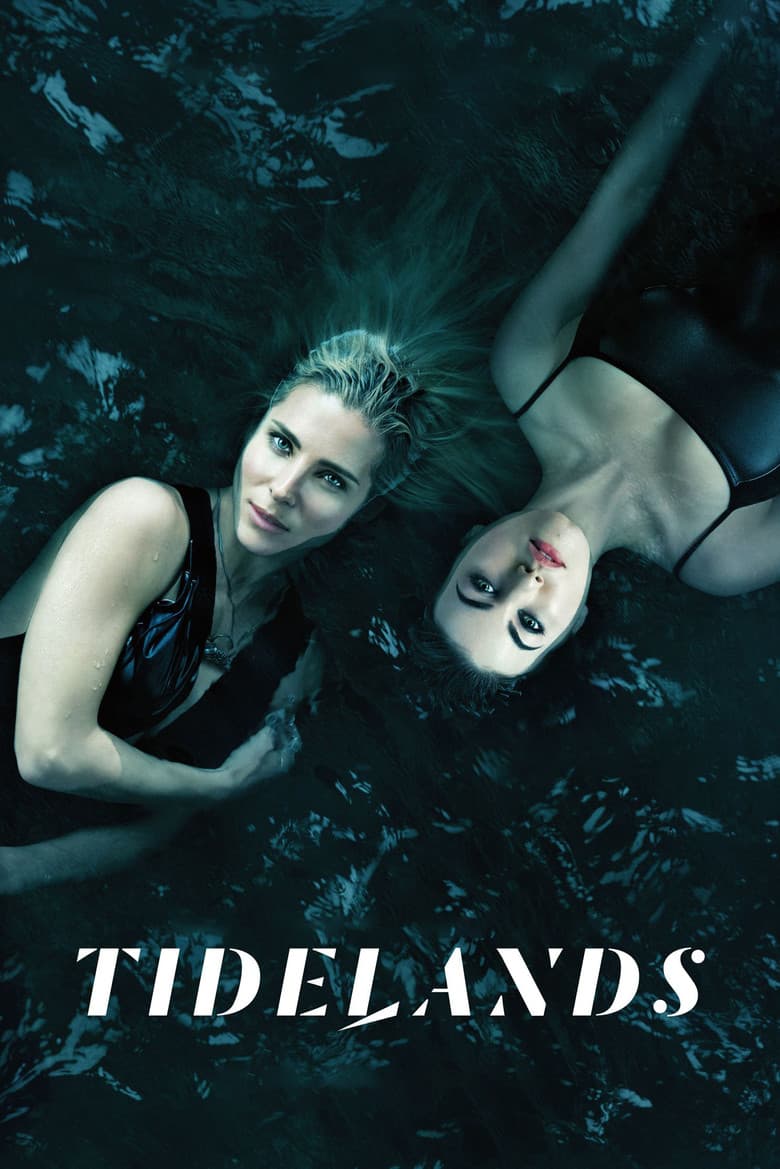
Started December 14, 2018 · Ended · Based on 1 season, 8 episodes through December 14, 2018 · TV-MA
Tidelands follows Cal McTeer, a young woman who returns to the Queensland fishing town of Orphelin Bay after ten years in prison. She joins her brother Augie’s drug business and investigates a fisherman’s death while her family hides the truth about her past. The town secretly trades with the Tidelanders, a group of half-human, half-siren people who live near the bay. The season is a dark mix of crime, family drama, sex, violence, and fantasy, and it ends with Cal facing a fight for control.
The clearest woke element is the Tidelanders’ open sexual fluidity, which includes lesbian and bisexual women and makes sexual power part of their culture. The season also places women at the center of the power struggle, with Adrielle ruling the Tidelanders and Cal becoming her main rival. The Tidelander group has several visible ethnic backgrounds, and its society is shown as more sexually varied than the mostly white town around it. The story stays focused on power, sex, family betrayal, drugs, and ancient siren lore rather than a clear modern political campaign.
Community feedback
Was our 44% Woke rating accurate?
Breakdown
These are the editorial factors and ratings behind our score for Tidelands.
Woke representation / casting
The Tidelander group is played by a mixed cast that includes Brazilian, Spanish, Indigenous Australian, and white performers. The main power roles also go to women, with Adrielle as queen, Cal as her challenger, and Violca as a leading rebel. Season-related cast coverage calls the ensemble diverse. The mix is noticeable, but it can still fit a present-day Queensland community.
34%
Woke political dialogue
Not present. The characters talk about murder, drugs, family betrayal, money, and siren lore. The season does not use recurring speeches about modern identity politics, activism, or DEI.
0%
Identity-driven story themes
The Tidelanders live in a sexually fluid community. The season includes lesbian and bisexual women, female-female kissing, and relationships between women and men. The show also presents sexuality as part of the sirens’ power and uses it in recurring plot scenes. These themes are clear across the season, but the story is mainly about sirens, family secrets, crime, and control.
48%
Western institutional / cultural critique
Cal fights off a man who follows her after she rejects him, which gives one brief scene a male-entitlement angle. Adrielle rules a female-led Tidelander group, and several women control the season’s main power struggles. The show does not build a repeated attack on men, families, Christianity, or Western institutions.
16%
Woke character or canon changes
Not relevant. The series is an original story about fictional Tidelanders. It does not change an established character, franchise, historical person, or real event.
0%
Anti-woke backlash and complaints
Not present. Public complaints focus on plot confusion, dialogue, sex, violence, and the ending. No clear anti-woke or DEI backlash is tied to the show.
0%
Creator track record context
Tracey Robertson and Nathan Mayfield have a record of supporting diverse, First Nations, and queer storytelling and using inclusion training on productions. Stephen M. Irwin and Leigh McGrath are mainly linked to crime, thriller, and mainstream drama work. Director Toa Fraser has no reported activist record. This gives the creative team a mixed but noticeable progressive context.
44%
Production
TV Show · 2021
On a perilous adventure across a post-apocalyptic world, a lovable boy who's half-human and half-deer searches for a new beginning with a gruff protector.
TV Show · 2023
At the brink of going to hell, Yee-jae must cycle through twelve separate lives and twelve separate deaths in this reincarnation drama.
TV Show · 2017
A missing child sets four families on a frantic hunt for answers as they unearth a mind-bending mystery that spans three generations.
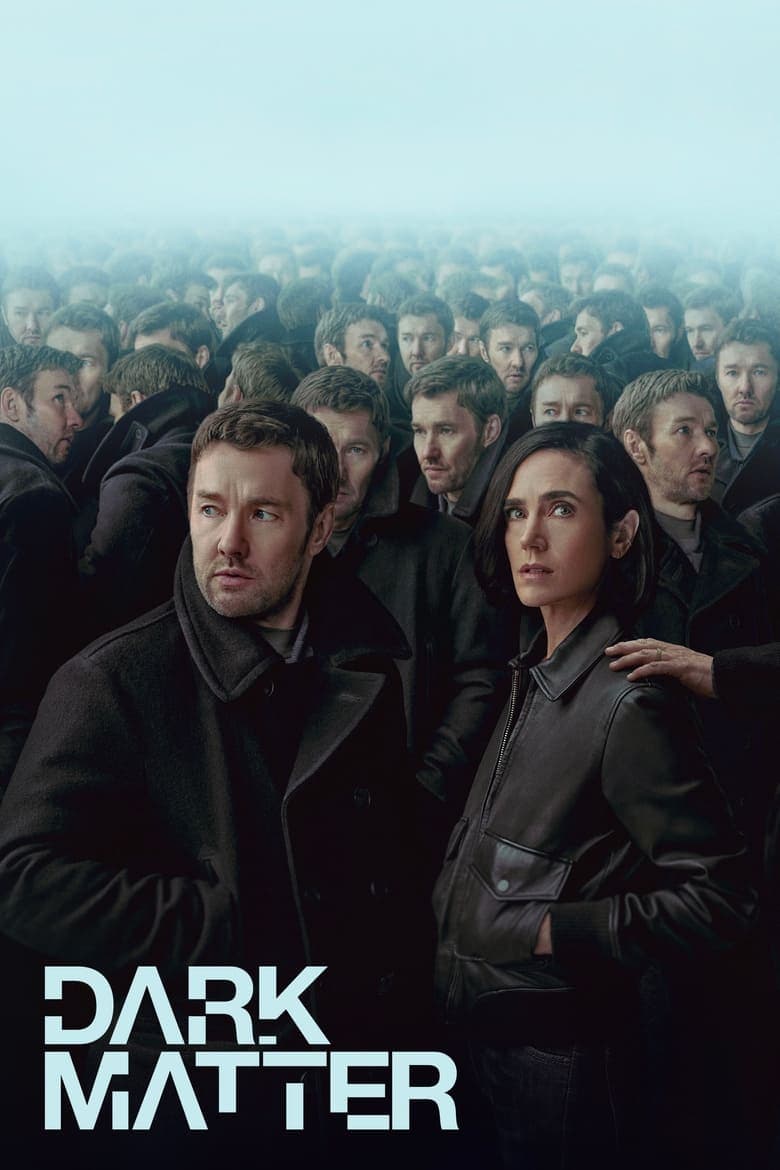
TV Show · 2024
Jason Dessen is abducted into an alternate version of his life. To get back to his true family, he embarks on a harrowing journey to save them from the most terrifying foe…
TV Show · 2021
Interconnected phone conversations chronicle the mysterious story of a group of strangers whose lives are thrown into disarray in the lead-up to an apocalyptic event.
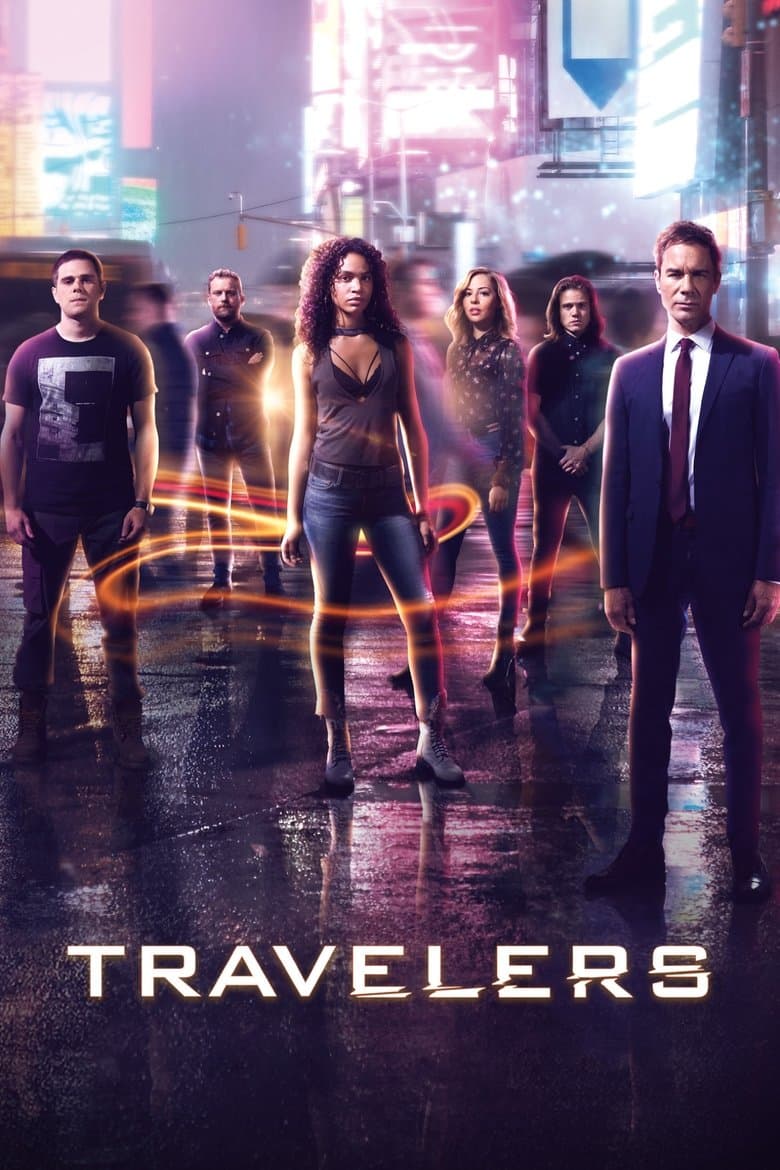
TV Show · 2016
Hundreds of years from now, the last surviving humans discover the means of sending consciousness back through time, directly into people in the 21st century.

TV Show · 2020
Korean emperor Lee Gon tries to close the doors to a parallel world which was opened by demons; a detective tries to protect the people and the one she loves.
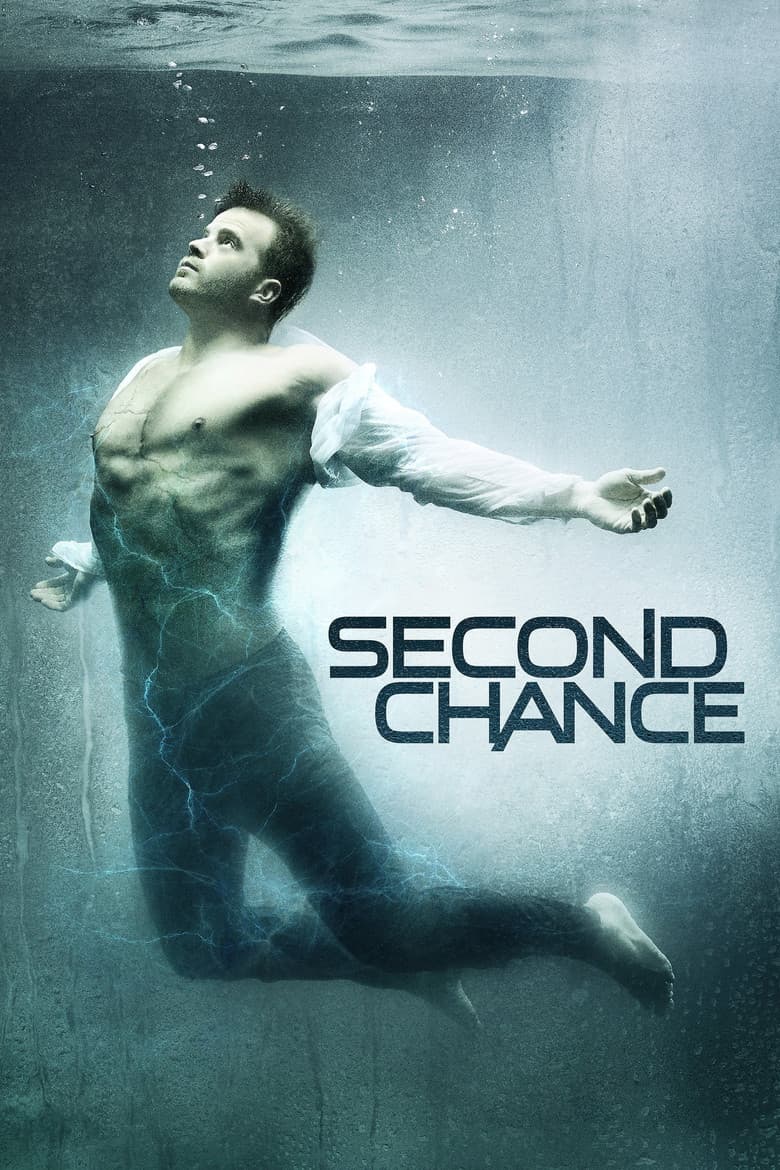
TV Show · 2016
A disgraced, 75-year-old ex-sheriff, whose life ends at the hands of corrupt cops, is brought back to life and given a second chance by a pair of young tech scientists, as a…
