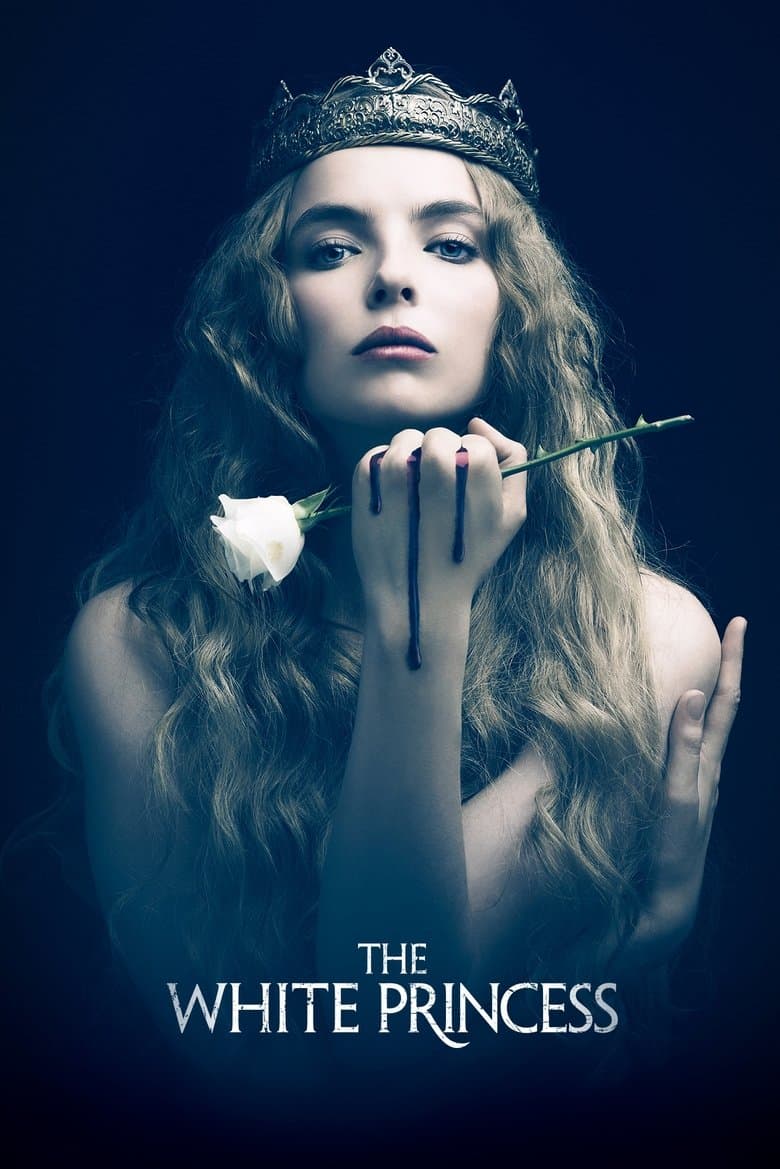
Started April 16, 2017 · Ended · Based on 1 season, 8 episodes through June 4, 2017 · TV-MA · 60 min
Elizabeth of York is forced to marry Henry Tudor after he wins the Wars of the Roses and takes the English crown. The marriage joins Lancaster and York, but both sides still fear betrayal and revenge. Elizabeth must protect her family while living with Henry’s mother, Margaret Beaufort, who guards the Tudor claim with ruthless skill. The show moves through royal courts, battles, sickness, secret plots, and public executions, and its tone is dark, tense, and highly dramatic.
The story gives its women the main point of view and presents Elizabeth, her mother, Margaret Beaufort, and Margaret of Burgundy as the people who drive the political story. Elizabeth uses marriage, motherhood, trust, and public mercy as tools of rule instead of waiting for men to decide her future. The show treats forced marriage, male power, and the use of women as royal property as serious problems. Its strongest identity-driven element is a recurring feminist message about female agency and women’s place in history, while the rest is mainly a violent royal story.
Community feedback
Was our 58% Woke rating accurate?
Breakdown
These are the editorial factors and ratings behind our score for The White Princess.
Woke representation / casting
The leading cast largely matches a white English and European royal setting. The showrunner said the production added people of color to crowd scenes and one speaking role after researching their presence in Tudor England. That creates a small, deliberate diversity signal, but people of color are not central heroes or a repeated group in the story. The main representation message comes from the prominent female cast and the women-centered framing.
20%
Woke political dialogue
Not present. The characters discuss royal claims, war, faith, and power in period terms. The show does not give them modern activist speeches about race, identity, or current politics.
0%
Identity-driven story themes
Elizabeth’s fight for power is told through a clear feminist lens. Women drive the royal plots, use marriage and motherhood as political tools, and often outthink or control the men around them. The first episode changes a threatened sexual assault into a scene where Lizzie uses sexuality to humiliate Henry. The season repeatedly argues that women were left out of history and should be seen as political actors.
62%
Western institutional / cultural critique
Elizabeth and other women are treated as property in marriage deals and are judged by male rulers. The show questions the idea that kings receive a sacred right to rule, and it presents male violence and control as corrupting forces. These ideas recur across the season, but the story attacks medieval power struggles rather than making a direct modern campaign against Western institutions.
28%
Woke character or canon changes
The series changes Philippa Gregory’s first sexual encounter from an active rape in the novel to a scene where Lizzie takes control and humiliates Henry. The change was publicly explained as a choice for a modern female audience. The show also gives real queens and princesses much more control over events than the surviving record can prove. These changes build a feminist version of the past.
35%
Anti-woke backlash and complaints
Not present. The supplied X pass found no anti-woke reaction or specific complaints. Web discussion centers on historical accuracy, pacing, violence, and the adaptation’s feminist angle rather than a sustained claim that the show pushes woke or DEI politics.
0%
Creator track record context
Emma Frost’s known work repeatedly frames period history through women’s agency and has a feminist, female-driven pattern. Philippa Gregory’s work centers women’s lives against male power and patriarchal history. Alice Nutter has a stronger communist and social-justice background, but she wrote only one episode. The other credited creators have mostly low or moderate scores, so the combined context is noticeable but not dominant.
48%
Production
TV Show · 2019
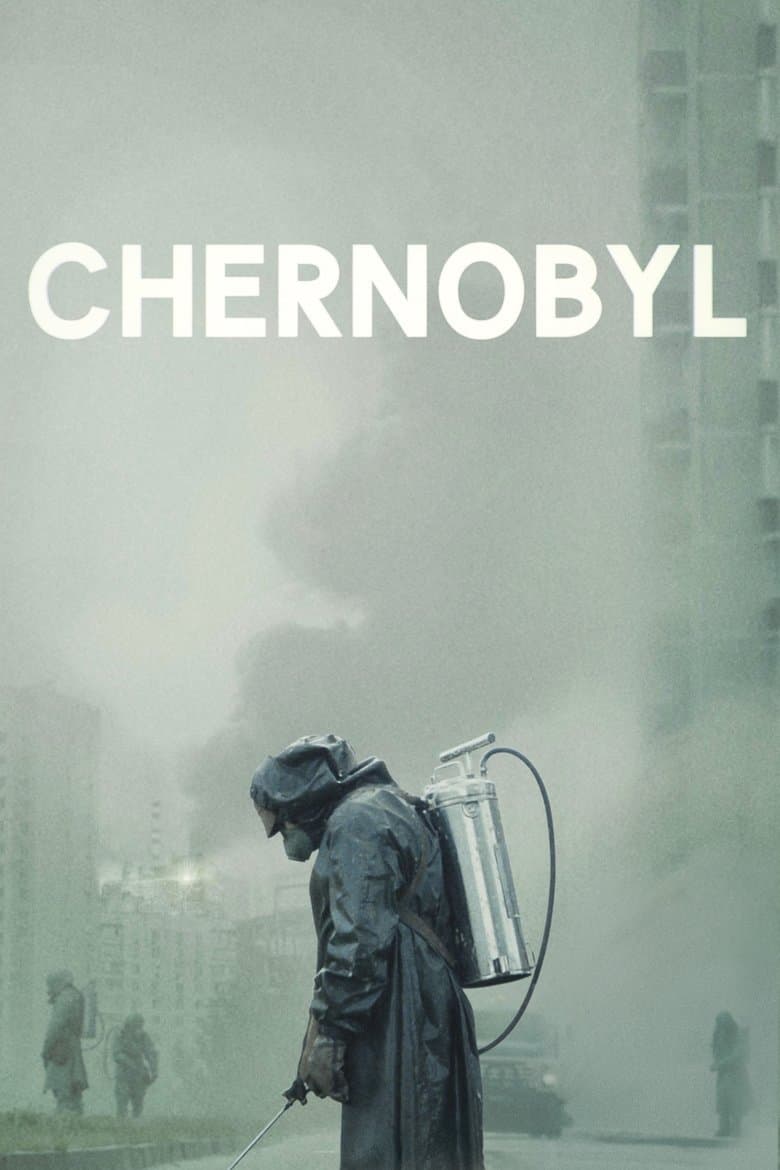
The true story of one of the worst man-made catastrophes in history: the catastrophic nuclear accident at Chernobyl.
TV Show · 2021
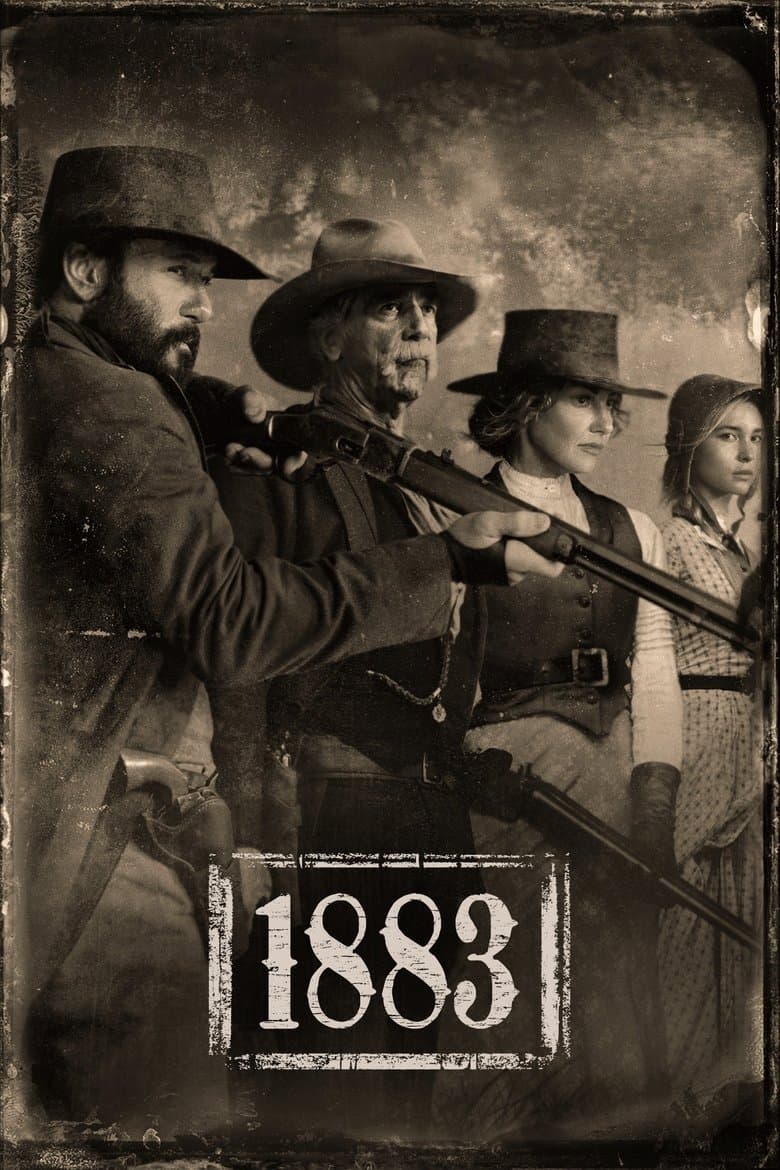
Follow the Dutton family as they embark on a journey west through the Great Plains toward the last bastion of untamed America.

TV Show · 2026
The Clyburns uproot their comfortable New York City lives to the wild, untamed beauty of Montana's Madison River Valley on a search for connection.
TV Show · 2019
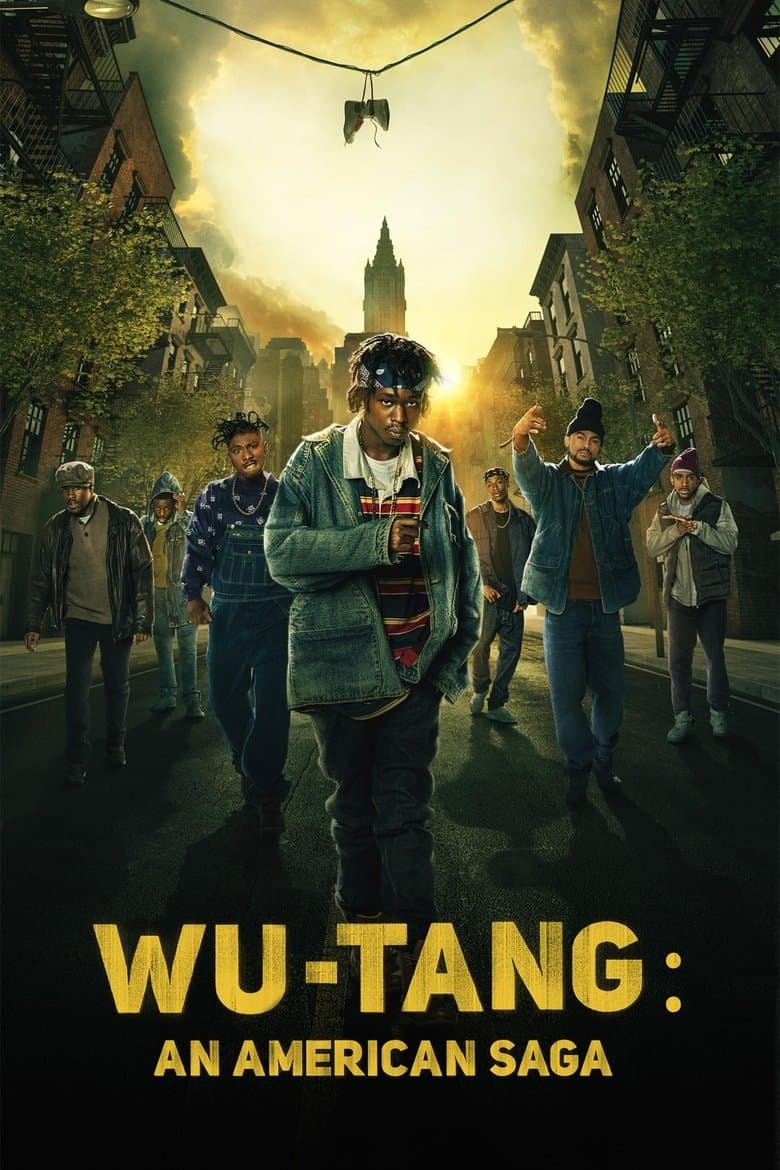
In the early 1990s in New York, during the height of the crack cocaine epidemic, a visionary musician named Bobby Diggs aka The RZA begins to form a super group of a dozen young…

TV Show · 2024
Fascinated by cars since childhood, Brazilian racer Ayrton Senna became a sports legend — until tragedy struck, changing Formula 1 forever.
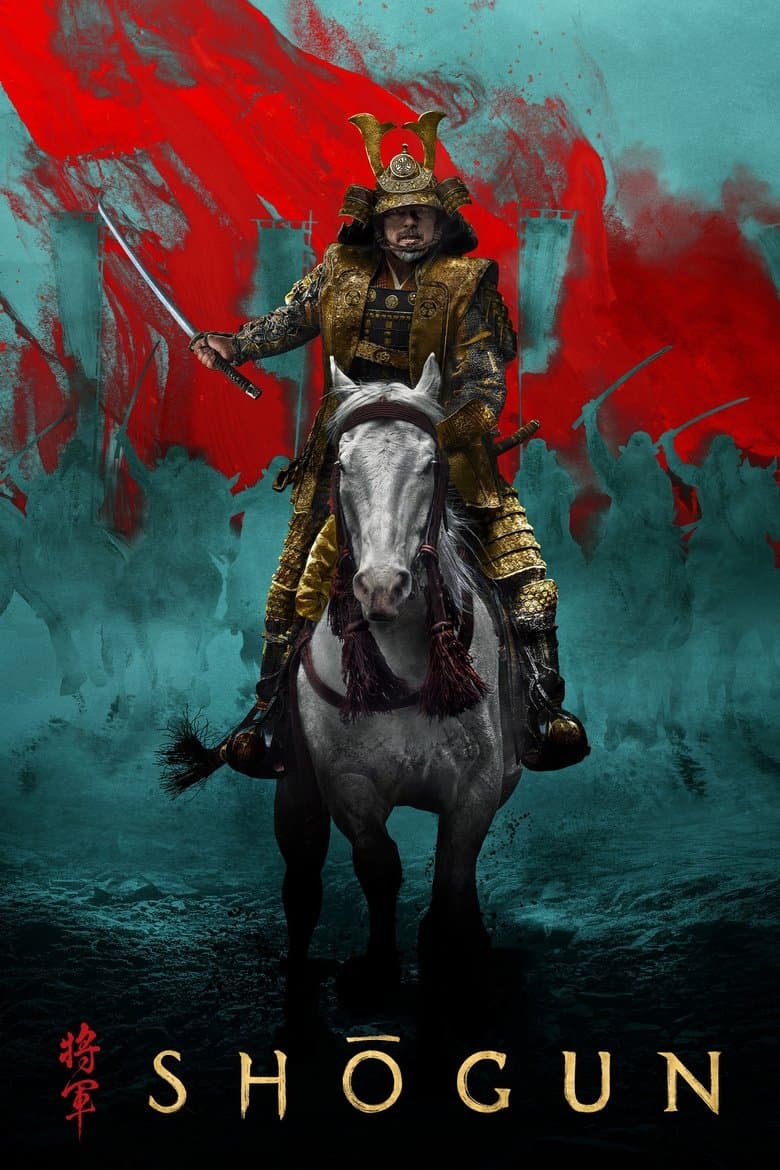
TV Show · 2024
In Japan in the year 1600, at the dawn of a century-defining civil war, Lord Yoshii Toranaga is fighting for his life as his enemies on the Council of Regents unite against him…
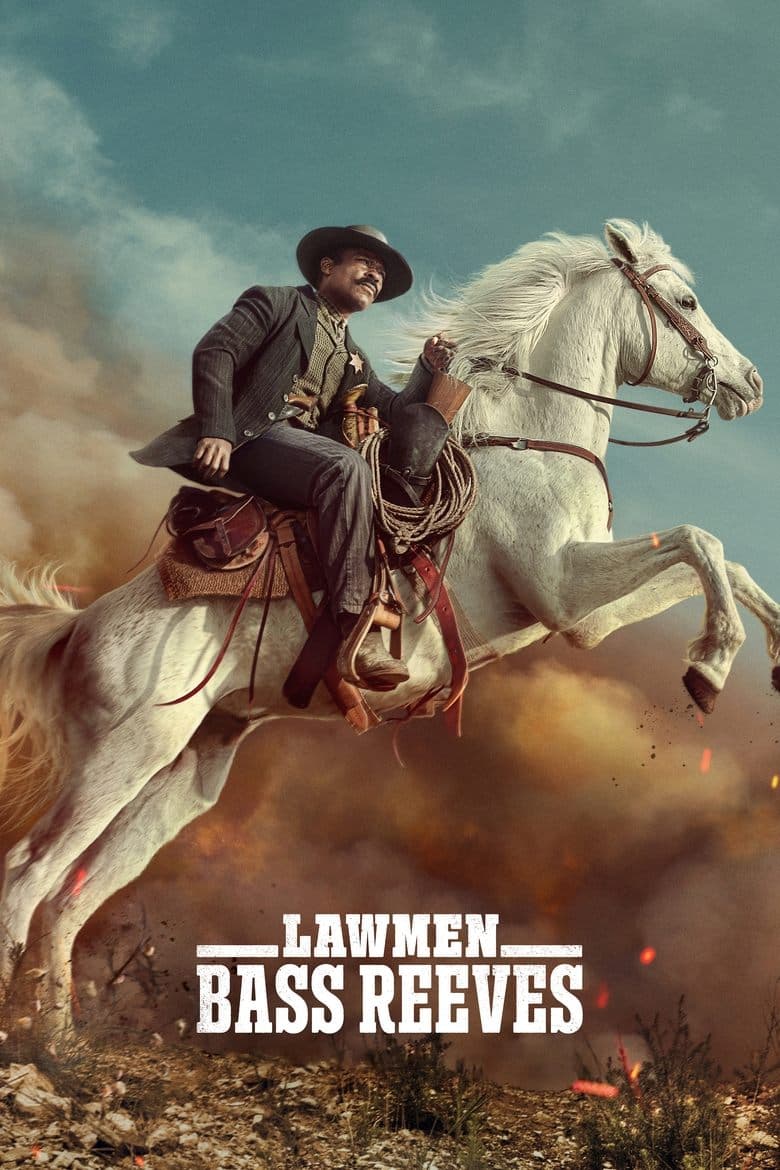
TV Show · 2023
The story of Bass Reeves, the legendary lawman of the wild West, is brought to life. Reeves worked in the post-Reconstruction era as a federal peace officer in the Indian…
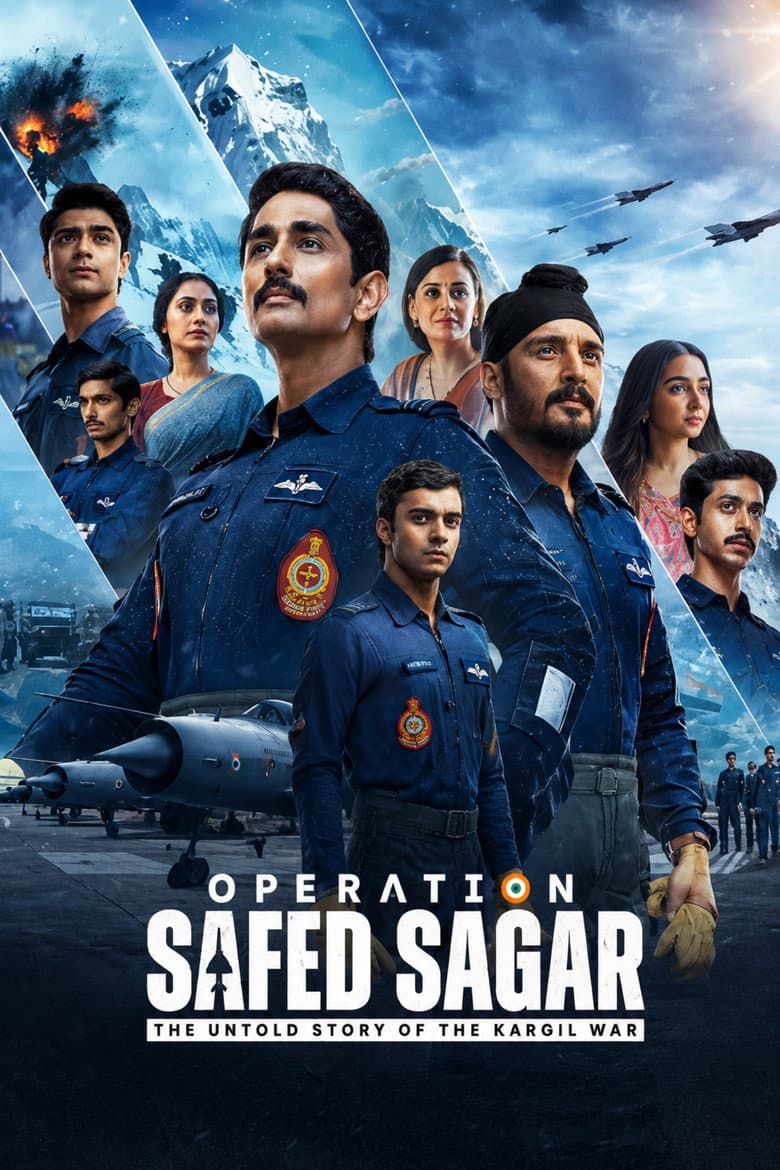
TV Show · 2026
As the Kargil War erupts between India and Pakistan, the Golden Arrows squadron of the Air Force takes flight on a dangerous mission behind enemy lines.
