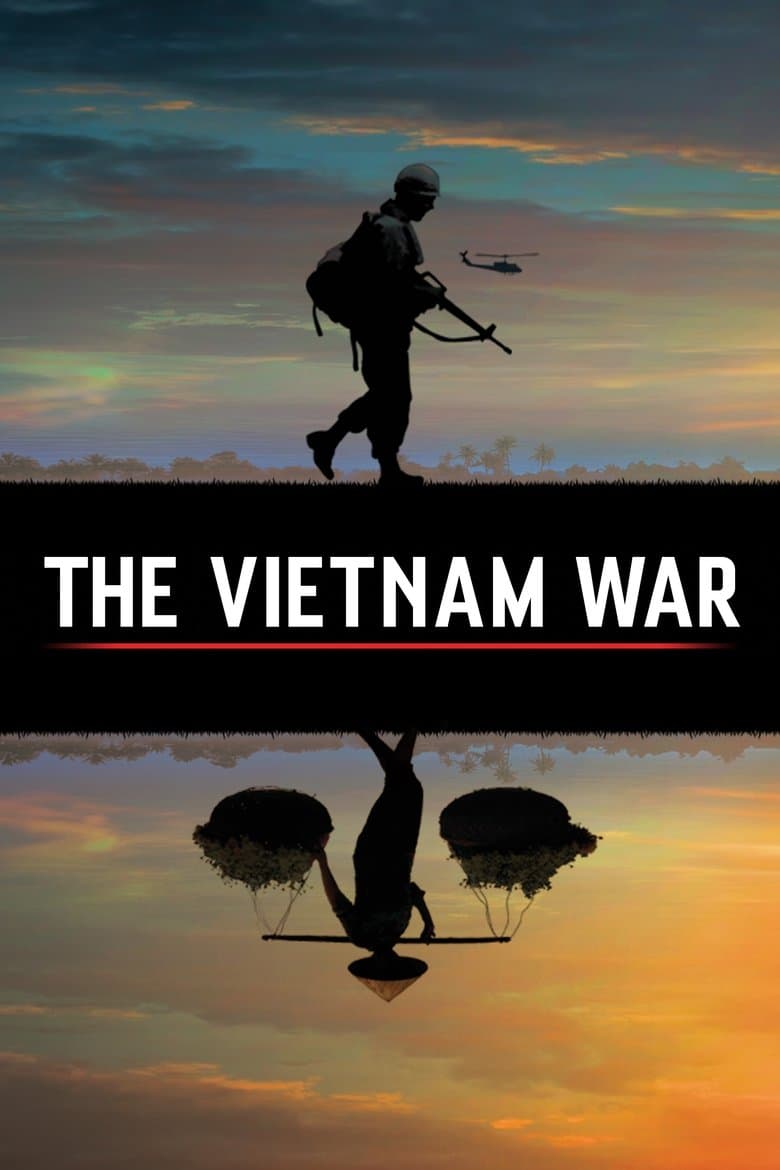
Started September 17, 2017 · Ended · Based on 1 season, 10 episodes through September 28, 2017 · TV-MA
The series has no single main character. It follows American, South Vietnamese, and North Vietnamese soldiers, leaders, families, and protesters through the war in Vietnam from the French defeat to the fall of Saigon and its aftermath. The conflict grows from Vietnamese independence, communist plans to reunite the country, American Cold War fears, and choices made by several governments. The tone is serious and painful, with combat footage, private memories, political recordings, and quiet stories about grief, fear, guilt, and survival.
The clearest woke-related material comes from its repeated criticism of American leaders, military claims, and the lies that widened the war. The series gives anti-war protesters and Vietnamese voices a lot of room, and it presents public dissent as a sign that democracy can be strong. One veteran describes treating Vietnamese people as less than human as a racist tool of war, while the film also shows the human cost on every side. These ideas create an anti-war message and a mild attack on failed institutions, but they stay tied to the period instead of becoming a modern race, gender, or queer campaign.
Community feedback
Was our 29% Woke rating accurate?
Breakdown
These are the editorial factors and ratings behind our score for The Vietnam War.
Woke representation / casting
Not present. The series uses real veterans, civilians, leaders, and protesters as witnesses. Their national and military backgrounds match the war being documented, and the film does not present the people on screen as a diversity statement.
0%
Woke political dialogue
The series repeatedly shows officials hiding facts, giving false public reports, and making political choices that keep the war going. The narration and witnesses give steady attention to the draft, anti-war protests, and lost trust in government. One episode links the era's unrest to injustice, human rights, and racial violence. The message is mainly an anti-war reading of past events, not a current party campaign.
28%
Identity-driven story themes
The series repeatedly returns to Vietnamese civilian and soldier experiences. One veteran describes treating Vietnamese people as less than human as a racist tool of war. The film shows how race shaped some American soldiers' actions and gives Vietnamese voices strong human weight. These themes are visible but remain a small part of a much larger war history.
16%
Western institutional / cultural critique
The series repeatedly shows presidents, military leaders, intelligence agencies, and the press hiding facts or misleading the public. It shows troops and police facing anti-war protesters and links the period to racial violence and distrust of authority. These scenes create a mild Western institutional / cultural critique. The focus stays on historical decisions and does not become a broad attack on family, Christianity, men, or Western culture.
17%
Woke character or canon changes
Not relevant. The series uses real historical figures and testimony. It does not recast or rewrite a known character, source text, or historical person to make an identity point.
0%
Anti-woke backlash and complaints
A few right-leaning X posts called the series leftist, progressive, or communist propaganda. Some singled out the Kent State material or said the anti-war framing repeated 1960s messaging. One larger right-leaning comment described the series as fairly balanced about North Vietnamese aggression and the anti-war movement. No clear boycott, review-bombing drive, or sustained campaign appeared.
12%
Creator track record context
Ken Burns has a cached score of 45/100, and Lynn Novick has a cached score of 35/100. Geoffrey C. Ward has a cached score of 8/100, and Sarah Botstein has a cached score of 22/100. Burns and Novick bring a liberal history style that often centers race, civil rights, and people who were left out. Their interviews stress hearing every side, so the track record adds context without making this a diversity-first series.
30%
Production
TV Show · 2023
With never-before-seen footage, this docuseries follows David Beckham's meteoric rise from humble beginnings to global football stardom.
TV Show · 2021
Dynamic reenactments and expert commentaries bring to life the tumultuous history and power struggles of a warring 16th-century feudal Japan.
TV Show · 2019
Drivers, managers and team owners live life in the fast lane — both on and off the track — during each cutthroat season of Formula 1 racing.
TV Show · 2019
These blockbusters brought us together and gave us the time of our lives. Meet the actors, directors and industry insiders who made them happen.
TV Show · 2020
A 10-part documentary chronicling the untold story of Michael Jordan and the Chicago Bulls dynasty with rare, never-before-seen footage and sound from the 1997-98 championship…
TV Show · 2017
A four-part documentary series that tells the stories of Jimmy Iovine and Dr. Dre -- one the son of a Brooklyn longshoreman, the other straight out of Compton - -- and their…
TV Show · 2023
Follow the bruised bodies, soul-crushing fumbles, agonizing losses, and pure joy of three NFL quarterbacks during one season.
TV Show · 2019
Using highly advanced colourisation techniques, critical moments from World War II, from Stalingrad to The Battle of Britain, are shown in a whole new light.
