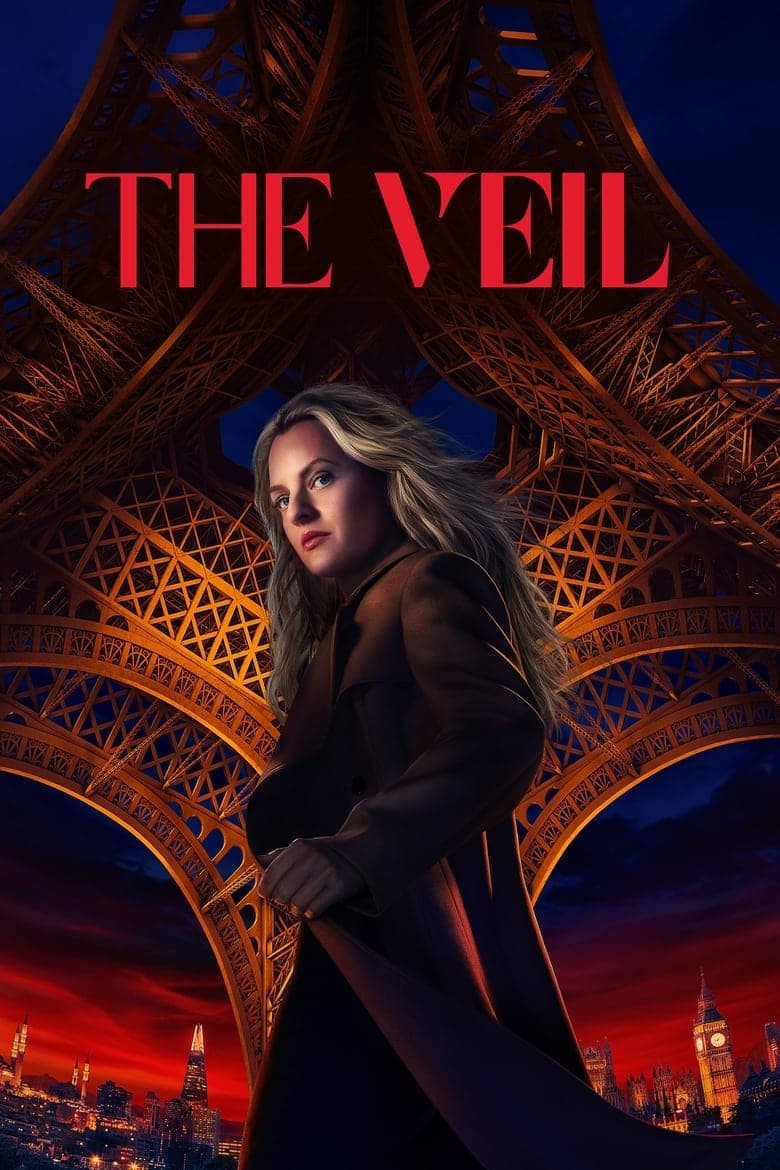
Started April 30, 2024 · Ended · Based on 1 season, 6 episodes through May 28, 2024 · TV-MA
Imogen Salter is an MI6 agent who uses many fake names and faces to get information. She travels from a refugee camp on the Syria and Turkey border with Adilah El Idrissi, a French woman suspected of leading an ISIS group. Adilah may know about a bomb attack aimed at a ship near the United States, while French and American agencies fight to control the case. The six-episode season mixes gun fights, lies, family secrets, and a tense road trip that becomes more personal as the women learn to trust each other.
The show puts two women at the center of a spy story as the expert agent and the suspected terrorist, and it gives both women major control over the plot. Adilah is shown as a mother who was pulled into terror after threats and promises of freedom, so the story asks viewers to see her as more than a monster. The series also makes several male institutions look foolish or cruel, including the CIA, French intelligence, and a racist former soldier. These ideas recur through the season, but the show stays focused on action, hidden identities, and a bomb plot instead of giving a clear political message.
Community feedback
Was our 37% Woke rating accurate?
Breakdown
These are the editorial factors and ratings behind our score for The Veil.
Woke representation / casting
The show centers on two women in roles that action spy stories usually give to men. Imogen is a highly skilled MI6 agent, and Adilah is presented as a rare female ISIS commander who can fight, plan, and drive the story. The international setting makes the varied cast believable, and no diversity-first casting message is shown. The repeated female-lead pattern is clear, but it works mainly as a genre choice.
24%
Woke political dialogue
Adilah says she was drawn into ISIS by promises of purity away from the corruption of the West. She says threats and a promise of freedom for her daughter pushed her into the bombing plan. Other characters discuss broken governments, Russian revenge, and Western power. These points give the terrorist character some political context, but the show does not build a repeated modern activist speech.
18%
Identity-driven story themes
The main story builds a bond between two women who are both trained to fight and lie inside male-dominated groups. Adilah's past turns a female ISIS commander into a threatened mother who says she had few choices. Imogen treats her as a person and tries to save her and her daughter instead of handing her over. The show returns to women's control of their lives, motherhood, and shifting identity across the season, while the terror plot remains the main engine.
34%
Western institutional / cultural critique
The CIA agent Max is written as a loud, arrogant American who insults France. French and American agencies compete, make mistakes, and try to use Adilah's daughter as pressure. A former Royal Marine is openly racist toward Adilah, and Imogen kills him after he kills her. These choices make Western institutions look flawed, but the show does not build a sustained critique of capitalism, patriarchy, Christianity, or current politics.
29%
Woke character or canon changes
Not relevant. The Veil is an original spy story with no established character, canon, or historical figure that it changes. Its new identities and family secrets are part of the plot.
0%
Anti-woke backlash and complaints
Not present. No clear anti-woke complaints appeared in the public reaction reviewed. The main complaints focused on the British accent, slow pacing, weak logic, and the ending.
0%
Creator track record context
Steven Knight's past work is mainly about crime, class, and power, with little clear activist framing. Daina Reid's work on The Handmaid's Tale adds gender-oppression context. Elisabeth Moss and Denise Di Novi have backed female-centered stories, and Gary Davy has worked with diversity-focused talent groups. Other named creators have little or no such public record, so the overall context is mixed.
34%
Production
TV Show · 2020
When an insidious supernatural force edges its way into a seemingly straightforward investigation into the gruesome murder of a young boy, it leads a seasoned cop and an…

TV Show · 2022
Bosch is now making a living as a private investigator two years after he quit the LAPD and finds himself working with one time enemy and top-notch attorney Honey “Money”…

TV Show · 2019
The origin story of Bruce Wayne's legendary butler, Alfred Pennyworth, a former British SAS soldier who forms a security company in 1960s London and goes to work with young…
TV Show · 2023
Candy and Pat Montgomery and Betty and Allan Gore — two churchgoing couples — enjoy their small town Texas life... until an extramarital affair leads somebody to pick up an axe.
TV Show · 2019
Within the walls of an interrogation room, London investigators question suspects accused of grievous crimes until the truth comes to light.
TV Show · 2017
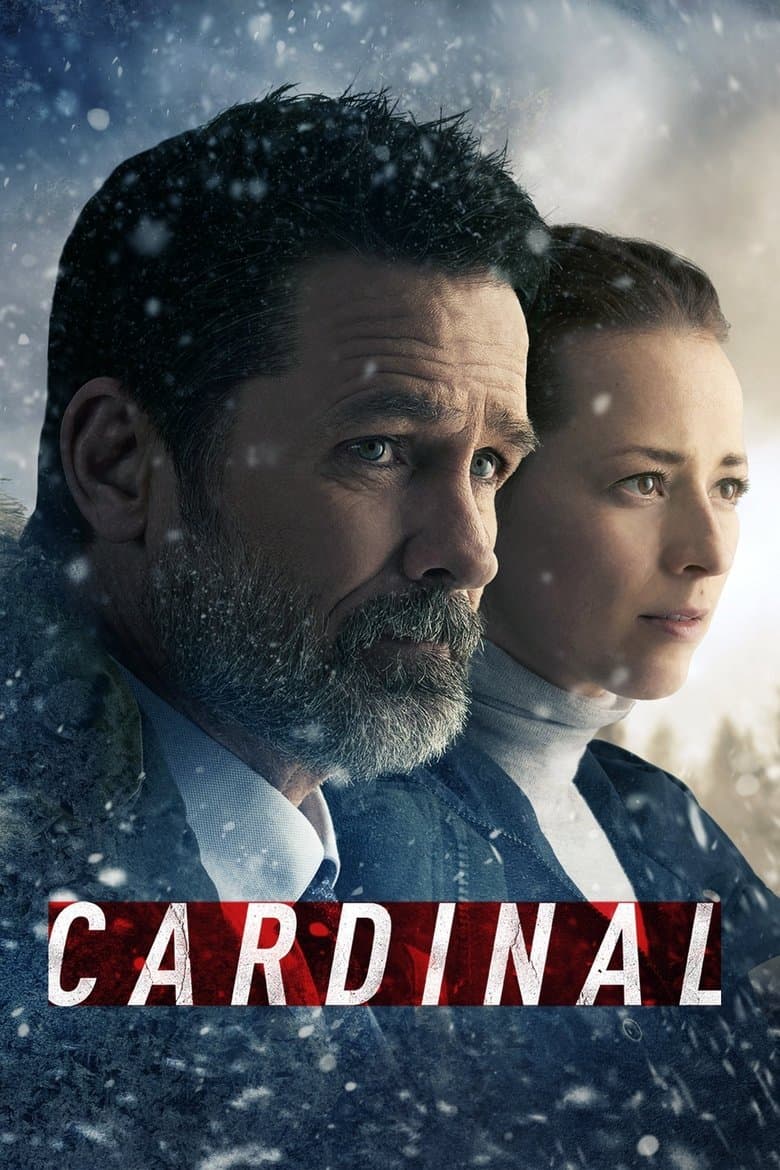
Detective John Cardinal attempts to uncover the mystery of what happened to the missing 13-year-old girl whose body is discovered in the shaft-head of an abandoned mine.

TV Show · 2024
Through the eyes of various Irish Republican Army (IRA) members, explore the extremes some people will go to in the name of their beliefs, the way a deeply divided society can…

TV Show · 2016
17-year-old Joshua "J" Cody moves in with his freewheeling relatives in their Southern California beach town after his mother dies of a heroin overdose.
