
Started February 9, 2020 · Ended · Based on 1 season, 2 episodes through February 16, 2020 · TV-14 · 59 min
Mark Easterbrook is a rich London antique dealer whose name appears on a list hidden in a dead woman's shoe. His mistress then dies, and he starts asking why the names on the list are linked to The Pale Horse. The village pub is home to three women who tell fortunes and are rumored to kill people with magic. Mark's search moves from stylish early-1960s London to a strange country village. The tone is dark, tense, and dreamlike, with murder, poison, guilt, and possible witchcraft.
The clearest woke element is the show's repeated focus on men's power over women. Mark cheats on his wives, hides the truth about his first wife's death, and faces punishment for his selfish and violent choices. Hermia's perfect wife role is shown as a prison, while the three women who live outside marriage become key figures who expose the murder plan. The story also gives two prominent roles to black women in a 1961 setting, but it does not make race or identity part of the plot. These themes shape the whole two-part mystery, yet the show stays focused on crime and horror rather than speeches about modern politics.
Community feedback
Was our 42% Woke rating accurate?
Breakdown
These are the editorial factors and ratings behind our score for The Pale Horse.
Woke representation / casting
The show gives two prominent roles to black actresses. Georgina Campbell plays Delphine, Mark's first wife, and Sheila Atim plays Thyrza, one of the three women at The Pale Horse. The plot does not explain either identity through race or present the casting as a diversity message. The choices stand out in a 1961 London and Surrey story, but the cast is not built as a one-of-each group.
22%
Woke political dialogue
Not present. The characters talk about murder, witchcraft, sex, grief, and guilt rather than current politics. No recurring speeches about identity, DEI, or social activism appear.
0%
Identity-driven story themes
The show repeatedly presents Mark as a man who thinks his wealth lets him control women. Hermia's polished wife role is shown as suffocating and damaging. The three women who live outside marriage are feared by the village but become important to exposing the murder plan. These ideas repeat across both episodes and shape Mark's guilt and punishment, though the show does not use modern identity language.
38%
Western institutional / cultural critique
The show treats the perfect-wife role forced on Hermia as damaging and suffocating. It presents Mark's rich male world as one where adultery and control are treated as normal until women challenge him. It also shows women who live outside marriage as outsiders but as people with real knowledge and power. The show does not attack churches, police, capitalism, or Western society as broad institutions.
30%
Woke character or canon changes
The book gives Mark a different history for his first wife's death, while the show makes him kill Delphine in jealous, possessive anger. The show turns Hermia from a friend he might marry into a wife who survives him and escapes his control. The series also makes the three witches unaware of the murder plan, which moves blame away from women who live outside marriage. Other changes, such as the list and the poison method, are plot changes and are not identity-driven.
34%
Anti-woke backlash and complaints
Not present. Viewers complained about the confusing ending, strong language, and distance from the novel. No clear release-date backlash said that the show pushed DEI, identity politics, or activist content.
0%
Creator track record context
Sarah Phelps's cached creator score is 37/100 and includes a repeated focus on how women are judged and on complex female leads. Tommy Bulfin's cached score is 37/100 because of BBC inclusion work and queer-positive projects. Agatha Christie and most other cached key people score low, so the background gives a mild supporting signal without proving title-specific activism.
27%
Production
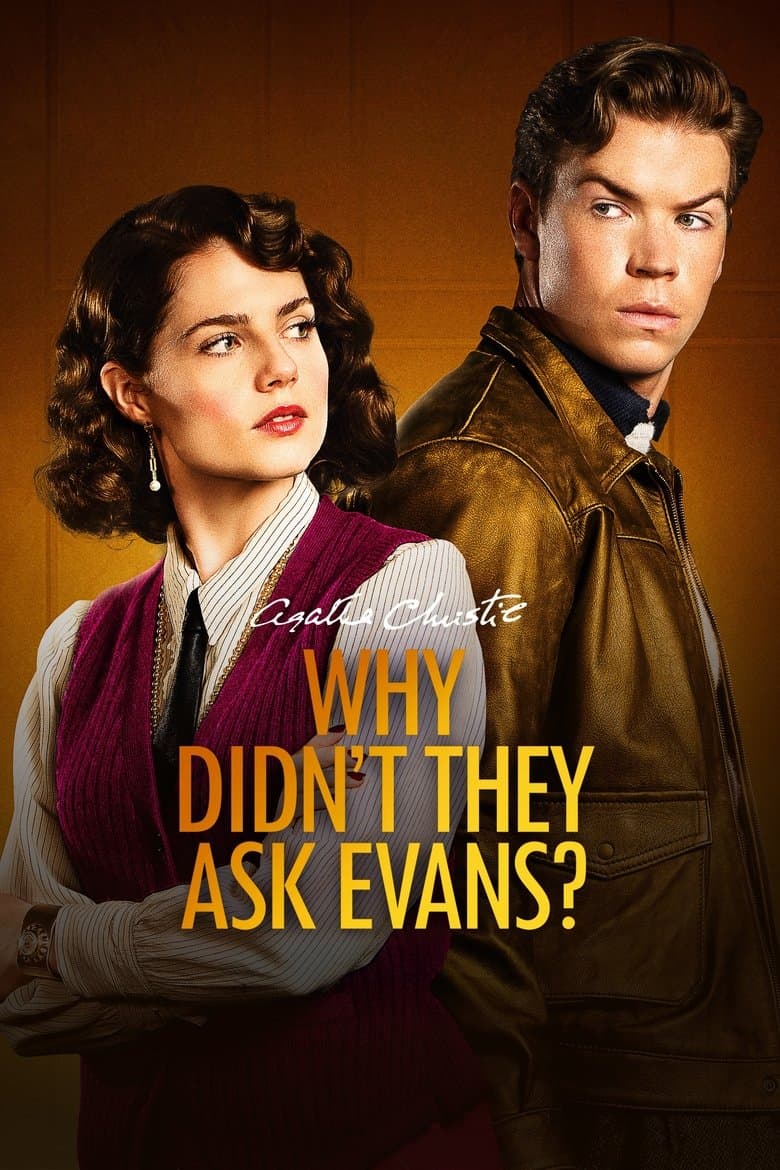
TV Show · 2022
A dying man's enigmatic last words send vicar's son, Bobby Jones, and his socialite friend, Lady Frankie Derwent, on a crime-solving adventure.
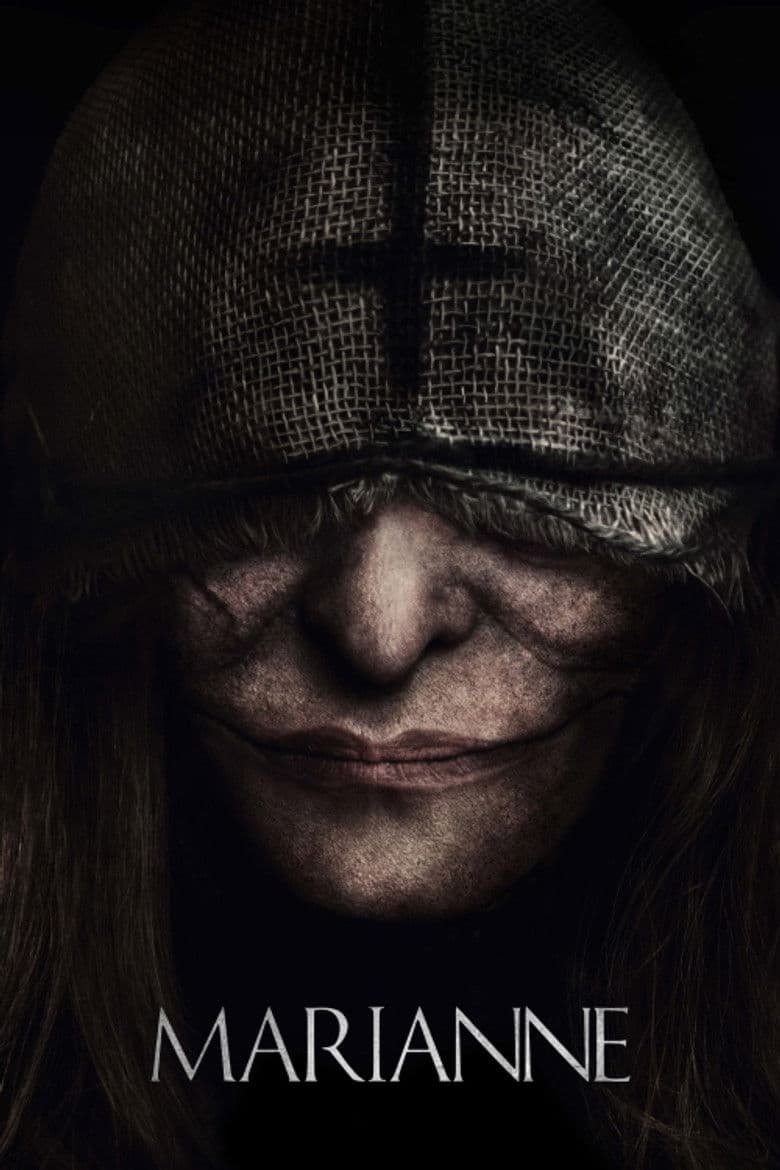
TV Show · 2019
When a novelist realizes her terrifying stories are coming true, she returns to her hometown to face the demons from her past that inspire her writing.

TV Show · 2020
In an isolated and inaccessible Antarctic research station in which winter has fallen on the South Pole and the sun will soon disappear for the next six months, a small team…
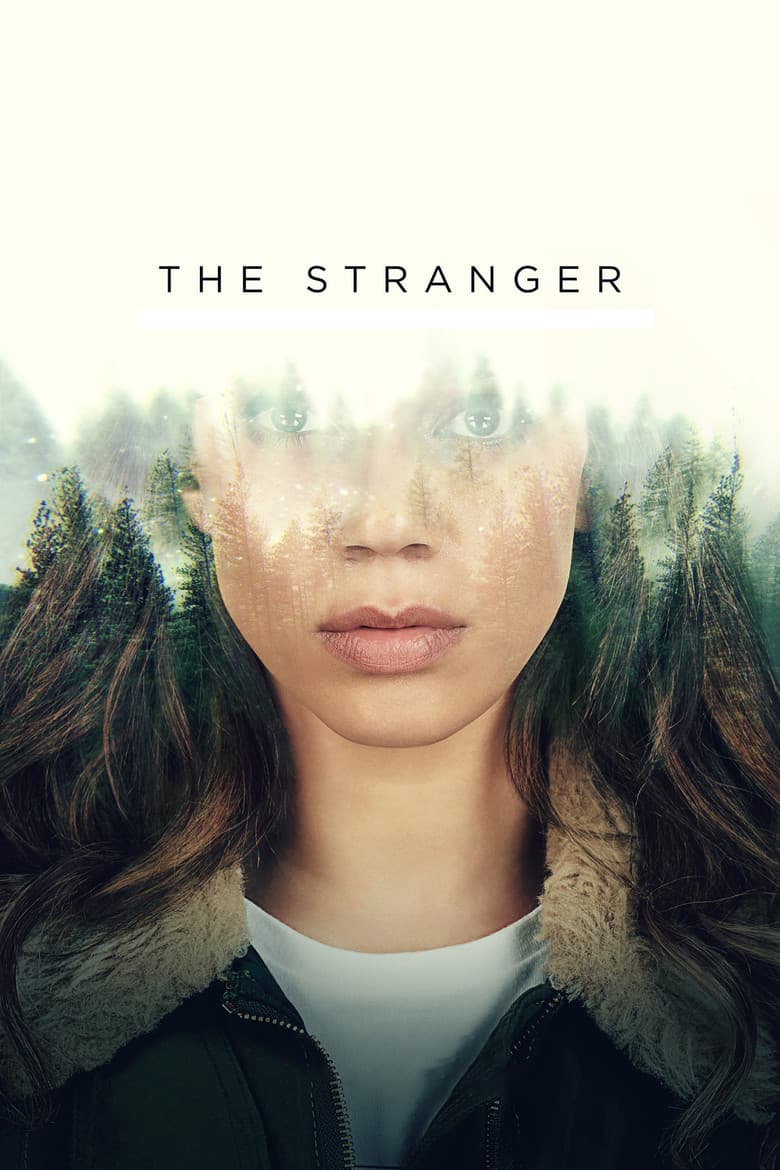
TV Show · 2020
When a stranger makes a shocking claim about his wife, Adam Price's life upends as he becomes entangled in a web of secrets.
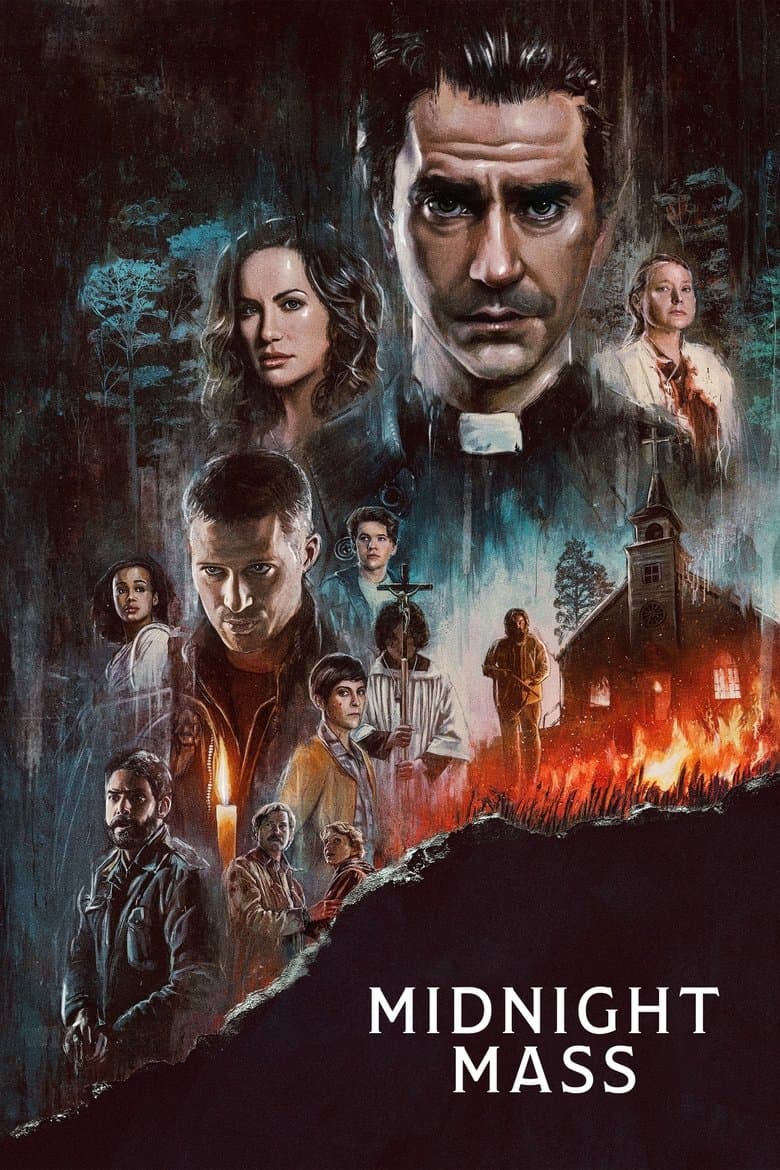
TV Show · 2021
The arrival of a charismatic young priest brings glorious miracles, ominous mysteries and renewed religious fervor to a dying town desperate to believe.

TV Show · 2022
An anniversary trip puts a marriage to the test when a couple finds themselves embroiled in one of Yucatan's most bizarre unsolved mysteries.

TV Show · 2017
Inspired by actual events, this true crime anthology series takes a deep dive into the dark, twisted minds of terrorists and follows the brave souls who hunt them down.
TV Show · 2018
In 1994, a toddler disappeared from a small Welsh village, never to be seen again. 23 years later, in London, the mother of rising cello star Matilda Gray commits suicide, without…
