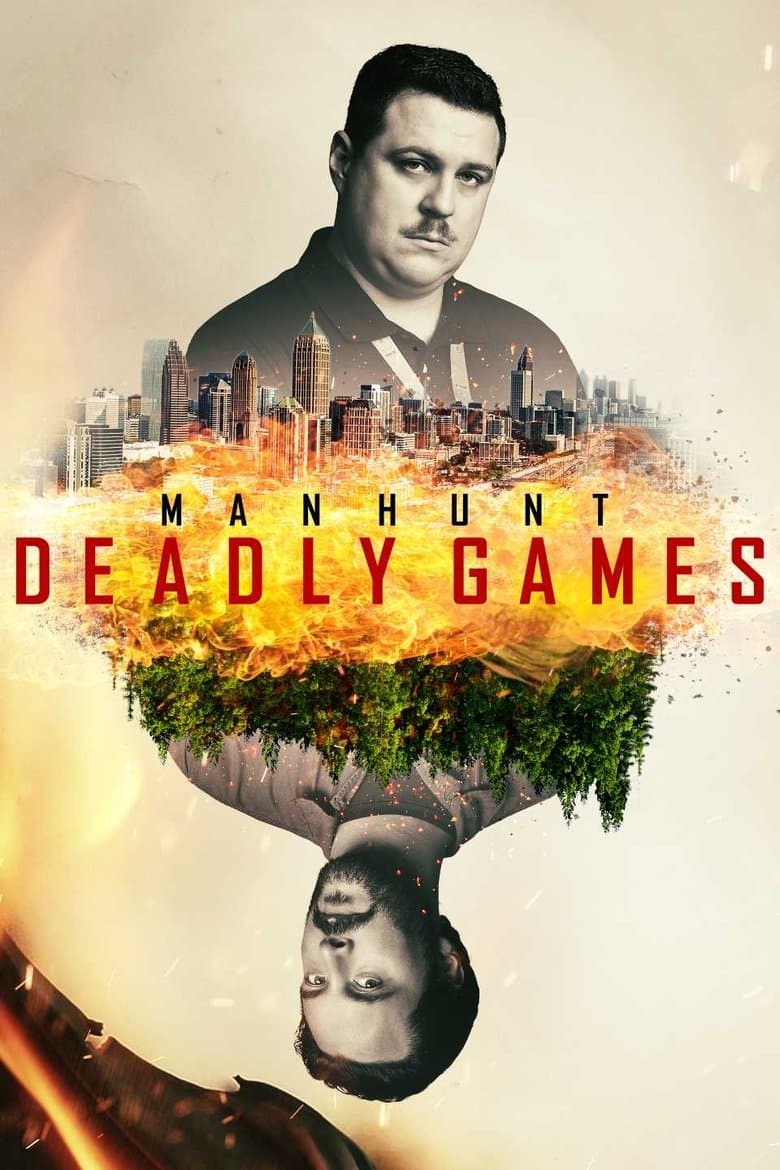
Started August 1, 2017 · Ended · Based on 2 seasons, 18 episodes through February 3, 2020 · TV-MA · 42 min
Manhunt is a two-season true crime anthology series that dramatizes real FBI investigations into domestic terrorists. Season one centers on the 1990s hunt for the Unabomber through linguistic profiling and task force work, while season two covers the 1996 Centennial Olympic Park bombing, the wrongful suspicion of security guard Richard Jewell, and the later capture of Eric Rudolph. The narrative focuses on investigative methods, institutional friction inside law enforcement, media pressure, and the personal costs to those involved, all set in straightforward historical recreations of 1990s events with no visible modern identity or activist framing.
Community feedback
Was our 20% Woke rating accurate?
Breakdown
These are the editorial factors and ratings behind our score for Manhunt.
Woke representation / casting
Casting follows 1990s historical demographics and real figures in prominent FBI and suspect roles with no audience-visible diversity signaling, quotas, or mismatched identity emphasis.
15%
Woke political dialogue
Dialogue stays procedural and character-focused on evidence, profiling, and bureaucracy with no activist language, identity lectures, or modern social-justice framing.
5%
Identity-driven story themes
Stories center on catching terrorists through traditional investigative work and the human impact of bombings and media errors; no recurring race, gender, or sexuality identity plotlines.
10%
Western institutional / cultural critique
Shows FBI internal conflicts and media rush in the Jewell case as examples of institutional missteps and the value of persistence, presented as historical caution without reframing into anti-patriarchy, anti-whiteness, or current identity politics.
20%
Woke character or canon changes
Not relevant; dramatizations add fictional tension for storytelling but introduce no identity-driven alterations to real historical figures or events.
0%
Anti-woke backlash and complaints
Only scattered fringe online remarks about isolated scenes; no meaningful public complaints accusing the series of woke, DEI, or identity-driven content.
5%
Creator track record context
Most key creatives have low or no documented activist histories focused on identity or DEI; one writer has separate theater work exploring race and queer Southern themes, but this does not shape the series’ content or marketing.
15%
Production
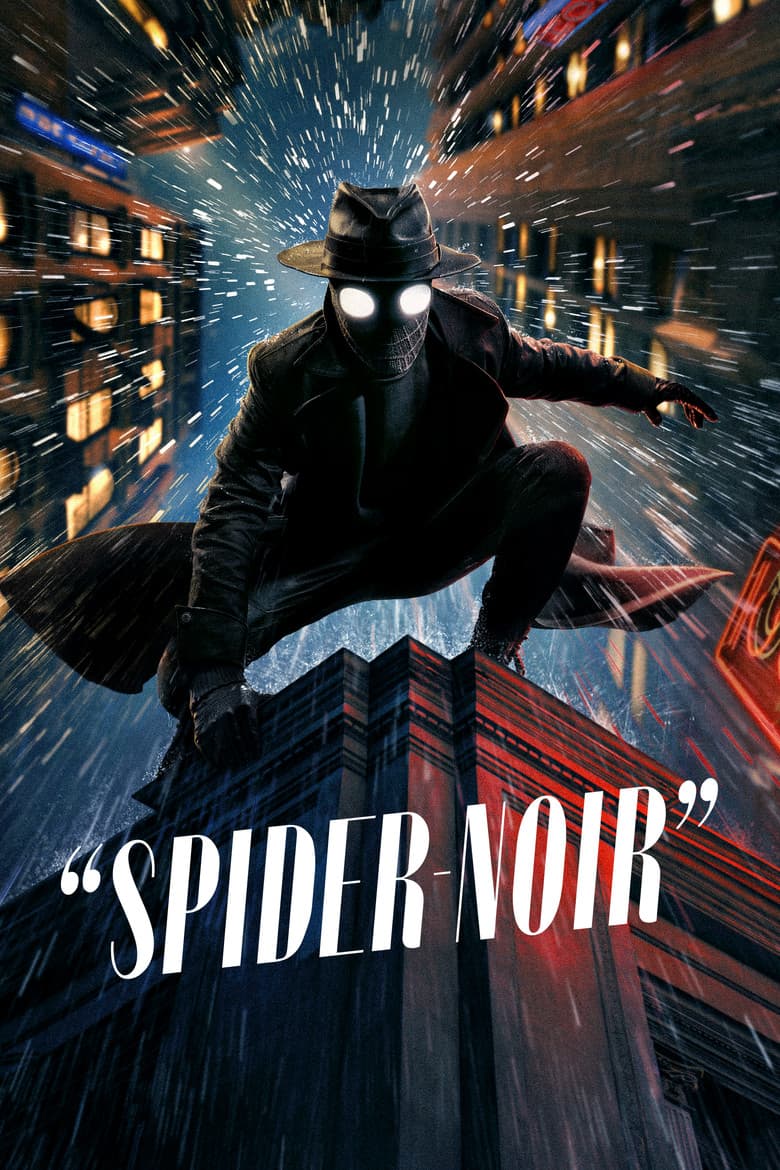
TV Show · 2026
Ben Reilly, an aging and down on his luck private investigator in 1930s New York, is forced to grapple with his past life as the city's one and only superhero.
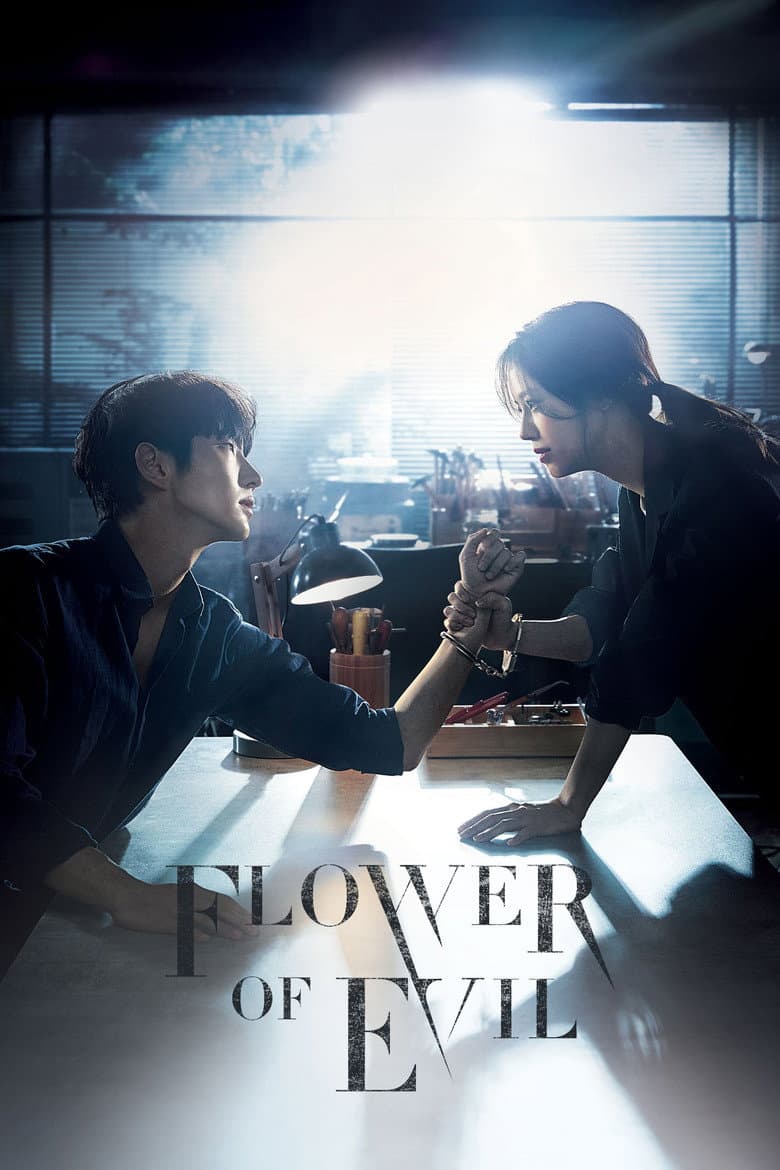
TV Show · 2020
Hiding a twisted past, a man maintains his facade as the perfect husband to his detective wife — until she begins investigating a series of murders.
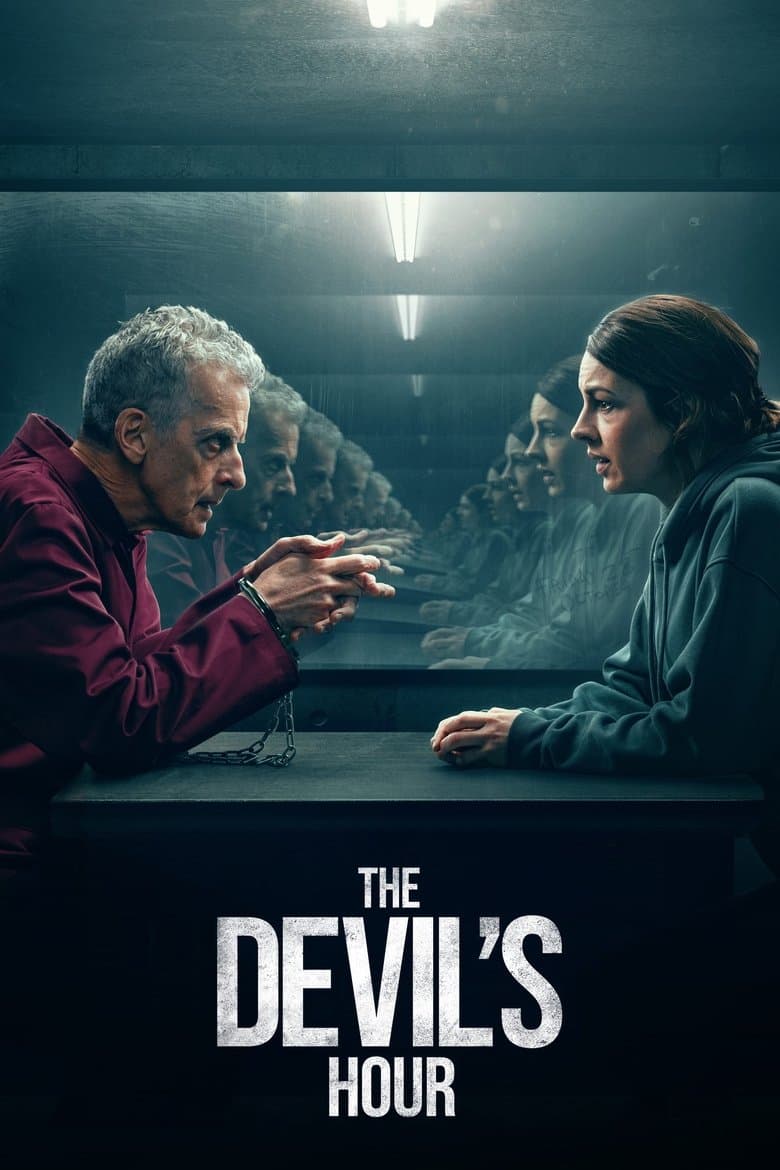
TV Show · 2022
Lucy wakes every night at exactly 3:33am. Nothing in her life has made sense for a long time. But the answers are out there, somewhere, at the end of a trail of brutal murders.
TV Show · 2019
When a novelist realizes her terrifying stories are coming true, she returns to her hometown to face the demons from her past that inspire her writing.
TV Show · 2026
Wrongfully imprisoned for murdering his own son, a father sets out on a desperate rescue mission after learning the boy may still be alive.
TV Show · 2021
Beneath the sunlit glamour of 1985 L.A. lurks a relentlessly evil serial killer. In this true-crime story, two detectives won't rest until they catch him.
TV Show · 2022
An anniversary trip puts a marriage to the test when a couple finds themselves embroiled in one of Yucatan's most bizarre unsolved mysteries.
TV Show · 2024
A young boy growing up in the suburbs of 1980s Brisbane faces the harsh realities of life — and the looming dangers that threaten his family.
