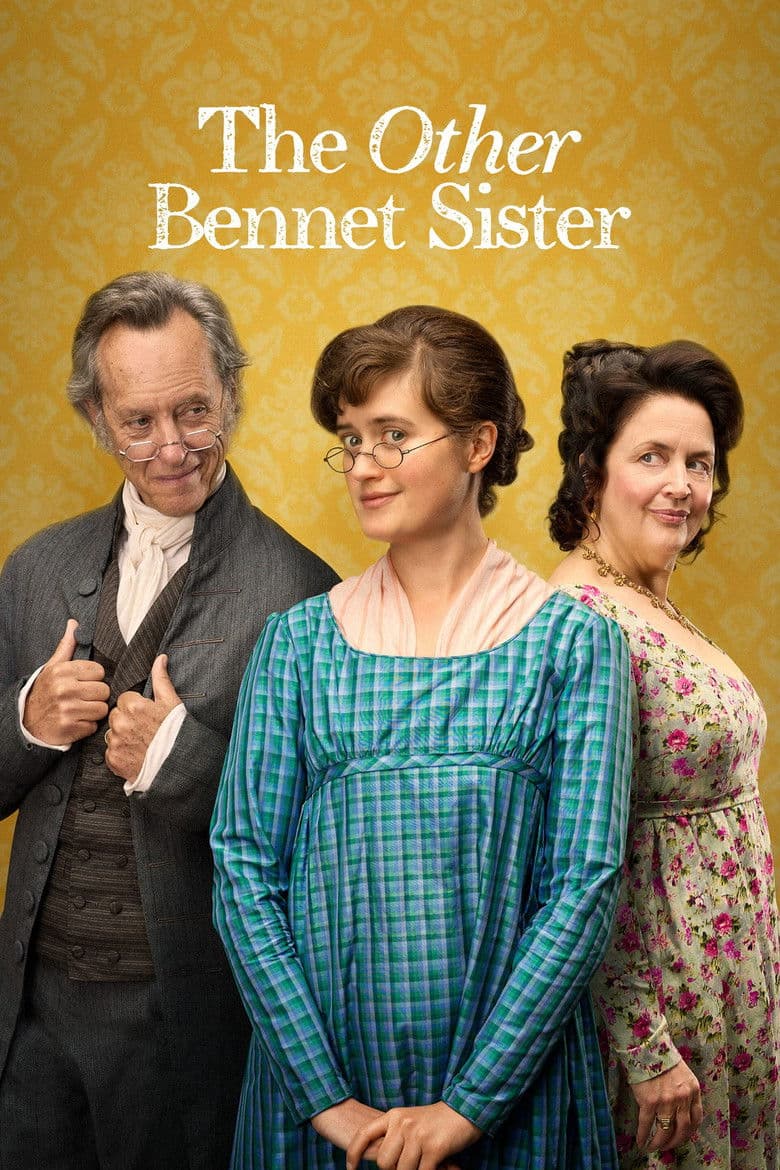
Started March 15, 2026 · Returning Series · Based on 1 season, 10 episodes through March 29, 2026 · 30 min
Mary Bennet is the plain, bookish middle daughter in the Bennet family of Regency England. Her mother treats marriage as the only safe future, while her sisters are praised for beauty, wit, or charm. After her father dies, Mary leaves Longbourn to work as a governess for her aunt and uncle in London. She meets two very different men and slowly learns to speak and choose for herself before finding love with Tom Hayward. The show is light and funny, but it also spends time on family cruelty, class pressure, shame, and loneliness.
The series makes female self-worth and personal choice the heart of Mary's story. It shows beauty rules, marriage pressure, and male inheritance as forces that limit women. Mary rejects a rich man's proposal because she does not love him, then chooses work and a life outside her family before marrying Tom. Several non-white actors play named people in the Regency world, including Mary's aunt, her friend Ann Baxter, and the optician John Sparrow, so the casting is visibly diverse even though race is not part of the plot.
Community feedback
Was our 65% Woke rating accurate?
Breakdown
These are the editorial factors and ratings behind our score for The Other Bennet Sister.
Woke representation / casting
The show uses visibly non-white actors for several named roles in the Regency world. Indira Varma plays Mary's aunt, Varada Sethu plays her friend Ann Baxter, and Aaron Gill plays optician John Sparrow. The Bennet family and most leading roles are white, but the repeated mix is easy to notice in this period setting. The characters' race does not drive the story, yet the pattern goes beyond a single background role.
42%
Woke political dialogue
The show repeatedly has characters discuss women's limited choices in Regency society. Mary hears that a woman faces “marriage or misery,” and her family links beauty and marriage to safety after male inheritance rules threaten Longbourn. Later scenes support Mary's right to reject a match and choose her own work and happiness. The dialogue stays inside the period story and does not become modern party politics.
27%
Identity-driven story themes
The series makes an overlooked woman's self-worth its main subject. Mary is judged as plain, awkward, and unlovable, then learns to value her mind, friendships, work, and own choices. The story returns to beauty, marriage pressure, family shame, and the search for a life beyond other people's labels across the season. Mary does not need a makeover or a rich husband to prove her worth, although the ending still includes a romance.
52%
Western institutional / cultural critique
The show presents the marriage market, male inheritance, and beauty-based family rules as unfair limits on women. Mrs Bennet's pressure and the family's treatment of Mary make traditional gender roles look harmful rather than natural. Mary answers those rules by leaving home, working as a governess, and refusing a proposal without love. The critique stays tied to Regency family life and does not become a broad attack on modern Western institutions.
33%
Woke character or canon changes
The series changes the Austen version of Mary from a minor, vain, awkward comic figure into the sympathetic lead. It also makes Mrs Bennet much harsher and shows Elizabeth as less warm so Mary's view of the family drives the story. These choices support a message about an overlooked woman finding confidence and freedom. The main Pride and Prejudice events remain recognizable in the opening episodes.
31%
Anti-woke backlash and complaints
Several X posts called the series a “DEI quota” production and objected to race-blind casting in Regency roles. The complaints focused on non-white characters such as the optician and people around the upper-class families. One post also claimed fake LGBT insertion, but the show has no confirmed queer story, so that claim is not evidence about the plot. The reaction was scattered, with no organized boycott, review-bombing drive, or sustained campaign.
36%
Creator track record context
Janice Hadlow and Jennifer Sheridan have low cached scores, and the producers are mostly low. Sarah Quintrell has a mild social-theme record, while Maddie Dai has a strong identity-focused record and wrote one episode. Asim Abbasi has a mixed score and directed the final five episodes, with earlier work that includes LGBTQ+ representation. These facts add context, but the show itself is mainly a female-centered period romance.
36%
Production

TV Show · 2019
In a city of coaching centers known to train India’s finest collegiate minds, an earnest but unexceptional student and his friends navigate campus life.
TV Show · 2019
Burned out on life, Miles undergoes a strange procedure at a strip mall spa -- and wakes to find he's been replaced by a better version of himself.

TV Show · 2018
When his secretary unexpectedly quits, an arrogant executive will do anything to bring her back.

TV Show · 2022
In disguise as her friend, Ha-ri shows up to a blind date to scare him away. But plans go awry when he turns out to be her CEO — and makes a proposal.

TV Show · 2019
A group of working-class friends finding unconventional ways to win at life in suburban northern England. These lads have dealt, scammed, bribed and conned their way through…

TV Show · 2016
Rebellious Mickey and good-natured Gus navigate the thrills and agonies of modern relationships.
TV Show · 2016
Set nearly a decade after the finale of the original series, this revival follows Lorelai, Rory and Emily Gilmore through four seasons of change.

TV Show · 2019
A paragliding mishap drops a South Korean heiress in North Korea -- and into the life of an army officer, who decides he will help her hide.
