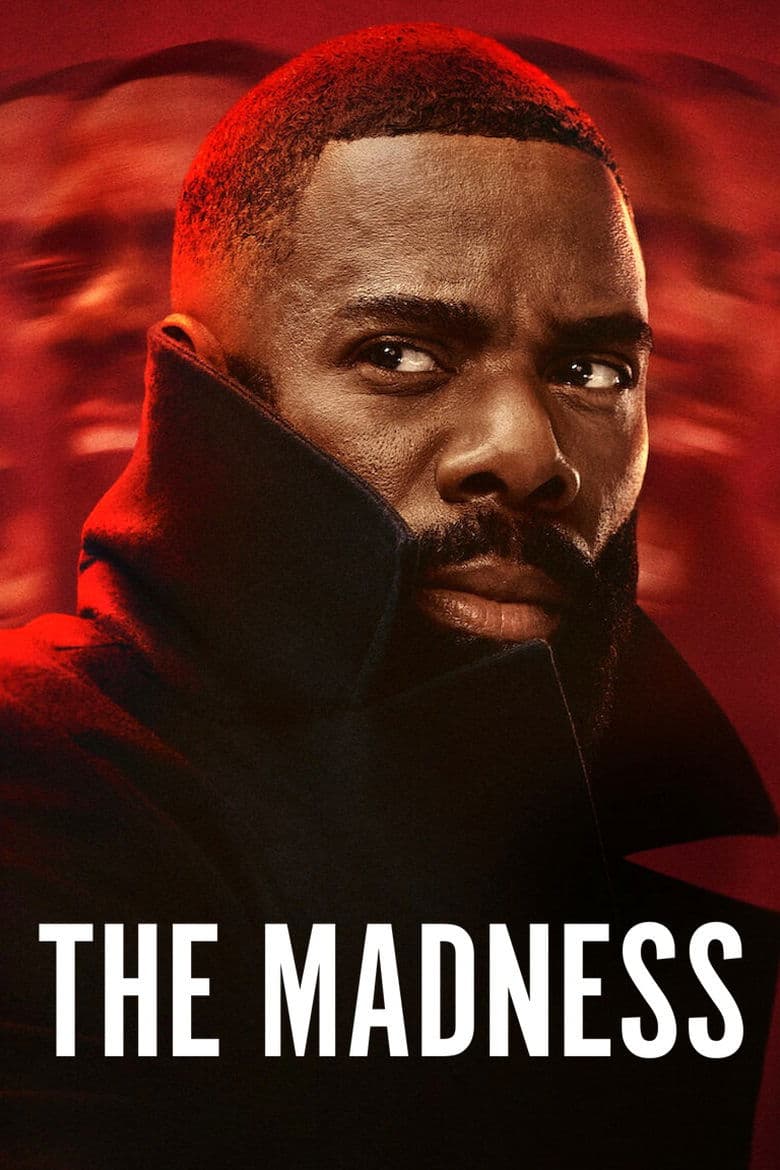
Started November 28, 2024 · Ended · Based on 1 season, 8 episodes through November 28, 2024 · TV-MA
Muncie Daniels is a famous TV commentator who rents a cabin in the Poconos while his marriage is breaking apart and his work is pressing him to write a book. He finds the chopped-up body of Mark Simon, a white supremacist leader, and soon becomes the main suspect in the murder. Muncie runs through Philadelphia, New York, and rural Pennsylvania while killers, police, reporters, and online crowds close in on him. The eight-episode season is a tense crime thriller about family, fear, lies, and the struggle to know what is true.
The story makes Muncie's race a major part of the danger, because a black public figure is framed for killing a white extremist and is judged through a racial storm. Muncie is repeatedly pushed to face his past as a housing activist, the history of redlining, Black Lives Matter, and the way police and news systems treat him when his money and status disappear. The main villains use a technology company, paid voices, and false news to steer an election, so the show presents powerful rich people, far-right groups, and broken institutions as threats to ordinary people. These ideas recur through the chase and family drama, but the season still spends much of its time on gunfights, murder clues, and Muncie's attempt to repair his family.
Community feedback
Was our 64% Woke rating accurate?
Breakdown
These are the editorial factors and ratings behind our score for The Madness.
Woke representation / casting
The series centers a Black TV commentator and surrounds him with a mostly black family and group of West Philly allies. Muncie's race is a visible part of the murder setup and the lead role. The setting and backstory make the family and community casting plausible. No repeated female leader or gender-swapped hero pattern drives the season.
18%
Woke political dialogue
The show repeatedly discusses Black Lives Matter, housing activism, redlining, white supremacy, antifa, election influence, and media power. Muncie's CNN arguments ask whether a black public figure should stay inside television or return to community work. FBI and family scenes connect his race to suspicion, policing, and public stories about the murder. The dialogue is important to the thriller, but many scenes focus on chase action and conspiracy clues, so the politics is strong rather than constant.
52%
Identity-driven story themes
The story makes Muncie's black identity central to the frame-up. The people behind the plot choose him as a useful target because he is a well-known black commentator with a history of defending Black Lives Matter. Muncie loses his wealth and media status, then returns to his West Philly roots and faces how strangers see him as an ordinary black man. This identity journey runs through the murder plot, his family story, and the final warning about powerful people who can shape public belief.
64%
Western institutional / cultural critique
The show presents police, the FBI, major news media, and a tech company as systems that can fail or manipulate people. The FBI rejects Franco's evidence, while the company uses paid voices, online lies, murder, and an election campaign to protect mining and environmental deregulation. Muncie also faces pressure from a media world that treats public debate as a product. These are repeated modern attacks on institutions, although the story also mocks far-left gun groups and warns that both political sides can be manipulated.
53%
Woke character or canon changes
Not relevant. The show is an original limited series, and no established characters or source canon are changed.
0%
Anti-woke backlash and complaints
A few small or anonymous X accounts said the show had woke political messaging, a “black pride” undercurrent, or a woke agenda. One Italian post framed the story as anti-woke because its villains include environmental and antifa figures. The supplied X pass found no coordinated boycott, review-bombing drive, or large right-leaning campaign. The complaints are weak audience reaction and do not prove that every claimed element is present.
15%
Creator track record context
Cached scores are 35 for Stephen Belber, 39 for Clement Virgo, 23 for Jenno Topping, 31 for Peter Chernin, 17 for VJ Boyd, and 0 for Kaitlin Dahill. Belber's Laramie Project work and Virgo's focus on black identity are the clearest supporting context. The other stored scores show mild or neutral context rather than one strong activist pattern. The title itself adds recurring race and political themes, so the combined context is moderate.
30%
Production
TV Show · 2021
A happily married man's life is turned upside down when his wife is killed in a mysterious hit-and-run accident in Tel Aviv.
TV Show · 2019
Follow a disillusioned teen recruited into a storied high school for assassins. Maintaining his moral code while surviving a ruthless curriculum, vicious social cliques, and his…
TV Show · 2022
With the aid of unexpected friends, a gifted but introverted student confronts bullies and violent foes — unaware of how dangerous his world will become.
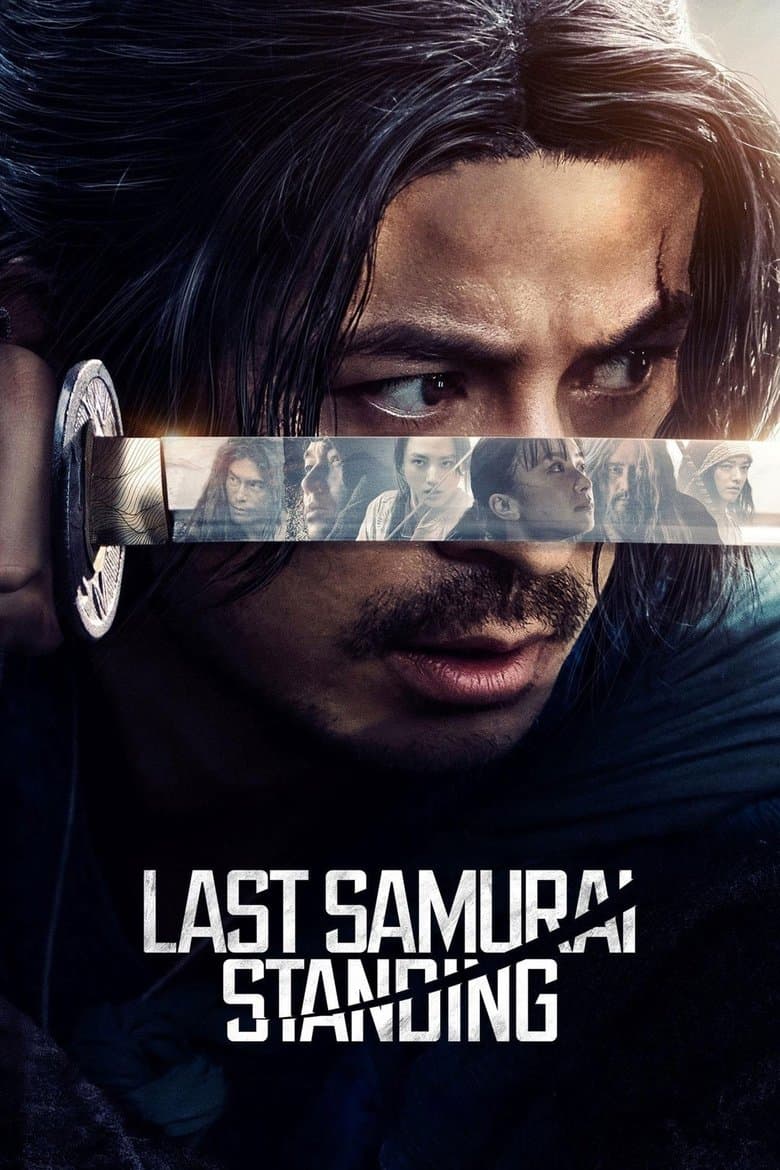
TV Show · 2025
In the early Meiji era, Shujiro, once known as an undefeated samurai, decides to participate in a deadly survival game to save his family and villagers.
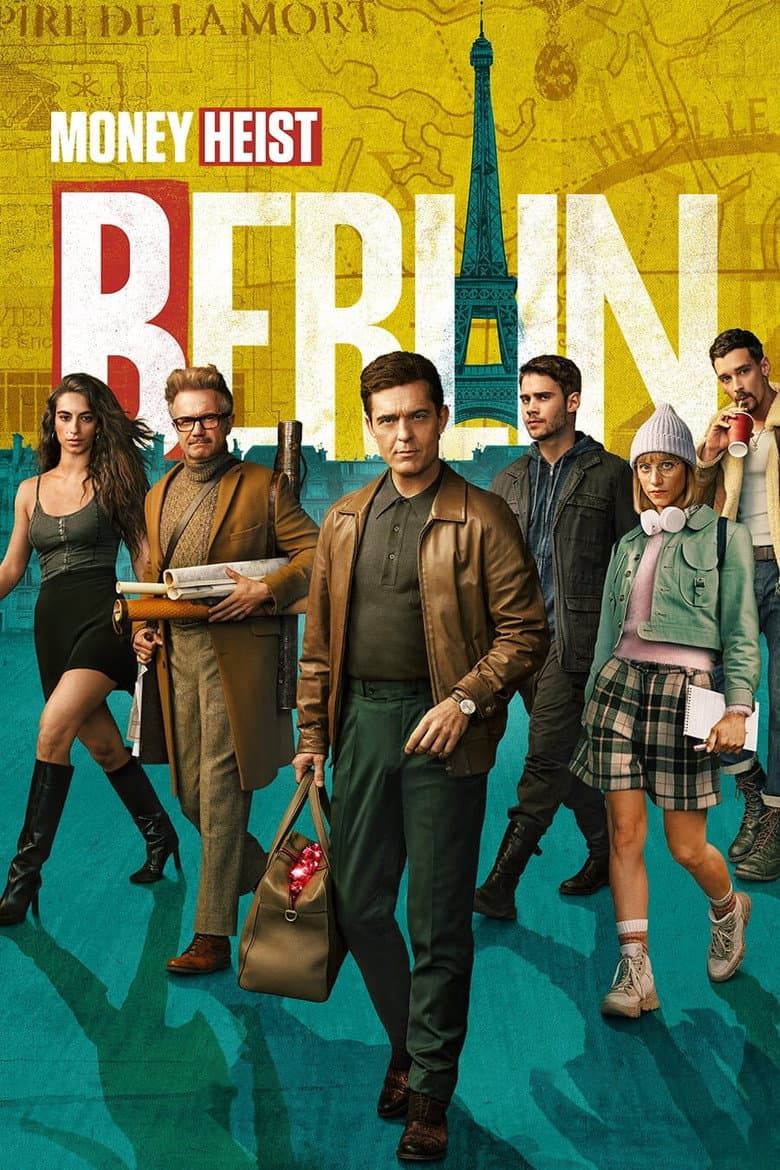
TV Show · 2023
During his glory days, Berlin and a gang assembled in Paris for one of his greatest plans ever: stealing 44 million euros' worth of jewels in one night.
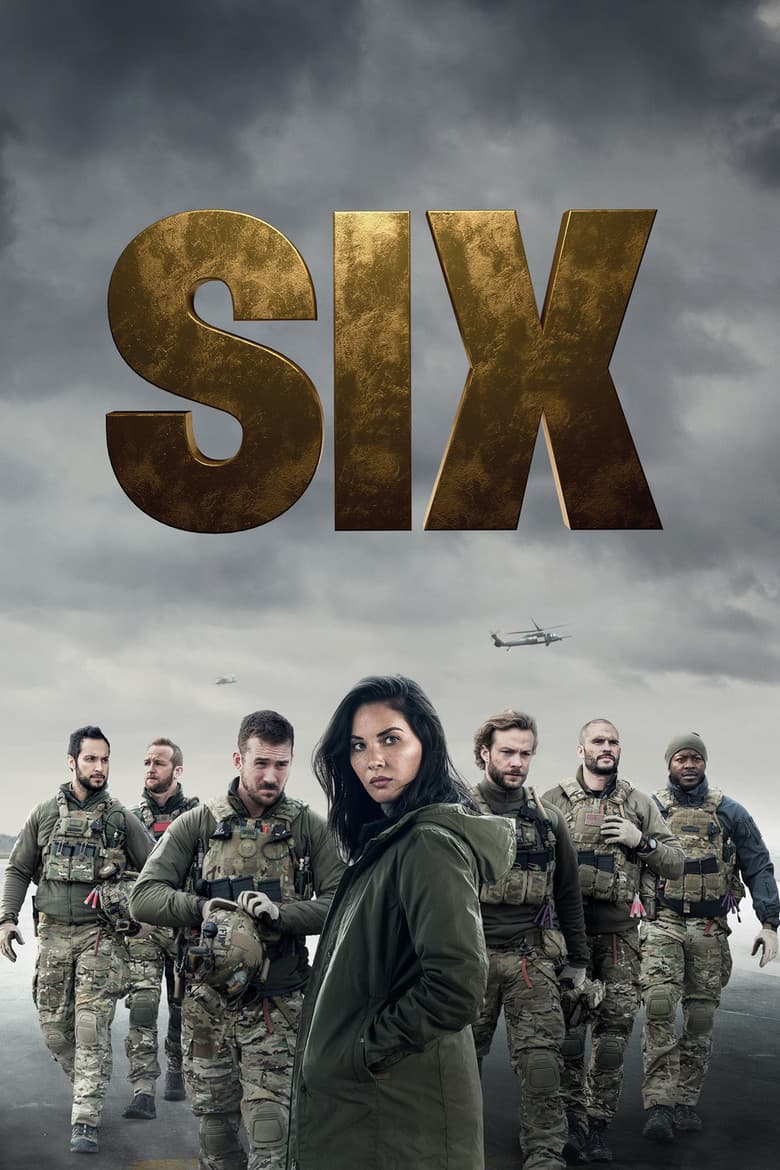
TV Show · 2017
Action drama series inspired by the real missions of Navy SEAL Team Six.
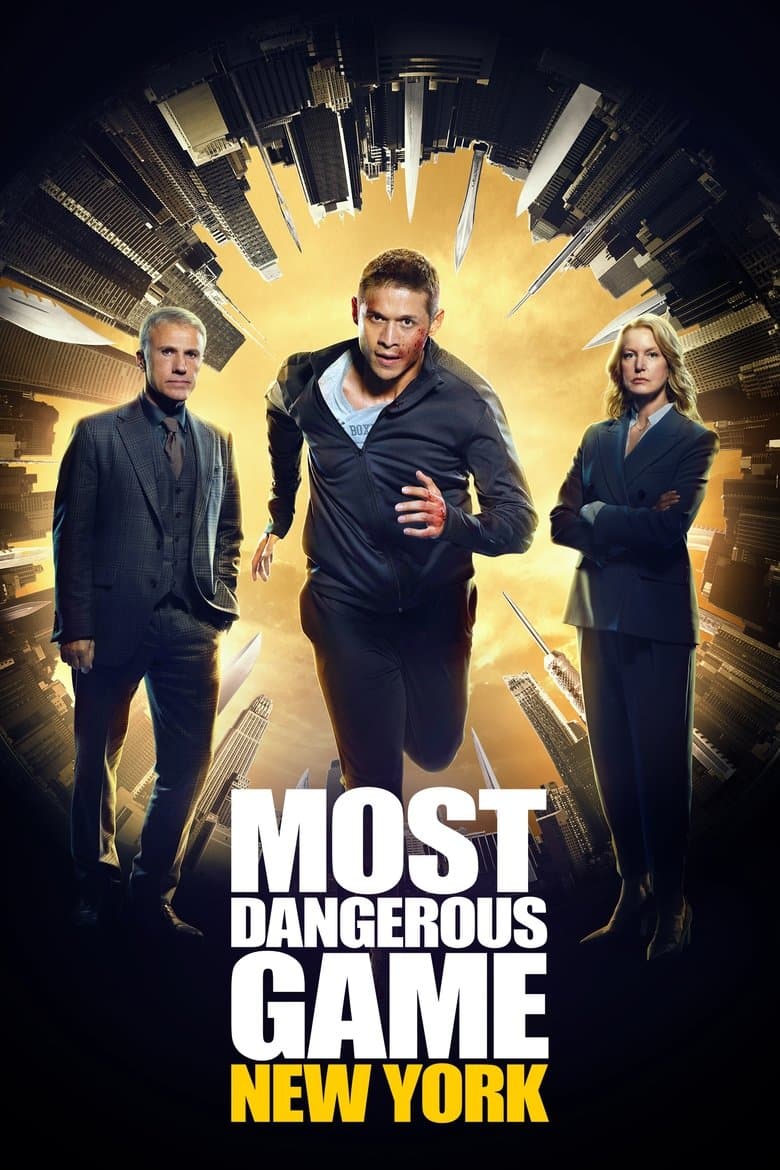
TV Show · 2020
Desperate to take care of his pregnant wife before a terminal illness can take his life, Dodge Maynard accepts an offer to participate in a deadly game where he soon discovers…
TV Show · 2025
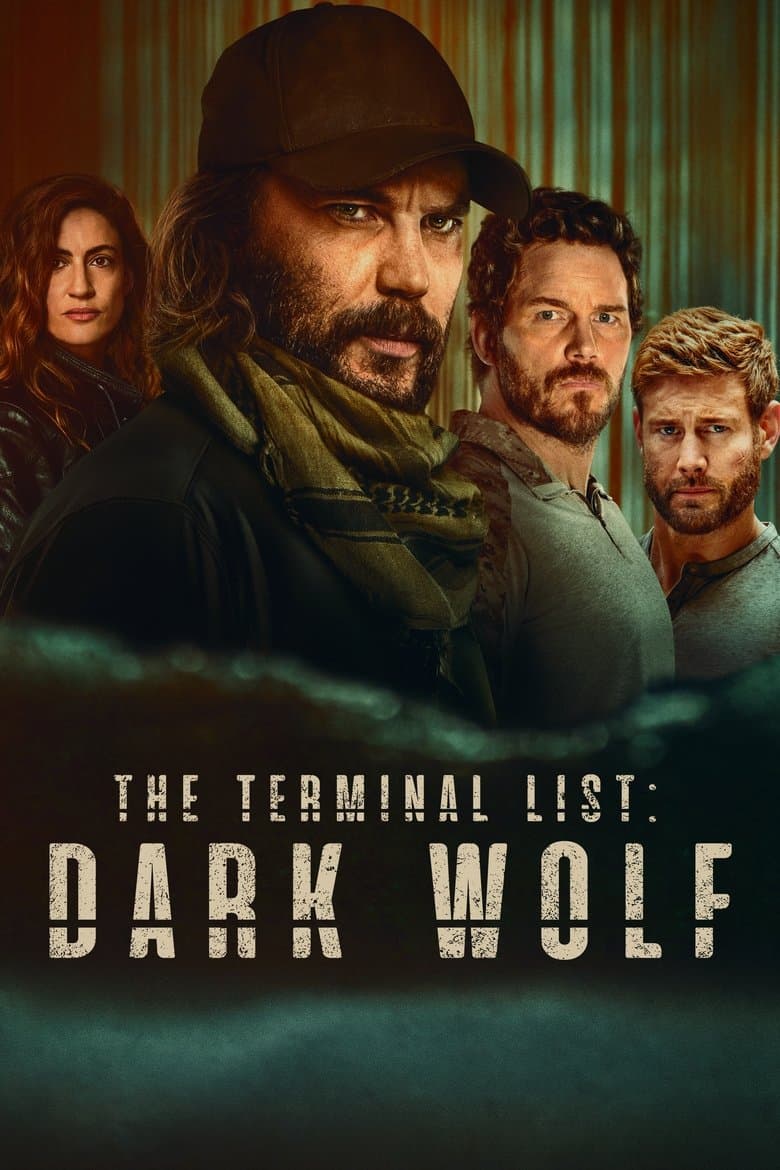
Before The Terminal List, Navy SEAL Ben Edwards finds himself entangled in the black operations side of the CIA.
