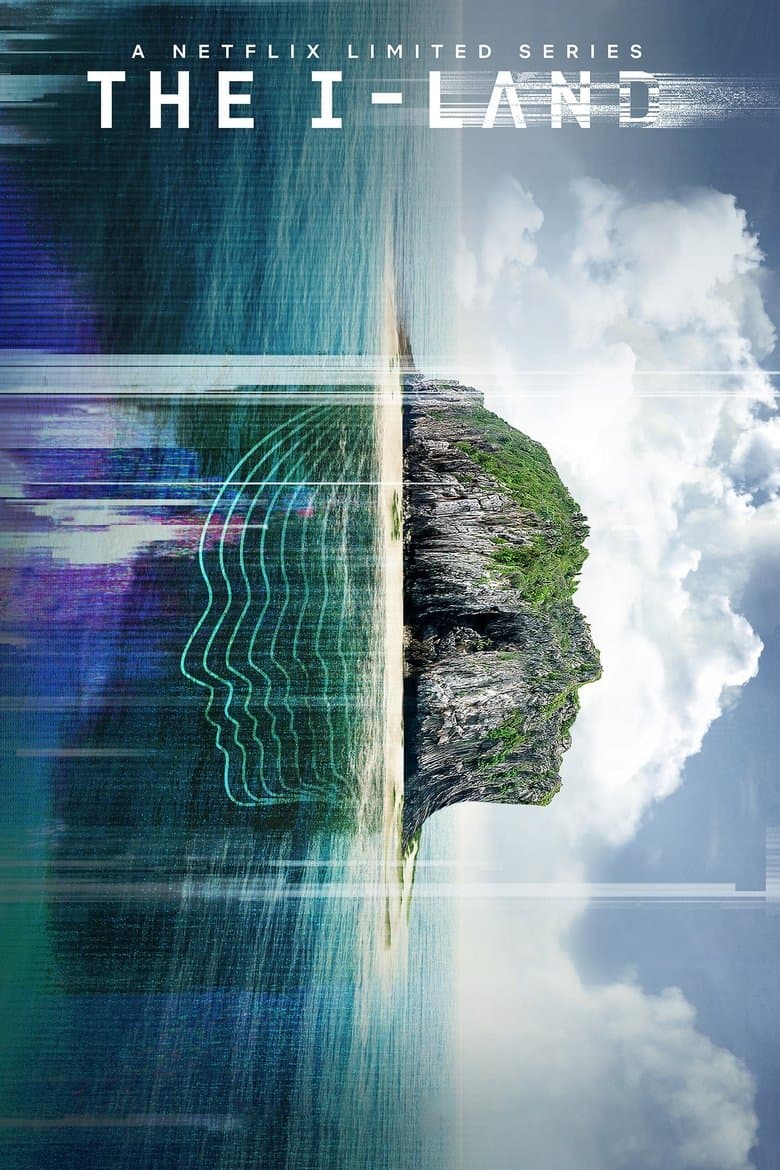
Started September 12, 2019 · Ended · Based on 1 season, 7 episodes through September 12, 2019 · TV-MA · 42 min
Chase wakes on a tropical island with nine strangers, and none of them remember their names or their pasts. The group searches for food, shelter, and a way home while fights, attacks, and strange clues turn the island into a deadly trap. Chase later learns that the island is a computer test inside a Texas prison, where death-row prisoners are judged on whether they can change. Her memories show that she served in the military, married Cooper, and was wrongly blamed for her mother’s death. The last episode sends the older Chase into a flooded future after the corrupt warden’s plan is exposed.
Chase is a tough Latina lead who drives the mystery, and Cooper is a black husband who shares her main story. Blair’s past reveals that she was married to a woman, while the show also centers male sexual violence, an abusive husband, and women who fight back. The prison plot attacks a corrupt warden, a private prison run for profit, and a system that treats violent prisoners as beyond repair. These ideas recur through the prison episodes and the finale, but they stay inside a grim survival mystery instead of becoming the show’s only subject.
Community feedback
Was our 45% Woke rating accurate?
Breakdown
These are the editorial factors and ratings behind our score for The I-Land.
Woke representation / casting
The cast puts a Latina woman at the center. The story gives her a black husband and places several women in major survival roles. Chase leads the search and fights guards, while Hayden and Blair also use lethal force against violent men. The public marketing sells the show as a mystery, survival, and sci-fi event, not a diversity-first project. The pattern is noticeable without becoming the show’s stated subject.
27%
Woke political dialogue
Episode 3 has a prison board debate whether violent prisoners can change. Episode 7 names social justice advocates. The episode calls the prison a private business that exists for profit. It links a growing prison population to flooding. Chase calls the experiment cruel and questions why death-row prisoners were chosen for it. The ideas recur in the prison plot, but most island scenes focus on survival and violence.
38%
Identity-driven story themes
The story gives Chase a major arc as a Latina woman who leads the search. The story shows her surviving attacks and being cleared of a crime. Chase and Cooper have an interracial marriage, and the family conflict includes her mother’s rejection of him. Blair’s past reveals that she was married to a woman. Male sexual violence and abusive control drive several conflicts. These ideas recur, but the show keeps them inside a crime and redemption story instead of making identity politics the only subject.
35%
Western institutional / cultural critique
The prison system is shown as cruel, corrupt, and tied to profit. The warden sabotages the rehabilitation test, threatens Chase, and uses prison power to protect himself. The finale says politicians ignored flooding. The finale also says private prison owners want profit and that a growing prison population needs a path back to society. This critique shapes the prison half of the season, although the island survival plot remains the main frame.
44%
Woke character or canon changes
Not relevant. The I-Land is an original story with no established characters or source material.
0%
Anti-woke backlash and complaints
Not present. Public reaction focused on poor writing, confusing twists, and the handling of sexual violence. The available coverage does not show a broad anti-woke or DEI backlash.
0%
Creator track record context
Anthony Salter’s cached score is 0/100, and Lucy Teitler and Lucy Taylor are also scored 0/100. Neil LaBute’s cached score is 42/100, while Darnell Martin’s is 39/100. LaBute’s earlier gender-swapped Van Helsing work and Martin’s past race and gender themes add some context. Most other cached crew scores are low or moderate, and no title interview presents The I-Land as a diversity-first project. The background gives a mild supporting signal rather than strong proof of intent.
29%
Production
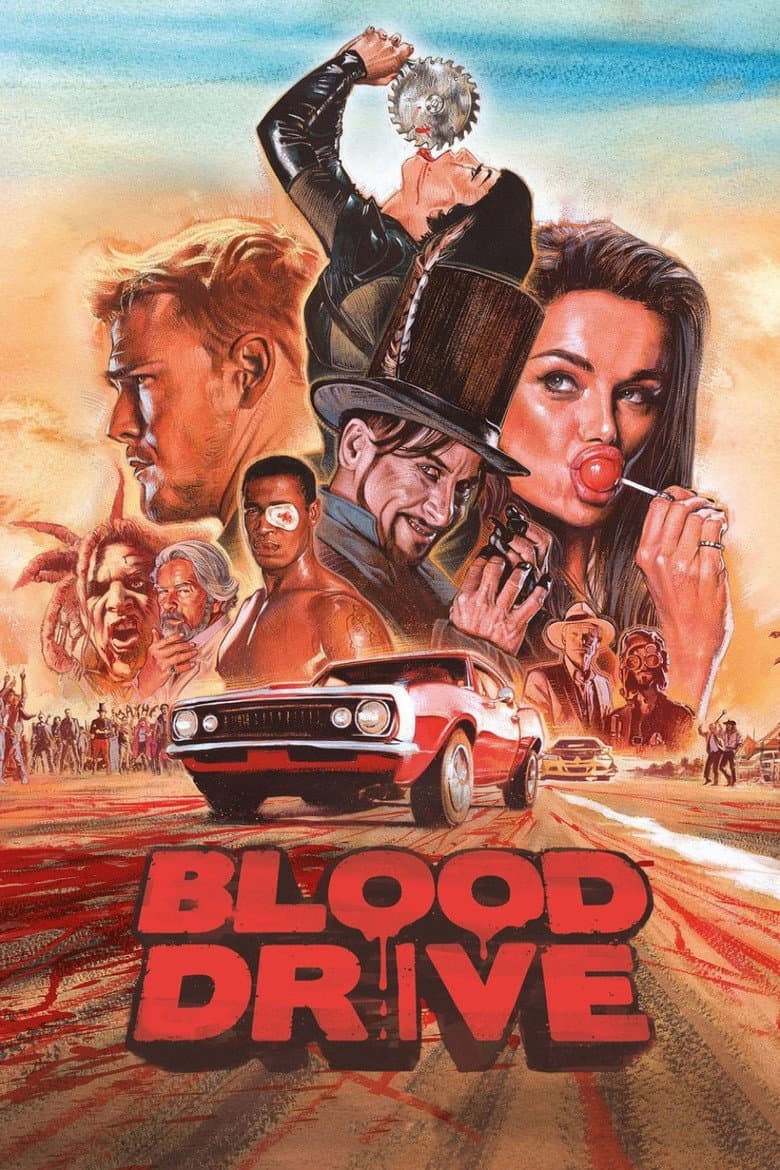
TV Show · 2017
Set in a near-dystopian future, a former cop is forced to take part in a death race where the cars run on human blood. You lose a leg and you lose your head.
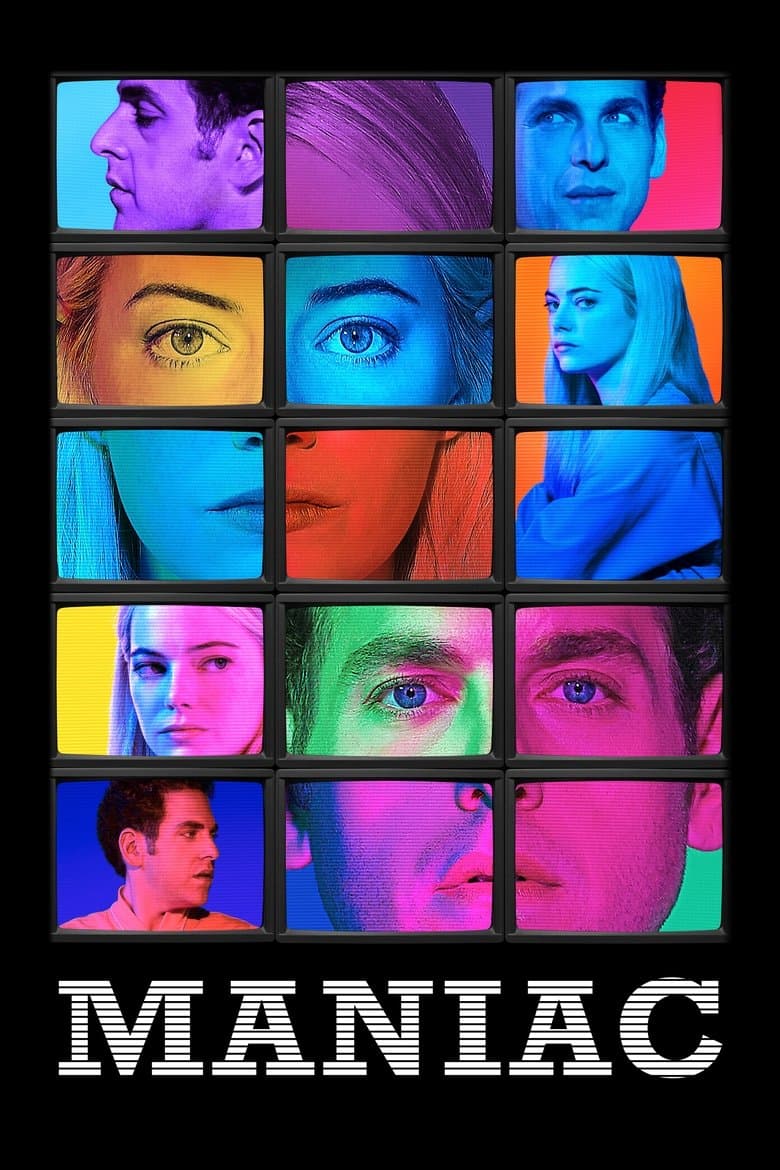
TV Show · 2018
Two strangers are drawn to a mysterious pharmaceutical trial that will, they're assured, with no complications or side-effects whatsoever, solve all of their problems…
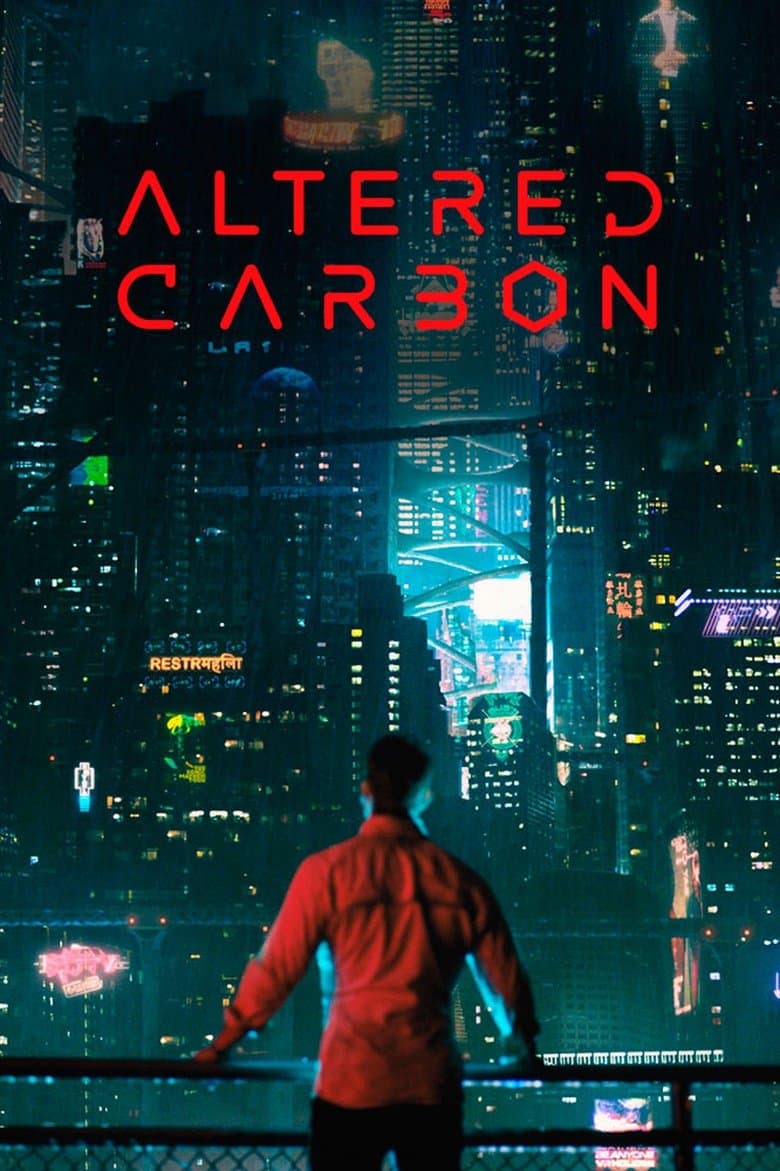
TV Show · 2018
After 250 years on ice, a prisoner returns to life in a new body with one chance to win his freedom: by solving a mind-bending murder.
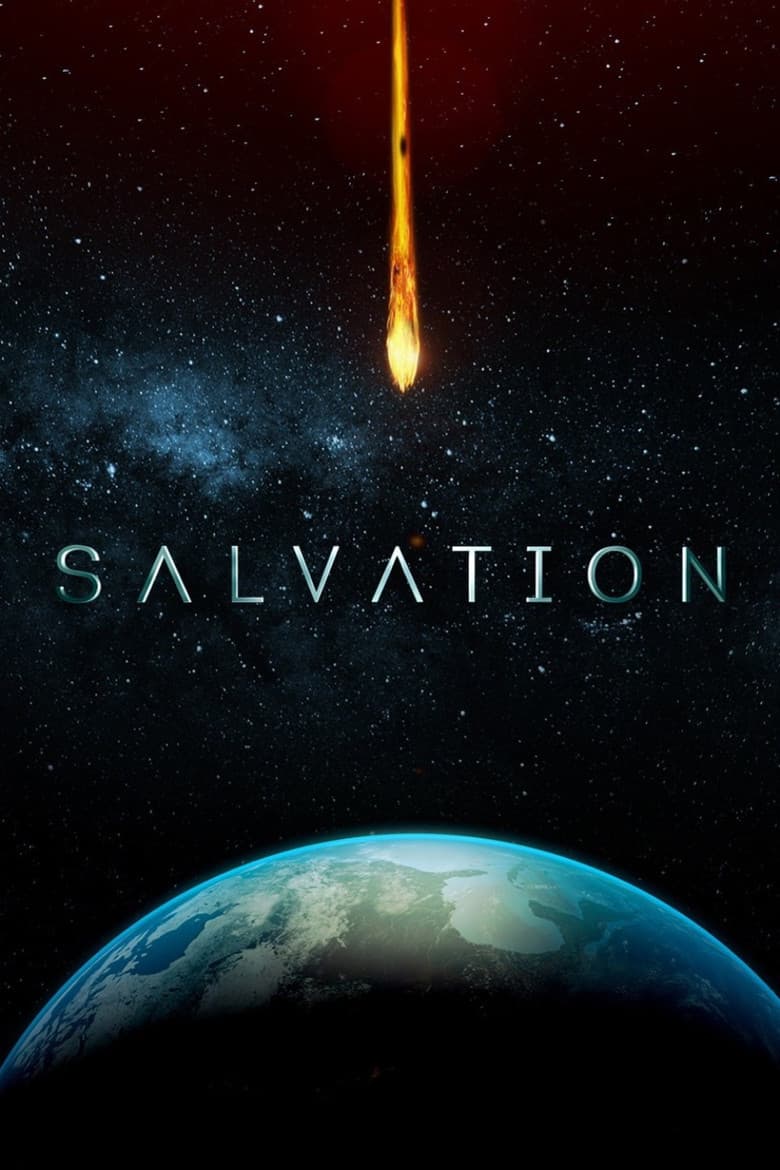
TV Show · 2017
An MIT grad student and a tech superstar bring a low-level Pentagon official a staggering discovery that an asteroid is just six months away from colliding with Earth.
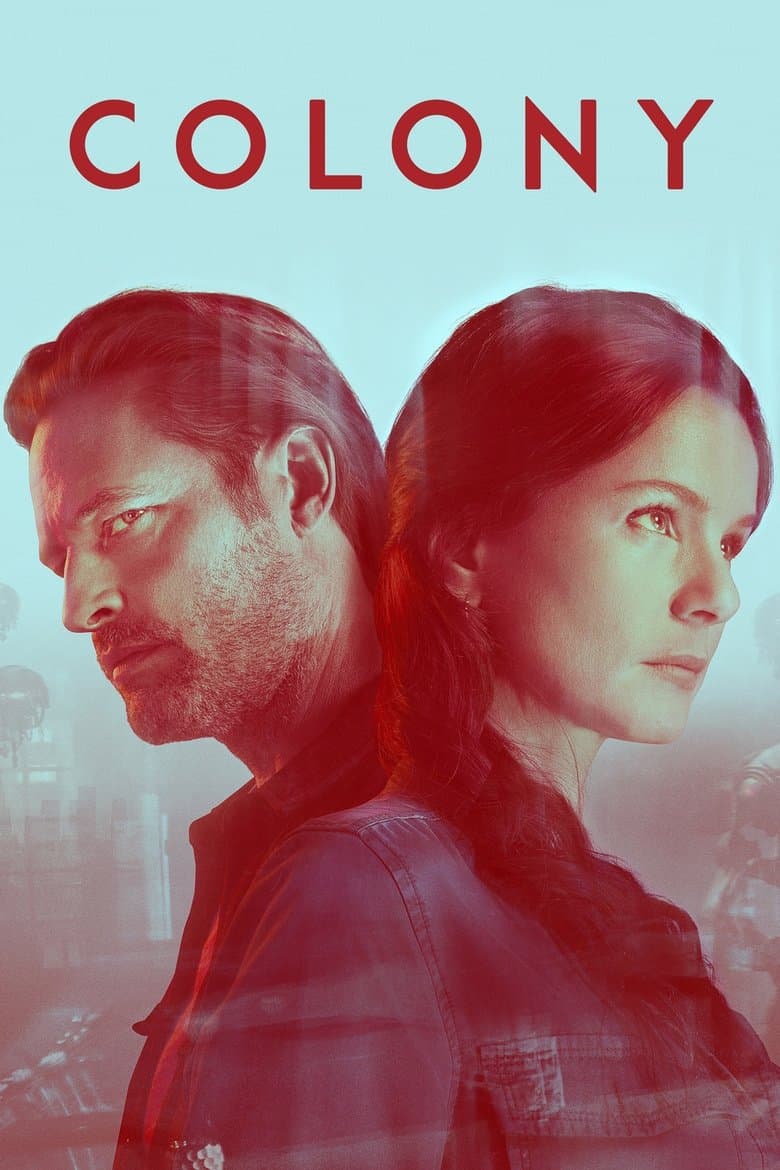
TV Show · 2016
In the near future a family must make difficult decisions as they balance staying together with trying to survive.
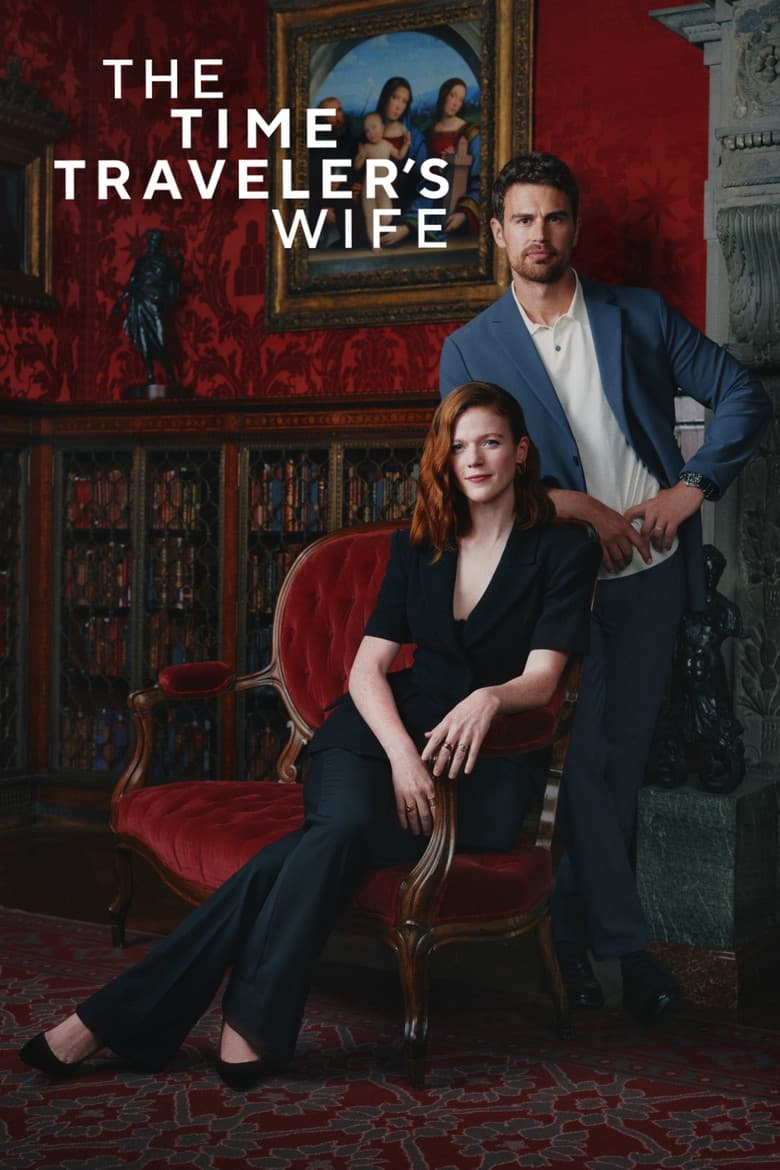
TV Show · 2022
The intricate and magical love story of Clare and Henry, and a marriage with a problem… time travel.
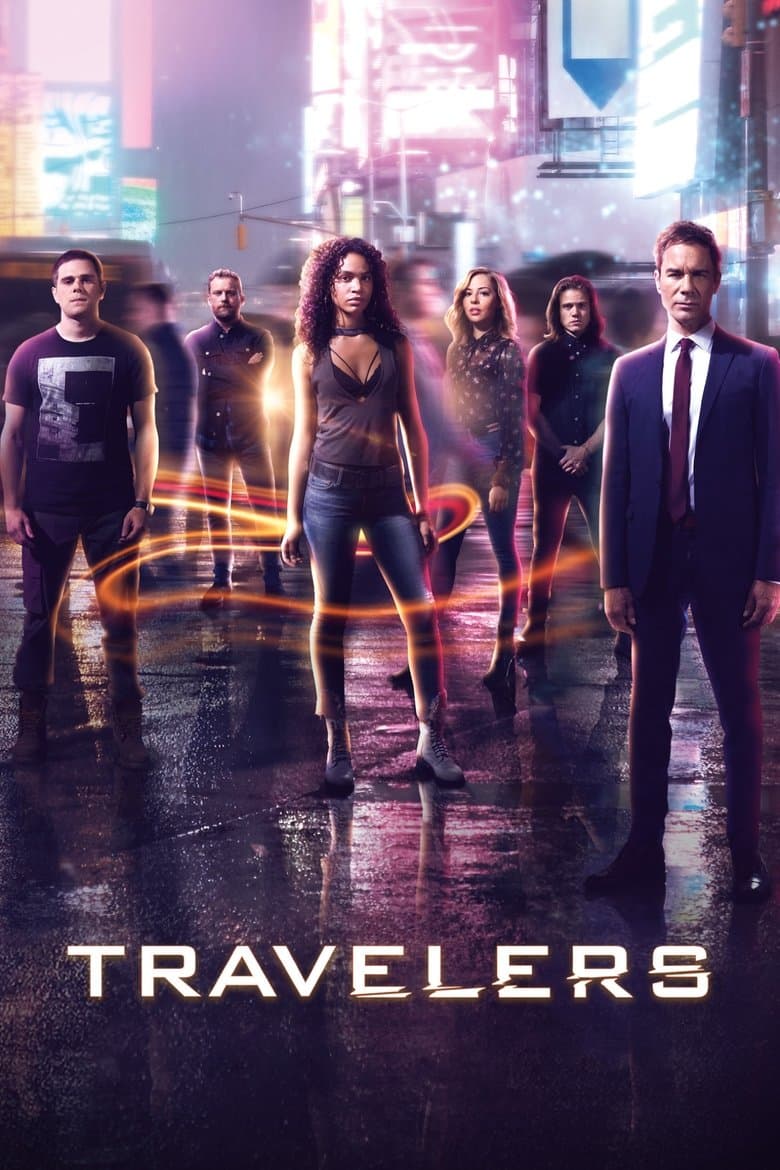
TV Show · 2016
Hundreds of years from now, the last surviving humans discover the means of sending consciousness back through time, directly into people in the 21st century.
TV Show · 2021
Interconnected phone conversations chronicle the mysterious story of a group of strangers whose lives are thrown into disarray in the lead-up to an apocalyptic event.
