Started January 3, 2021 · Canceled · Based on 5 seasons, 97 episodes through September 14, 2025 · TV-14 · 23 min
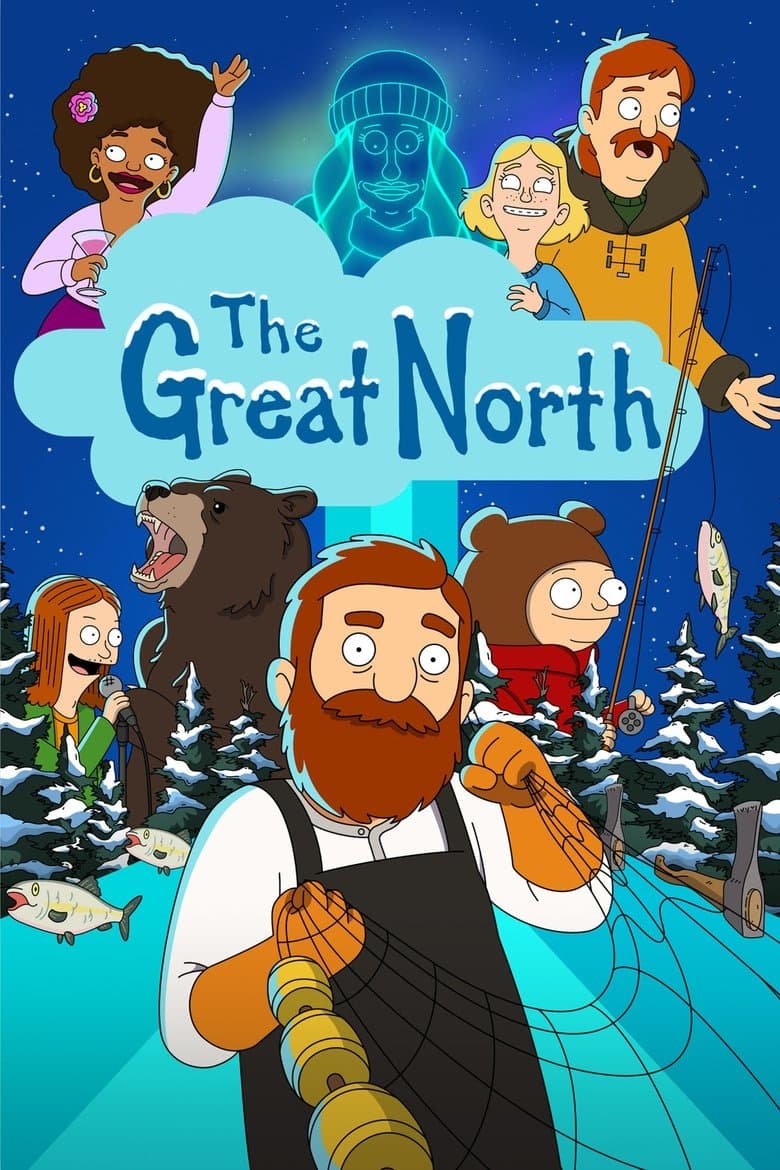
The Great North follows Beef Tobin, a divorced fisherman and single father who lives with his four children in Lone Moose, Alaska. Beef wants to keep his family close after their mother leaves, but Judy wants an artistic life beyond the fishing boat while Wolf, Ham, and Moon chase their own strange goals. The family faces moose, blizzards, school drama, dating problems, and wild town traditions. The show uses gentle adult comedy, songs, fantasy, and warm family stories.
The show makes identity a regular part of its family and town stories. Ham is openly gay from the first episode, dates Crispin, kisses him in a major early episode, and later explores a breakup and new attraction. Aunt Dirt is a lesbian who learns to live openly, dates women, and builds a relationship with Gloria, while Londra is also a lesbian. The show gives Kima an Indigenous Alaskan background, presents her family’s history, changes prom titles to gender-neutral names, and makes climate change and oil damage part of major plots. These ideas matter across several seasons, but the series stays mainly a goofy family comedy rather than a political drama.
Community feedback
Was our 55% Woke rating accurate?
Breakdown
These are the editorial factors and ratings behind our score for The Great North.
Woke representation / casting
The main family is mostly white, but Honeybee is a prominent black woman from Fresno who marries Wolf and joins the central household. Kima is a Native Alaskan friend whose family and community receive recurring roles. The show also uses Alaska native actors and presents that choice as representation. The pattern is visible, but the cast is not built around identity in every major role.
43%
Woke political dialogue
The show gives Ham and Crispin a spoken win when they change Prom King and Queen to Prom President and Vice President. Kima presents Elizabeth Peratrovich’s Indigenous rights speech and calls out a bigoted lawmaker. Judy speaks against Alaska oil checks and the oil industry, while later episodes connect business waste to climate change. These lines and speeches appear in several seasons, but they do not control most episodes.
41%
Identity-driven story themes
Ham’s gay identity runs from the opening episode through his romance with Crispin, the town’s gay history, his breakup, and his later dating questions. Aunt Dirt’s lesbian story grows across Seasons 4 and 5 as she learns to live openly and dates women. Londra is a lesbian, and the show gives Kima a Native Alaskan identity story about her history and rights. The series also often lets Judy, Honeybee, and other women lead plans, work, and public roles. These themes recur, but the main story remains family comedy.
50%
Western institutional / cultural critique
The show blames an oil industry for damage in one story and links buried meat waste to climate change in a two-part disaster. Judy also attacks old school rules about period supplies, and Kima confronts a lawmaker who opposes Indigenous rights. Aunt Dirt’s old sexist views are played as foolish while the modern town accepts queer women. These ideas give the show a mild activist edge, but it does not make broad attacks on Christianity, men, capitalism, or Western society.
31%
Woke character or canon changes
Not relevant. The show is an original series with no outside source story or established cast to rewrite. Its gay version of the town legend is an in-story reveal.
0%
Anti-woke backlash and complaints
A tiny anonymous X account called the show an “ultra woke” Bob’s Burgers follow-on. The account tied that complaint to LGBTQ holiday episodes and said it wanted older adult animation. The post had about 37 views and no engagement. No broad boycott, campaign, or major news backlash appeared.
7%
Creator track record context
The Molyneux sisters have a long record of female-centered comedy and inclusive family stories. Loren Bouchard has a repeated record of LGBTQ and wider diversity themes in his shows. Asha Michelle Wilson and Damil Bryant also have public representation-focused work. Minty Lewis and most listed directors and writers have little public activist record, so the context is moderate rather than dominant.
44%
Production
TV Show · 2021
A secret life is the one thing they have in common. At school, Hori is a prim and perfect social butterfly, but the truth is she's a brash homebody.

TV Show · 2018
Puberty Syndrome—a rumored, mysterious syndrome that only affects those in their puberty. For example, a bunny girl suddenly appeared in front of Sakuta Azusagawa.

TV Show · 2019
Considered a genius due to having the highest grades in the country, Miyuki Shirogane leads the prestigious Shuchiin Academy's student council as its president, working alongside…
TV Show · 2018
An eager young rookie joins the ragtag small-town police force led by his dad as they bumble, squabble and snort their way through a big drug case.
TV Show · 2020
A surreal take on transitioning from 20-something to 30-something centering on a married couple juggling such everyday challenges as parenthood, friendship, ham theft, stripper…
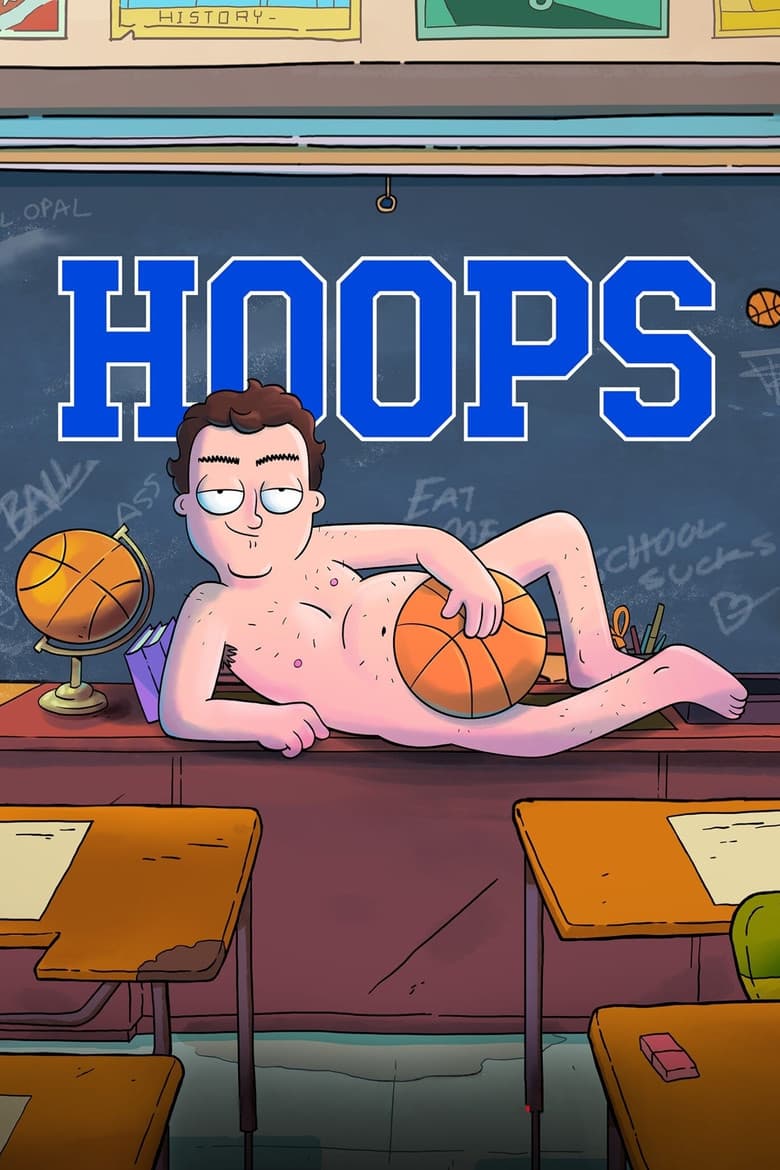
TV Show · 2020
A foul-mouthed high school basketball coach is sure he'll hit the big leagues if he can only turn his terrible team around. Good luck with that.
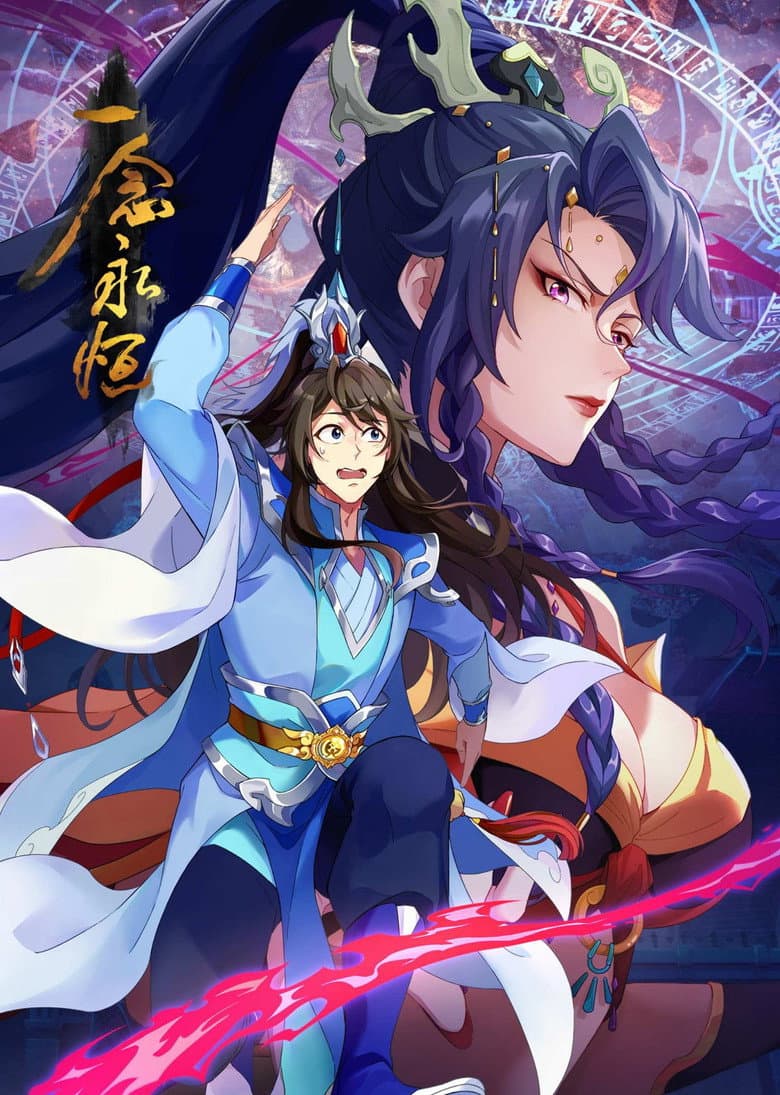
TV Show · 2020
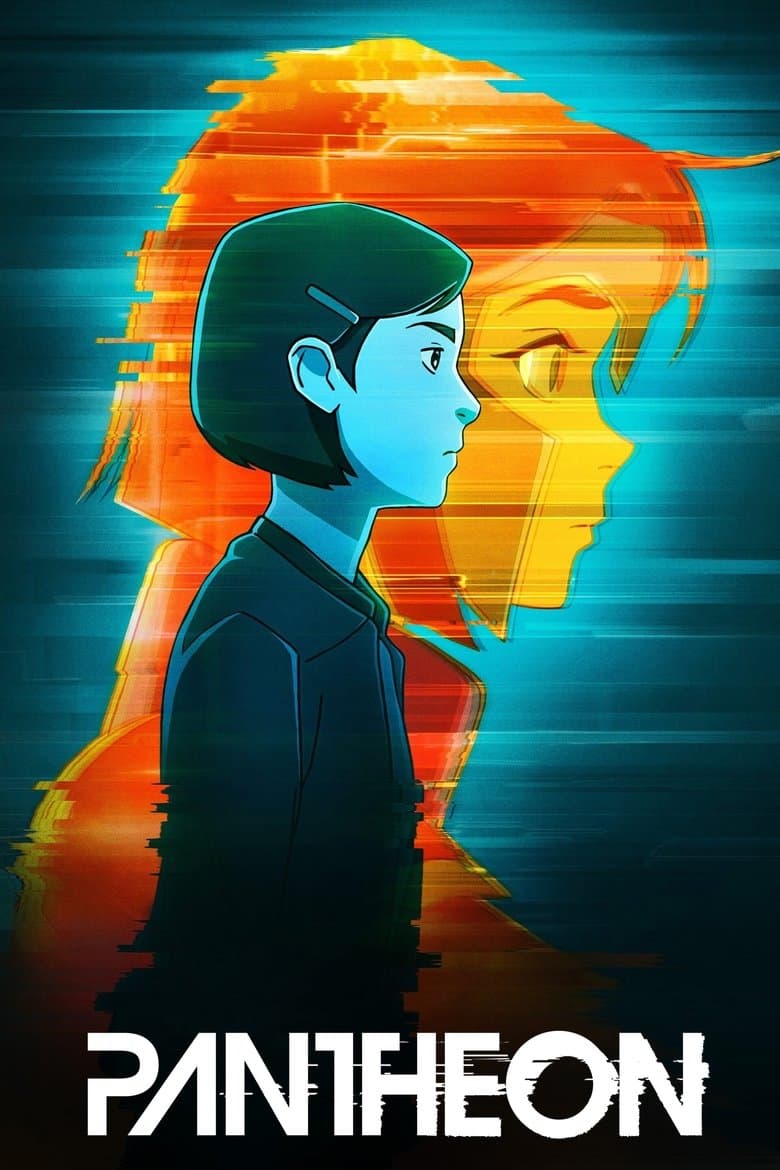
TV Show · 2022
A bullied teen receives mysterious help from someone online: a stranger soon revealed to be her recently deceased father, David, whose consciousness has been uploaded to the Cloud…
