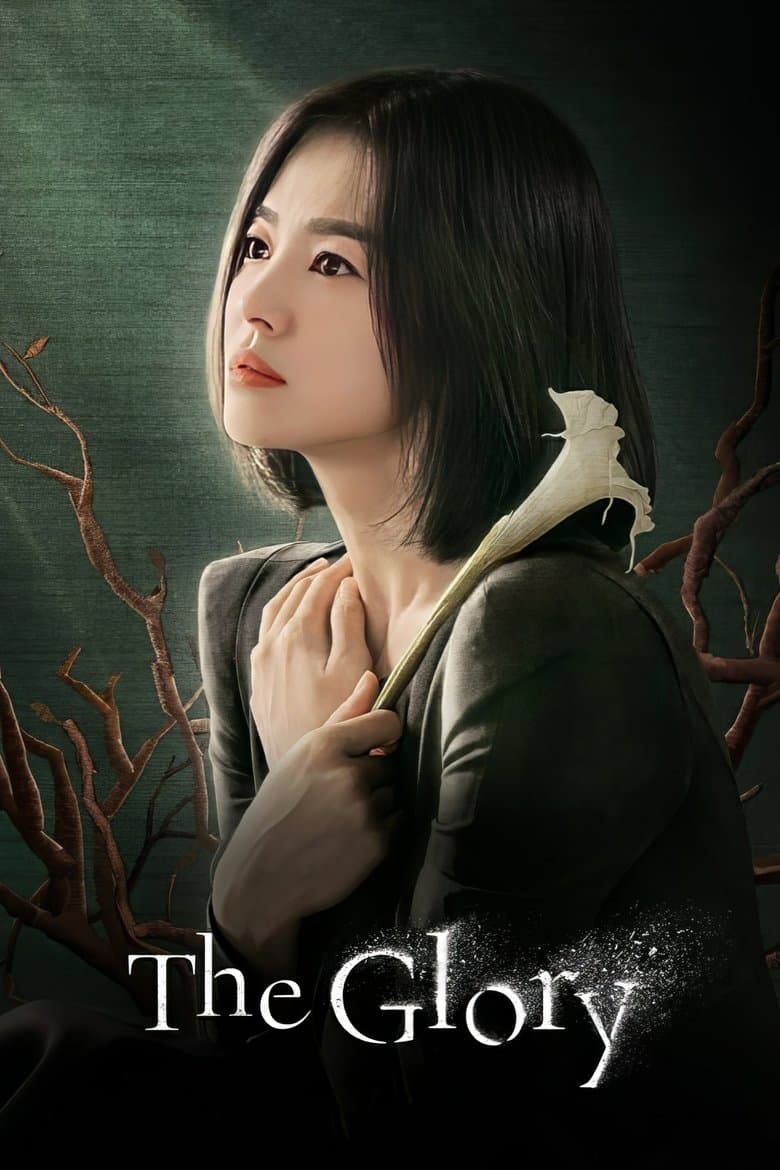
Started December 30, 2022 · Ended · Based on 1 season, 16 episodes through March 10, 2023 · TV-MA · Korean
Moon Dong-eun is a quiet woman who survived cruel abuse at a South Korean high school. The wealthy students who hurt her grew up with good jobs, money, and clean public lives, while Dong-eun spent years working and planning. She becomes a teacher at the school attended by one bully’s daughter and slowly moves into the group’s adult lives. The show is a dark revenge drama with harsh violence, murder, sex, drugs, and a tense but sometimes tender romance.
The main woke element is a strong woman-centered story about power, abuse, and revenge. Dong-eun leads the plan, and women who were harmed by men or by the same bully group help one another without waiting for male rescue. The story also shows a poor victim being blocked by teachers, police, and rich families, so private revenge becomes the answer when public justice fails. It treats school violence, class privilege, male sexual abuse, and the lasting damage to victims as serious social problems, but it does not make modern party politics or identity debate the main subject.
Community feedback
Was our 33% Woke rating accurate?
Breakdown
These are the editorial factors and ratings behind our score for The Glory.
Woke representation / casting
Not present. The cast is Korean, which fits the modern South Korean setting. The women and men hold jobs and family roles that fit the story. The show does not frame its casting as a diversity campaign or a wider identity statement.
0%
Woke political dialogue
Not present. The characters discuss bullying, abuse, class power, faith, and revenge rather than modern identity politics or activist policy. No repeated lines promote DEI, gender ideology, or a political movement.
0%
Identity-driven story themes
Dong-eun builds the entire revenge plan and controls the main conflict. Hyeon-nam and Gyeong-ran are women who have suffered abuse, and they help Dong-eun while she helps them. Yeo-jeong supports her plan and calls himself her executioner, while several men act as abusers or obstacles. The series repeatedly presents female agency, female solidarity, and male abuse as major parts of its emotional message.
48%
Western institutional / cultural critique
The school, police, and rich families repeatedly protect abusers instead of the victim. Several men show sexual entitlement, violence, or abuse toward women. A pastor’s family is shown as corrupt and hypocritical. The story creates a mild critique of power, male abuse, class privilege, and religious hypocrisy, but it does not present a broad attack on Western institutions or a modern political program.
25%
Woke character or canon changes
Not relevant. The series is an original story about fictional people, so it does not change an established character, canon, or real historical figure.
0%
Anti-woke backlash and complaints
Not present. Public debate focused on school violence, graphic revenge, and production conduct. No strong anti-woke complaints about DEI, identity politics, or left-wing messaging were found.
0%
Creator track record context
Kim Eun-sook has a cached score of 17/100 and often writes about women, trauma, class inequality, abuse, and justice. Her title-related interviews connect this show to research on school violence and to female solidarity between victims. An Gil-ho and producers Kim Young-kyu and Yoon Ha-lim have much lower cached scores and no clear activist or DEI public record in the supplied context. This background supports a mild creator track record context rather than a strong identity-driven pattern.
17%
Production
TV Show · 2026
As the Kargil War erupts between India and Pakistan, the Golden Arrows squadron of the Air Force takes flight on a dangerous mission behind enemy lines.
TV Show · 2019
In the 1960s, Israeli clerk-turned-secret agent Eli Cohen goes deep undercover inside Syria on a perilous, years-long mission to spy for Mossad.
TV Show · 2021
Follow the Dutton family as they embark on a journey west through the Great Plains toward the last bastion of untamed America.
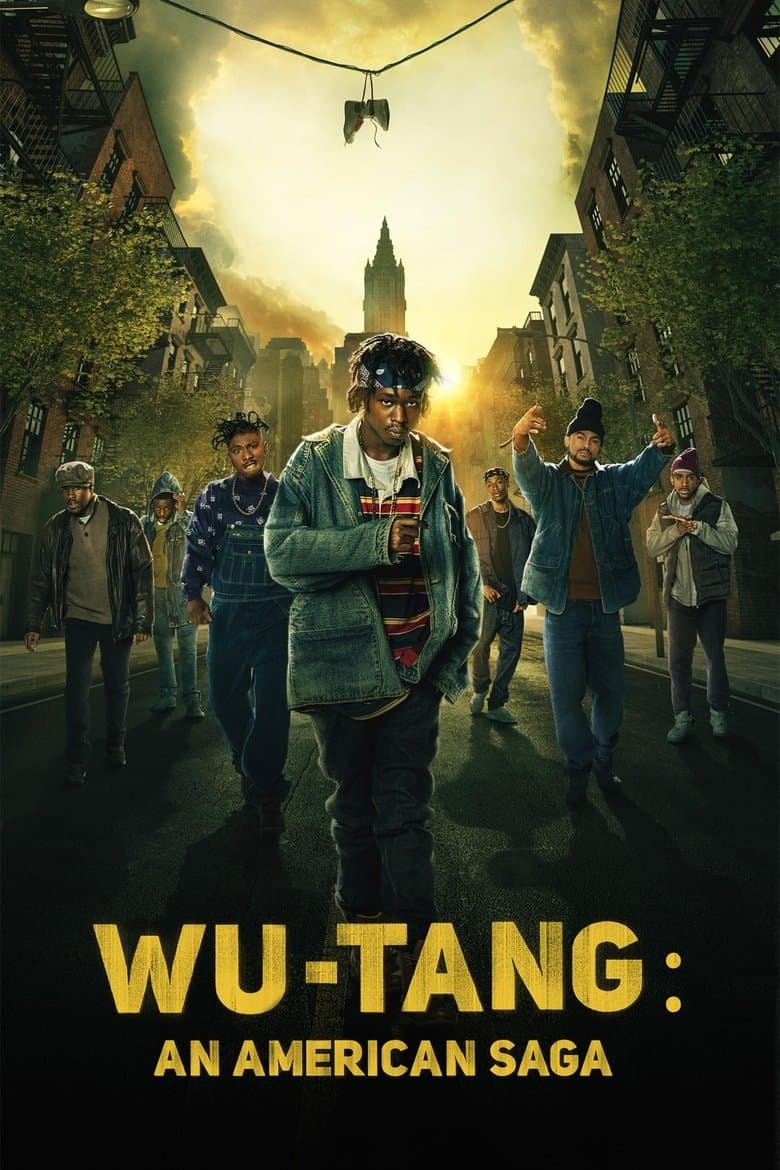
TV Show · 2019
In the early 1990s in New York, during the height of the crack cocaine epidemic, a visionary musician named Bobby Diggs aka The RZA begins to form a super group of a dozen young…
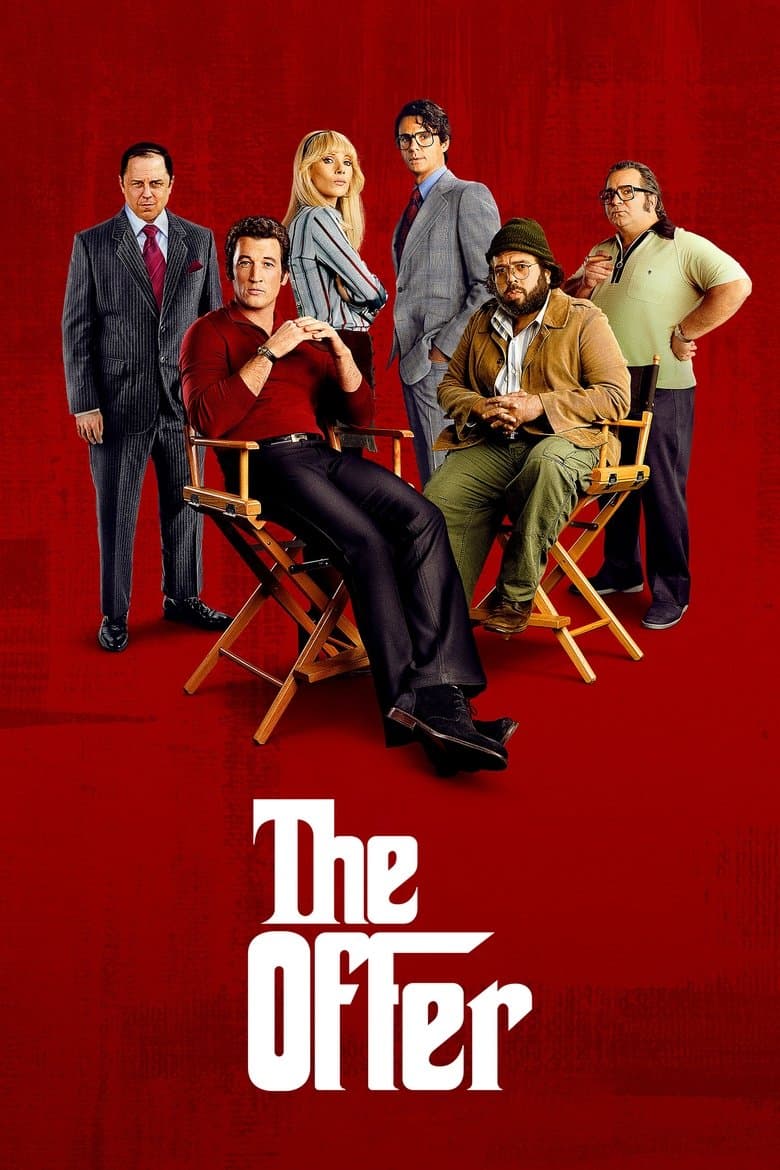
TV Show · 2022
Oscar-winning producer Al Ruddy’s never before revealed experiences of making the iconic 1972 film The Godfather that Francis Ford Coppola directed and adapted with Mario Puzo.
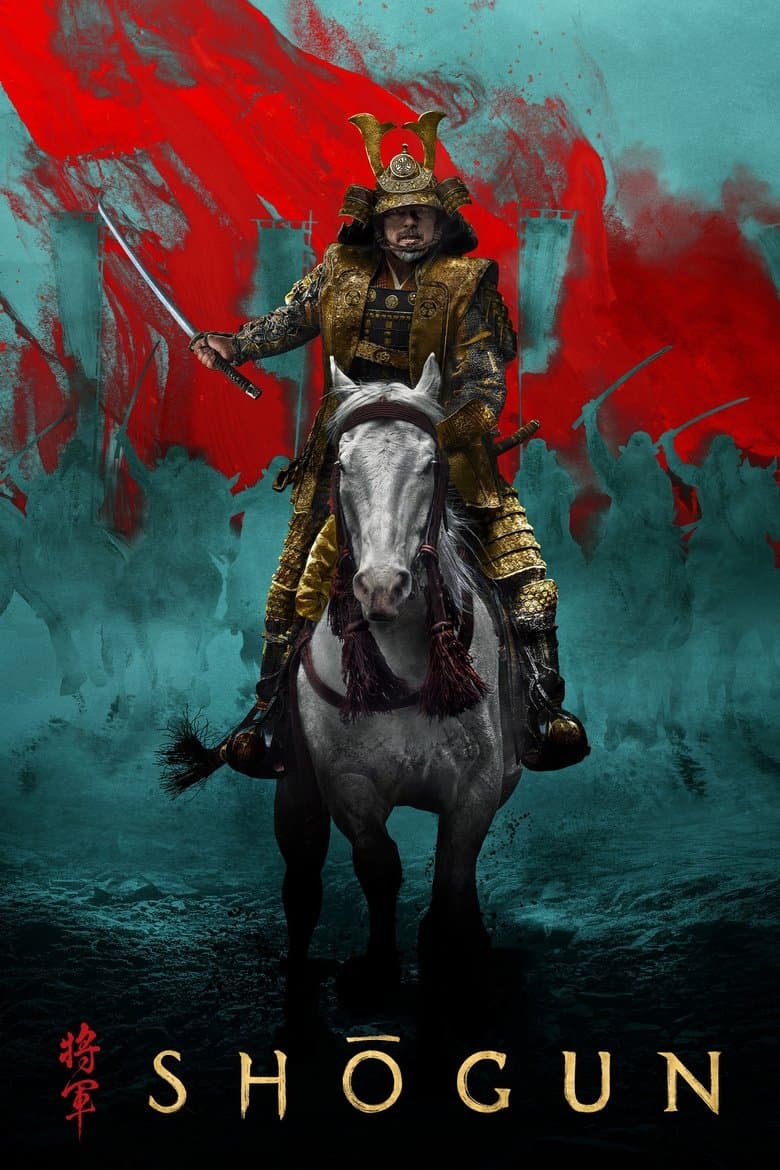
TV Show · 2024
In Japan in the year 1600, at the dawn of a century-defining civil war, Lord Yoshii Toranaga is fighting for his life as his enemies on the Council of Regents unite against him…

TV Show · 2024
Fascinated by cars since childhood, Brazilian racer Ayrton Senna became a sports legend — until tragedy struck, changing Formula 1 forever.
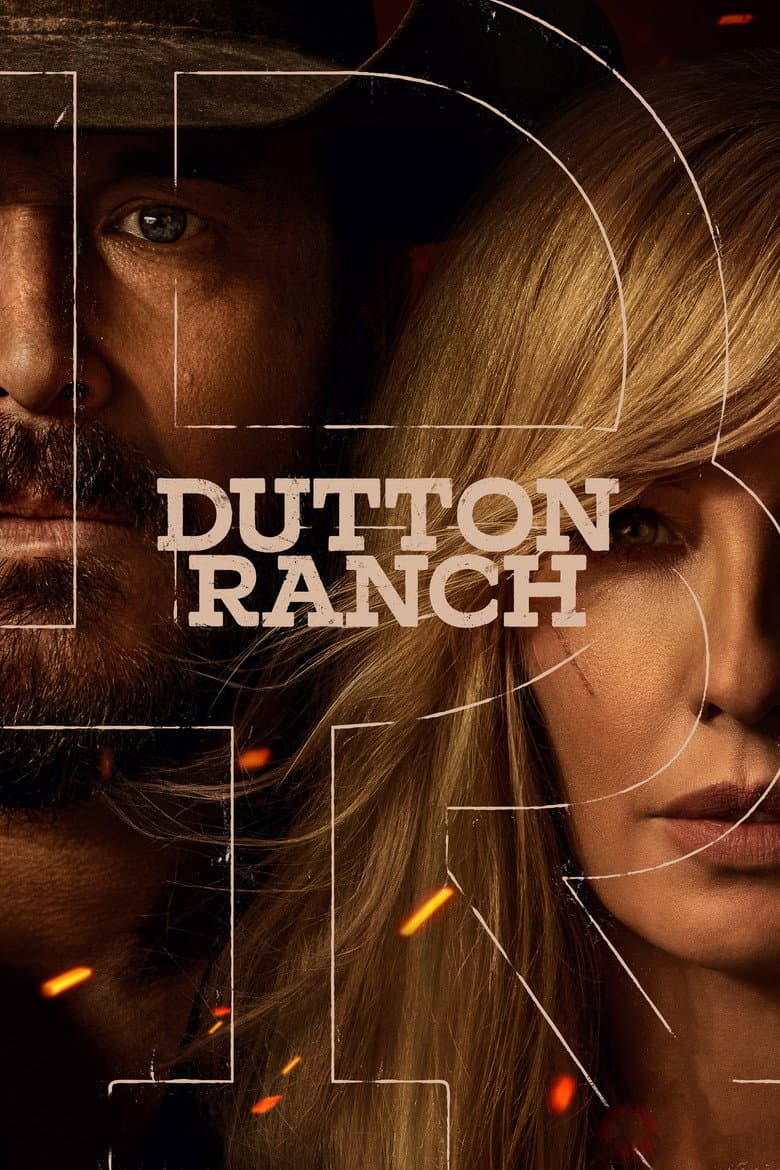
TV Show · 2026
Rip Wheeler and Beth Dutton gamble everything on a new life in South Texas, but the promise of building a future far from the ghosts of Yellowstone quickly collides with brutal…
