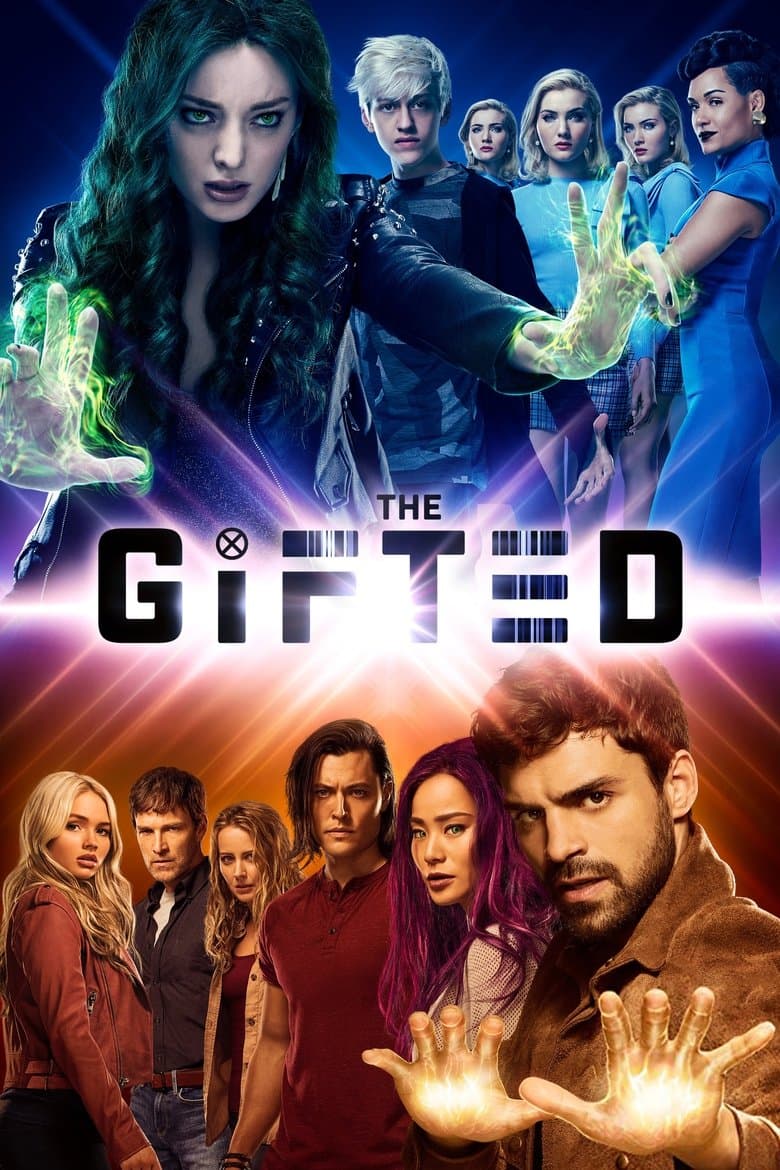
Started October 2, 2017 · Canceled · Based on 2 seasons, 29 episodes through February 26, 2019 · TV-14 · 45 min
A suburban family learns their two children have powerful mutant abilities and must flee government agents hunting people like them. They join a secret network of mutants trying to survive and help others in hiding. The series builds on the long-running X-Men idea of mutants facing fear and discrimination because they are different. In the second season, groups of mutants argue over whether to hide and help individuals or fight more aggressively for a separate future, with some real-world prejudice mixed into the mutant story.
Community feedback
Was our 34% Woke rating accurate?
Breakdown
These are the editorial factors and ratings behind our score for The Gifted.
Woke representation / casting
Diverse actors appear in prominent mutant roles, including Jamie Chung as Blink (Asian-American character and core underground member) and Sean Teale as Eclipse (Latino-background character in a leadership position with smuggling backstory), plus Grace Byers as powerful Reeva Payge in season 2; the white Strucker family anchors the lead story while the mutant "otherness" group features visible mix, fitting the allegory without dominant quota-style or girlboss signaling in heroic leads.
31%
Woke political dialogue
Characters discuss prejudice, fear of the different, government pursuit, and survival choices, with season 2 adding explicit references to real-world racism experiences before mutant revelation (per creator comments on multiracial hate and pre-mutant discrimination); messaging stays within superhero drama framing and creator stated intent to avoid simplistic takes.
22%
Identity-driven story themes
The entire premise and character arcs center on mutants as a persecuted genetic minority facing societal fear, hostile laws, and the need for hidden networks or a homeland, with season 2 foregrounding internal debates over moderate aid versus militant separatism and identity-based futures; this is the core narrative engine across both seasons.
30%
Western institutional / cultural critique
Government agencies like Sentinel Services and related policies are shown as oppressive hunters stripping normal life and using fear to control a minority group, drawing on authoritarian overreach themes; the story counters this with positive emphasis on family loyalty and personal bonds rather than broad attacks on Western culture, patriarchy, or traditional institutions.
20%
Woke character or canon changes
Supporting mutants include original TV characters like Eclipse with ethnic-tied backstories and Reeva Payge as a black female extremist leader; Thunderbird casting (Blair Redford, mixed heritage claims versus comics native American origin) drew limited whitewashing notes; no major ideological identity swaps or reframings of established core canon figures for modern activist purposes.
0%
Anti-woke backlash and complaints
No significant social media campaigns, news articles, or critic piles treating the show as agenda-driven woke, DEI, or left political content during or after its run; discussions stayed on story, effects, family focus, and X-Men fit, with cancellation attributed to ratings rather than cultural pushback.
0%
Creator track record context
Core team includes low-signal veterans like Stan Lee, Jack Kirby, and Simon Kinberg with classic humanist or franchise backgrounds, plus moderate progressive notes from figures like Jonathan Frakes, Lauren Shuler Donner, and Rashad Raisani on inclusion or perspective; higher guild/diversity involvement from Karen Gaviola and emerging inclusive patterns from Melinda Hsu Taylor in later work exist alongside non-activist action and business-oriented producers like Len Wiseman, Jeph Loeb, and Alan Fine; overall stays closer to traditional superhero metaphor than repeated modern identity or DEI-centered output.
28%
Production
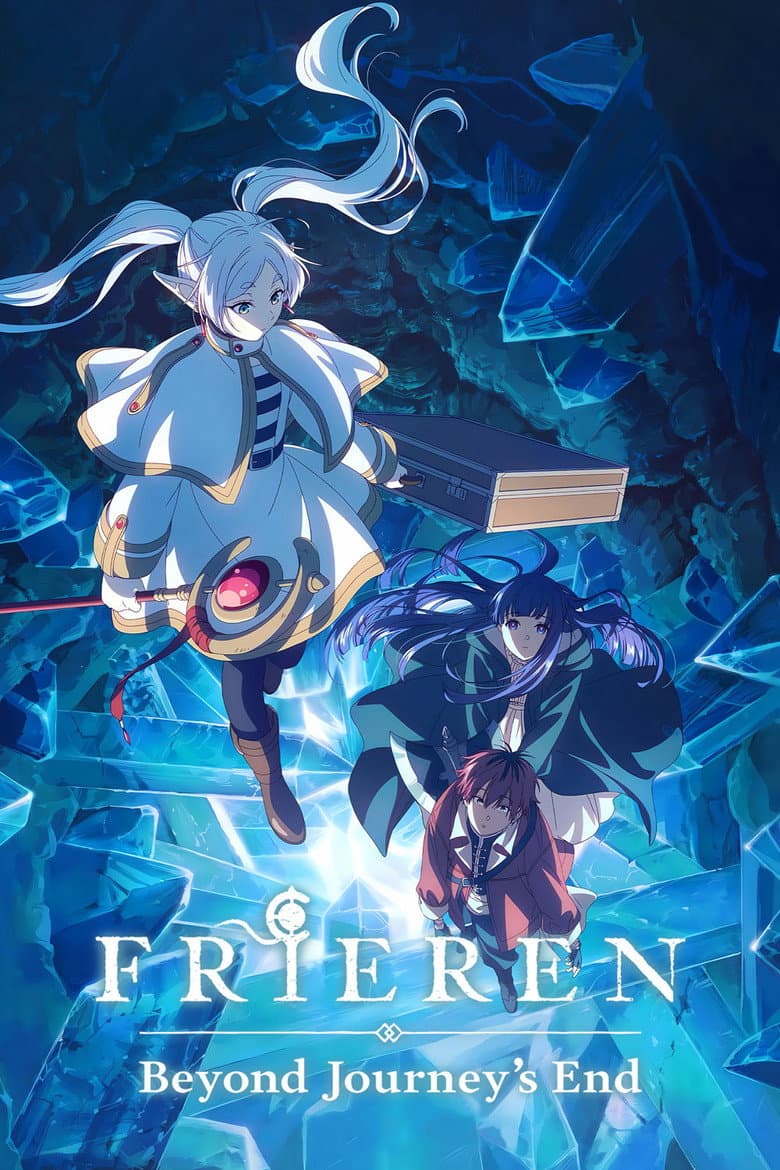
TV Show · 2023
After the party of heroes defeated the Demon King, they restored peace to the land and returned to lives of solitude.
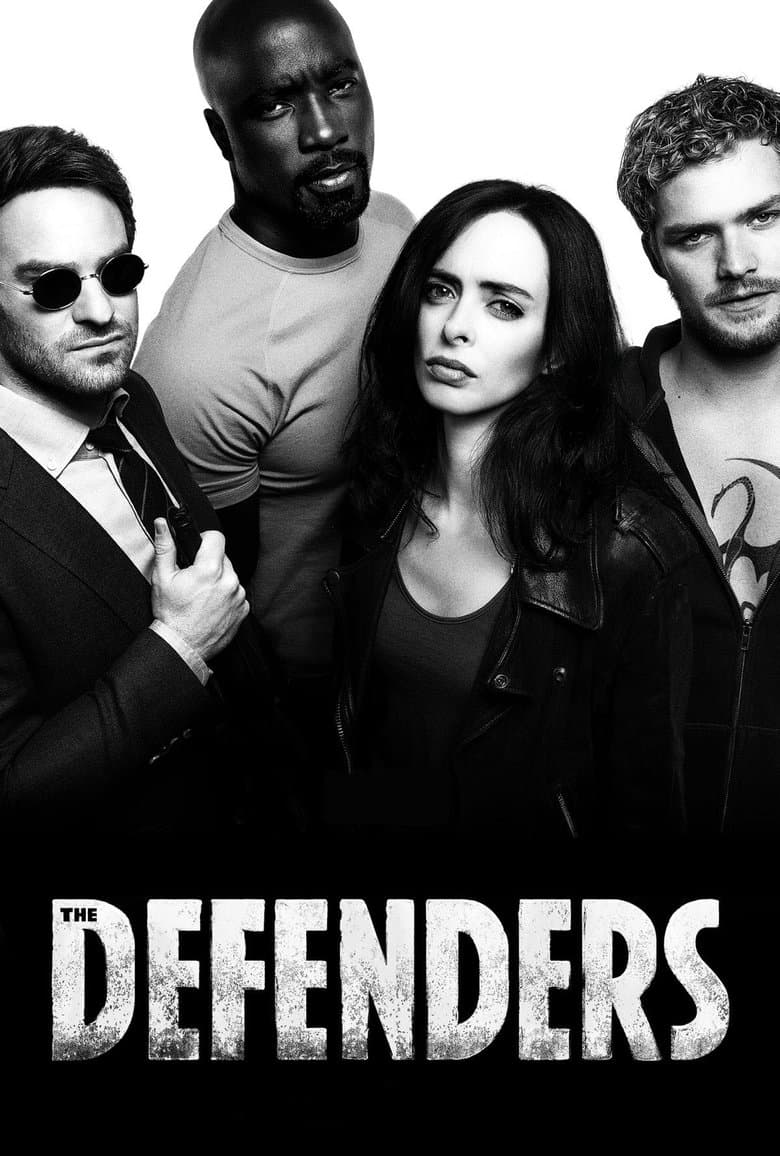
TV Show · 2017
Daredevil, Jessica Jones, Luke Cage and Iron Fist join forces to take on common enemies as a sinister conspiracy threatens New York City.

TV Show · 2017
Located in the center of a remote island, the Abyss is the last unexplored region, a huge and treacherous fathomless hole inhabited by strange creatures where only the bravest…

TV Show · 2022
A powerful sorceress in a blind woman's body encounters a man from a prestigious family, who wants her help to change his destiny.
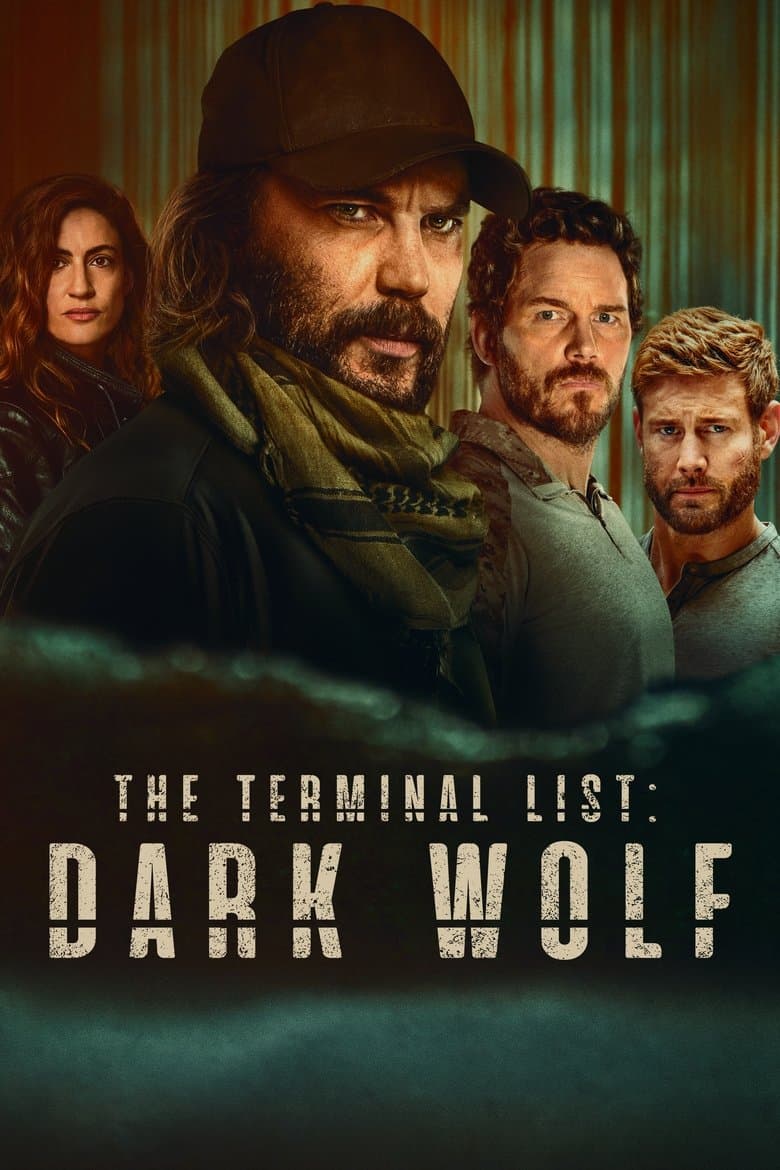
TV Show · 2025
Before The Terminal List, Navy SEAL Ben Edwards finds himself entangled in the black operations side of the CIA.
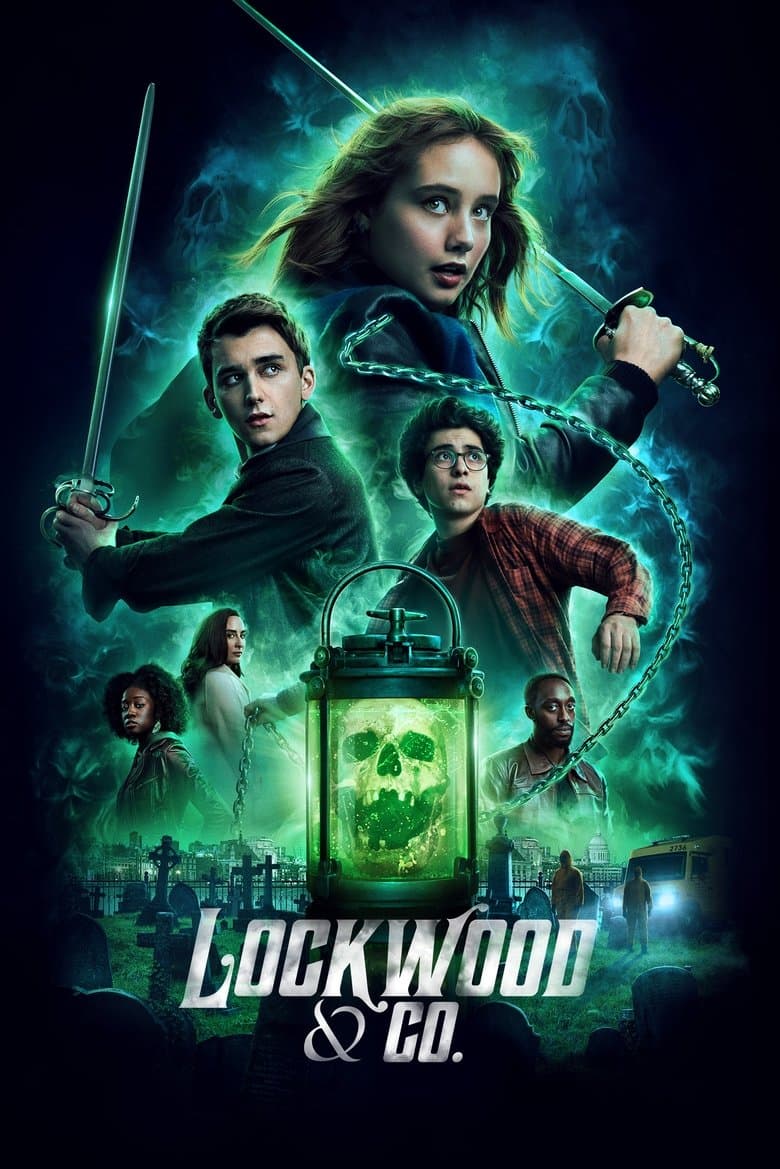
TV Show · 2023
A girl with extraordinary psychic abilities joins two gifted teen boys at a small ghost-hunting agency to fight the many deadly spirits haunting London.
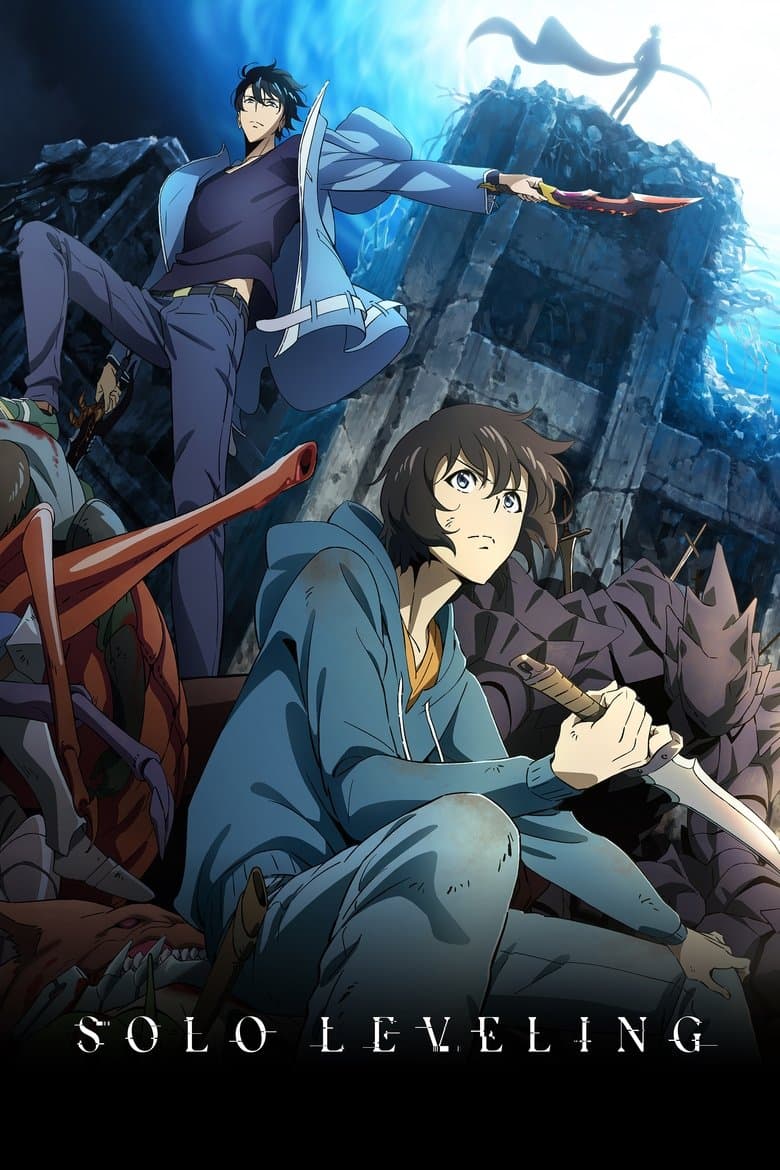
TV Show · 2024
They say whatever doesn’t kill you makes you stronger, but that’s not the case for the world’s weakest hunter Sung Jinwoo.
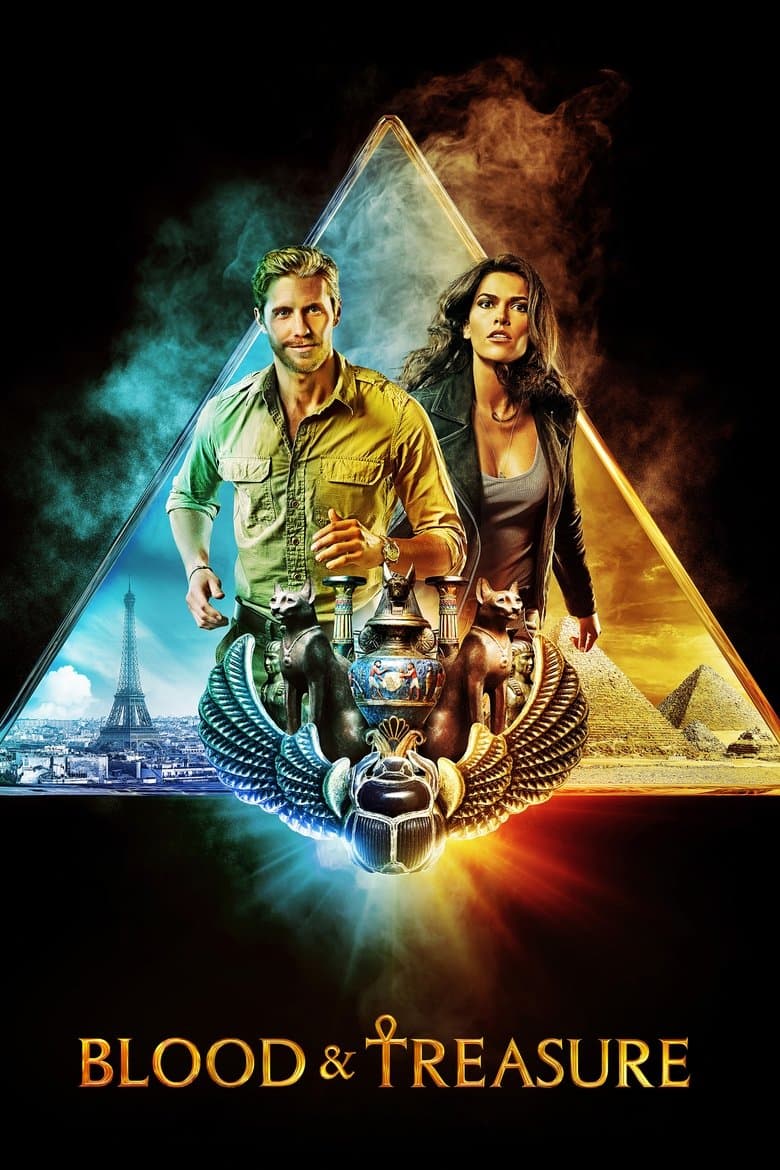
TV Show · 2019
An antiquities expert teams up with an art thief to catch a terrorist who funds his attacks using stolen artifacts.
