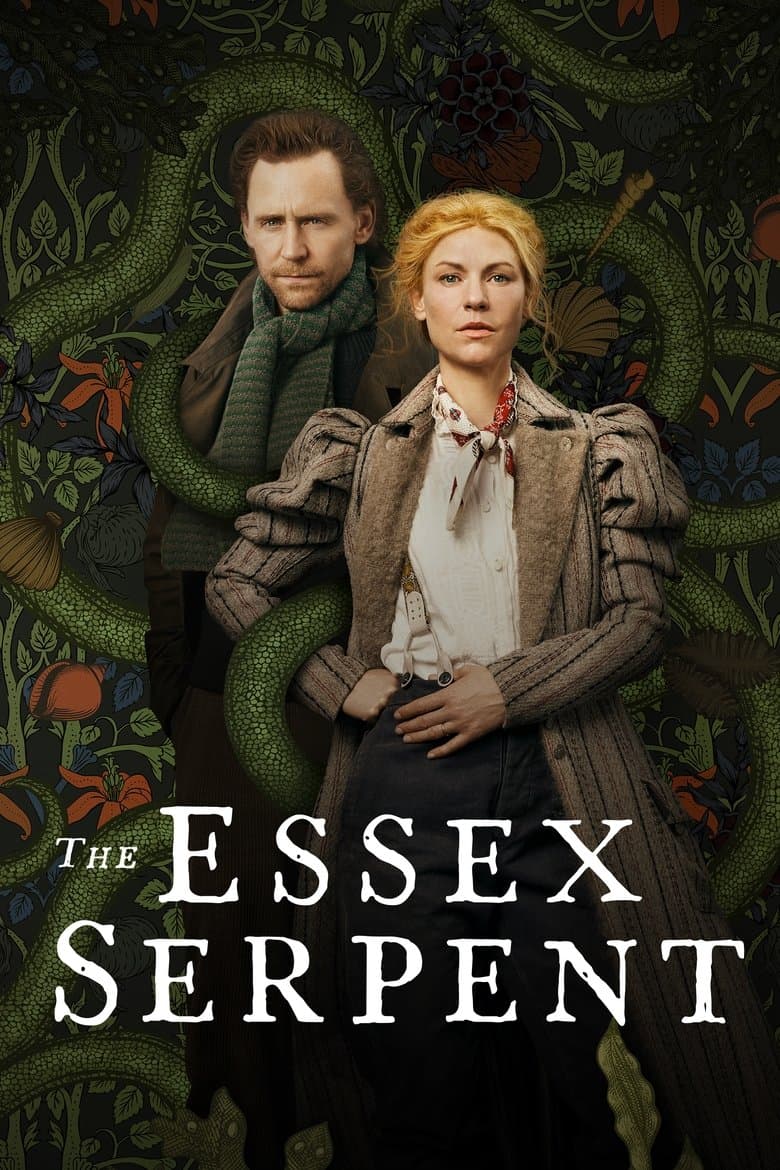
Started May 13, 2022 · Ended · Based on 1 season, 6 episodes through June 10, 2022 · TV-14
In 1893, Cora Seaborne leaves London after her cruel husband dies. The young widow travels to the Essex marshes with her son and companion Martha to study reports of a sea monster. She meets Will Ransome, a local pastor who rejects the creature but fears the panic around it. The six episodes mix dark mystery, romance, grief, and debates about science, faith, and fear.
The show makes Cora a bold woman who studies fossils, rejects control from men, and chooses a life outside polite society. Her past abuse shapes her choices, and the village often treats her independence as a threat. Martha openly supports socialism and fights for homes and medical help for poor workers and immigrants. The story also gives an important medical role to a black surgeon in London and presents new science and social change as hopeful forces, while treating Will’s faith with sympathy.
Community feedback
Was our 52% Woke rating accurate?
Breakdown
These are the editorial factors and ratings behind our score for The Essex Serpent.
Woke representation / casting
The main cast is mostly white, but Jamael Westman plays George Spencer, a skilled black surgeon in 1890s London. The series also follows a poor immigrant patient and his sister during the hospital plot. Anna Symon said the team used color-conscious casting to find people of color who were doctors at that time. The choice is audience-visible and tied to a recurring medical story, but it remains one important subplot rather than the show’s main subject.
42%
Woke political dialogue
The show repeatedly places science, faith, and socialism in direct conversation. Martha calls herself a socialist, reads Marx, and argues for better homes and care for poor workers. Cora and Will debate evidence, God, fear, and the need to accept uncertainty. The dialogue stays in the 1890s and does not become a direct modern political campaign.
34%
Identity-driven story themes
The show centers Cora’s escape from an abusive husband and her effort to live as a woman who studies science. Cora challenges the idea that a man must approve her choices, and the village blames a woman for fear it cannot explain. Martha argues for female equality while helping poor families, and the women around Cora have major story roles. These themes run through the full six-episode arc, but the story also gives Will and Stella sympathetic and complex views.
50%
Western institutional / cultural critique
The show treats Cora’s abusive marriage and Victorian limits on women as serious wrongs. The villagers use church fear to shame outsiders and punish people who do not fit their rules. The London medical world and wealthy officials also leave poor workers and immigrants without enough help. Will’s faith remains kind and open to science, so the series does not simply attack Christianity or every old institution.
38%
Woke character or canon changes
Not relevant. The TV version changes the novel’s ending and trims some side plots. The reported changes make the romance and plot clearer, not identity or DEI statements.
0%
Anti-woke backlash and complaints
Not present. Public complaints mainly target the slow pace, unclear monster story, and weak romance. No clear anti-woke or anti-DEI backlash was found.
0%
Creator track record context
The cached writer scores range from 15 to 40, with several writers known for women’s voices, feminist themes, or resistance to sexism. The cached casting director score is 53 because of inclusive casting work. Anna Symon also said the writing room was deliberately all female, and several producers have links to inclusion or queer-focused projects. This gives moderate creator track record context, while the show itself is not queer-centered.
35%
Production
TV Show · 2025
Tells the story of the ascent of the biblical figure, David, who becomes the most celebrated king of Israel. The series follows the once-mighty King Saul as he falls victim to his…
TV Show · 2025
"Legend of Zang Hai" follows the son of Imperial Astronomer Kuai Duo. Consumed by vengeance, he spends a decade honing his skills.
TV Show · 2019
The true story of one of the worst man-made catastrophes in history: the catastrophic nuclear accident at Chernobyl.
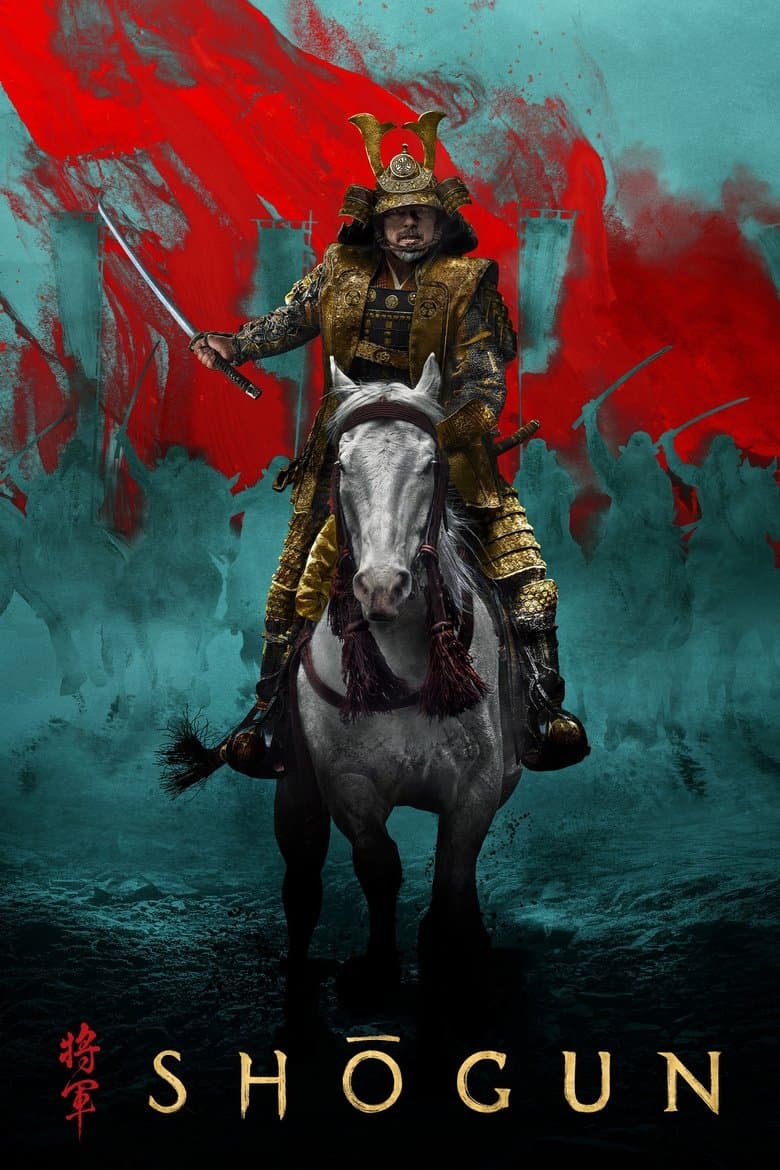
TV Show · 2024
In Japan in the year 1600, at the dawn of a century-defining civil war, Lord Yoshii Toranaga is fighting for his life as his enemies on the Council of Regents unite against him…
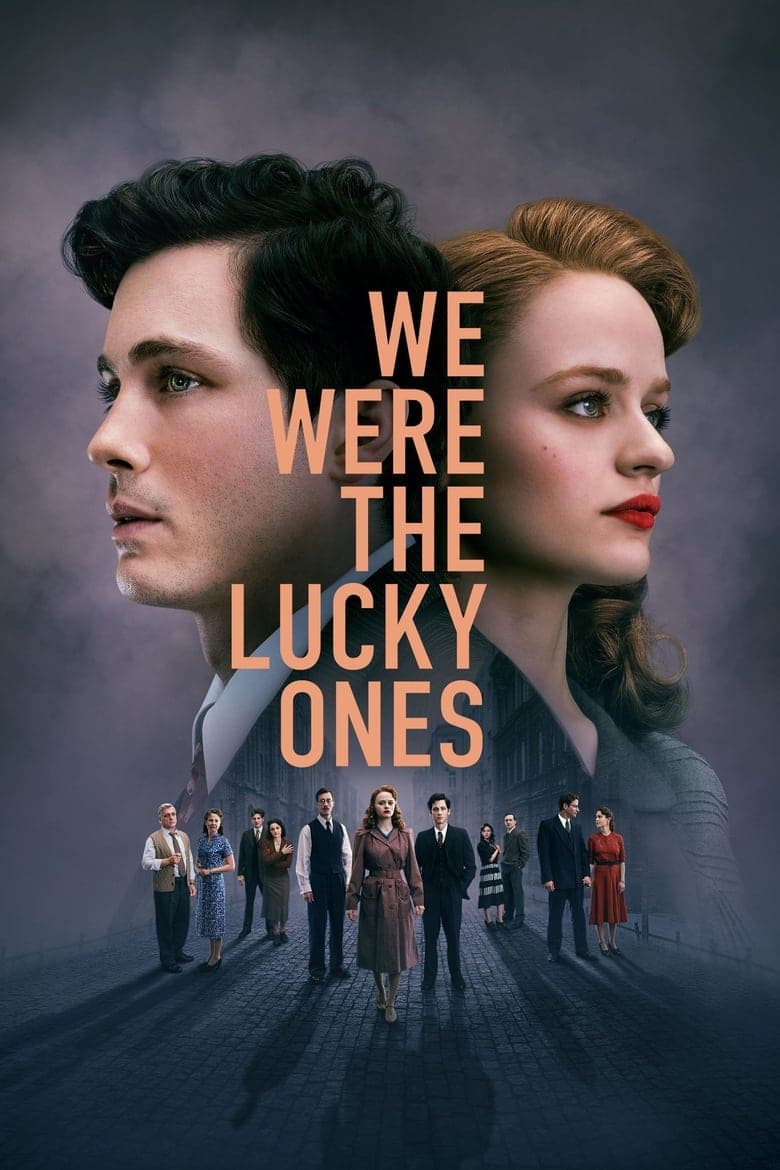
TV Show · 2024
The true story of one Jewish family separated at the start of World War II, determined to survive—and to reunite.
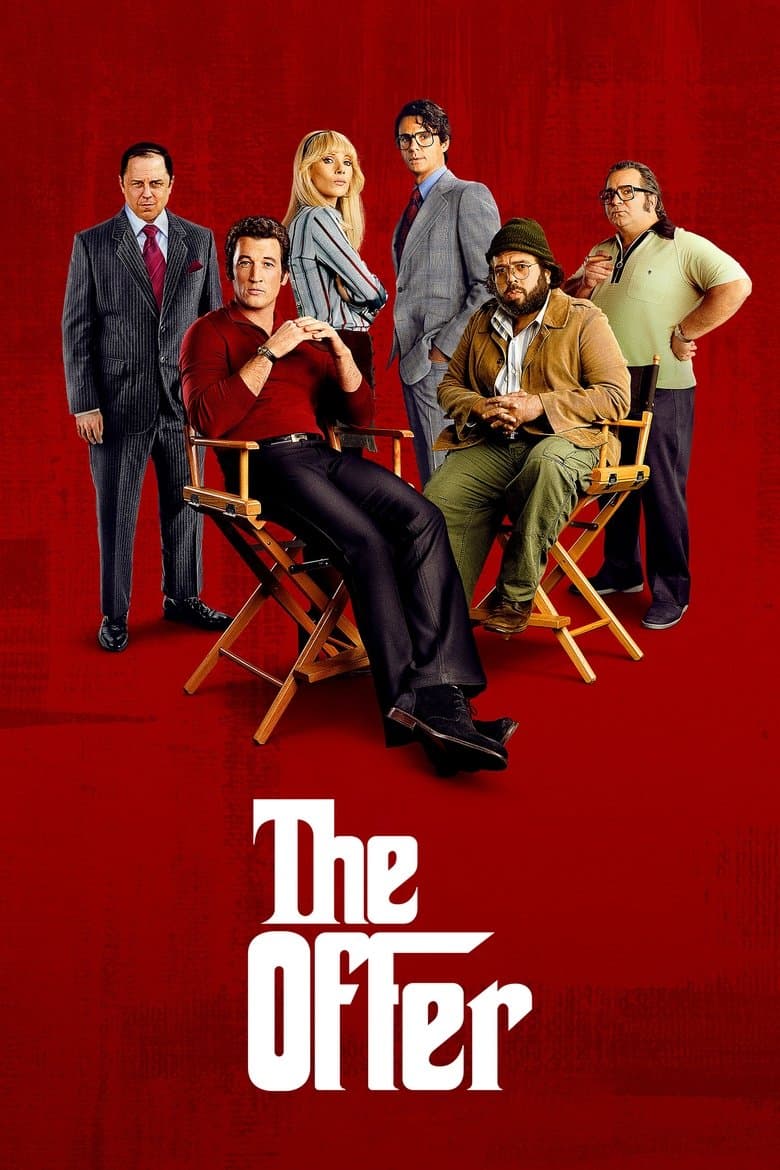
TV Show · 2022
Oscar-winning producer Al Ruddy’s never before revealed experiences of making the iconic 1972 film The Godfather that Francis Ford Coppola directed and adapted with Mario Puzo.

TV Show · 2024
Fascinated by cars since childhood, Brazilian racer Ayrton Senna became a sports legend — until tragedy struck, changing Formula 1 forever.
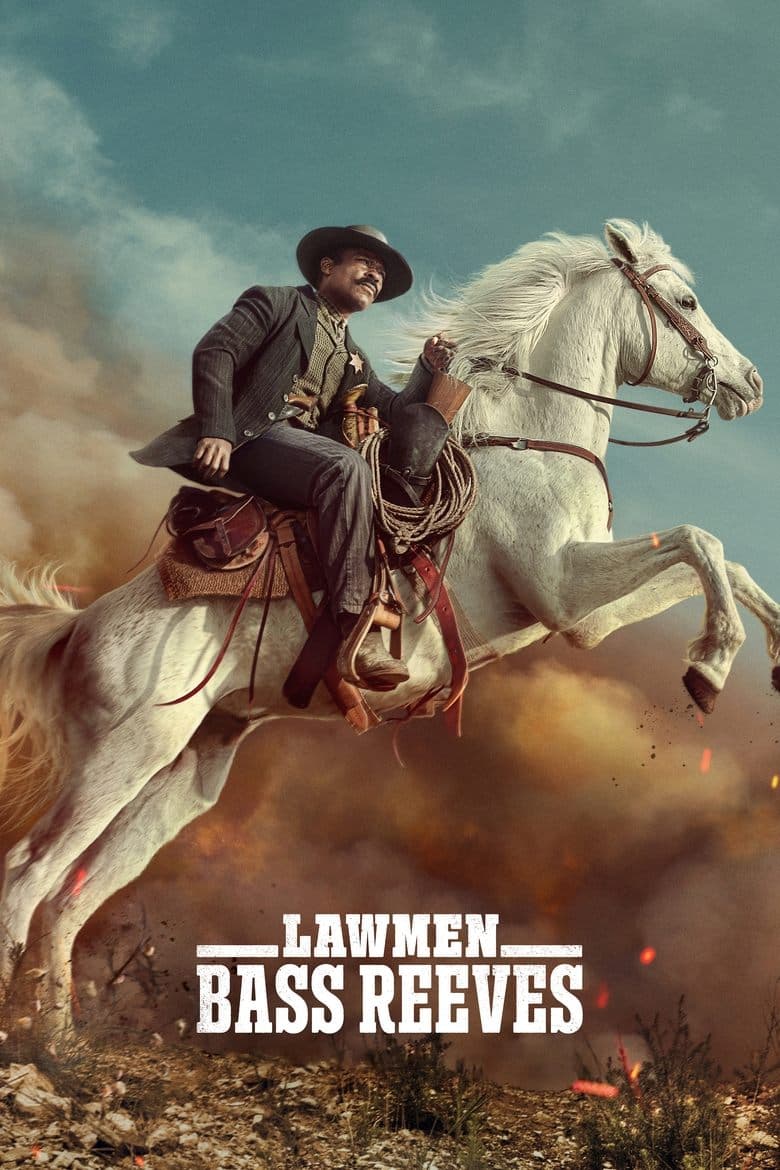
TV Show · 2023
The story of Bass Reeves, the legendary lawman of the wild West, is brought to life. Reeves worked in the post-Reconstruction era as a federal peace officer in the Indian…
