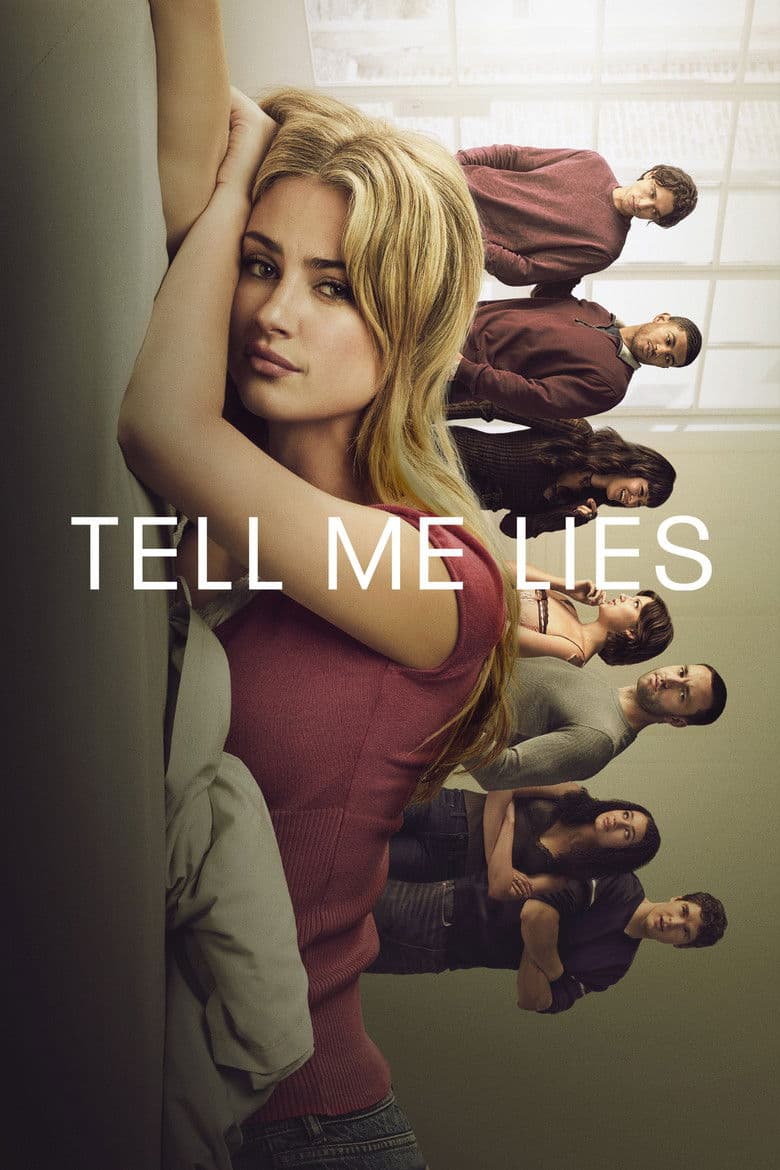
Started September 7, 2022 · Ended · Based on 3 seasons, 26 episodes through February 17, 2026 · TV-MA
Lucy Albright arrives at Baird College carrying grief from her father's death and a strained relationship with her mother. She meets Stephen DeMarco, a charming older student who draws her into a secretive relationship built on sex, lies, jealousy, and control. The story moves between college years in the late 2000s and a later wedding where old friends face what their choices caused. The tone is dark, tense, and often shocking, with a strong focus on emotional abuse and damaged friendships.
The clearest woke element is the recurring romance between Pippa and Diana, two supporting women whose relationship grows across seasons 2 and 3. Pippa's sexuality becomes part of her story, and the show treats the couple as a real emotional bond rather than a joke or a short surprise. The series also returns to sexual assault, consent, male entitlement, and the different blame placed on women and men. Those themes are visible in later seasons, but they stay inside the larger story about private betrayal, trauma, and toxic romance.
Community feedback
Was our 50% Woke rating accurate?
Breakdown
These are the editorial factors and ratings behind our score for Tell Me Lies.
Woke representation / casting
The main friend group has visible racial diversity, but the show does not make race a special lesson. Pippa and Diana form a prominent same-sex couple across seasons 2 and 3. Their relationship is audience-visible and receives clear story space, though it remains behind Lucy and Stephen. The casting does not show a repeated diversity-first pattern or a story-world mismatch.
27%
Woke political dialogue
Characters discuss sexual assault, consent, and the different blame placed on women and men. Pippa says male friends excuse Stephen's treatment of women, and Lucy faces judgment for lying to protect Pippa. These points return across seasons 2 and 3, but the show has no activist speeches or party politics.
18%
Identity-driven story themes
Pippa's feelings for Diana grow into a same-sex romance that returns across seasons 2 and 3. The show follows Pippa as she explores her sexuality while dealing with assault and pressure from friends. The main story still follows Lucy and Stephen's straight relationship. The creator said the couple's conflicts are not only about being queer, but their relationship is a clear identity-driven subplot.
44%
Western institutional / cultural critique
The show repeatedly presents male entitlement and toxic male behavior as damaging. Friends and family protect men such as Stephen, Chris, and Oliver while women carry blame or punishment. Season 3 has Bree say that her mother would not believe her, and Pippa criticizes male friends for excusing Stephen. The story mostly treats these failures as actions by individuals instead of a broad attack on Western institutions.
31%
Woke character or canon changes
The show changes the source novel by turning Pippa and Diana into a major same-sex couple. The novel centers Lucy and Stephen and does not contain this romance as a continuing plot. The new relationship becomes a continuing subplot in seasons 2 and 3 and shapes the final ending. The show also expands many side characters, but the queer romance is the clear identity-driven change.
38%
Anti-woke backlash and complaints
Not present. Public coverage and fan talk focus on toxic relationships, assault, and the finale. The reviewed X search found no anti-woke complaints, and web searches found no meaningful anti-DEI backlash.
0%
Creator track record context
Cached context rates Oppenheimer and most writers in the low or mild range. Laura Lewis has a moderate focus on women-led stories, and several producers have women-centered or mainstream liberal work. Director Isabel Sandoval has a stronger identity-focused record through trans and migrant stories. The wider team gives moderate supporting context, but the series itself is not built as a political project.
32%
Production
TV Show · 2022
When a man wakes up in the Australian outback with no memory, he must use the few clues he has to discover his identity before his past catches up with him.
TV Show · 2025
In the vast expanse of Yosemite National Park, a woman's death draws a federal agent into lawless terrain — where nature obeys no rules but its own.
TV Show · 2026
A desperate father searching for his runaway daughter gets caught up in a murder case — and stumbles upon secrets which could destroy his family for good.
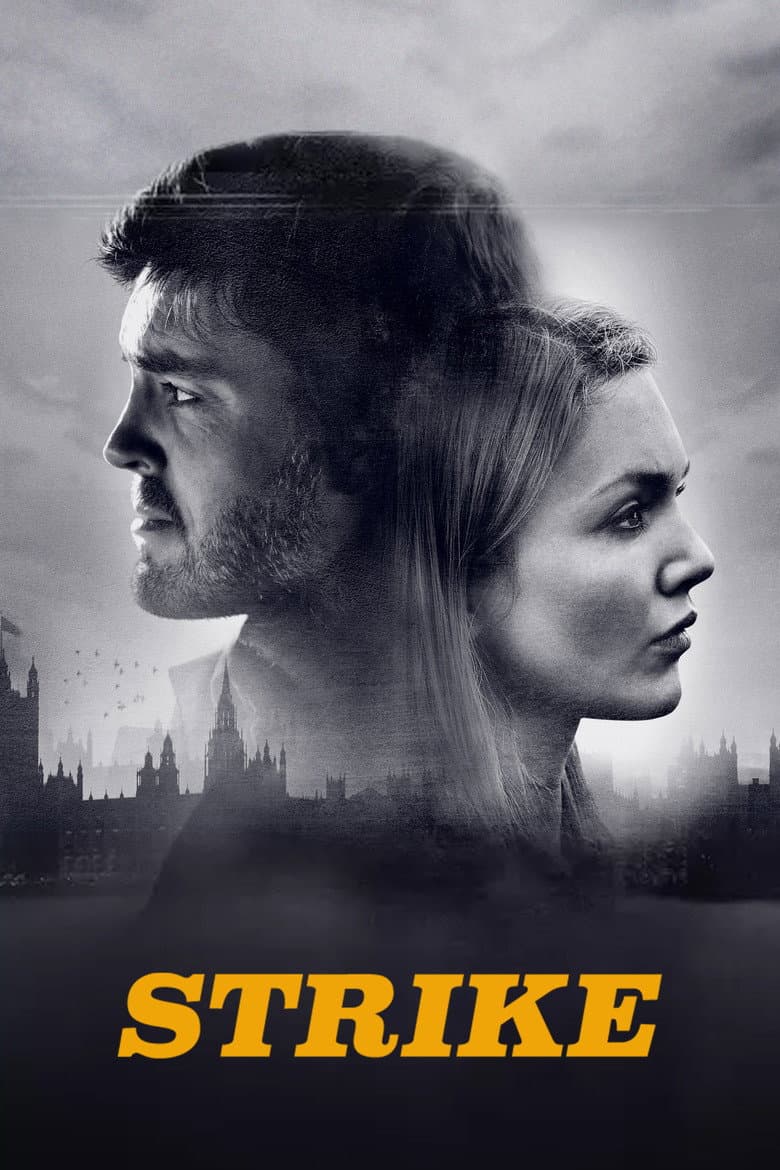
TV Show · 2017
A war veteran turned private detective operates out of a tiny office in London’s Denmark Street. Although wounded both physically and psychologically, his unique insight and…
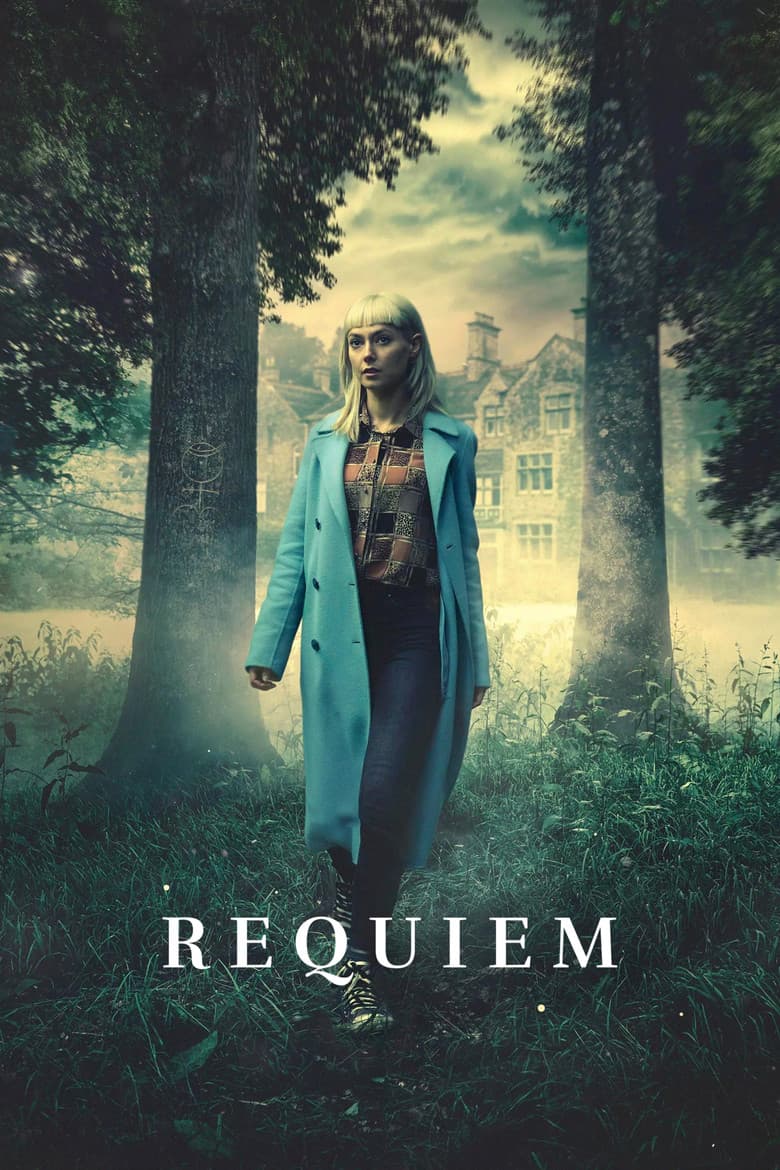
TV Show · 2018
In 1994, a toddler disappeared from a small Welsh village, never to be seen again. 23 years later, in London, the mother of rising cello star Matilda Gray commits suicide, without…
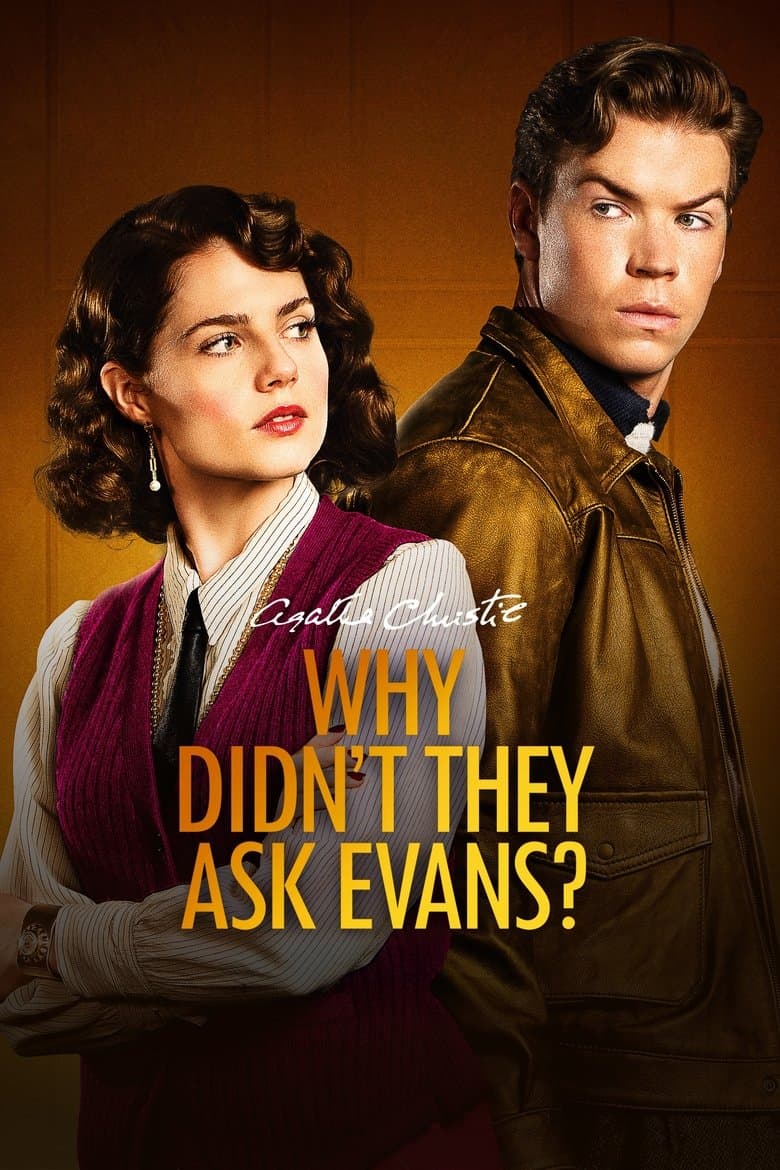
TV Show · 2022
A dying man's enigmatic last words send vicar's son, Bobby Jones, and his socialite friend, Lady Frankie Derwent, on a crime-solving adventure.
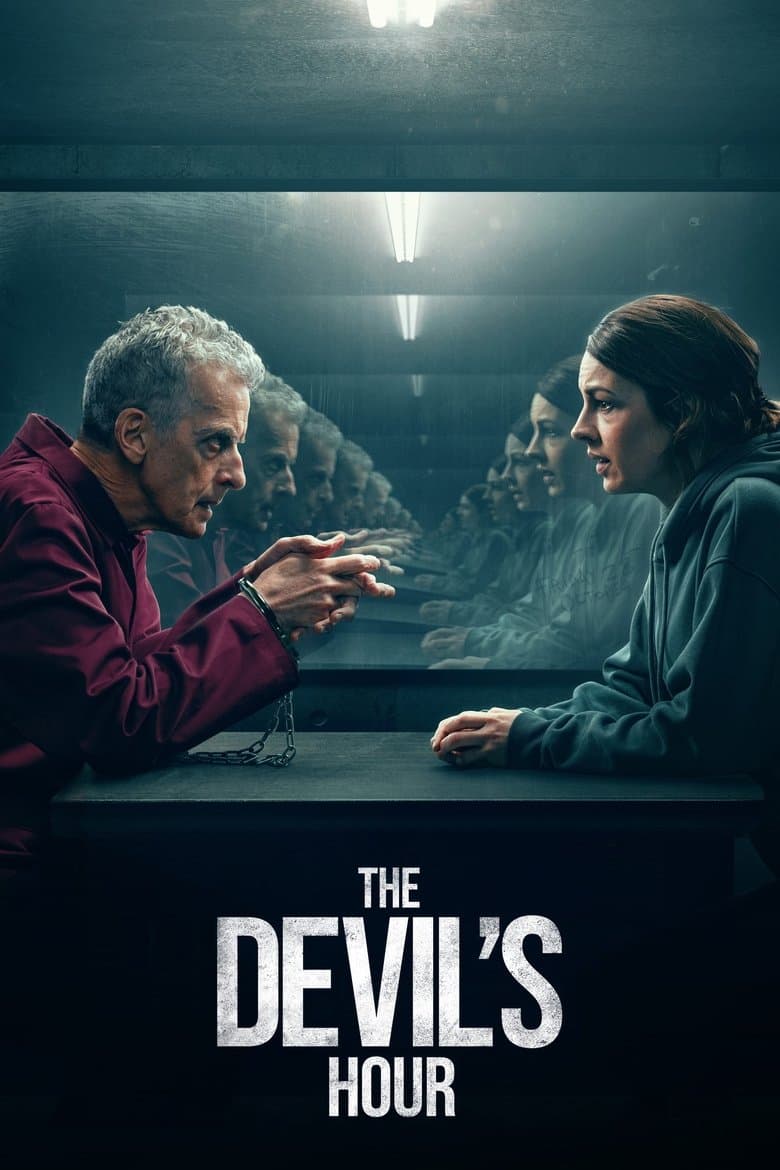
TV Show · 2022
Lucy wakes every night at exactly 3:33am. Nothing in her life has made sense for a long time. But the answers are out there, somewhere, at the end of a trail of brutal murders.
TV Show · 2021
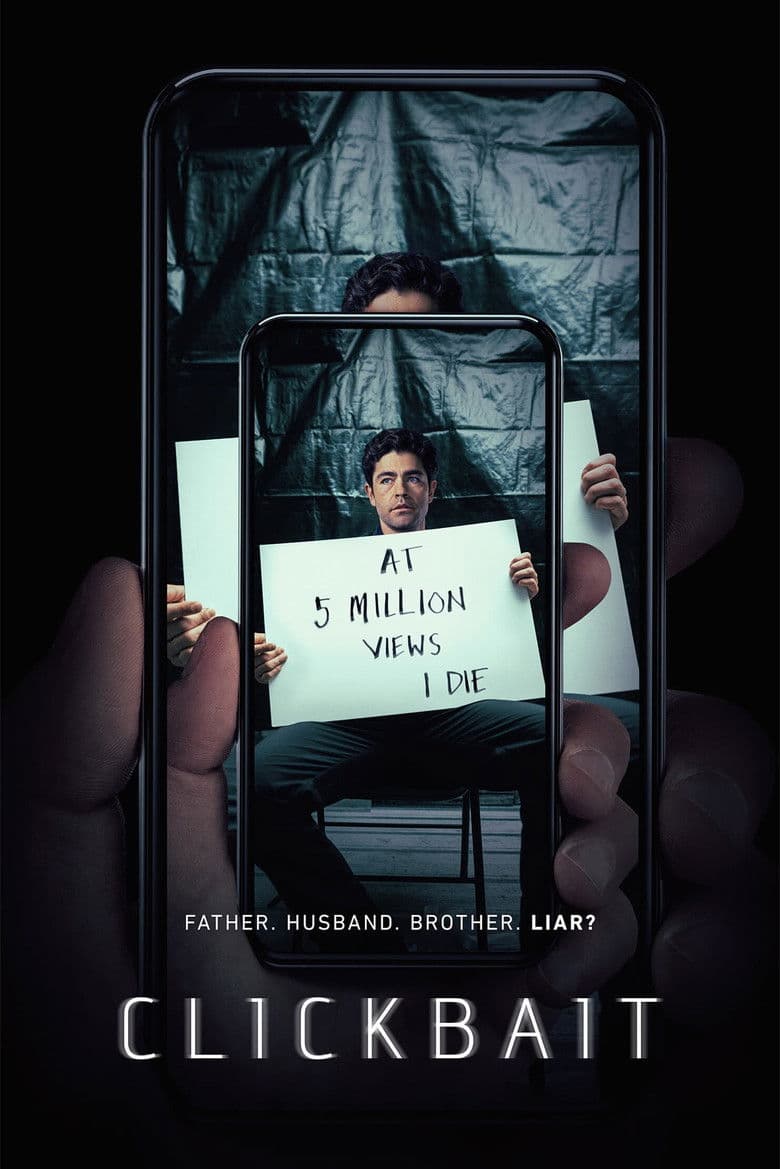
When family man Nick Brewer is abducted in a crime with a sinister online twist, those closest to him race to uncover who is behind it and why.
