Started July 13, 2023 · Ended · Based on 3 seasons, 24 episodes through July 2, 2026 · TV-MA · 27 min
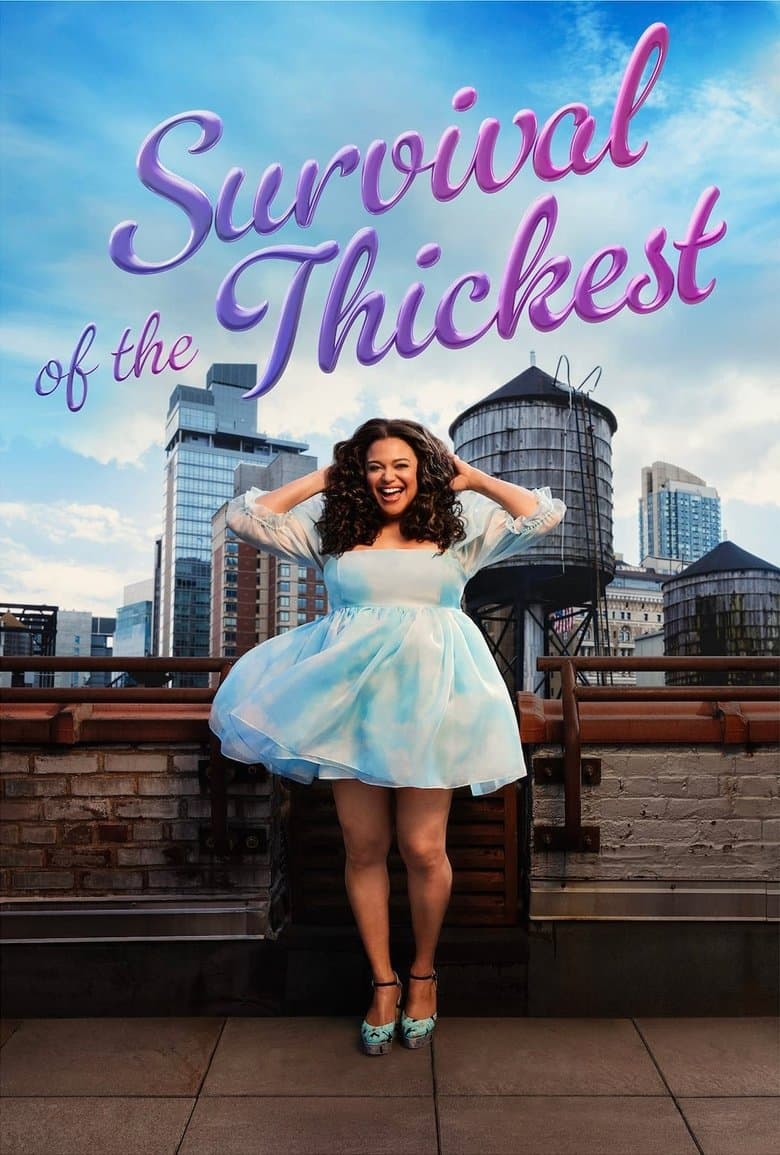
Survival of the Thickest follows Mavis Beaumont, a Black, plus-size fashion stylist in New York. After she catches her long-time boyfriend cheating, she leaves their home and rebuilds her career, friendships, and love life. Her work grows from styling clients to creating her own fashion brand, while her friends face their own romance, work, and family problems. The show mixes raunchy jokes, bright clothes, romance, and serious moments about loss.
Body pride is the show's clearest woke element, because Mavis treats her size as part of her strength and builds fashion work for people pushed aside by the industry. The story repeatedly presents black women, queer and trans people, same-sex love, drag culture, and chosen family as valued parts of everyday life. Mavis also confronts size exclusion, gender rules, racist treatment, male selfishness, and the pressure placed on women's bodies and choices. These ideas shape the main plot across all three seasons, but the show remains a personal comedy about work, love, grief, and starting again.
Community feedback
Was our 80% Woke rating accurate?
Breakdown
These are the editorial factors and ratings behind our score for Survival of the Thickest.
Woke representation / casting
Mavis is a Black, plus-size woman in the lead role, and the show makes that identity part of its main story. The core group also includes a black male artist, a black female finance leader, a black queer couple, a drag performer, and recurring trans and plus-size characters. Season 2 builds an inclusive fashion line for trans women and people of all body types. Interviews and promotion openly present this casting as a diversity goal, not just a normal New York background.
65%
Woke political dialogue
The show gives direct space to social issues in several episodes. Khalil faces a racist encounter, and the friends talk about racism and Black mental health. The teen prom plot rejects a school's gender dress code and treats drag culture as a safe place. The story mentions politics through a city council romance and a character's old Republican views, but political debate is not the main focus.
32%
Identity-driven story themes
Mavis's body and Black womanhood shape her work, love life, and sense of worth across all three seasons. She builds a fashion business for people whose sizes and bodies are often left out. The show treats drag, trans joy, same-sex love, female desire, and chosen family as good parts of daily life. Season 3 adds infertility, miscarriage, and the pressure on women to decide what family should look like. These themes drive the continuing character arcs rather than appearing in one episode.
75%
Western institutional / cultural critique
The fashion industry repeatedly treats plus-size bodies as a problem, and Mavis fights that system through her career. Her ex benefits from her work before cheating, and a later male boss takes credit for her design. Marley often mocks male behavior, while the story usually presents her anger as funny or understandable. The show also challenges school gender rules and the idea that women should hide desire or accept unfair treatment. These critiques recur, but the show does not attack Christianity or Western culture as a whole.
43%
Woke character or canon changes
Not relevant. The show adapts Michelle Buteau's essay book and does not change a known franchise character, canon, or historical figure for identity reasons. Its added TV plots are ordinary adaptation choices.
0%
Anti-woke backlash and complaints
NewsBusters called the teen prom at a drag bar grooming and Hollywood propaganda. A few small X accounts called the show woke or attacked its drag, body, and identity focus. One larger critic objected to the drag-club prom but also tied other complaints to vaccine side effects, not a wider DEI campaign. The reaction stayed fringe, with no sustained boycott or review-bomb campaign found.
18%
Creator track record context
Michelle Buteau has a stored creator score of 78, and Danielle Sanchez-Witzel has 65. Buteau publicly backs plus-size and black women's representation and speaks against token roles. Sanchez-Witzel has discussed tokenism and support for women of color in writers' rooms. Writer Solomon Georgio has a stored score of 77, and several other writers and directors fall in the 40s to 60s. This background matches the show's identity and diversity themes.
65%
Production

TV Show · 2020
New passions. New fashions. New Emily? A plucky American marketing whiz spreads her wings in life and love after landing her dream job in Paris.

TV Show · 2019
A paragliding mishap drops a South Korean heiress in North Korea -- and into the life of an army officer, who decides he will help her hide.
TV Show · 2019
Burned out on life, Miles undergoes a strange procedure at a strip mall spa -- and wakes to find he's been replaced by a better version of himself.
TV Show · 2016
In his funky California beach enclave, Chip's the go-to guy for personal insights. But he isn't quite as enlightened when it comes to his own baggage.

TV Show · 2019
To win back his ex-girlfriend, a nerdy teen starts selling ecstasy online out of his bedroom -- and becomes one of Europe's biggest dealers.

TV Show · 2016
Rebellious Mickey and good-natured Gus navigate the thrills and agonies of modern relationships.

TV Show · 2020
After being bullied and discriminated because of her ugly looks, a high school girl transforms herself into a gorgeous "goddess" and quickly rises to fame after mastering the art…

TV Show · 2020
The heartwarming and humorous adventures of a young country vet in the Yorkshire Dales in the 1930s. A remake of the 1978 series.
